

Antifascist and Antiracist Pride March against the Milei government: "No life is disposable"
Thousands of people in different parts of Argentina joined the second Antifascist and Antiracist Pride March to protest against the precariousness of life and the labor reform that will be discussed this week in Congress.


Share

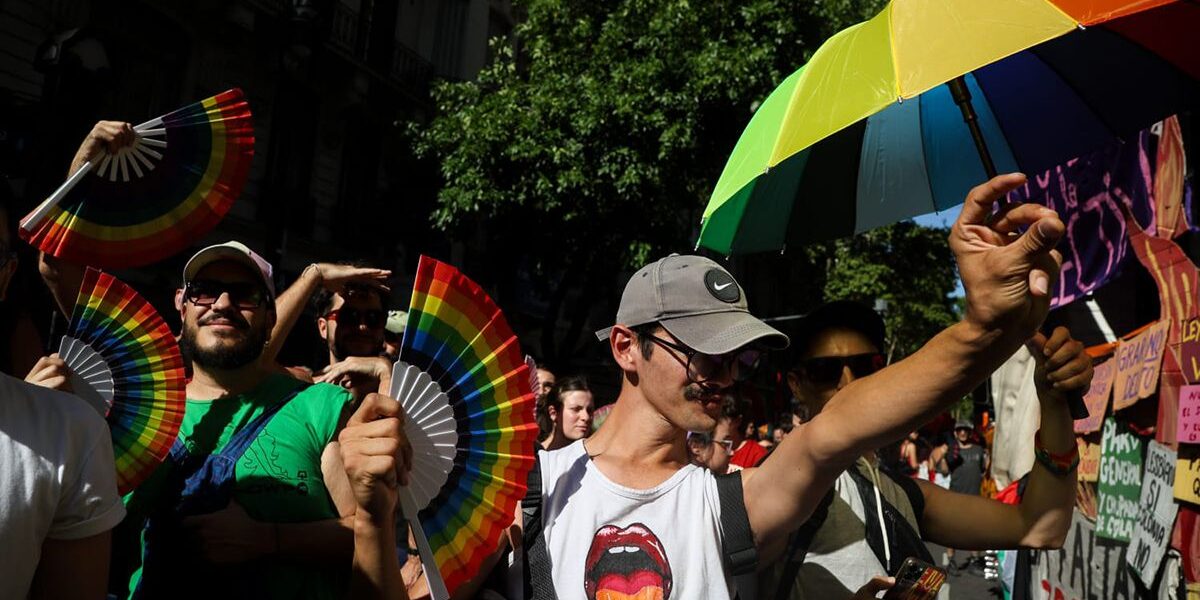
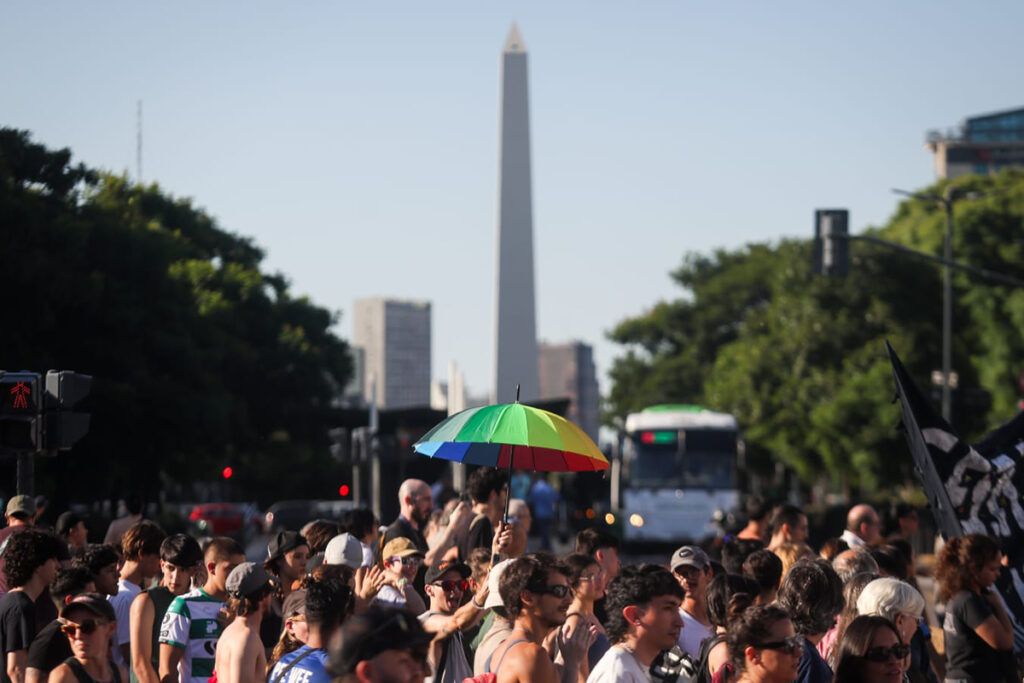
BUENOS AIRES, Argentina. No life is disposable. That is the message that thousands of people from diverse groups delivered to the government of Javier Milei during the second Antifascist and Antiracist LGBTIQNB+ Pride March in Argentina. It was the first mass mobilization of 2026 and brought together numerous demands, in a context marked by actions against the labor reform that will be debated this week.
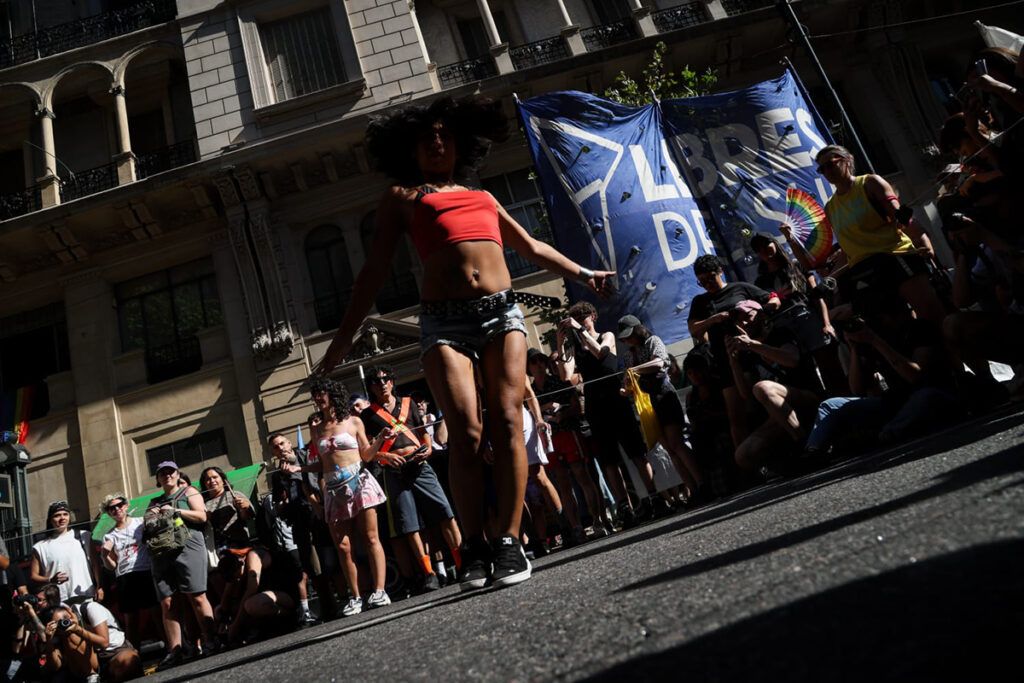
Once again, trans feminism managed to unite and articulate its demands under a single slogan: “No one is expendable here.” In Buenos Aires, the march, stretching over five blocks, proceeded from the National Congress to Plaza de Mayo. The cry was echoed in at least 26 other locations across the country. The most vulnerable sectors of society raised their voices: LGBTQ+ groups, retirees, people with disabilities, migrants, and informal workers.
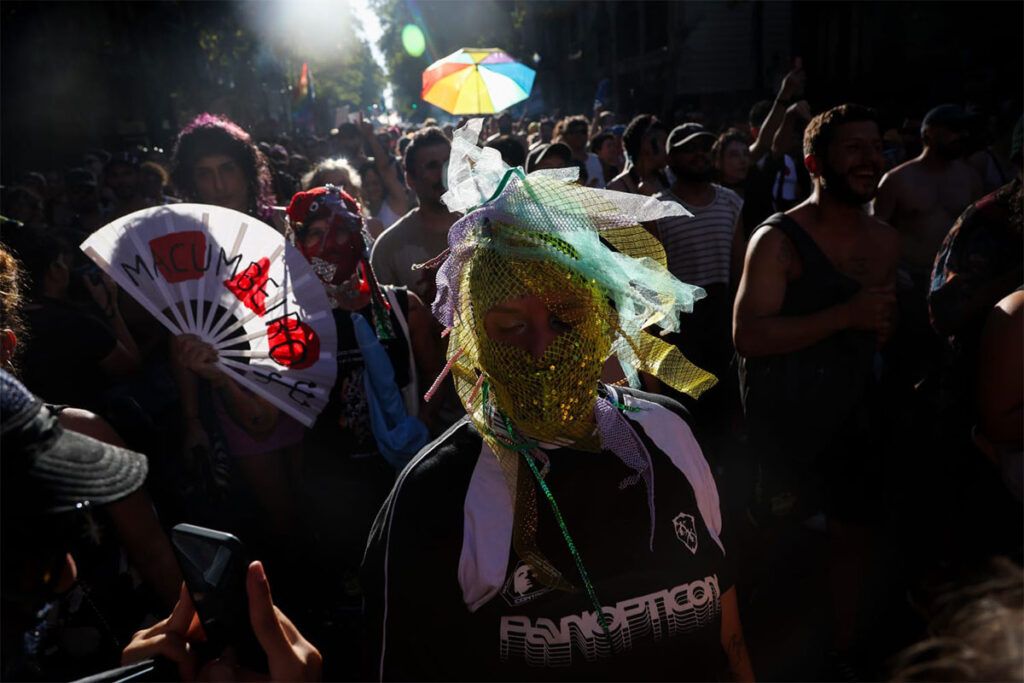
“This march is important to highlight the precariousness, hunger, and escalation of institutional violence against sex workers, migrants, people experiencing homelessness, and LGBTQ+ individuals. We hope it will spark a social awakening among the groups that resist on the margins of a society that is exhausted,” Georgina Orellano, general secretary of the Argentine Sex Workers Union (AMMAR), told Tiempo /Presentes.
This is the second edition of a mobilization that began last year, after Javier Milei spoke at the Davos Economic Forum on January 23, 2025, and attacked feminism and sexual diversity . His speech, full of misinformation and lies—he compared homosexuality to pedophilia—sparked a historic, self-organized mobilization in Buenos Aires, throughout the rest of the country, and in various parts of the world.
“From the National Pride and Struggle Front, together with the anti-fascist and anti-racist assembly, we are promoting this Second Federal March. Throughout the country, we are mobilizing to condemn this policy that promotes hatred and the marginalization of a large part of Argentine society, attempting to divide it into lives worth living and lives that are disposable. Here we are saying that where there is fascism, there is pride, there is resistance, and there is struggle,” said Martín Canevaro, an activist with 100% Diversity and Rights. Pride and Struggle—which brings together several dissident organizations, including 100% Diversity and Rights and the Argentine Homosexual Community (CHA)—also had its own float.
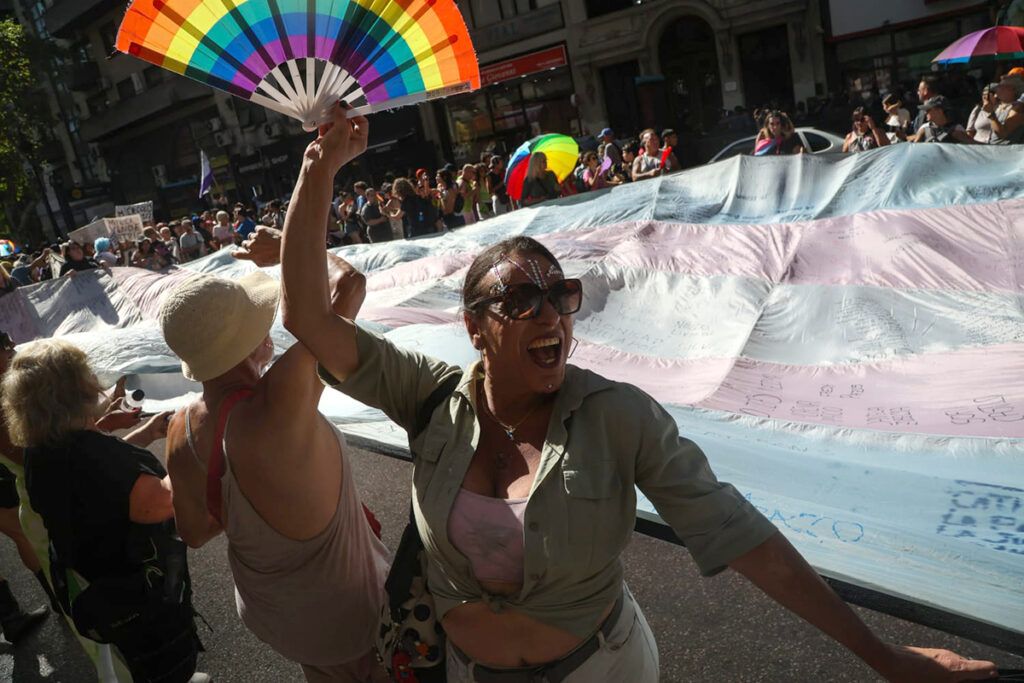
transvestite trans flag-waving
A massive trans flag, several meters long and wide, was unfurled on Avenida de Mayo. In the blazing sun, older trans women and transvestites held its edges. “We’re here because of everything we’ve been through. They’re still killing girls and discriminating against us. There are older trans women who don’t have pensions and have to keep working on the streets,” Mychel Aguilera, Teté Vega, and Carolina Figueredo told this publication.
The message is out there
The Minister of Women and Diversity of the Province of Buenos Aires, Estela Díaz, participated in the second Antifascist March. “We cannot continue to normalize violence, discrimination, and hatred as part of political activity. The extreme right has absolutely totalitarian rhetoric that neither respects nor includes diversity,” Díaz stated.
The march included a union contingent, and some unions and political forces mobilized.
For her part, Buenos Aires City legislator Vanina Biasi emphasized: “Today we are taking to the streets again because fascism is advancing in this country, seeking to pass the labor reform they have prepared for approval in the Senate next Wednesday. We must unite against fascism.”
Victoria Freire, a legislator from Buenos Aires, also highlighted the importance of being in the streets: “In a context of attempted labor and pension reforms, of the increasing precarity of life for everyone, it is very important that different sectors come together in the streets, that Pride is in the streets.”.
The union bloc also called for the February 7th mobilization. From the Buenos Aires Press Union, Micaela Polak, gender secretary, said: “The labor reform that the government wants to impose only affects the rights of workers, particularly press workers who have been hit hard by job insecurity.”.
All the struggles
“It won’t happen, it won’t happen, that labor reform!” chanted the head of the march as it proceeded down Avenida de Mayo. The economic and labor situation was a recurring theme in the signs, chants, and testimonies of those who came to mobilize.
“Sexual dissidents, far from the social image established by liberalism and the right wing, are not indifferent to the demands of the vast majority. On the contrary, we are nourishing the working class and especially those sectors of the population most marginalized and harmed by this government's policies,” stated Quimey Ramos, a teacher and trans activist.
Liliana Ponce is a retiree receiving the minimum pension and, like this Saturday, she marches every Wednesday in front of Congress. “Today we are resisting not only the fascist onslaught, but also the economic onslaught, the labor reform. We say: enough of poverty, we want an emergency increase and no to the labor reform,” she declared from the head of the march.
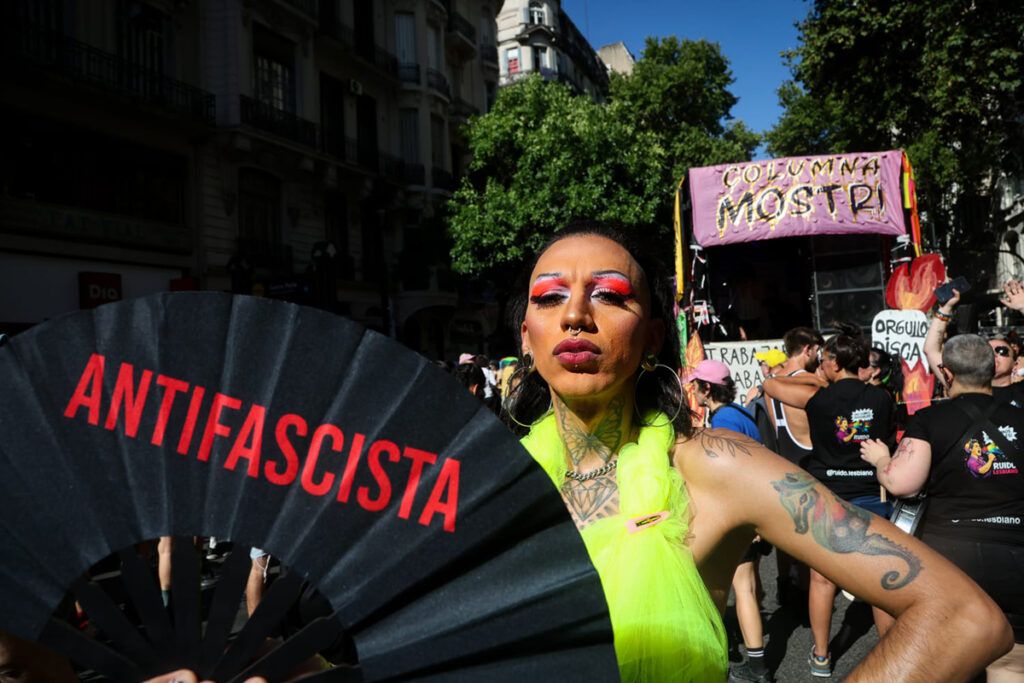
“This second year, although the government has somewhat moderated its rhetoric against sexual diversity, it has not done so with its policies, which have actually intensified,” said Ese Montenegro, a transmasculine activist and member of the Mostri Column. In this regard, the national government issued Decree 62/2025, which amended the Gender Identity Law. This eliminated the possibility for transgender adolescents to undergo hormone therapy. This attack against young people is complemented by its rhetoric against comprehensive sex education and its obsessive attempt to lower the age of criminal responsibility.
After vetoing the Emergency Disability Law, the national government was forced to regulate it due to social pressure. “It’s incredibly difficult for us to go out and put our bodies on the line. The cooperation of the people is essential for this to finally end,” stated Remigia Cáceres, National Secretary for Disability at CTA-Workers.
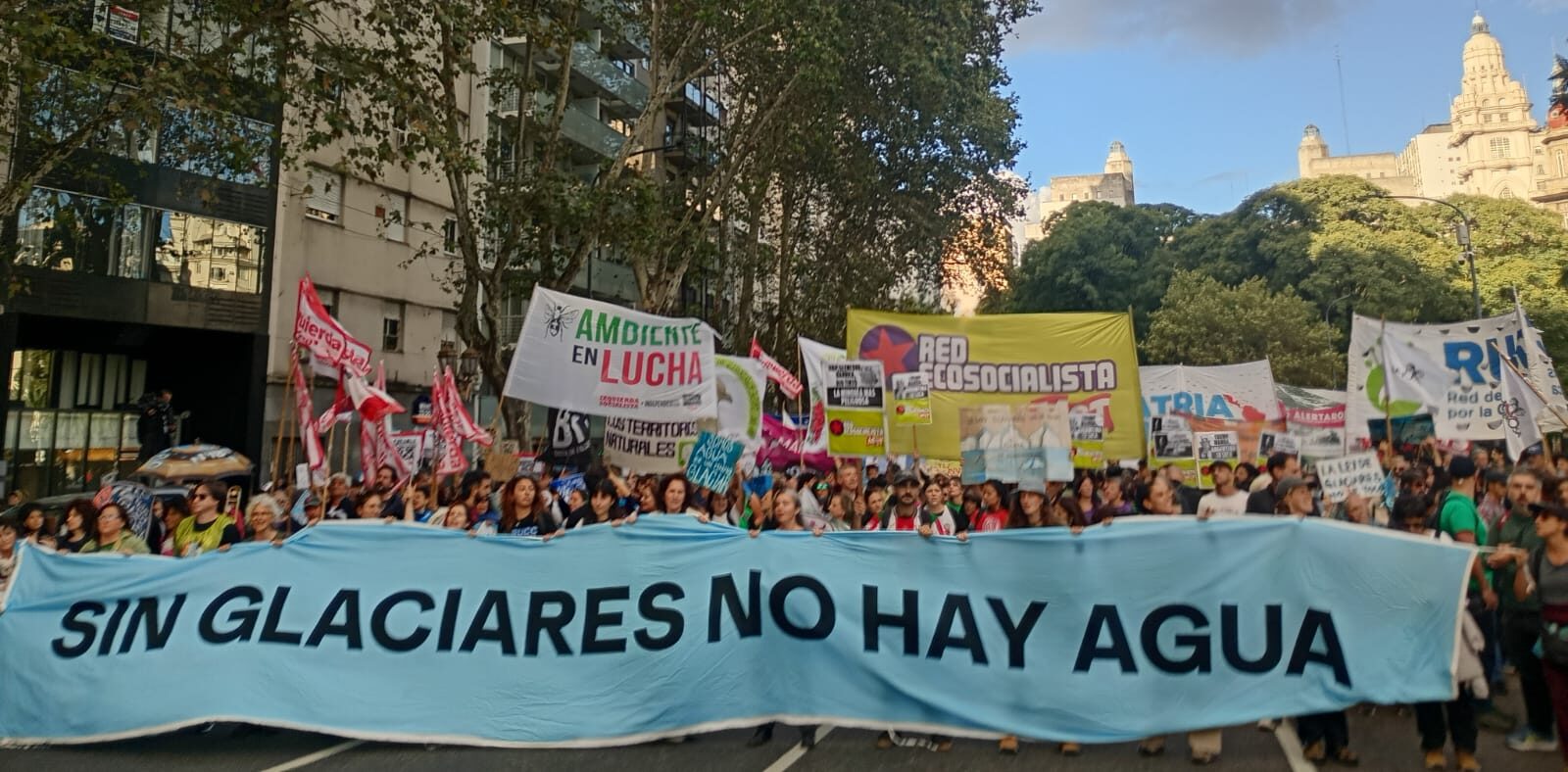
Migrant groups participating in the march denounced the persecution and criminalization they have faced since Decree 366/25, which amended the Migration Law. Other groups also warned about the attempt to modify the Glaciers Law and the mismanagement of forest fires in Patagonia. “We have more than enough reasons to denounce and highlight the complete lack of protection we are experiencing,” said Irma Caupan, a Mapuche activist.
The gathering in the streets ushered in 2026 with one certainty: "Against fascism, struggle and solidarity."
The article is a collaborative piece between Agencia Presentes and its cooperative media partner, Tiempo Argentino.
Social media coverage: Lucas Gutiérrez, Aldana Somoza, Maby Sosa, Agustina Ramos, María Eugenia Ludueña, Emi Delgado and Luis Castaneda.
We are present
We are committed to journalism that delves into the territories and conducts thorough investigations, combined with new technologies and narrative formats. We want the protagonists, their stories, and their struggles to be present.
SUPPORT US

FOLLOW US
Related notes
Natalia Lane: the trans activist survived an attempted transfemicide and achieved a landmark ruling in Mexico

Justice for Caí: a 33-year-old trans woman was beaten to death in Misiones, and marches were held to demand that the crime not go unpunished
Glaciers Law: The largest class-action lawsuit in history is being called to stop the reform
We are present
This and other stories are not usually on the media agenda. Together we can bring them to light.