

Ferni and folklore as a space of tenderness, conflict, and collective construction
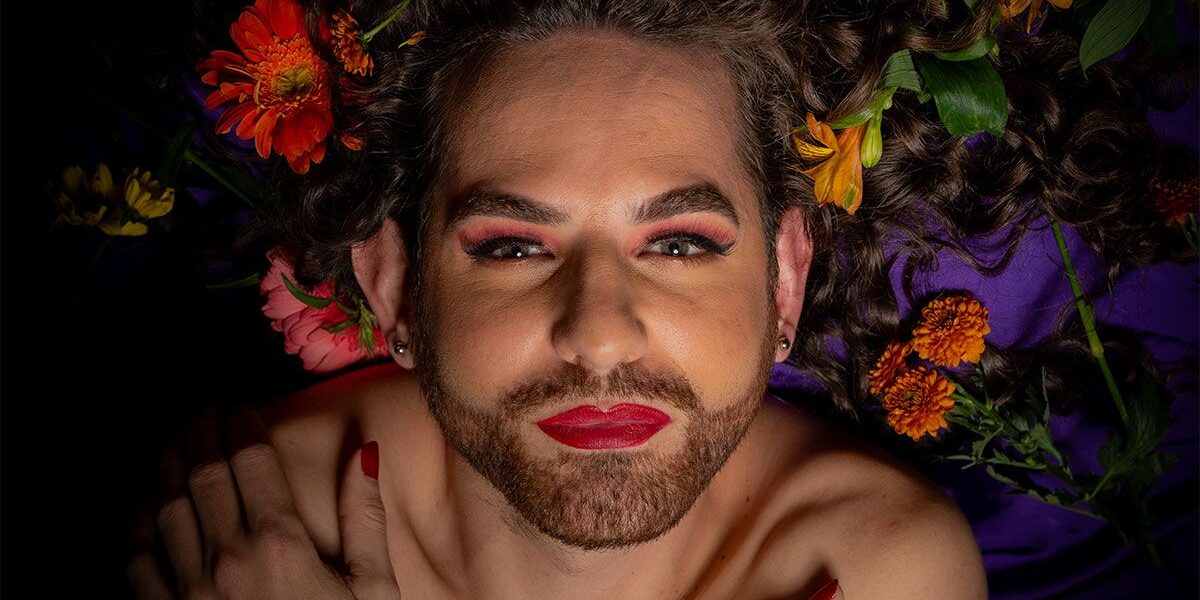
With "Mirarse en otros ojos" (Looking at Oneself in Other Eyes), her first solo album, the singer articulates tradition, identity, and community in a diverse repertoire. The album balances light and edge from a political and emotional perspective.


Share

La Ferni's arrival on the folk music scene was, from the very beginning, a statement of intent. She became known not only for the Pre-Cosquín incident, when the rules initially prevented her from competing as a female vocal soloist because she is a non-binary trans singer, until the intervention of the then-INADI (National Institute Against Discrimination, Xenophobia and Racism) transformed the category into a single category for vocal soloists, without gender distinction. She also revolutionized folk music by reinterpreting classics from an inclusive perspective and by choosing to perform new voices that are now expanding the popular repertoire.
Much has changed in her life and artistic project since then. She has expanded as a performer, become a role model for young people who still face obstacles to gaining visibility, and established herself as an active figure in the fight against injustice. This consistency also permeates her first solo album, Mirarse en otros ojos (Looking at Yourself in Other Eyes ), a work that encapsulates her poetic, political, and human explorations, and which crowns a year in which she toured Spain for the first time, continued performing Queer Opera with her sister Luchi, and premiered The Adventures of China Iron in the theater with Flor Bobadilla Oliva.
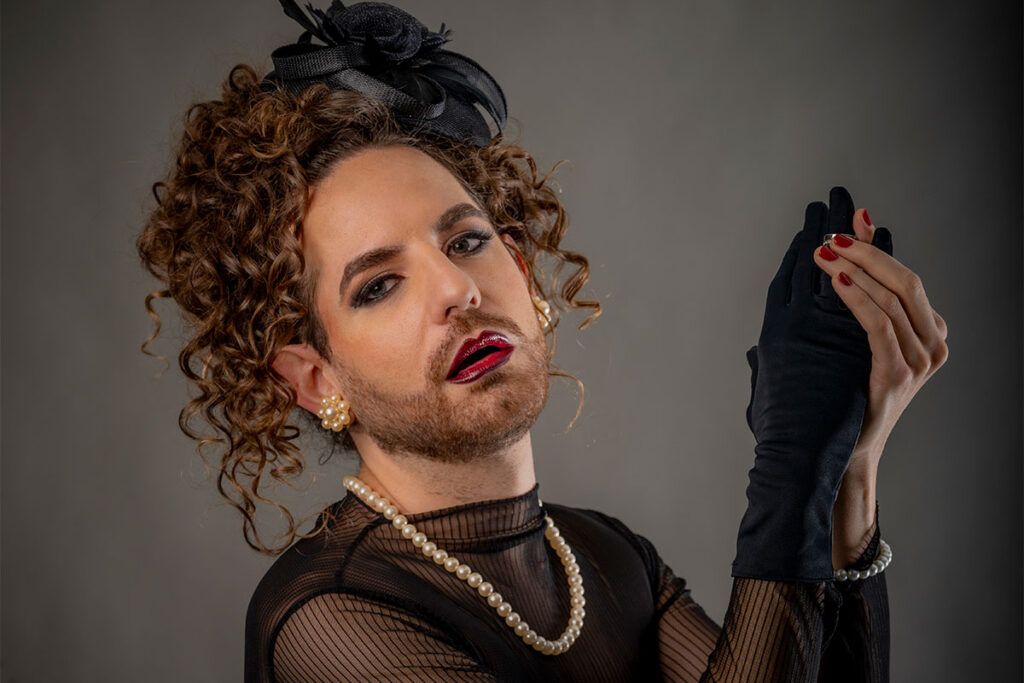
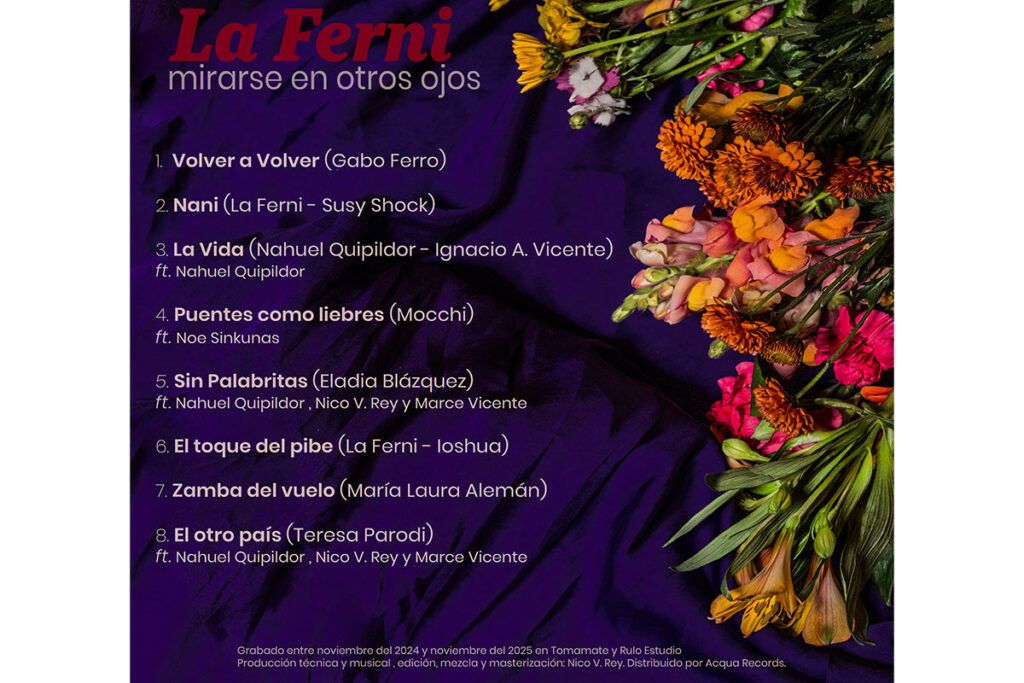
Ferni explains that the album arrives at a time when she can “show different colors” within the same sonic universe. The record brings together eight songs that explore diverse formats and moods: she recorded as a duo with Nahuel Quipildor, with a band alongside Marcela Vicente and Nico Rey—producer and creative partner—and with special guests. One of the most moving moments of the process was recording, live and with meticulous microphones, the historic piano of Sebastián Piana, now played by Noelia Sinkunas. In parallel, the album marks another milestone: for the first time, she presents herself as a singer-songwriter. It includes two of her own compositions: “El toque del pibe,” written based on a poem by Ioshua, and “Nani,” created from a text by Susy Shock for her daughter. Both were recorded with just guitar and voice, a gesture that both bares her soul and affirms her.
Ferni elaborates on the world that moved her and that she wanted to capture on the album. Regarding “El toque del pibe” (The Kid's Touch), she says it's a raw and poetic portrait, permeated by dissident sexualities, life on the margins, and scenes that society prefers to ignore: “transvestites, slum dwellers, the cops who kill kids, the cardboard collectors.” With “Nani,” on the other hand, she's interested in the tenderness, the possibility of singing a lullaby from a classic folk tradition. This balance between light and sharpness runs throughout the entire work.
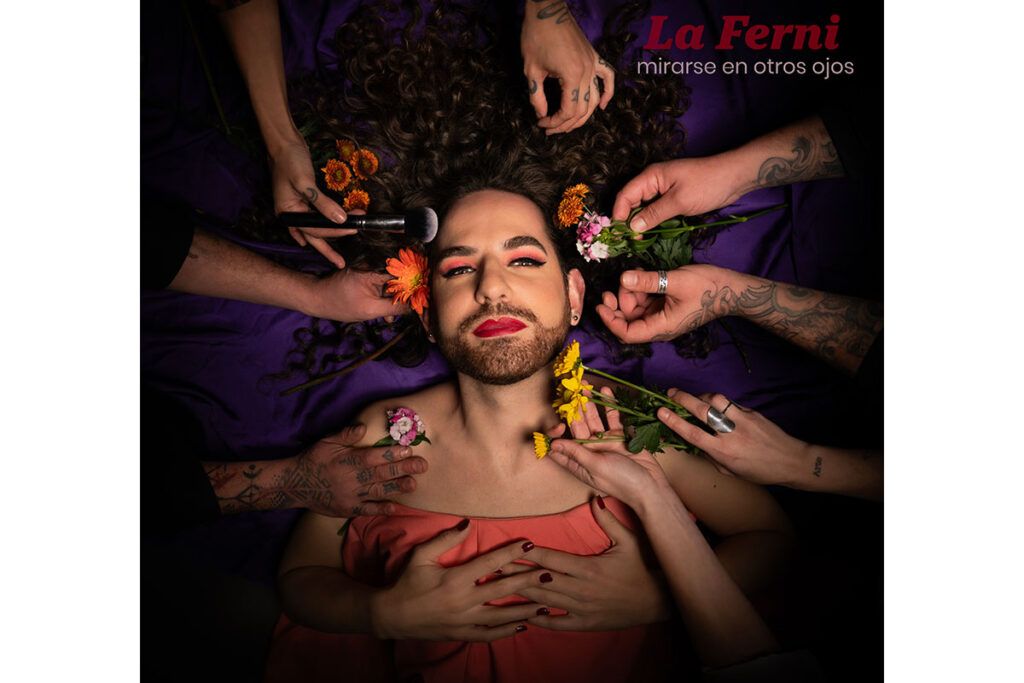
The choice of repertoire also traces an affective and political map. In addition to her own songs, she included “Volver a volver” by Gabo Ferro; “El otro país” by Teresa Parodi; the cueca “Sin palabritas” by Eladia Blázquez; “Puentes como liebres” by Mocchi; an unpublished zamba by Nahuel Quipildor; another by María Laura Alemán, a transvestite composer; and an anonymous lullaby.
“I sing about the humanities, which were very important in my life,” she explains. “And I don’t sing about anything that doesn’t have a personal and collective foundation.” The album, she says, traces a kind of growth: from birth and upbringing to empowerment and then to community. Hence, the title— Looking at Oneself in Other Eyes —functions as an aesthetic and political statement. This act of looking at oneself in others is also her form of activism.
Regarding the current social climate, La Ferni admits she had to learn to protect herself. At the beginning of 2025, she configured her social media to avoid the relentless hatred she was receiving: “I have a high pain threshold, but I realized I had to protect myself. I find solace in my relationships, my network, my music. In what sustains me.” For her, resistance today involves choosing wisely who to share with and maintaining the capacity to see others: “Those in power don't want to see what's happening. So, the responsibility falls on us not to turn a blind eye. To truly connect, not through our phones, but through our eyes.”.
The official album launch in Buenos Aires on December 6th was a sprawling celebration. The first part was dedicated to the eight songs, followed by a long gathering with dancing, singing, and songs from his wider repertoire. He'll be touring much of the country with the album this year. "People have been asking me for it for a while. This album was highly anticipated," he acknowledges.
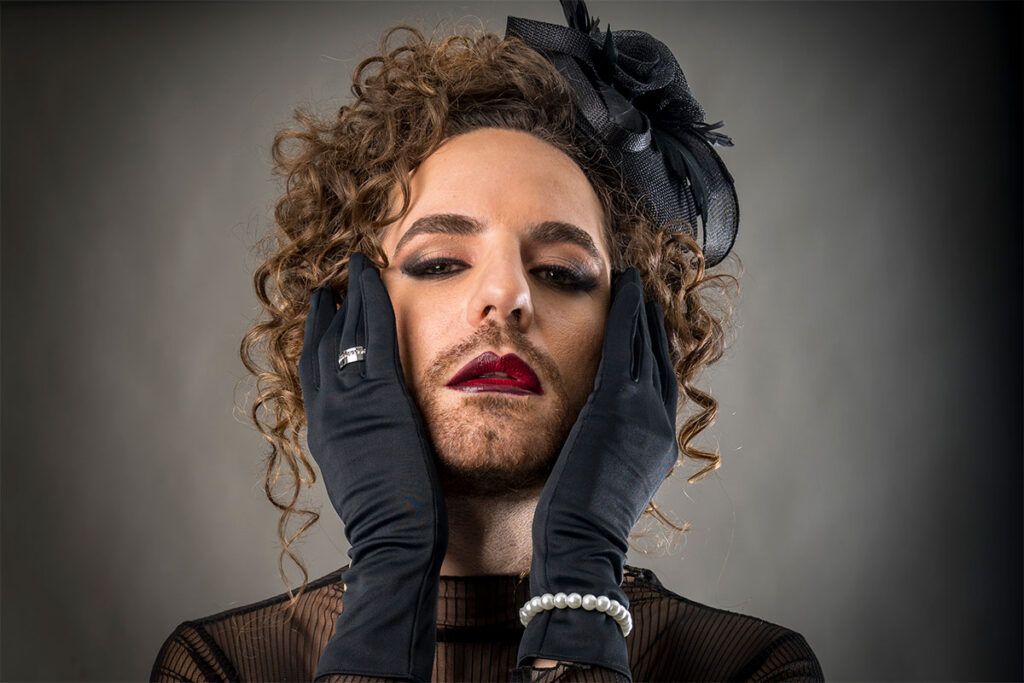
Summer will find her traveling with her guitar. She has dates scheduled in Mar del Plata and Mar de las Pampas and will continue offering community singing workshops, an experience she revived this year that has brought back her joy in teaching large groups: “It’s beautiful to sing with others.” This format will also be part of her second tour of Spain, where she plans to include workshops on vidalas, singing with caja drums, northern repertoire, and collective songs from the Litoral and Río de la Plata regions.
From January 22nd to February 2nd, she will be leading community singing workshops during the nine nights of the Cosquín Festival. Although she doesn't yet have any confirmed appearances on the main stage, she anticipates that something will come up, as it did last year when Yamila Cafrune invited her to perform. In the meantime, she will sing in traditional folk music venues and courtyards like La Salamanca and La Pirincha. It's her way of inhabiting a space that has also transformed her: “Three years ago, I left my 40-hour teaching position to dedicate myself fully to this project. It's a lot of energy invested here, and thankfully, things keep opening up.”.
The article was produced and published by our partner media outlet, Tiempo Argentino.
We are present
We are committed to journalism that delves into the territories and conducts thorough investigations, combined with new technologies and narrative formats. We want the protagonists, their stories, and their struggles to be present.
SUPPORT US

FOLLOW US
Related notes



We are present
This and other stories are not usually on the media agenda. Together we can bring them to light.