

Paraguay 2024: Between "pro-life" power, disinformation and resistance
Anti-rights groups consolidated their power with significant gains during Santiago Peña's first year in office. Among these was the anti-NGO law. But feminist and human rights organizations mobilized strongly to support their demands.


Share

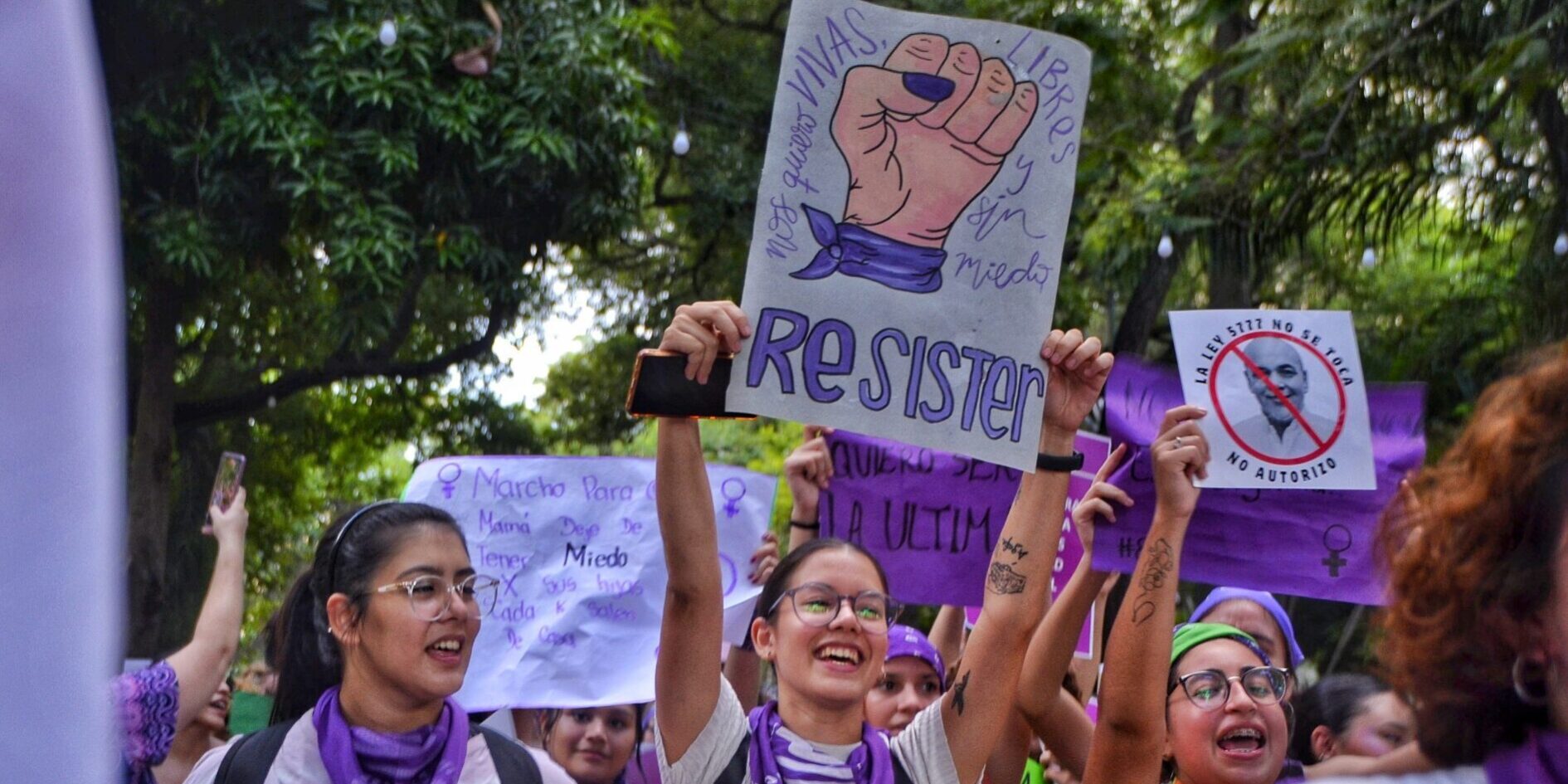
ASUNCIÓN, Paraguay . In the first year of President Santiago Peña's administration, the "pro-life" rhetoric and the government's authoritarian advance continue to marginalize historically excluded sectors of society. While laws such as the anti-NGO law threaten human rights , the LGBTQ+ community, sex workers, Indigenous peoples, and people living with HIV face neglect, stigmatization, and institutional violence.
From January to October 2024, Rohendu, the telephone service of the lesbian organization Aireana, recorded 191 calls. Of these, 60 were related to how to cope with discrimination. Casa Diversa, which provides support and assistance to transgender people, reported situations of violence and discrimination in the cities of Itauguá, Justo Augusto Saldívar, San Lorenzo, Capiatá, Asunción, and Pedro Juan Caballero. The majority of these cases involved physical and verbal violence.

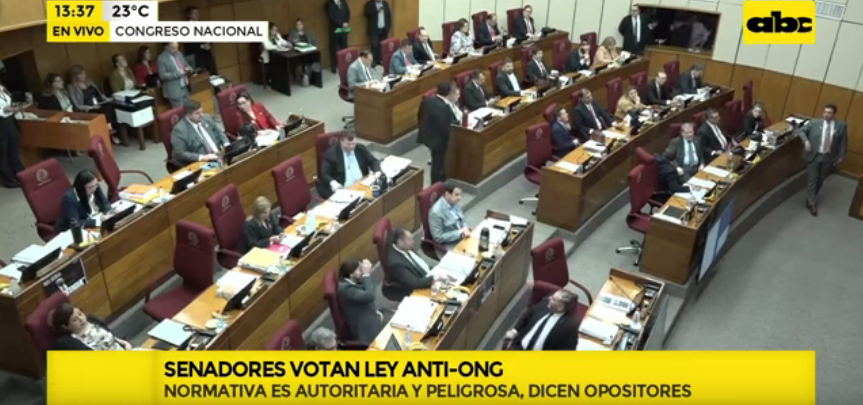
In presenting the report, the Paraguayan Human Rights Coordinator stated that the major issue of 2024 was the resistance of civil society organizations in the context of the enactment of the anti-NGO Law, also known as the "Gag Law." To support this resistance, the digital militias of the Cartes faction disinformation narratives on social media . Among these was the story of defending sovereignty against foreign agents attempting to impose "gender ideology."
“Anti-rights groups denounce an alleged attack on morality, traditional values, the family, and the nation,” write the authors of the chapter “The Pro-Life Performance” in the report by the Human Rights Coordinator (Codehupy). In their analysis, they explain that the narrative of “gender ideology” has the real objective of delegitimizing and invalidating the demands of the feminist movement and sexual minorities.
Carolina Robledo Desh and Rosa Posa Guinea, co-founders of Aireana; Florencia Falabella, a researcher at the Center for Interdisciplinary Rural Studies (CERI); and Erwing Szokol, a researcher at the Network Against All Forms of Discrimination (RCTFD), delved deeper into this research on the government's persecutory discourse toward organizations, because it creates an environment conducive to discrimination and makes them targets of harassment. This is particularly true for LGBTQ+ organizations.
Gender-based political violence in the digital space

In February, the Public Prosecutor's Office Observatory reported six cases of political violence against women. That same month, senators from the Colorado Party and their allies removed Kattya González —one of the most voted-for opposition senators—from office on four grounds, most notably the alleged misuse of influence. However, the disinformation campaign and attacks against González began on social media days before the formal accusation was filed.
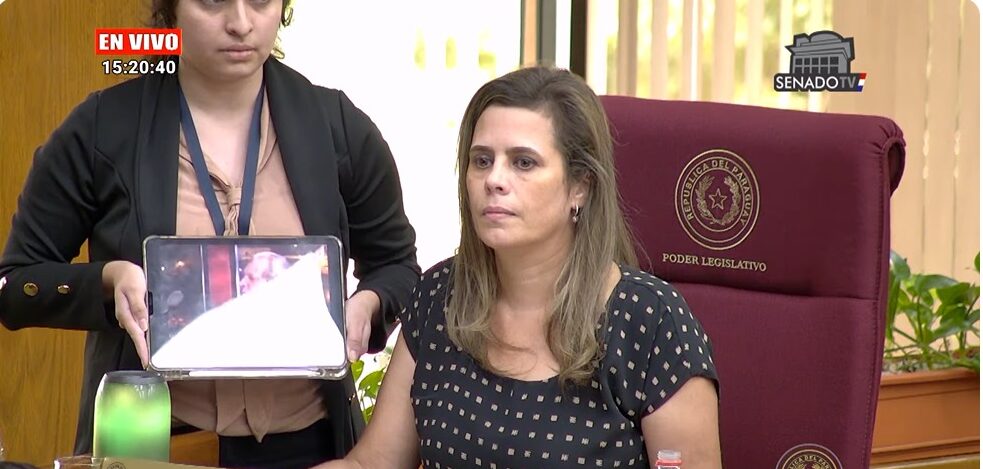
An investigation published in the newspaper ABC revealed that digital militias aligned with the Cartes faction sought to establish a narrative of corruption against the opposition senator. The study indicates that at least 500 accounts participated in the hashtag #FueraKattya (Out with Kattya) and that 34.8% of the posts contained aggressive content. Pro-government media amplified this discourse based on the testimony of a well-known disinformation profile on Twitter.

The parliamentary proceedings were marred by irregularities that exposed a persistent practice: gender-based violence and political persecution against opposition legislators . Days later, the Cartes faction threatened to repeal the Comprehensive Protection Law for Women, arguing, through pro-government senator Basilio Núñez, that it was an “unconstitutional” law.
A study by Tedic (Technology, Education, Development, Research, Communication) on gender-based violence against women politicians identified eight types of technology-facilitated violence: online harassment, doxing , disinformation, and the non-consensual distribution of intimate images , among others. The researchers also identified 12 types of perpetrators. These include politicians, state authorities, media outlets, social media platforms, anonymous profiles, trolls, and organized crime groups.
Education with discrimination
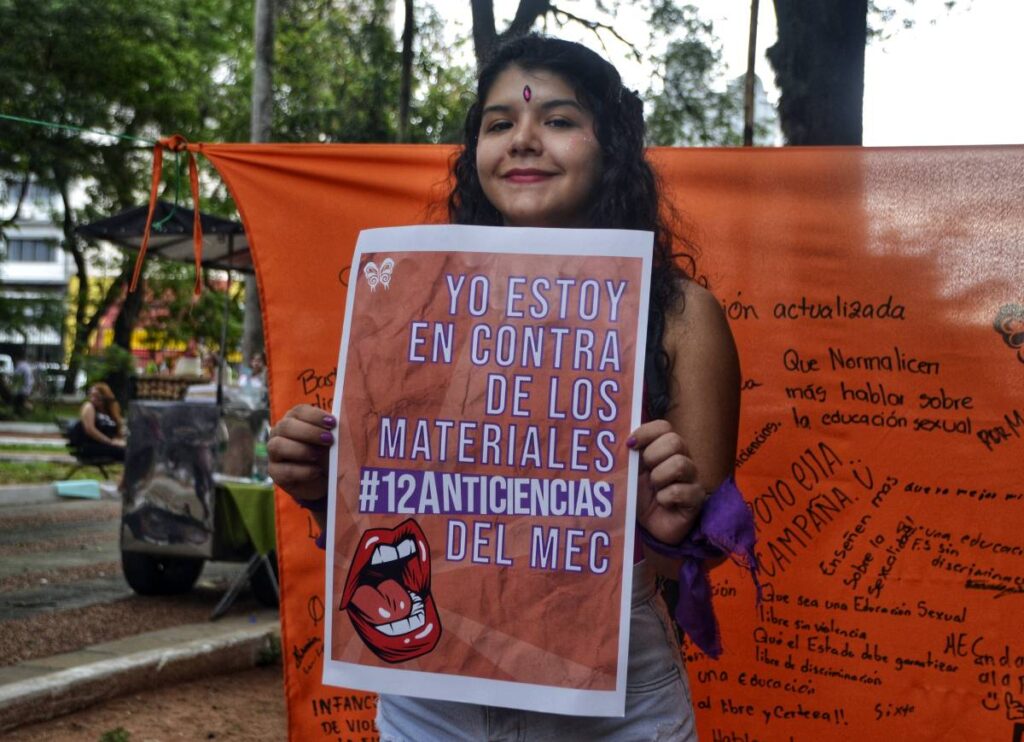
The material proposed by the Ministry of Education and Science (MEC), titled "Science for Sexuality and Affectivity Education in the Family and at School ," which contains gender stereotypes, hate speech, and religious bias, "could validate the perpetuation of discrimination " from primary education onward, notes Pablino Caballero, general coordinator at the Vencer Foundation, in the chapter " Resistance to the Lack of Substantial Changes in HIV Prevention" of the report. "This would affect people living with HIV and continue to widen the gap in their ability to fully exercise their rights," he states.
Without inclusive policies
In "Legal Limbo: Lack of Policies and Stigma Restrict Rights," the organization Unidas en la Esperanza (UNES) highlights how the stigma surrounding sex work in Paraguay is reflected in institutional discrimination and a lack of political will to address the issue . The absence of a clear legal framework keeps sex workers in a state of legal ambiguity, where their work is permitted but lacks official recognition. This also translates into a lack of access to essential benefits such as social security, healthcare, and fair working conditions.
The article "Zero Hunger" without water for the Indigenous peoples of the Chaco , by Natalia Paola Rodríguez Olmedo of Tierraviva, denounces the shortcomings of the Zero Hunger program, which, despite centralizing resources, fails to guarantee basic rights such as water, health, and education in Indigenous communities. According to the article, the lack of water hinders the functioning of schools, affecting nutrition, while the climate crisis and the expansion of livestock farming exacerbate exclusion, especially for Indigenous women, who face economic and labor inequality without public policies that address their vulnerability.
Resistance and memory
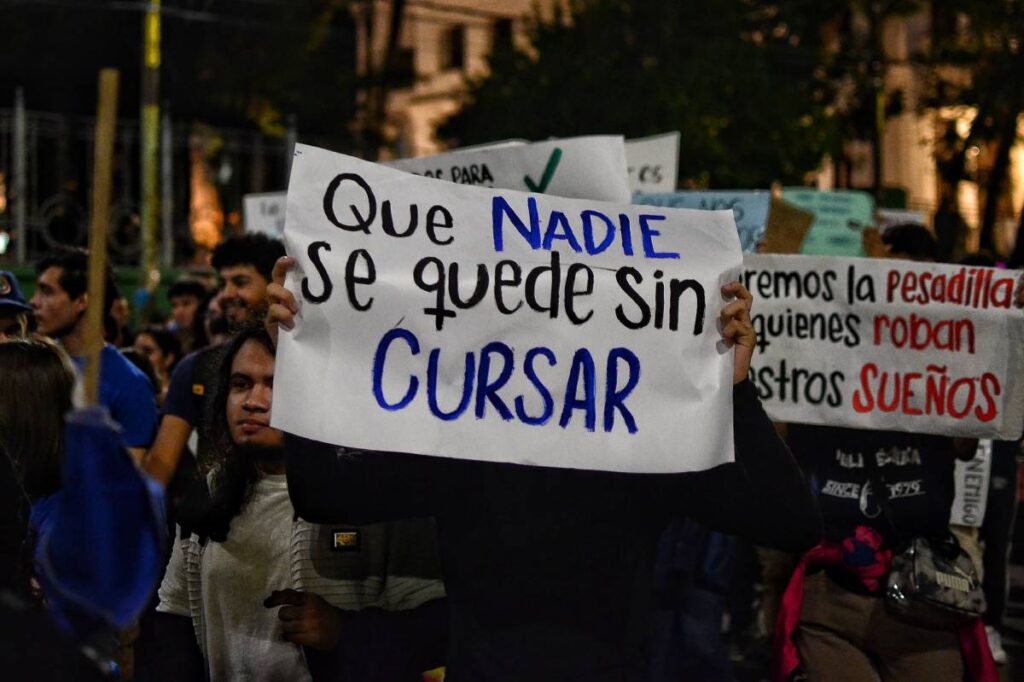
In April, students at the National University of Asunción (UNA) occupied several faculties as a form of protest following the enactment of the "Zero Hunger " Law. This law eliminated the National Fund for Public Investment and Development (Fonacide), which financed the Zero Tuition program, the National Health Fund, scientific research, and other public policies.
In June, after ten years, Paraguay once again hosted the General Assembly of the Organization of American States (OAS). Under the slogan “ OEA Kuñanguera roma'ê penderehe” (We women are watching), more than 40 women's organizations delivered a letter on June 19 to Foreign Minister Rubén Ramírez Lezcano, demanding public policies with a gender, racial, disability, and intersectional perspective, as well as territorial and environmental rights .
That same month, the UN recommended that Paraguay decriminalize abortion in all circumstances and guarantee safe, quality services for adolescents. It also called for legal recognition of gender identity for transgender children and adolescents, and for gender education to be made a mandatory part of the school curriculum. Both recommendations are crucial for a country where a child or adolescent is abused every three hours, and 95% of cases occur within the family, according to the Ministry of Children and Adolescents (Minna).
“There is a growing awareness of our own history: September 30th as National LGBTIQ+ Rights Day, September 16th as Lesbian Visibility Day, October 17th as National Day for the Recognition and Protection of the Human Rights of Trans People. Everything is progressing, except our State,” the researchers observe in The Pro-Life Performance .
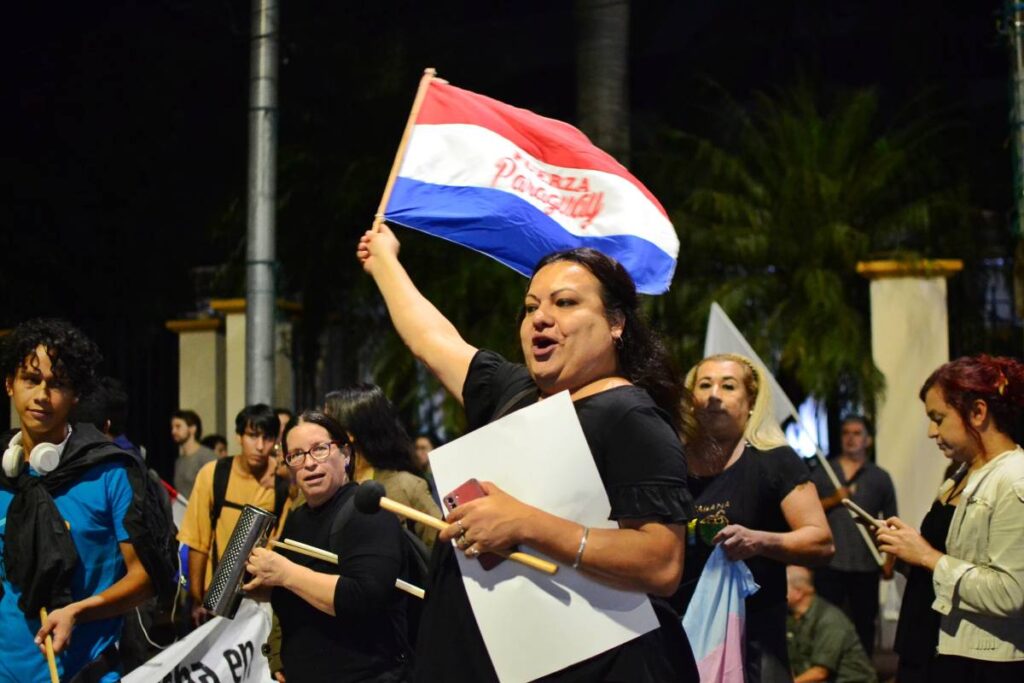
Despite the setback in public policies and the strengthening of the anti-rights lobby, social resistance persists: from feminist mobilizations to the 21st TLGBIQ+ March, excluded voices continue to demand a place in a country governed by conservative and corporate interests.
We are present
We are committed to journalism that delves into the territories and conducts thorough investigations, combined with new technologies and narrative formats. We want the protagonists, their stories, and their struggles to be present.
SUPPORT US

FOLLOW US
Related notes
We are present
This and other stories are not usually on the media agenda. Together we can bring them to light.