

El Salvador 2024: one of the worst years for LGBTI+ people
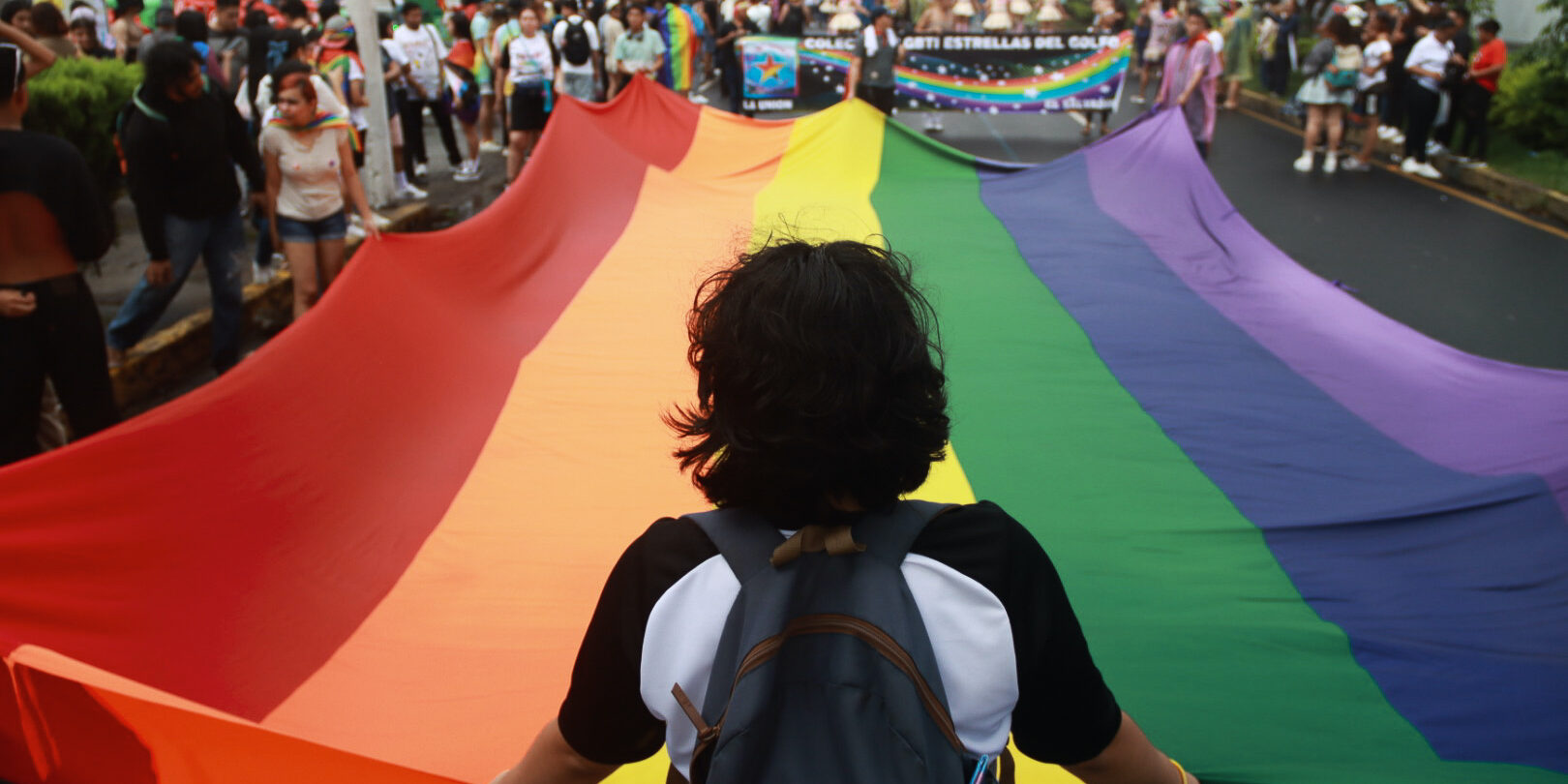
Pressure from conservative groups and hate speech led to a setback in rights for the LGBTI population this year, particularly in the areas of health and culture, organizations reported.


Share

SAN SALVADOR – Pressure from conservative groups and hate speech have led to a setback in rights for the LGBTI population this year, particularly in the areas of health and culture, organizations reported.
Sources consulted by Presentes maintained that the authorities implemented a series of measures contrary to the rights of diverse populations. These included access to healthcare without discrimination, censorship and closures of civic spaces, and even the exclusion of specific LGBTI questions from the population and housing census.
These actions add to others they were already facing, such as the lack of legislation for an identity law, arbitrary detentions within the framework of the state of emergency , the elimination of the Directorate of Diversity of the Secretariat of Social Inclusion and the offensive against the so-called “gender ideology” in schools.
“This year 2024 has been one of the worst years for the LGBTI+ community in El Salvador, because we have experienced a series of new setbacks that add to others that had already occurred in previous years, which have been promoted mainly by the unconstitutional government of Nayib Bukele,” Roberto Zapata of the Amate organization told Presentes.
Invisible
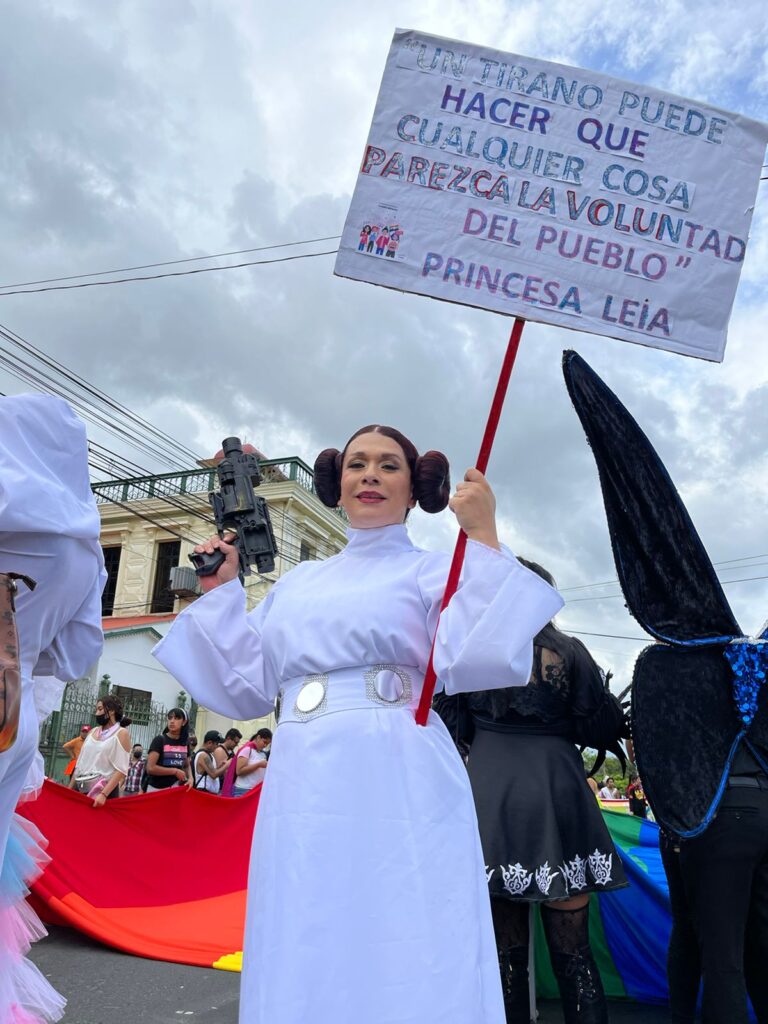
At the beginning of the year, health authorities removed specific questions about sexual orientation and gender identity from an official form. These questions had allowed for more accurate record-keeping regarding HIV and sexually transmitted infection (STI) testing for the LGBTI population. The purpose of removing these details was to conduct more precise epidemiological analyses.
“These setbacks have even occurred in sectors that I believe the vast majority of the LGBTI population considered to be spaces that had already been won and where there could be no going back,” Zapata added.
Bukele's anti-rights offensive began after his participation in the Conservative Political Action Conference (CPAC) organized by the far right in the United States, which was also attended by Argentine President Javier Milei and US President-elect Donald Trump.
After 17 years, a population and housing census was conducted in El Salvador. Since 2022, organizations have sought to engage with the relevant institutions to include questions about sexual orientation and gender identity in the census, with the goal of obtaining official data to gather key information for designing inclusive public policies; however, the dialogue has stalled.
“It has been a year of setbacks and discussions about how to protect the LGBTI population, and how to find spaces to continue meeting,” Gabriel Escobar, co-director of the Association Communicating and Training Trans Women in El Salvador (COMCAVIS TRANS), told Presentes.
State of Emergency and Violence
El Salvador has been under a state of emergency for more than 30 months, suspending some constitutional guarantees to combat the gangs that plagued the population. According to official statistics, authorities have arrested some 83,000 suspected gang members and collaborators, while another 8,000 remain free on bail.
The state of emergency has led to a reduction in the number of homicides and other crimes such as extortion and drug trafficking. Authorities have recorded 113 murders so far this year, compared to 154 deaths last year.
However, human rights organizations, including Amate, recorded a total of 6,426 victims of violations during the regime as of June 30, of which 137 were committed against people of diverse sexual orientations: 49 bisexuals, 36 gay men, 24 lesbians, 22 trans women, 4 trans men, among others.
The most frequently reported cases are arbitrary or illegal detentions, violations of due process, home raids, cruel, inhuman, or degrading treatment, threats, and enforced disappearances, with police officers and soldiers being the most frequently reported perpetrators. The organization Cristosal reports at least 265 deaths of people in state custody, including four children.
COMCAVIS TRANS informed Presentes that as of June it had recorded three homicides and two disappearances of the LGBTI population, however, they cannot obtain more accurate data due to the lack of access to information imposed by the government.
Closing of spaces
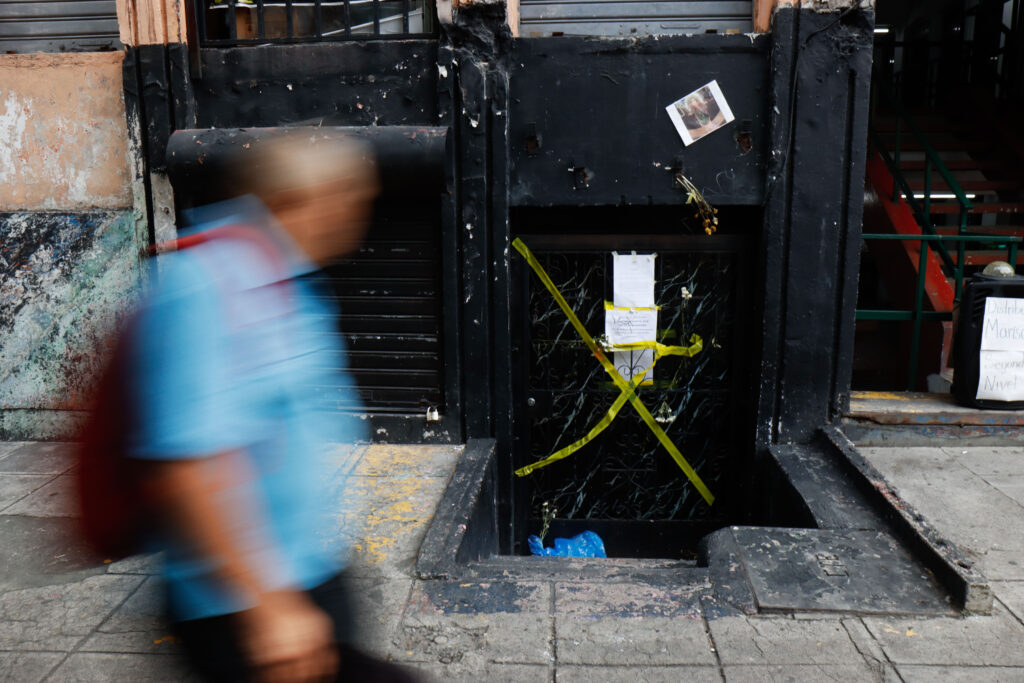
Located in the basement of a building in San Salvador's Historic Center, El Hoyo Bar has been a landmark for the LGBTQ+ community for over three decades. But in recent months, soldiers and police have begun regularly visiting the bar to check IDs and search patrons, witnesses and a former employee told Presentes.
Customers were taken outside and searched for a few minutes before being departed. These actions took place amidst a government-led urban renewal project in the capital, which aims to revitalize public spaces and promote investment in the area, which to date has totaled approximately $134 million.
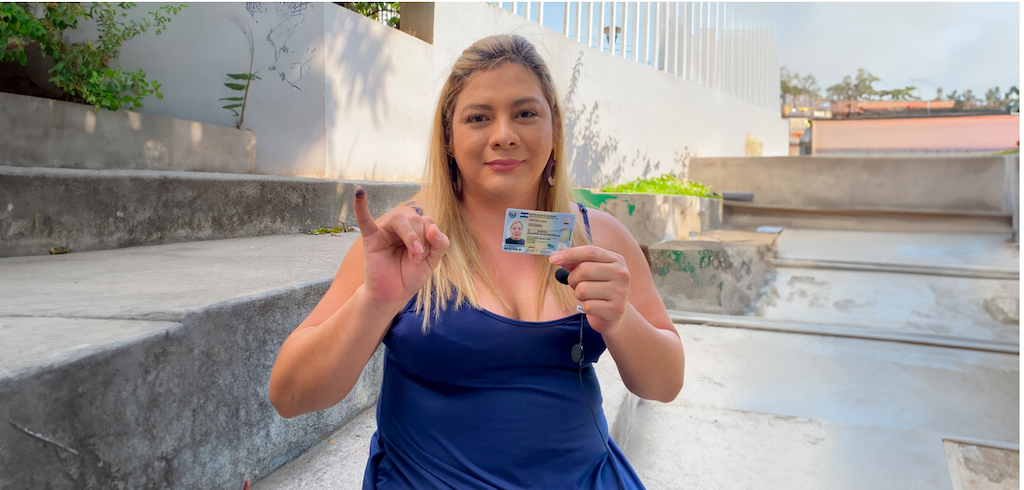
Finally, on November 27, a health department of the San Salvador mayor's office closed El Hoyo bar, sparking community protests. Other nearby establishments were also shut down, while complaints grow about the advance of gentrification in the area, where informal vendors and businesses have been displaced.
The urban redevelopment project in the area has affected several members of the LGBTQ+ community, as many have turned to informal commerce due to a lack of job opportunities. “Now, with gentrification, which has affected the entire population, trans people are in a much more vulnerable position in terms of their finances and livelihood,” said Escobar of COMCAVIS TRANS.
Furthermore, in the western department of Santa Ana, a public space where a community group met for training processes was closed as a result of the legitimization of hate speech by officials, under the assumption that they “spread gender ideology”.
Likewise, after receiving complaints on social media, mainly from religious groups, the government canceled in mid-June a performance of the play "Immoral" on the most important stage in the Central American country, promoted by the Natural Innovation Project of Revolutionary Artists (INARI), considered the first queer arts company.
On June 27, President Nayib Bukele himself reported on his X account that 300 employees of the Ministry of Culture were dismissed from the State portfolio because "they promote agendas that are not compatible with the vision of this Government."
“Anti-rights groups are increasingly gaining ground,” Zapata de Amate stated.
We are present
We are committed to journalism that delves into the territories and conducts thorough investigations, combined with new technologies and narrative formats. We want the protagonists, their stories, and their struggles to be present.
SUPPORT US

FOLLOW US
Related notes


We are present
This and other stories are not usually on the media agenda. Together we can bring them to light.