

Race of Kings: Long live the Drag King!
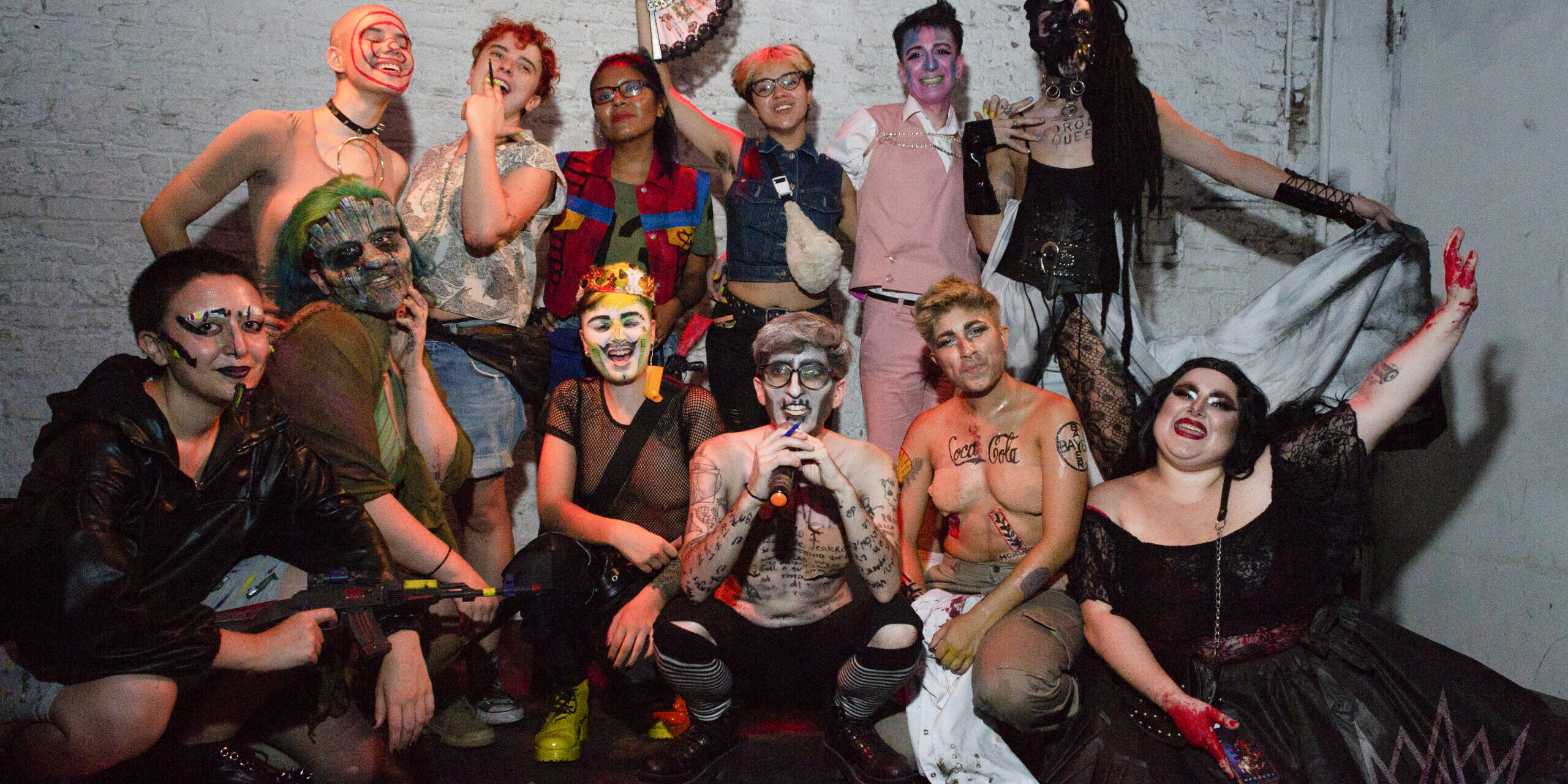
A new edition of Carrera de Reyes returns to the stage. An investigative process about drag identity.


Share

BUENOS AIRES, Argentina. “I understand drag as an artistic practice. And, as such, I understand it as an artistic investigation whose object of study is gender,” says Armando A. Bruno. For Feli Quispe, it has more to do with the expression, exploration, questioning, and investigation of gender and notions of identity: “Primarily, from the perspective of the 'masculine' gender, from roles, aesthetics, qualities, emotions, and sensations, through makeup, looks, and performance.”
Armando is a visual arts teacher, gender fluid, 30 years old, and a Drag King. He challenges traditional masculine gender codes to ask questions, “among many other things, about masculinity.” Drag King art starts from “masculinity” as a point of doubt, escape, and rethinking. Defining it can be complex because it will always leave aspects out, which is why Armando and his team/family propose instead to accompany, celebrate, experience, and be part of this discipline to see it constantly rewriting itself.
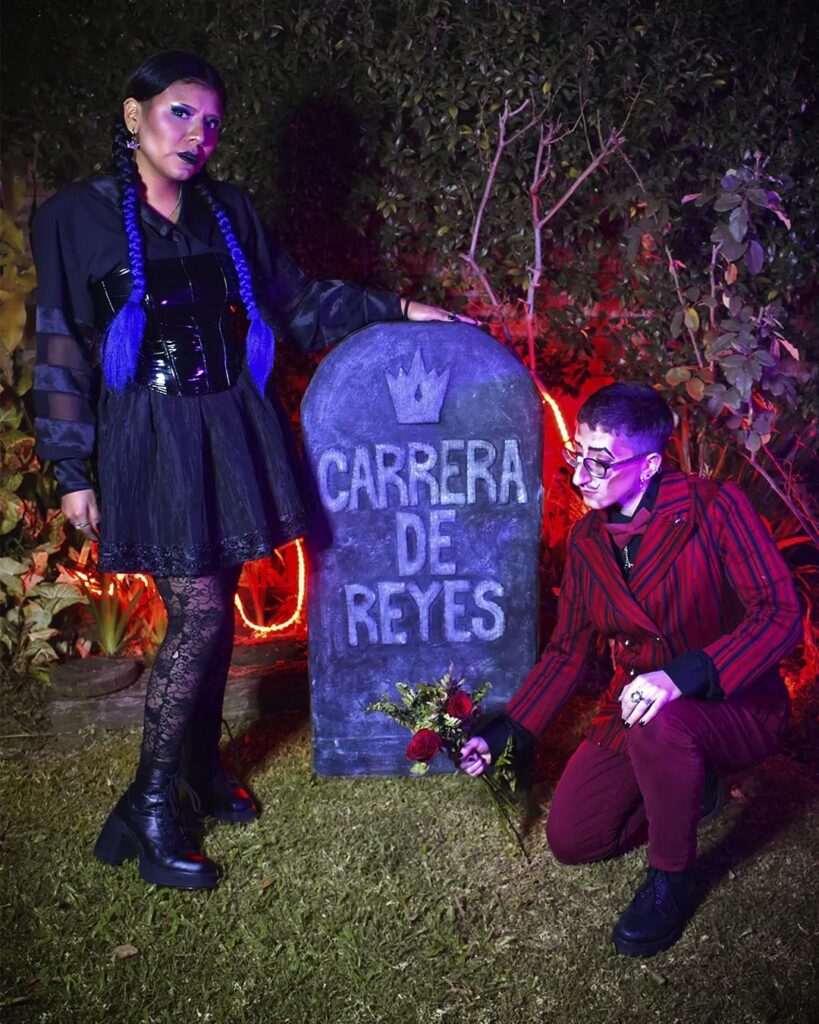
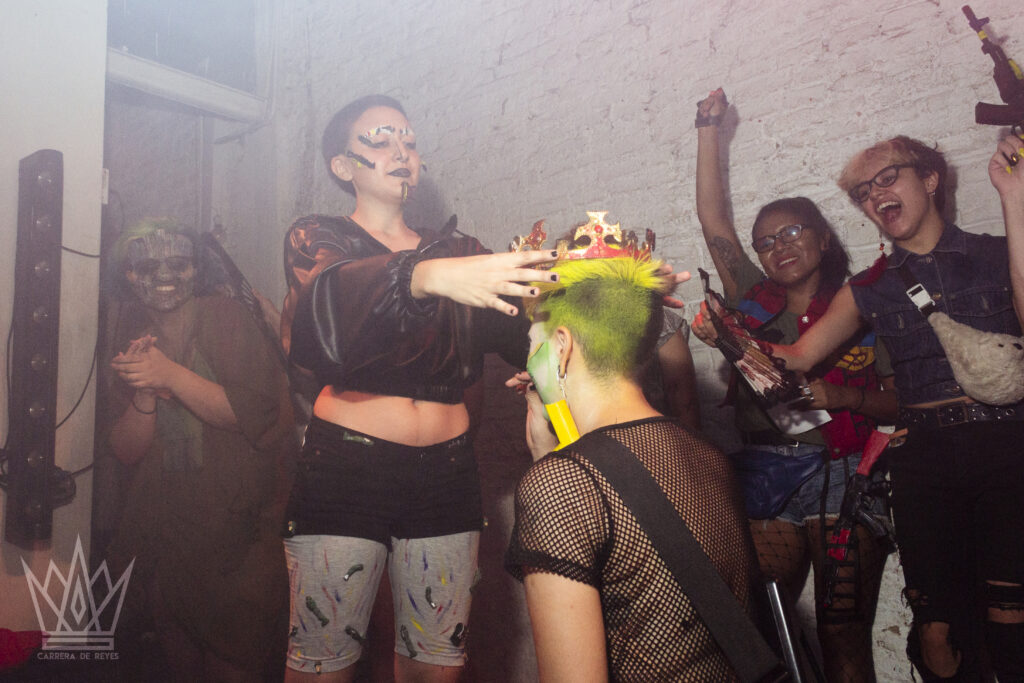
Feli Quispe is 30 years old, a queer lesbian, a clothing designer, and an entrepreneur at Qaos Queer . Together with Armando, she created “Carrera de Reyes” (Race of Kings) , a Drag King competition where participants must overcome various challenges “that call upon the creativity of the Kings who want to take the crown of the night.” And although they decided to discontinue the format in 2022, it returns this November 16th to shout, “Long live the king!”
Drag art and identity
In addition to the show format, the recently added Andrés Knight are part of House of Knights (HoK), their drag family. “Being a Drag King is about putting into practice everything you’ve learned and understood about gender and how you connect with your body, your clothes, your speech, your walk, and others,” adds the Knights founder. Andrés is 29 years old, transmasculine, and works in cultural management.
“The drag process and exploration also led me to ask myself questions about my queer identity, to explore different facets of myself that I hadn't revealed until then. These are questions that remain unanswered, or are answered only at times; they mutate, flow, and new ones emerge,” Feli shares.
In that sense, Carrera de Reyes is an event that invites collective reflection. It's an event produced and managed entirely by drag performers, celebrating local drag art.
In search of visibility
“If you know the names of all the RuPaul’s Drag Queens , but can’t name at least ten local drag artists, you’re a RuPaul’s Drag Race fan, not a fan of drag art,” tweeted South Korean-American drag artist Kim Chi . And while it’s perhaps more difficult for drag queens who present a style that revolves around femininity, it’s much harder for drag kings to find spaces for visibility.
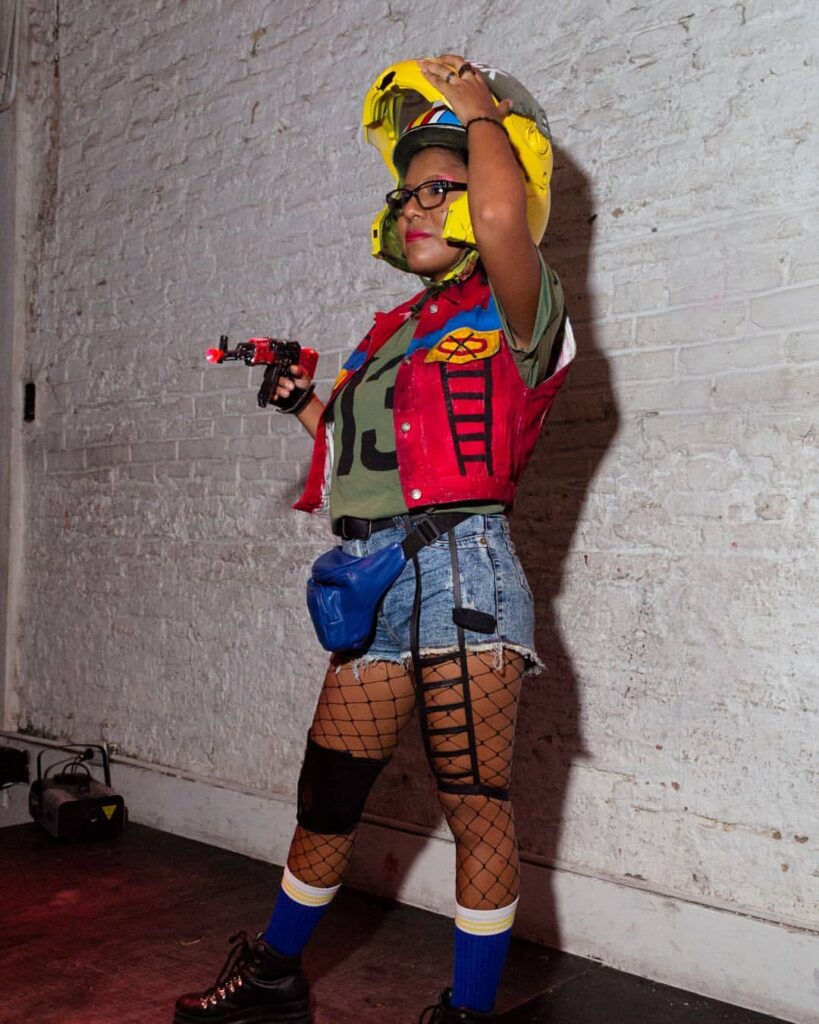
“Both locally and globally, I think we’re seeing increasing openness towards the visibility of drag kings. Although they’re still often the exception in many spaces,” Quispe explains. That’s why Carrera de Reyes not only brings together established Kings but also serves “to encourage those who want to start exploring this art.” HoK also offers workshops to foster interaction among peers and create a space for experimentation and artistic growth.
But…what does it take to start being a Drag King? “I’d tell them you don’t need to get on a stage or take photos,” Andrés explains. This recommendation echoes what the rest of his family says: this proposal of research, exploration, questioning, and growth. The importance of approaching it as a personal process to share with whomever you want, without the need to expose yourself or measure social media approval. “I’d tell them to take the first step,” he says, convinced that there’s a House of Knights waiting to welcome them, and he reinforces this by inviting them to “meet their local drag queens” to expand their connections, inspirations, and shared experiences.
The different ways of being a drag queen
“There’s no single way to do drag,” Armando explains. This premise allows individuality to be celebrated, not censored. “This is a process. Drag, like any exercise, takes practice. Keep a log of your ideas. Dream big and repeat: This is a process,” says this performer and guide. The lives of Armando, Feli, and Andrés have changed a lot since they began their journey in drag art. “I was able to return to the stage without suffering in the process, reconnect with curiosities crushed by expectations, and rediscover myself in the play and creation with others for the sole purpose of sharing,” says Andrés.
Feli comes from the world of clothing design, and this experience allowed her to explore new horizons, especially in aesthetics, materials, and new creative processes for design and production. “It also pushed me to step outside my comfort zone, encouraging me to venture into other disciplines, such as stagecraft and performance art, which was completely foreign to me,” she says.
“This art can be political”
What is the political role of drag art in a world that seems to be veering to the right? During 2023 and this year, several US states and Mexican sought to ban drag performances in public spaces or where children might be present, accusing them of being immoral. Several presidential elections have seen candidates come to power with anti-rights rhetoric, and it is in this context that drag becomes a channel, “a tool or platform for thinking about and expressing oneself politically, in different ways, and doing so with others.”
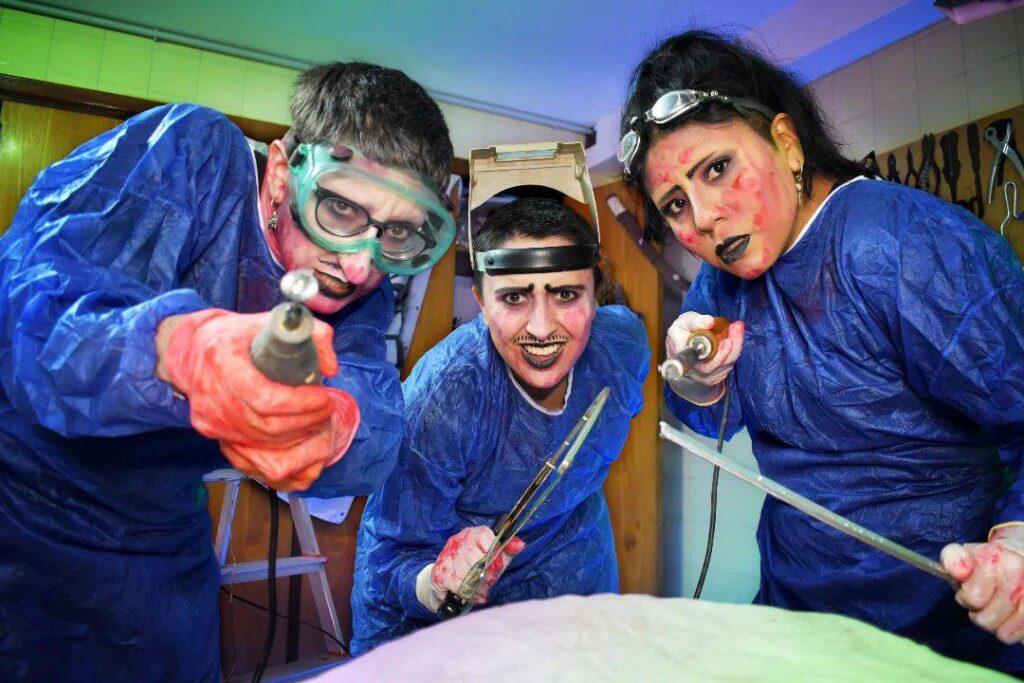
“This art can be political. You see that in the artist and what they want to do through their expression as drag,” Andrés adds. And you only have to see HoK on stages like Carrera de Reyes or in the streets at various protests, embodying the urgent cries. From the “truques”—those looks they create to wear, often full of slogans—to the content they share every time they take the stage.
“Drag is an art form that questions genders, roles, expectations, and social constructs. It also makes queer identities visible and celebrates them, but I believe it's up to each artist to add another layer to their personal political expression, generating questions, making comments, expressing opinions, and raising awareness about other issues such as racism, classism, economic and environmental crises,” says Feli, and with each word, she helps to find the coordinates so that anyone who wants to explore this art can find tools and freedom.
The return of art
In contexts where diverse and dissenting voices face increasingly limited access to spaces of representation, the Drag King art form experiences a need to find more role models, venues, and networks. That's why House of Knights and Carrera de Reyes seek not only to showcase but also to unite and expand: “I want my legacy to be having left many Drag Kings wherever I go. That's also why we chose to return with Carrera, to create a fun and entertaining stage that invites those who want to connect with the public through the practice of Drag King.”
The Race returns this November 16th. As always, it will be a place to enjoy this art form and also a place to find new questions, conversations, and friendships to continue creating spaces where art is action and pride.
Saturday, November 16th at El Tano Cabrón, Jean Jaurés 715, CABA.
We are present
We are committed to journalism that delves into the territories and conducts thorough investigations, combined with new technologies and narrative formats. We want the protagonists, their stories, and their struggles to be present.
SUPPORT US

FOLLOW US
Related notes



We are present
This and other stories are not usually on the media agenda. Together we can bring them to light.