

Photos and report from Jujuy: “What a moment: despite everything, we held the meeting for them”
The massive march that traveled through the streets of San Salvador de Jujuy expressed resistance to the far-right model embodied by President Javier Milei.


Share

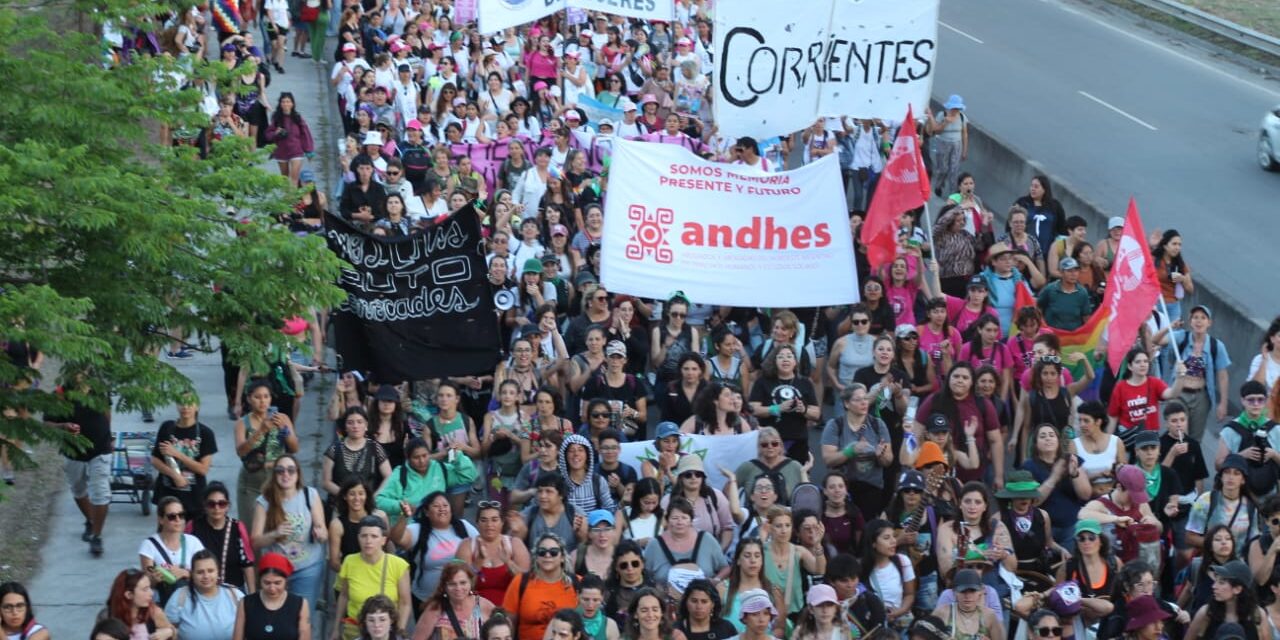
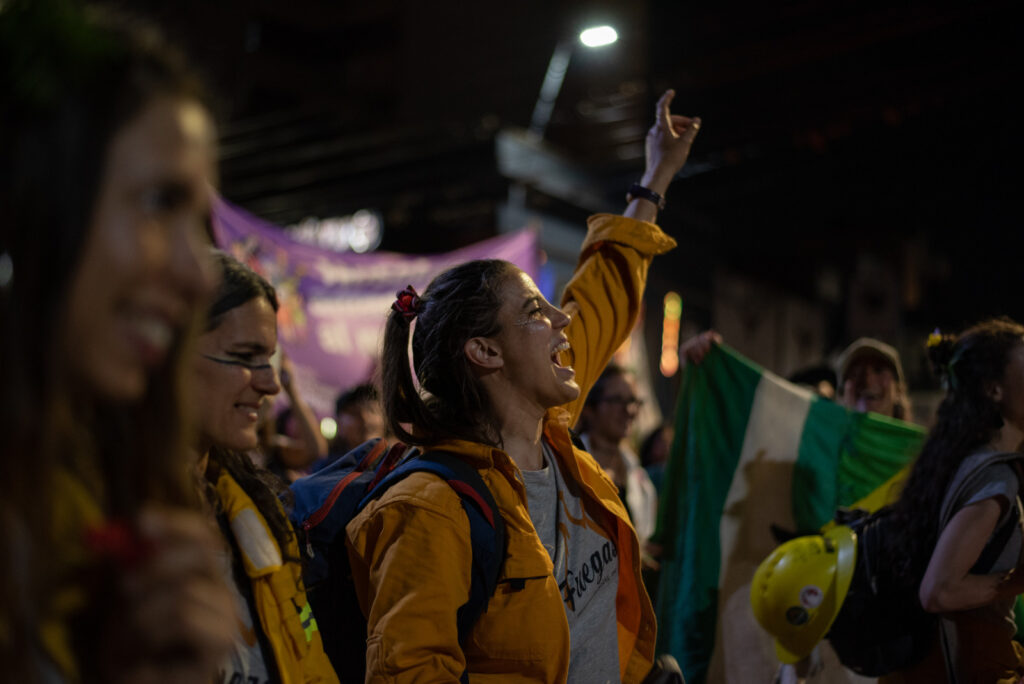
(From San Salvador de Jujuy, special correspondent). The 37th Plurinational Gathering of Women and Dissidents finally took place in Jujuy with an estimated participation of over 80,000 people . Its realization, in times of brutal suppression of freedom, was cause for celebration in a gathering overflowing with emotion: from pain to the warmth of empathy, from the joy of reuniting to the happiness of sharing a struggle. The essence of the event was powerfully sung during the closing march: “What a moment, what a moment, despite everything, we made the Gathering happen .
The song reflects the difficulties that the organizers of the self-managed gathering and the participants themselves had to overcome, with an economic crisis taking its toll. Many were left behind, having to withdraw due to a lack of resources to cover the costs.
On Sunday morning, at the closing of the Meeting, the province of Corrientes was unanimously chosen to host next year's meeting.
The march through San Salvador de Jujuy
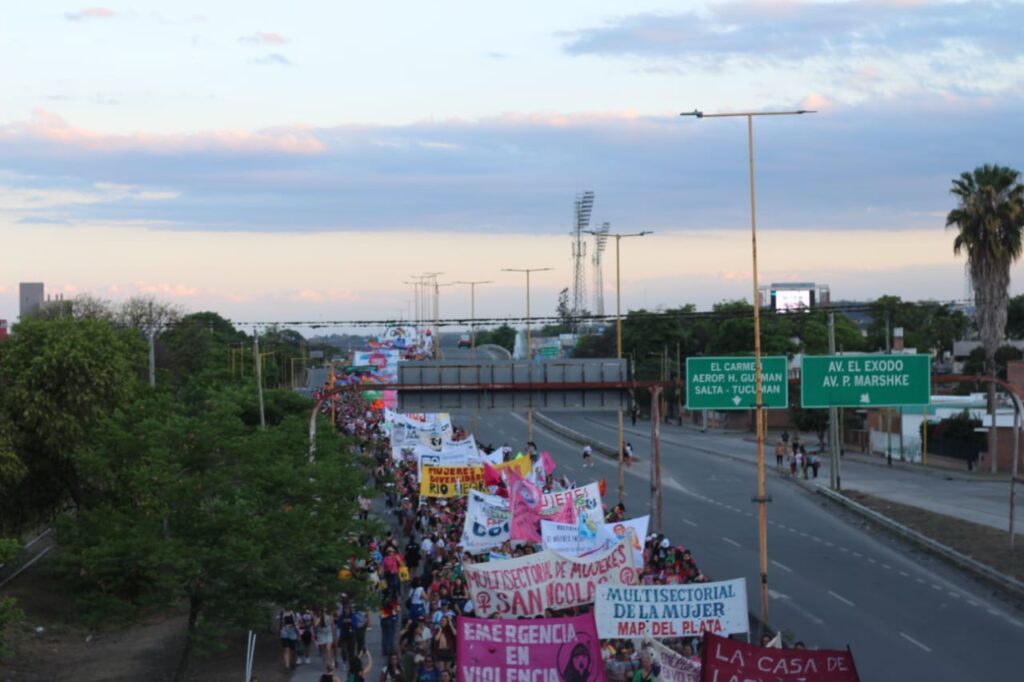
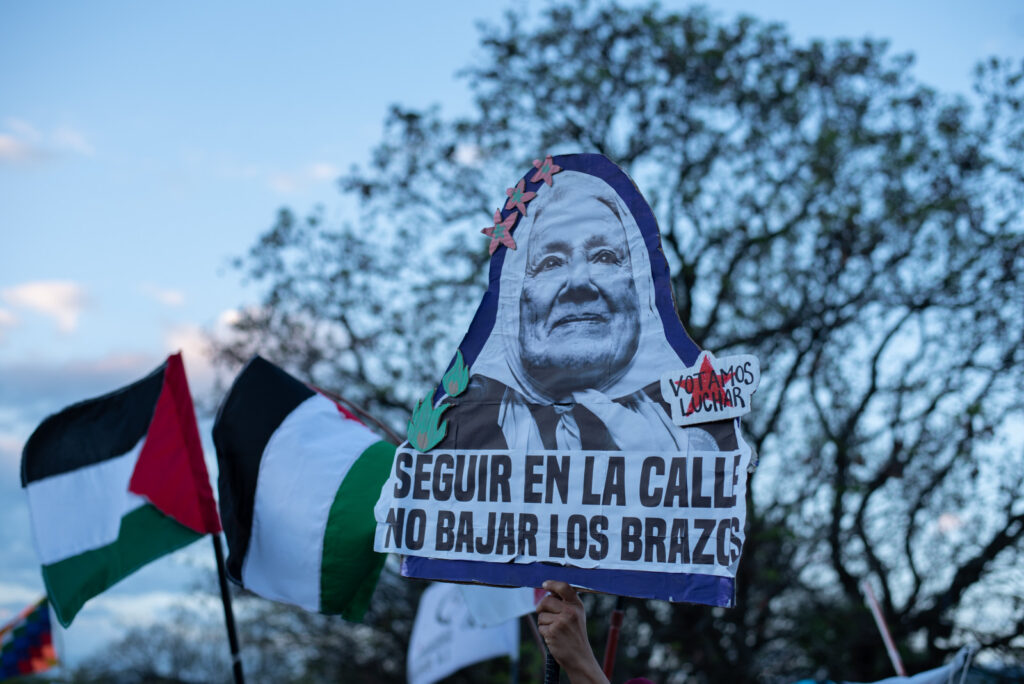
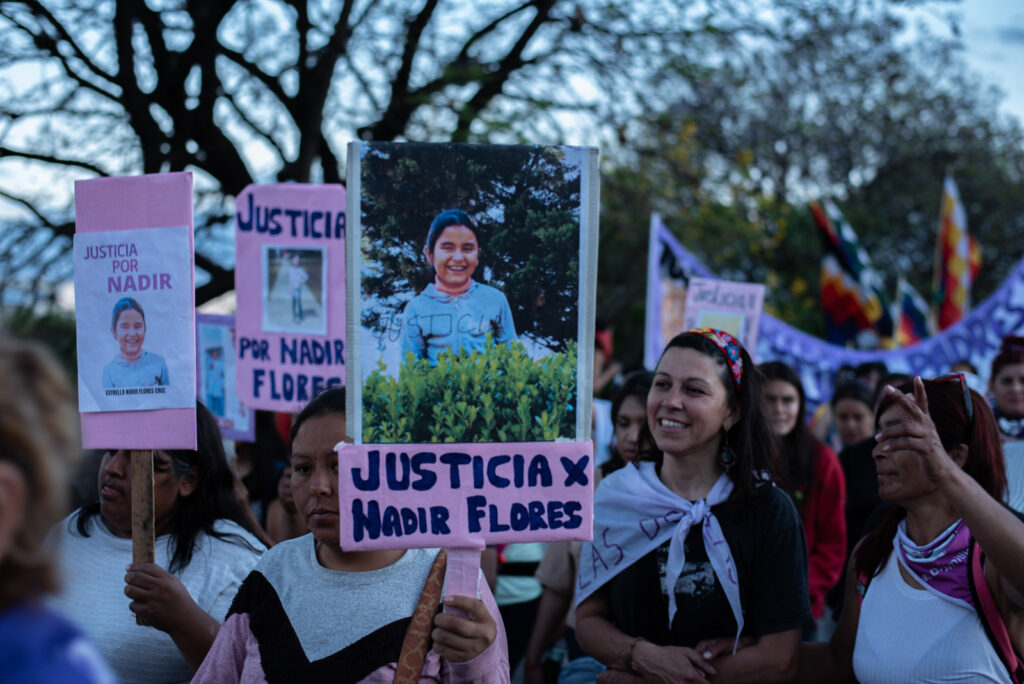
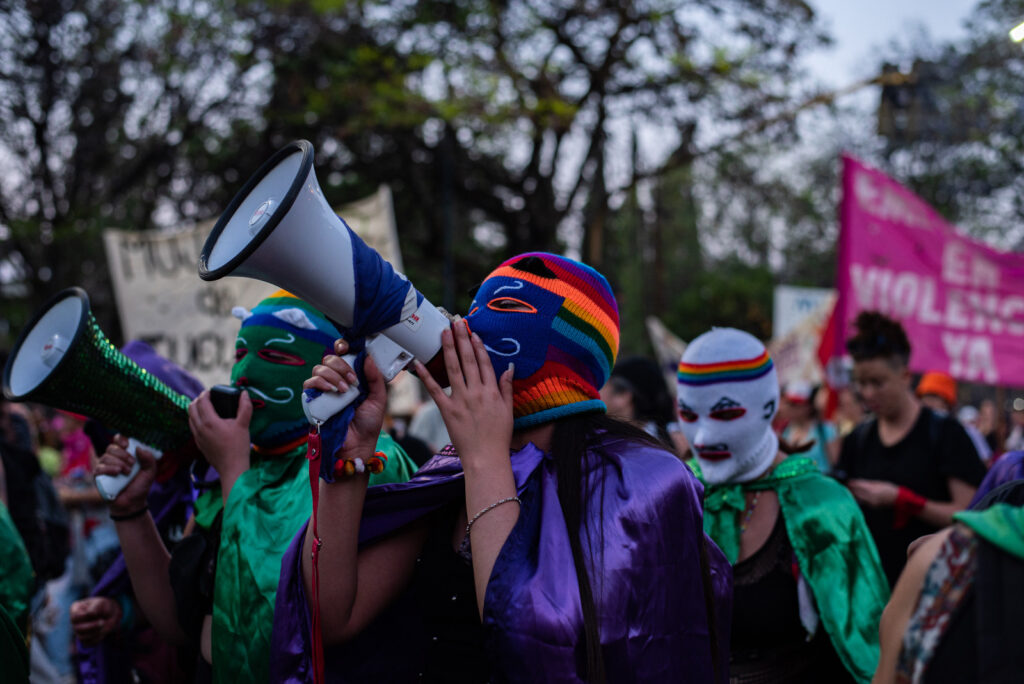
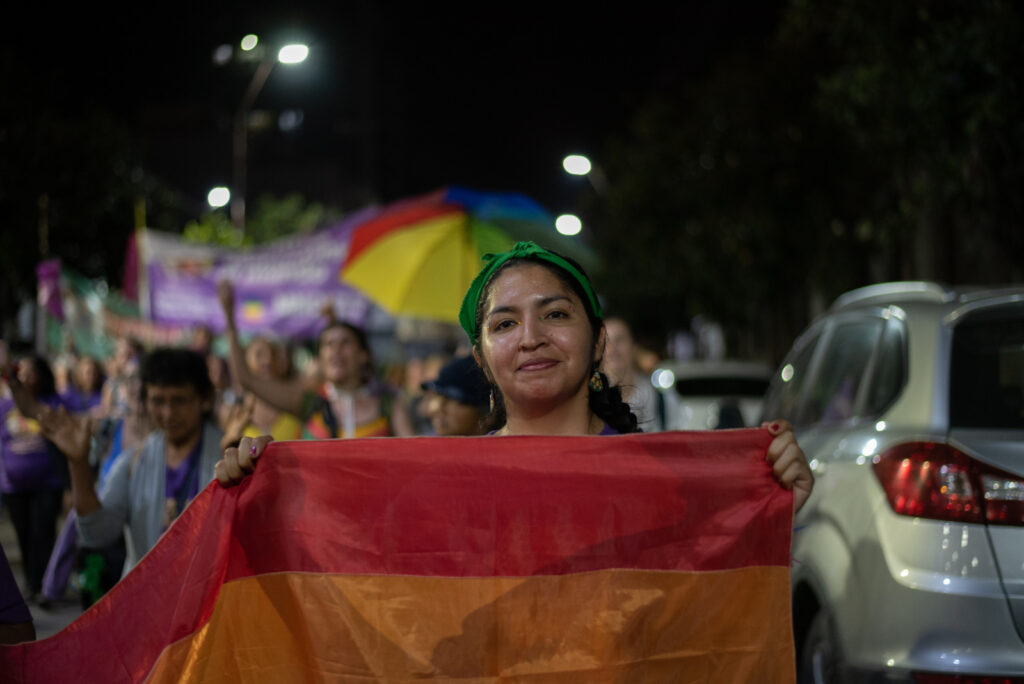
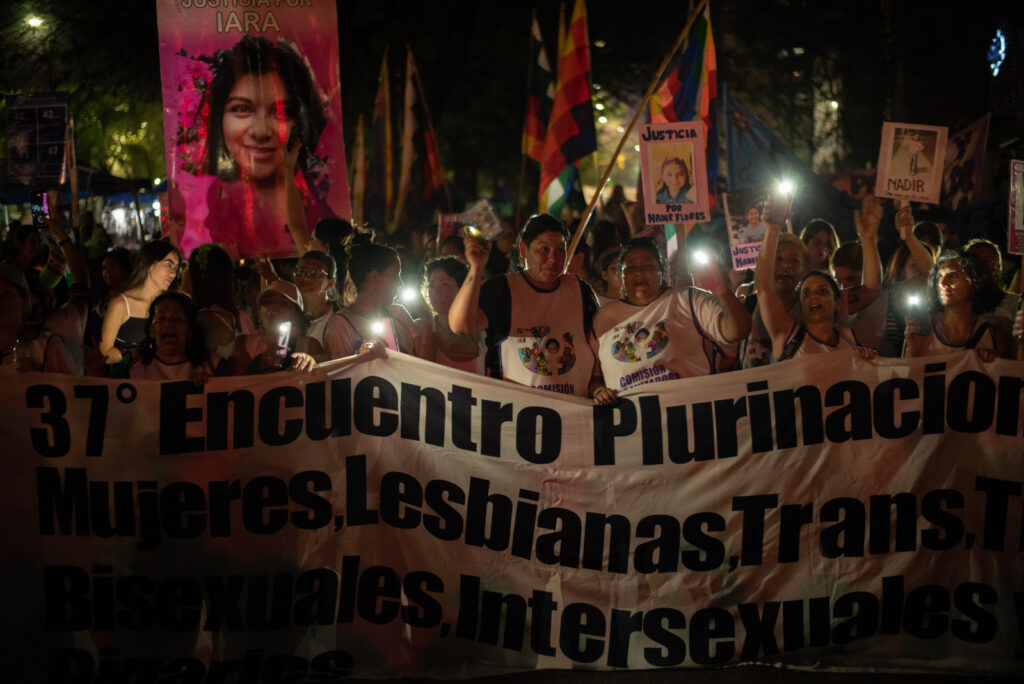
The massive march that wound through the streets of San Salvador de Jujuy expressed resistance to the far-right model embodied by President Javier Milei. The marchers demonstrated in defense of public universities and rejected austerity policies that curtail rights, such as the layoffs of state workers. They also showed support for Indigenous communities resisting the expansion of lithium mining in areas of significant environmental impact, such as the Salinas Grandes salt flats and the Guayatayoc Lagoon. Furthermore, they denounced the ongoing violence against women and gender minorities , most notably femicides and transfemicides. Shortly before the march began, news broke of another femicide in Jujuy: a 65-year-old woman was murdered by her ex-partner.
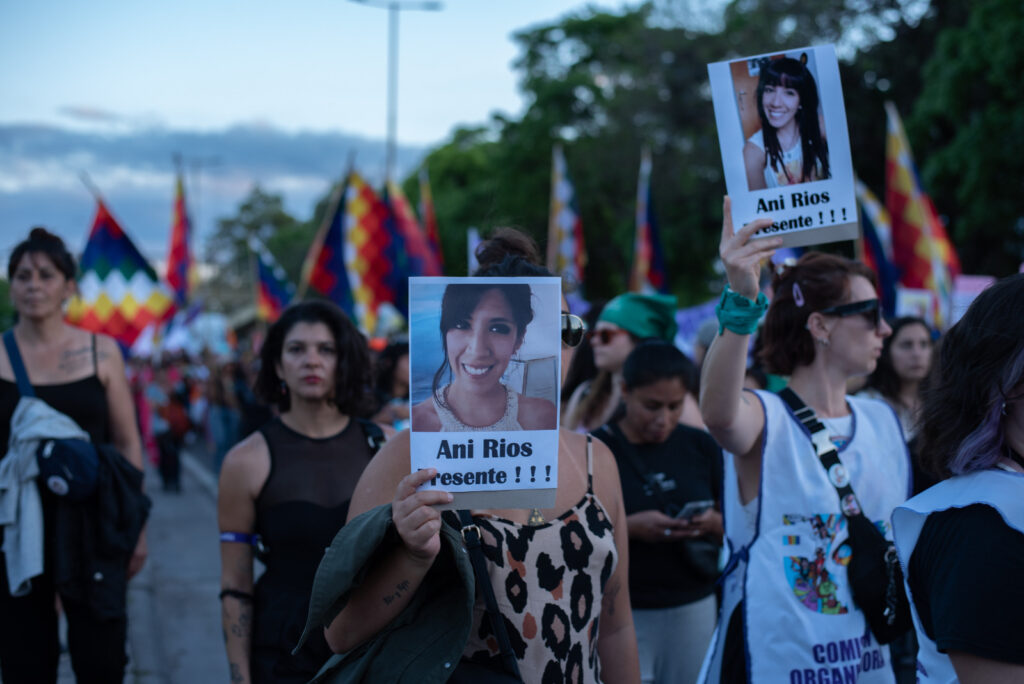
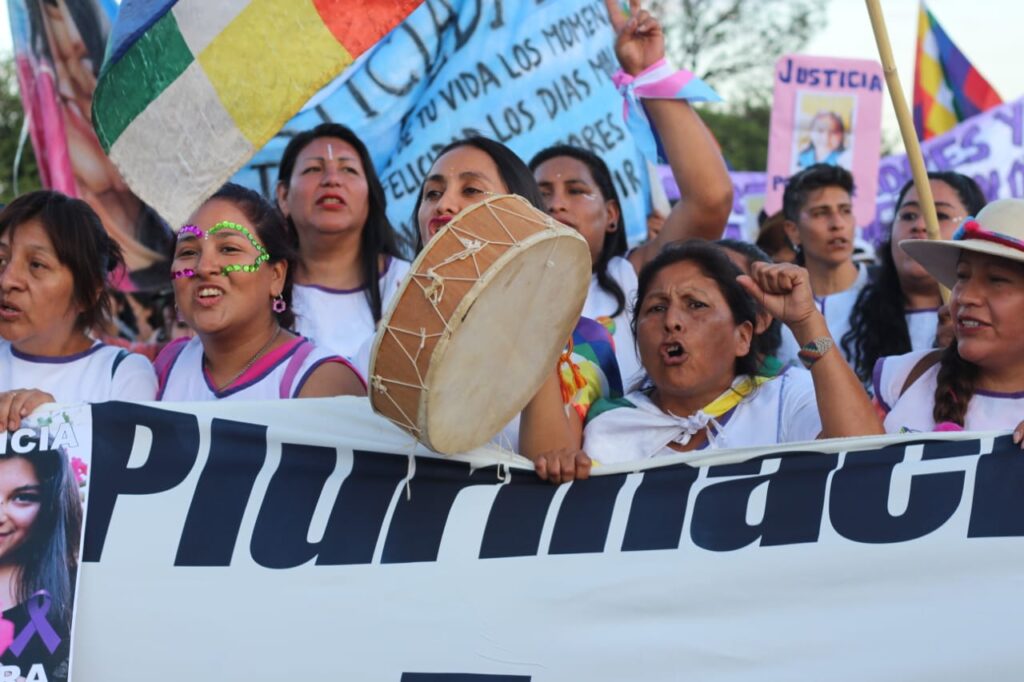
The march also included other chants and banners directed at the president, the most striking of which was a dazzling light blue sign that read: “The homeland is not for sale,” followed by one that reminded the crowd: “There is no peace without bread and work. Let's fight to make them leave.”
The march of the #37PlurinationalMeeting of Women and Diversities is underway through the streets of San Salvador de Jujuy. What a cost, what a value! We will no longer be silent! pic.twitter.com/2jSDWxpXVF
— Presentes Agency (@PresentesLatam) October 12, 2024
As is typical at each gathering, the march drew the attention of onlookers watching from doorways and windows. Some celebrated the passage of the women and the festive dissidents, while others expressed their displeasure. “Sir, Madam, don’t be indifferent, they’re killing us in the streets/ Sir, Madam, don’t be indifferent, they’re mutilating children right in front of everyone,” the marchers chanted.
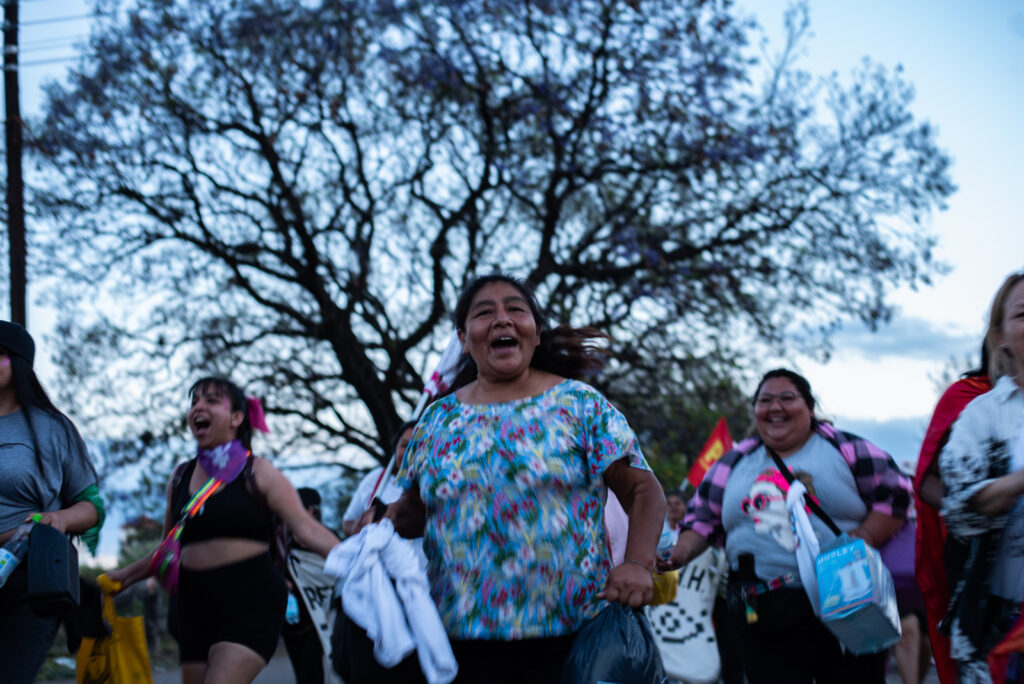
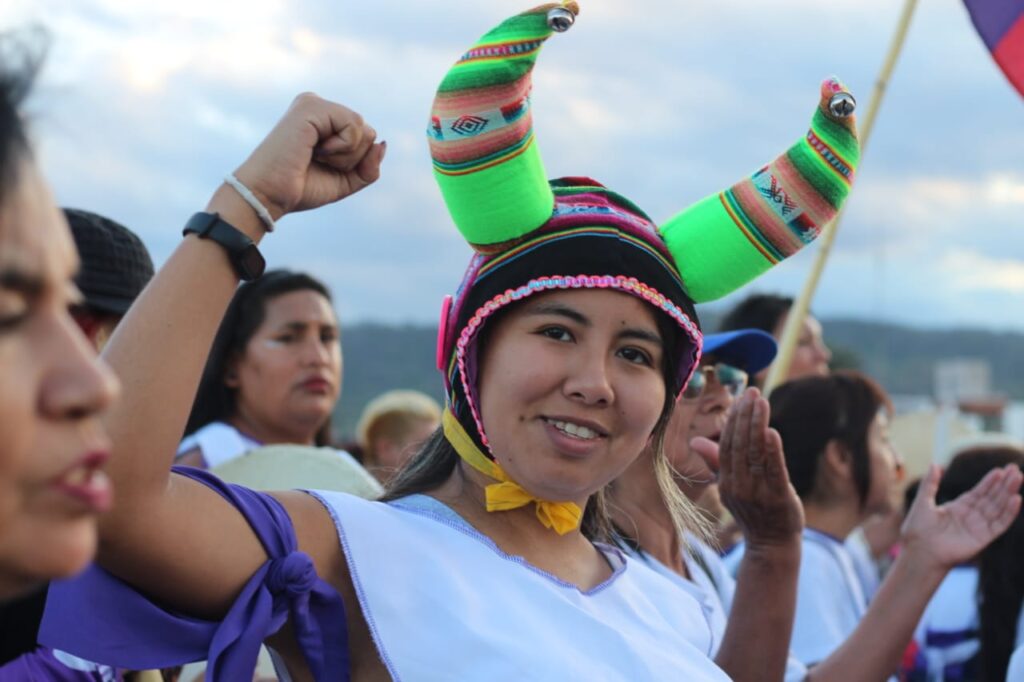
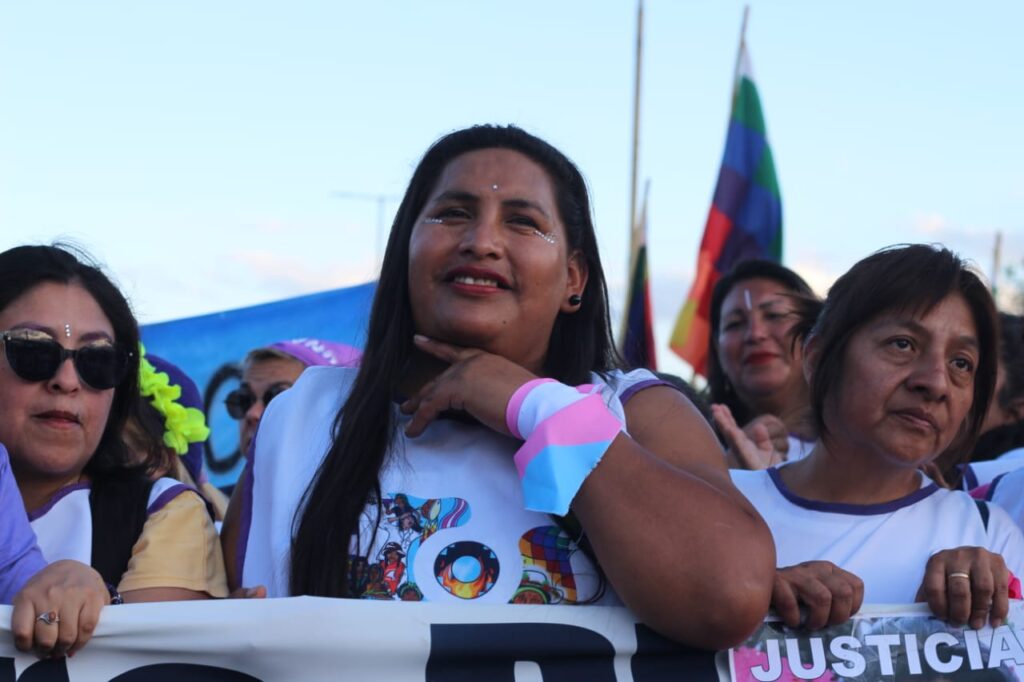
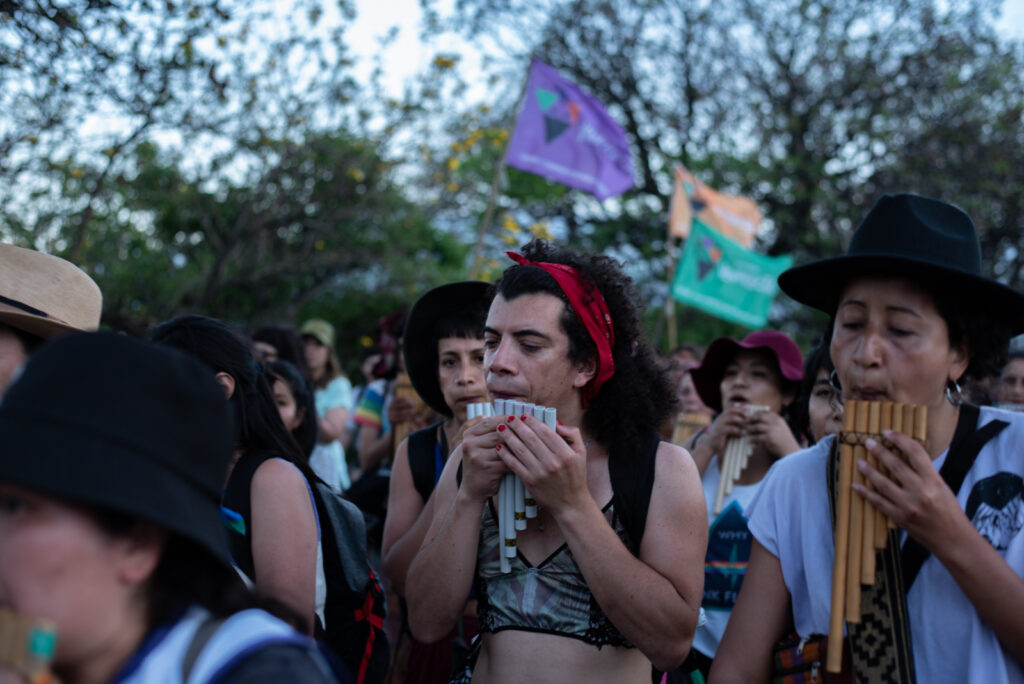
On the day commemorating the arrival of the Spanish invasion to the continent , and in the land of indigenous peoples, signs in Quechua stood out. And groups of marchers with Andean instruments like the sikus. The most celebrated were the copla singers with their drums: “Let’s party, let’s party, what will they say about me tomorrow, let them say what they want, I don’t care.”
The long procession walked for over an hour, always alongside the Xibi Xibi River, from Arias Park to the city center where the stage was set up. It was the festive closing of two long days in which the heart of the gathering—the workshops for reflection and exchange on various issues affecting social and political life—produced their conclusions for the final document.
More than 100 workshops
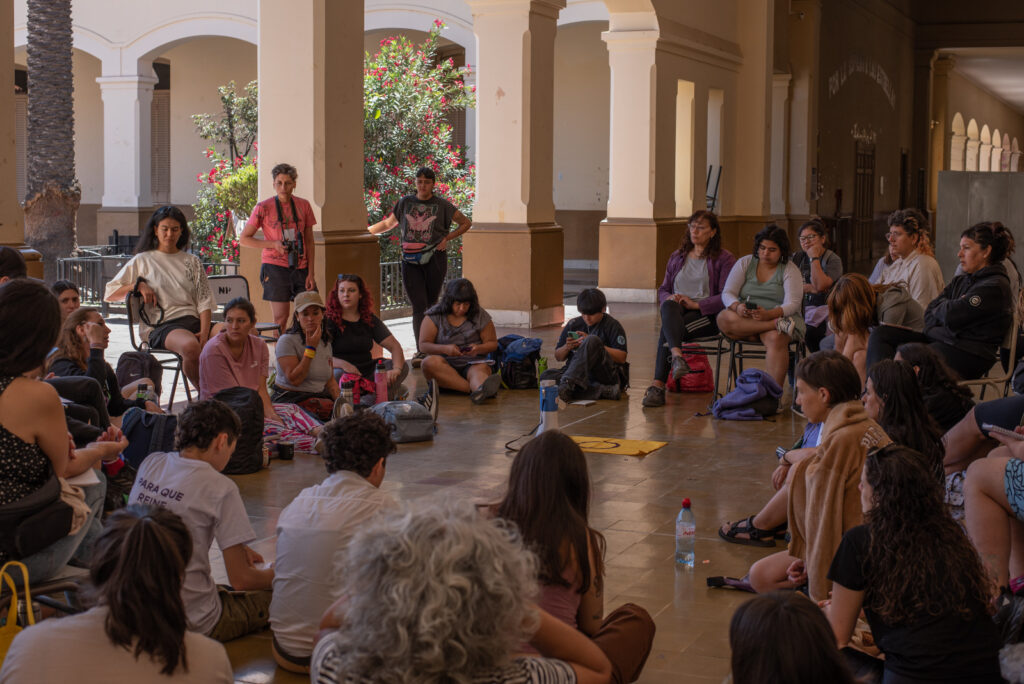
One hundred and three workshops covering 16 discussion and working topics were held at various locations in the city of San Salvador de Jujuy, including facilities of the National University of Jujuy, schools, and other spaces designated for exchange. Amidst the attacks on public universities by the La Libertad Avanza government, in some cases, such as the Faculty of Humanities, workshop facilitators shared the space with students participating in occupations.
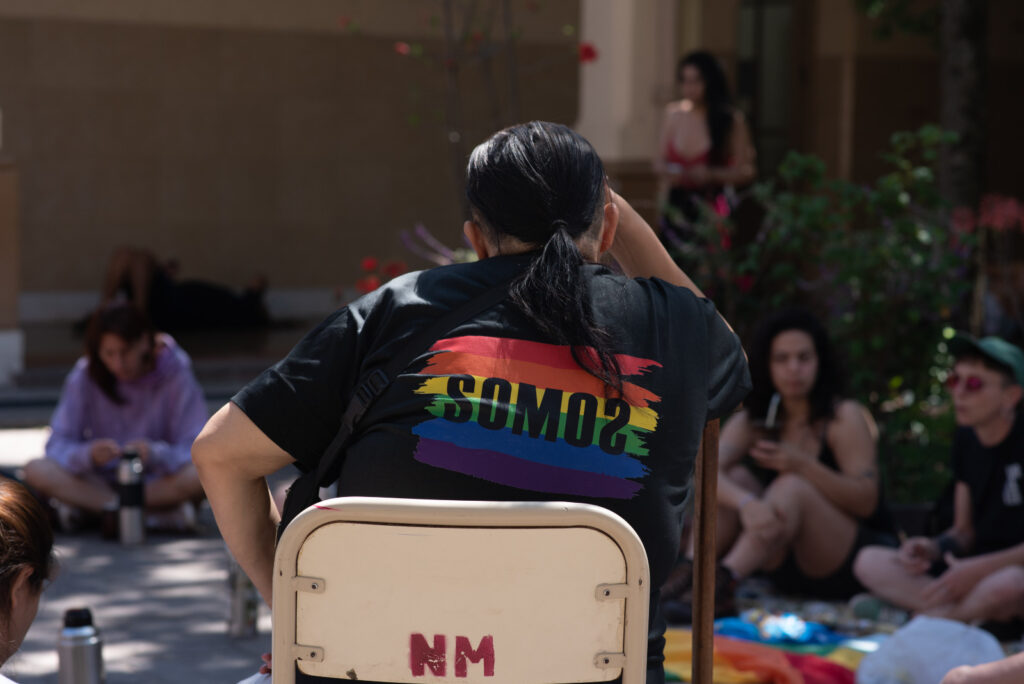
The workshop topics covered a wide spectrum, including a review of the history of the meetings, the tensions that run through them, women's movements, dissidence, feminisms and transfeminisms; activism; indigenous peoples; gender identities; sex-affective relationships; defense of health; unemployment; education; gender violence and diversity; human trafficking; human rights, geopolitical and economic situation.
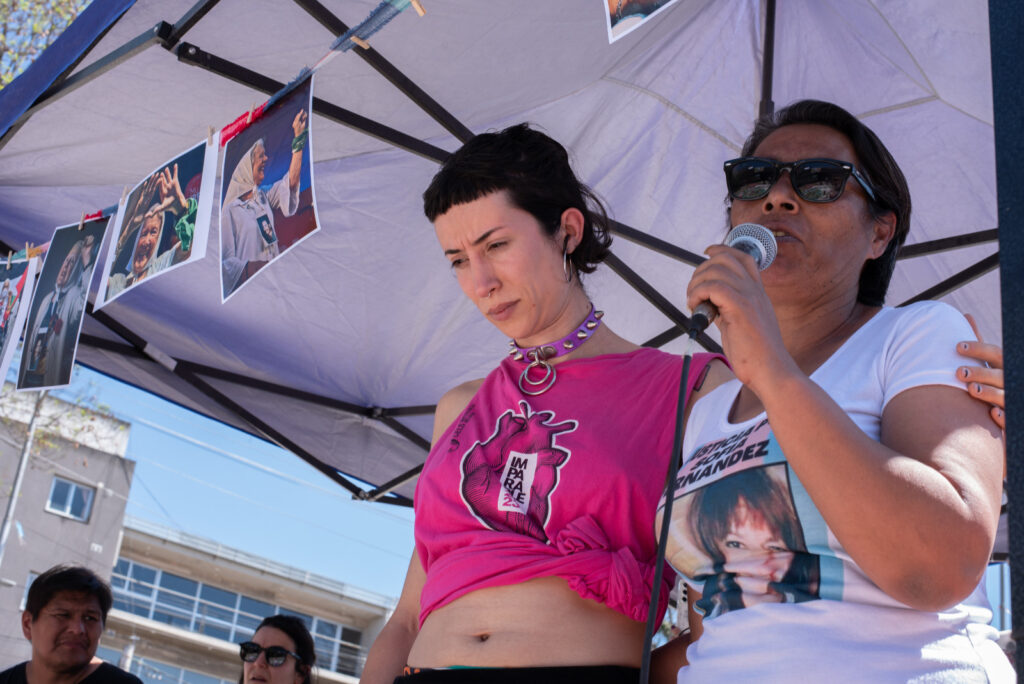
The theme of Human Trafficking and Prostitution Systems was perhaps one of the most talked-about at the meeting. Tensions arose on the very first day, which were resolved with a proposal to combine these topics into a single workshop at the next meeting, and to organize a march to raise awareness of human trafficking.
“I didn’t choose for them to take my body, I didn’t choose for them to take my life, I didn’t choose for them to ruin my life,” said a Bolivian woman who arrived in the country kidnapped by a trafficking network. Speaking on behalf of herself and other victims, she pointed out that the state forgets about those who have suffered this crime. “We are all forgotten,” she lamented before proposing that alternatives be considered “so that we victims can also reintegrate into society.”
A social worker from Neuquén highlighted the increasing number of human trafficking cases for sexual exploitation linked to drug trafficking and street-level drug dealing in her province. She added that Neuquén and neighboring Río Negro are "trafficking routes due to the oil industry."
A participant from Salta added that something similar is happening in her province and in Jujuy, associated with lithium mining.
A member of the LGBT+ collective, who came from Buenos Aires and described herself as a "survivor of the post-dictatorship," recalled the persecution they suffered at the hands of the police, along with the late Lohana Berkins. "We paid the price," she said. And she demanded: "Let's move from the feminism of Recoleta to the feminism of the streets."
A market logic
A few classrooms away, in the Faculty of Economics, the discussion centered on "Systems that Promote Prostitution." Many speakers emphasized the close link between a lack of economic opportunities and prostitution. One participant pointed out that "nothing exists outside the market." The "violent, patriarchal, and racist" system is ultimately behind it all, in which clients who consume prostitution "pay for inequality," not for women, someone added. "We need to raise awareness among everyone, across all masculinities," another added.
The increasingly widespread use of virtual platforms among teenagers and young adults was also a topic of discussion. “What can be done to prevent the romanticization and legalization of platforms like OnlyFans?” one participant asked. The answer was more sex education. Another called for “breaking the taboo that prostitution is desirable.” Among the many contributions, one participant suggested valuing the work of community outreach workers, a program supported by some states but primarily implemented through social organizations.
Regarding human trafficking, participants requested that a job quota be established for victims of trafficking and that their voices be heard. Participants from Salta asked that the conclusions include a reference to the "soybean route"—and the "trafficking route," as Provincial Route 5, used by trucks carrying soybeans, is known locally—and also to the upcoming opening of the Northern Capricorn Bi-Oceanic Corridor, which crosses the Salta Chaco region in an area with a predominantly Indigenous population and where there is already an alert regarding the increase in human trafficking. A march against human trafficking was also proposed at this workshop.
The meeting also included workshops with a different focus: sex work as an area that requires rights and protections. Diana Ortiz, a member of the AMMAR union, which brings together sex workers in Argentina, reflected on the first day about their organization as workers: “People are now listening to us firsthand. We earn our living by the sweat of our brow.”
Know in order to defend
The Politics workshop reflected, among other issues, on the participation of women and dissidents in politics and highlighted the need to reform the women's quota law, and to consider a quota for the LGBT collective, a 33, 33, 33.
The workshop on anti-imperialism, solidarity, and Latin American integration focused heavily on defending public universities, while also emphasizing the need to transform these institutions to incorporate Latin American thought. The phrase that encapsulated the workshop was "to know in order to defend." Melani, a student from Buenos Aires, explained this, referring to the general lack of knowledge about Latin American realities. Another student expanded on it: " To know in order to defend, to know in order to love, because we cannot defend what we do not love ."
Melani raised the need to revise the curricula of some universities to include authors from the continent. “Give me a Latin American author who addresses the same topics but with a different perspective.” To understand their own perspective, she asked, before questioning why “we always look at the political and economic systems of Europe or the US, but they don't work for us,” because they were designed for different realities.
“It’s good to be able to consider not only the defense, but also the transformation of this university,” added another student, Mina, from Entre Ríos. She said this would allow for a discussion about Argentina and Latin America, and warned about the advance of de-Malvinization. “Argentina doesn’t end in Tierra del Fuego,” she reminded everyone. She also asked people to consider “whether these universities we defend are preparing students to be sovereign, because some universities are deeply Eurocentric.” Carla, from Catamarca, who focused on the presence of large corporations in her province attracted by lithium, proposed the formation of support networks “in the face of current political and police persecution.”
In the workshop on Migration, which reviewed the rights-violating policies carried out by the government of Javier Milei, it was proposed that "the migrant's perspective" be incorporated into "all organizations".
Territories and extractivism
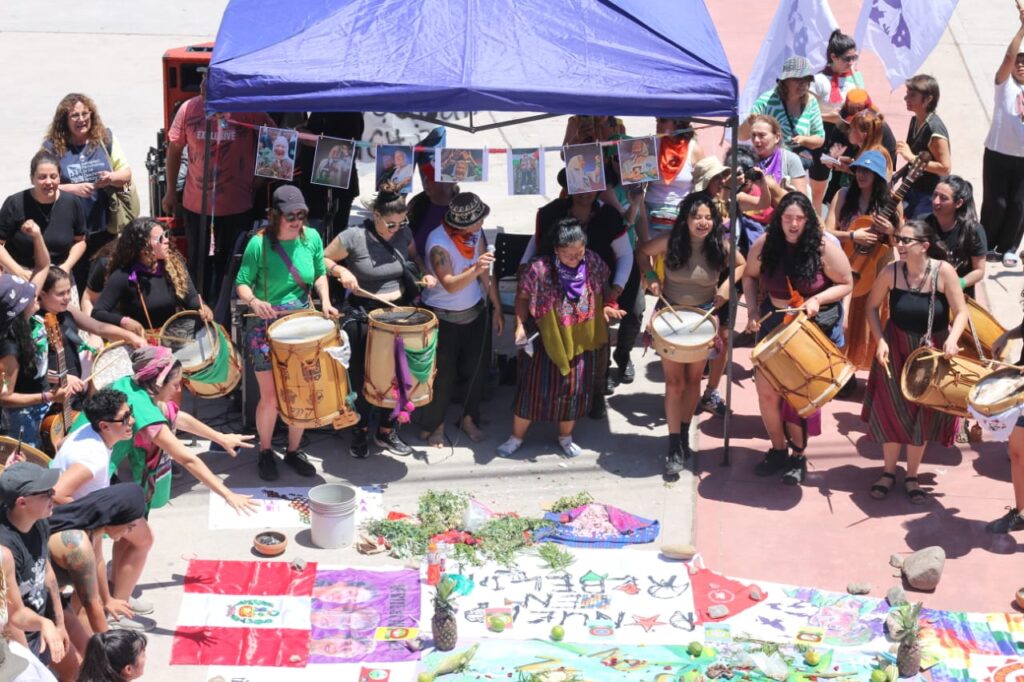
The presence of around 80,000 women revolutionized San Salvador de Jujuy. The usual craft fairs and market stalls were strengthened and even surpassed by the arrival of women and gender-diverse individuals.
“Why are they dividing things? Why call it a Women’s Gathering? It should be a Women Artisans’ Gathering,” complained a somewhat confused man from Jujuy who, along with his wife, was buying trinkets in Belgrano Square, across from the Jujuy Government House. The man, who identified himself as a “teacher and businessman,” was nevertheless happy for the visitors: he pointed out that thanks to the Gathering, hotels and guesthouses had finally been able to recover their sales, and had even been overwhelmed. A taxi driver shared this opinion. He had had enough work after so many days of meager earnings, he said.
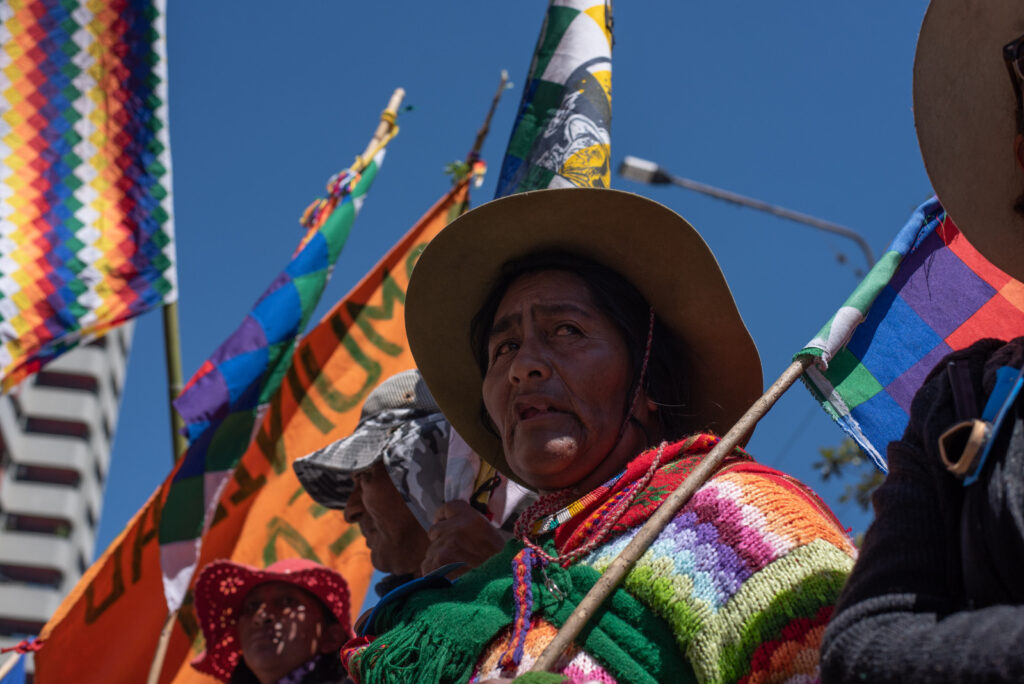
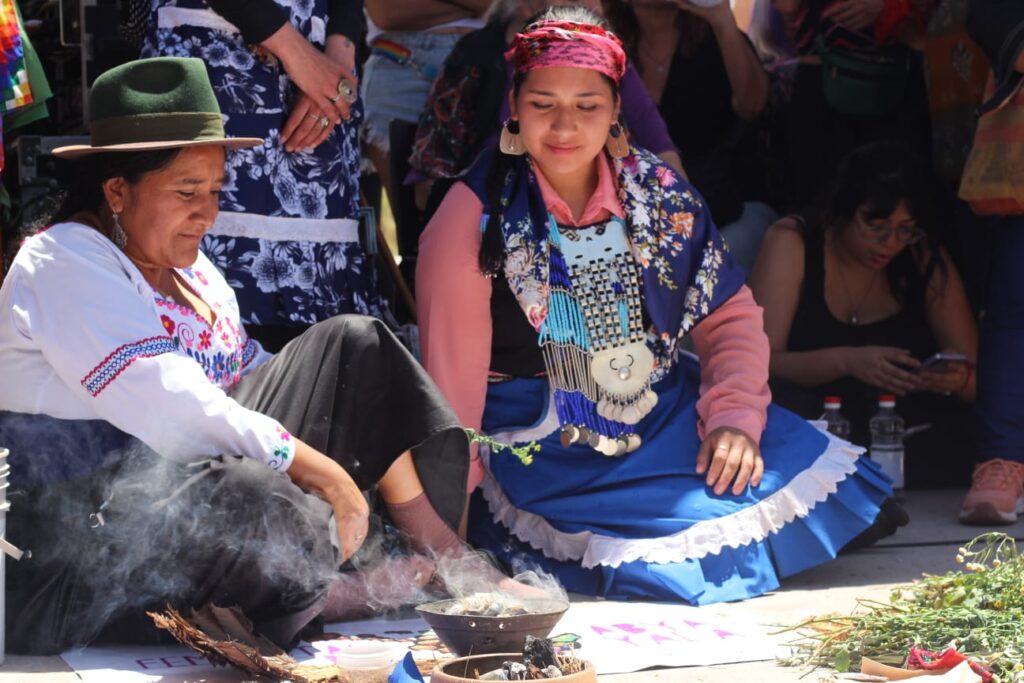
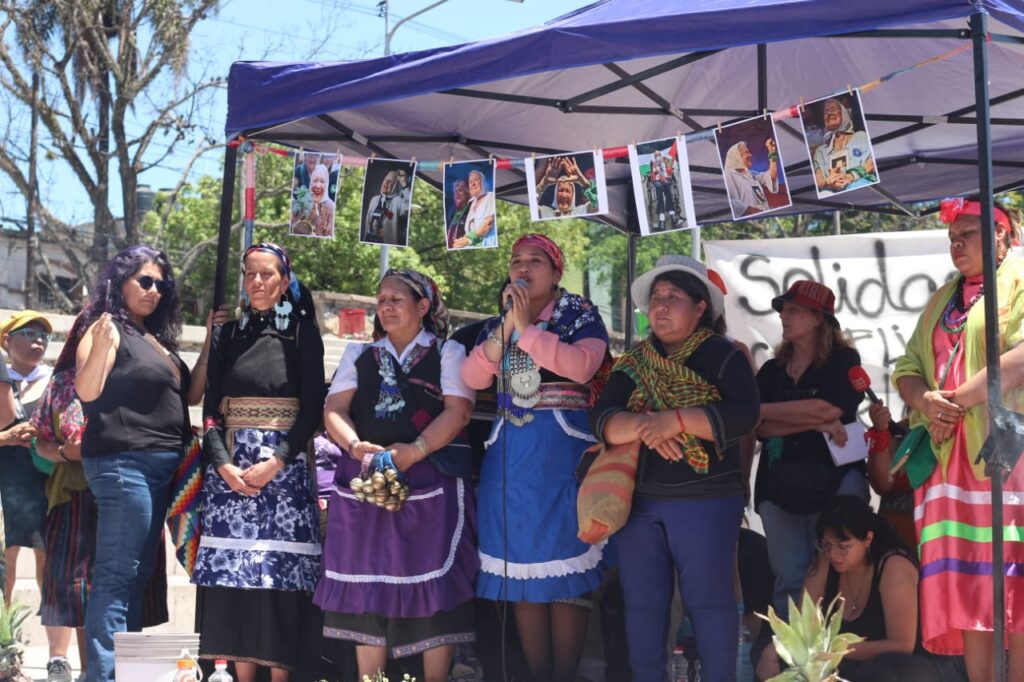
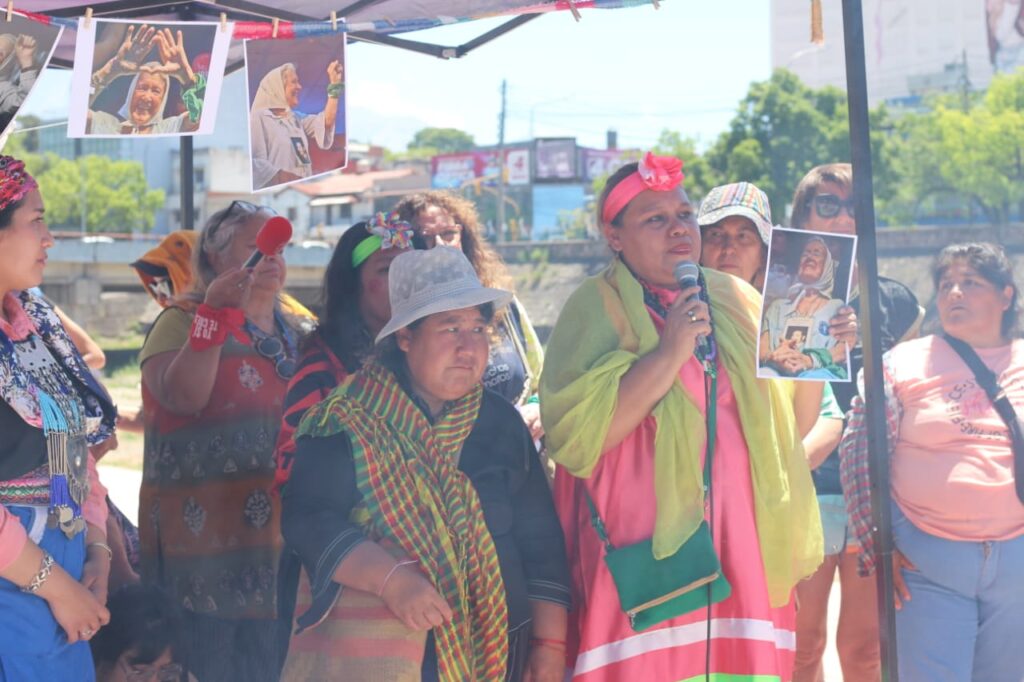
In the amphitheater almost on the Xibi Xibi River, indigenous women and dissidents held an Abya Yala assembly yesterday to discuss how the resistance to the advance of large corporations and landowners on their ancestral territories and the defense of water in the salt flats of Jujuy will continue.
The Abya Yala request
“In this great assembly, we are weaving together Abya Yala to reconnect, to review our agendas, but also to declare that the web of life is woven through action. We cannot say that we are together, that united peoples will never be defeated, if they see us divided, if they see us alone. Never again alone,” said Guatemalan Indigenous activist Lolita Chávez.
Betiana Colhuan Nahuel, a machi (spiritual leader) from the Lafken Winkul Mapu community of Villa Mascardi, in the province of Río Negro, recalled that Indigenous women, and Mapuche women, “continue to be attacked, imprisoned, beaten, and shot. Today, a woman from our community had to give birth in shackles, in prison,” she emphasized.
“The Mapuche people are recovering their territory, trying to recover their culture, their language, their ancient form of medicine. We have everything to be a Mapuche Nation, because we have our own medicine, our form of education, our language, our clothing, our culture. However, they have imposed a foreign nationality on us, they have imposed a religion on us, they have forced a religion on our grandmothers with whippings,” he denounced.
Shortly before the assembly began, the March for Water and Life, which had started twelve days earlier in La Quiaca, concluded in front of the Jujuy government house. Among the marchers was Aurora Choque, from the Coyamboy community and a member of the Malón de la Paz (Peace March).
“This march is a protest defending our entire territory, which stretches from La Quiaca to Jujuy,” he said upon arriving at Belgrano Square. He recounted the numerous evictions, the ongoing problems with water scarcity, and denounced the continued appropriation of ancestral lands. “While we were at the Water Summit (in mid-September in the El Moreno community), they were handing over our Coyamboy hill,” he asserted before suggesting other forms of resistance, because they are always protesting, but “the government has never listened to us.” With mining, “we will all be contaminated. Loma Blanca is a prime example,” referring to the borax mine near Coranzulí: “My llamas have started losing fur from the dust at Loma Blanca,” he lamented.
The international spotlight was present with the denunciation of the disappearance in Paraguay of Carmen Elizabeth Oviedo Villalba, Lichita, the struggle of Kurdish women and the condemnation of the genocide in Gaza.
Territoriality was also evident, both in the workshops and the march, in the presence of the Tupac Amaru organization, which Milagro Sala founded. The social leader was honored by the organizing committee at the start of the Encuentro, where her release and the end of the criminalization of social protest were once again demanded.
This article is part of the collaborative coverage of the 37th Plurinational Meeting of women, lesbians, transvestites, trans people, bisexuals, non-binary people, produced between Presentes and the Diario Tiempo Argentino newspaper.
We are present
We are committed to journalism that delves into the territories and conducts thorough investigations, combined with new technologies and narrative formats. We want the protagonists, their stories, and their struggles to be present.
SUPPORT US

FOLLOW US
Related notes

We are present
This and other stories are not usually on the media agenda. Together we can bring them to light.