

El Salvador: where the right to abortion remains a crime
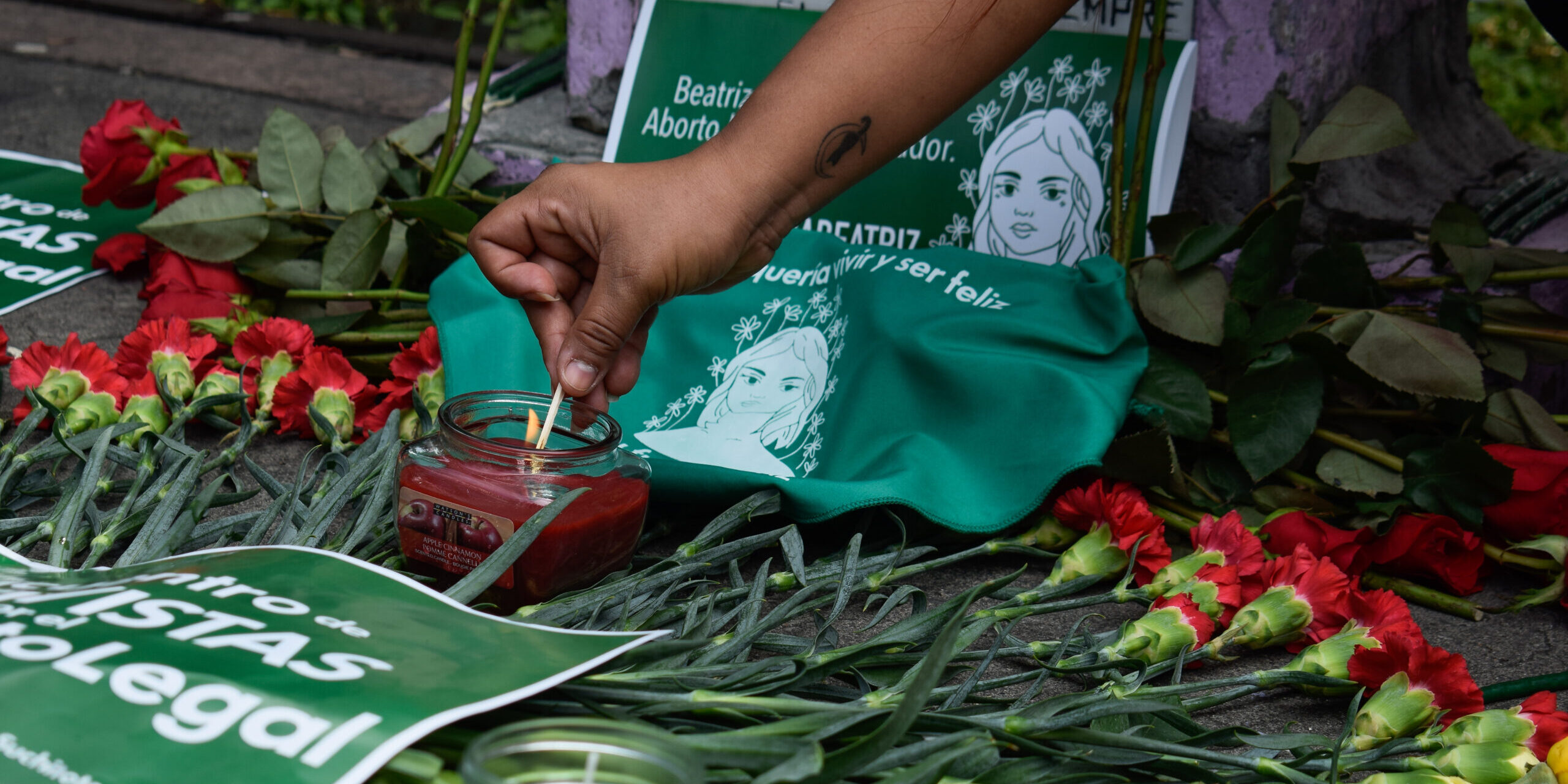
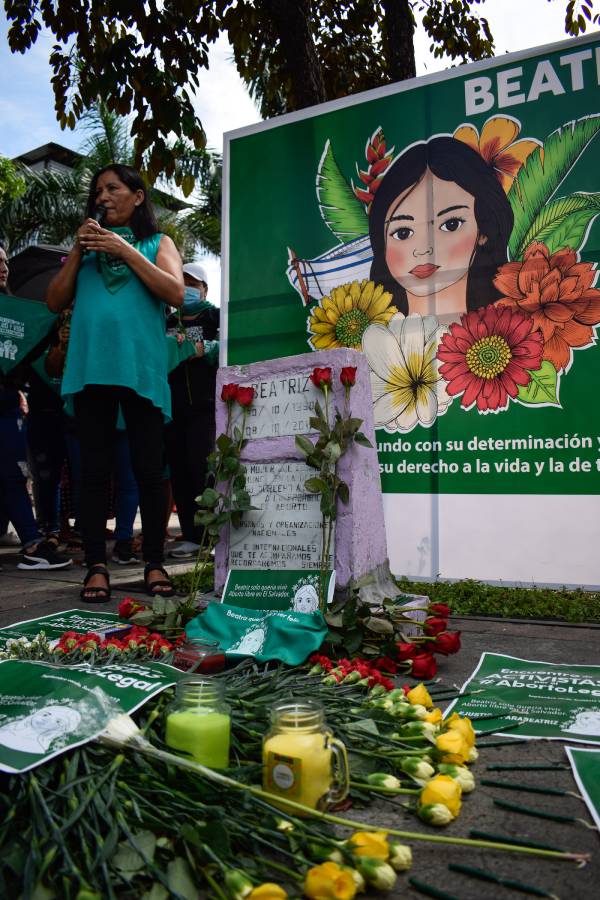
Every September 28, on the Global Day of Action for Legal, Safe and Accessible Abortion, the struggle of women for the decriminalization of abortion in Latin America and the Caribbean is commemorated.


Share

The date originated at the Fifth Latin American and Caribbean Feminist Meeting in 1990 , where September 28th was declared a symbol of the struggle for women's reproductive rights in the region. It was inspired by Brazil's "freedom of wombs," proclaimed in 1888.
In Latin America, women face criminalization and stigmatization when seeking an abortion. These barriers, along with a lack of adequate services, push them toward unsafe procedures that endanger their health and lives.
Since 1998, abortion has been prohibited in El Salvador under any circumstances, including cases of rape, incest, or when the mother's life or health is at risk, and when the fetus is not viable outside the womb. This extreme legislation has had consequences for women's health and human rights. While other countries in the region are moving toward decriminalization, El Salvador continues to criminalize those who make decisions about their own bodies.
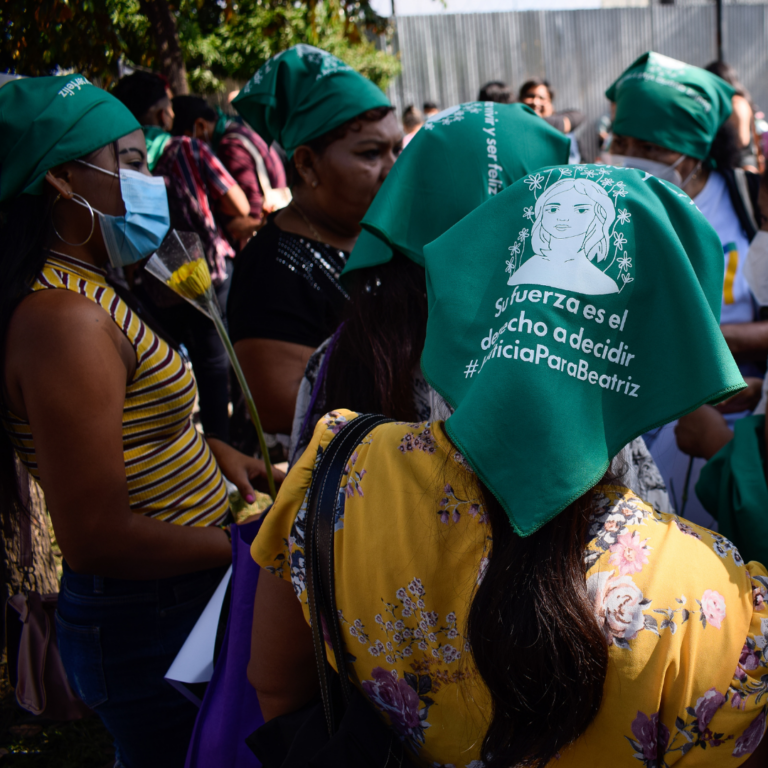
The Citizens' Group for the Decriminalization of Abortion has studied the impact of the total abortion ban in El Salvador and its link to convictions for aggravated homicide. Between 1999 and 2019, they identified 181 cases of women prosecuted for abortion or obstetric emergencies that endangered the embryo or resulted in its death.
Safe abortion is not only a right, but also a matter of life and death. The World Health Organization (WHO) indicates that complications during childbirth are a leading cause of maternal mortality. This demonstrates that denying access to legal and safe abortion does not reduce its incidence, but rather increases the risk of unsafe procedures.
Legal abortion: advances and setbacks
In contrast to El Salvador, Mexico and Colombia have made significant progress. Mexico's Supreme Court declared the criminalization of abortion unconstitutional, and Colombia joined the green wave, decriminalizing it and marking a milestone in the region for reproductive rights.
In the United States, although not part of Latin America, the situation has regressed. The Supreme Court overturned Roe v. Wade in 2022, eliminating the federal right to abortion. This decision has led to restrictive laws in several states, even in cases of rape or incest, representing a serious setback for reproductive rights.
Abortion is a fundamental right linked to equality, health, and women's autonomy. Denying this right affects their ability to make decisions about their lives and limits their access to other rights and freedoms. The CEDAW Convention urges States to review their abortion laws and guarantee safe reproductive health services, eliminating punitive measures against women.
An essential right
On March 9, 2022, the WHO published new guidelines on abortion care to protect the health of women and adolescents and prevent the more than 2.5 million unsafe abortions that occur each year. Unsafe abortion is a leading cause of maternal mortality worldwide. The right to choose is essential for women's dignity and full citizenship. Ensuring access to legal, safe, and free abortion is an urgent measure to protect their sexual, reproductive, and human rights.
When abortion is performed using methods recommended by the WHO, appropriate to the stage of pregnancy and assisted by trained personnel, it is a safe and simple procedure.
However, according to the WHO, only half of all abortions are performed under these conditions. Unsafe abortions cause approximately 39,000 deaths annually and result in the hospitalization of millions of women due to complications. The majority of these deaths occur in low-income countries, with over 60% in Africa and 30% in Asia, disproportionately affecting people in the most vulnerable situations.
In Latin America and the Caribbean, only El Salvador, Nicaragua and the Dominican Republic prohibit abortion in all cases.
This article was originally published in Alharaca (El Salvador) and we are publishing it in Presentes as part of an agreement with this partner media outlet.
We are present
We are committed to journalism that delves into the territories and conducts thorough investigations, combined with new technologies and narrative formats. We want the protagonists, their stories, and their struggles to be present.
SUPPORT US

FOLLOW US
Related notes

We are present
This and other stories are not usually on the media agenda. Together we can bring them to light.