

Tehuel trial: the sentence condemned Ramos for aggravated homicide motivated by hatred of gender identity
The Oral Criminal Court No. 2 of La Plata convicted Luis Alberto Ramos of the aggravated homicide of Tehuel de la Torre, a crime motivated by hatred based on gender identity. The court also ordered reparations for trans and travesti communities.


Share

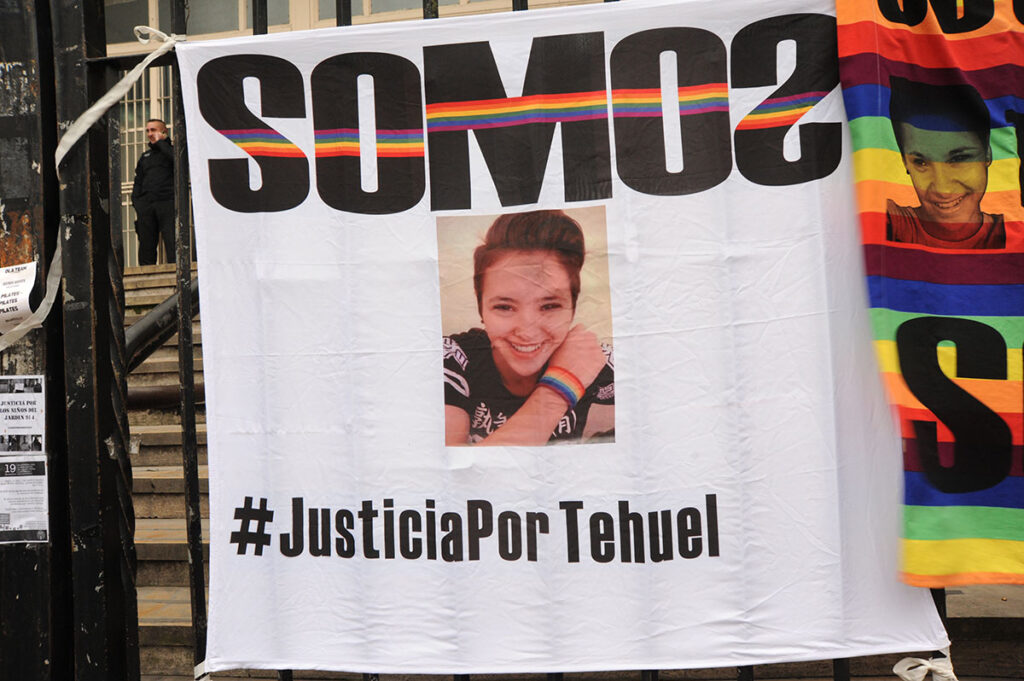
After seven lengthy hearings in the trial that began on July 15 , the Oral Criminal Court No. 2 of La Plata today sentenced Luis Alberto Ramos to life imprisonment for the aggravated homicide of Tehuel de la Torre, motivated by hatred based on his gender identity. This is the first time the Argentine justice system has addressed the murder and disappearance of a trans man.
The court thus established that Ramos was a co-author of the murder and the disappearance of Tehuel's body. Oscar Montes, the other accused, has not yet been tried, as a jury trial was chosen. They were the last people seen with Tehuel on the night of March 11 and the early morning of March 12.
"The defendant not only took Tehuel's life motivated by hatred of his gender identity, but also wanted to make disappear the only tangible thing that remains of a human being when he dies, preventing his loved ones from having his body to say goodbye to him," said the verdict signed by Judge Claudio Bernard, president of the Oral Criminal Court No. 2 of La Plata, in a historic sentence, which was read aloud for 40 minutes by two secretaries of the court.
Regarding the request for the court to incorporate community reparation measures into its ruling, the request included the creation of a protocol for searching for missing LGBTI people and the declaration of a social emergency regarding violence due to prejudice against transvestite and trans people.
Norma Nahuelcura, Tehuel's mother, expressed: “I want to thank everyone who has been supporting us in the fight for justice for my son. This doesn't end here because we want the other person responsible to be convicted and for the search for Tehuel to continue so he can rest in peace. May there never be another Tehuel, may there never be violence against trans people again.”
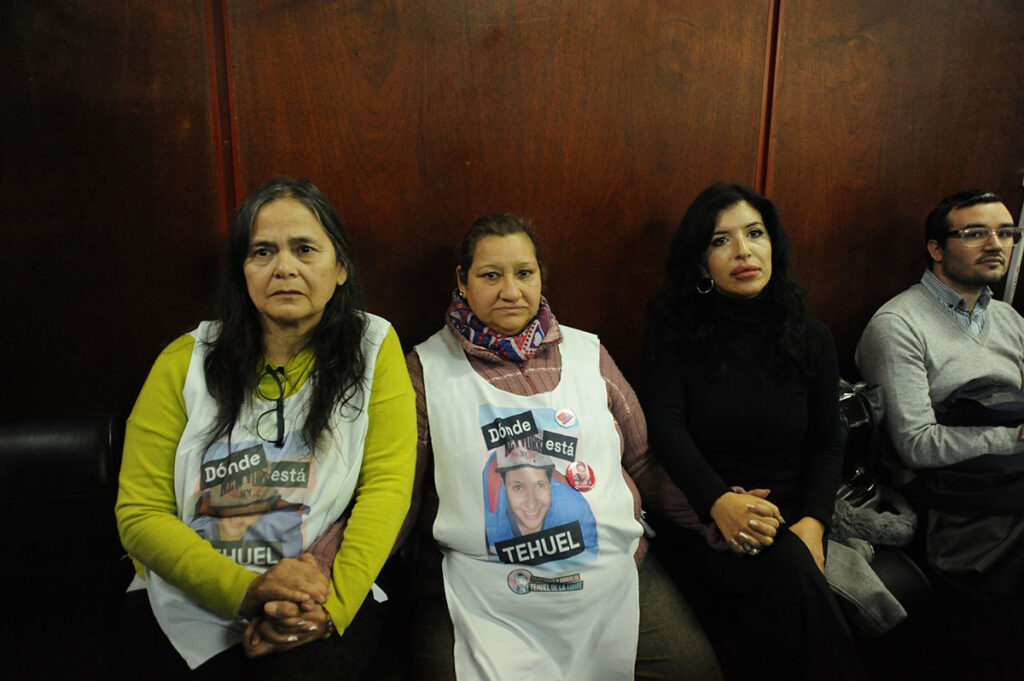
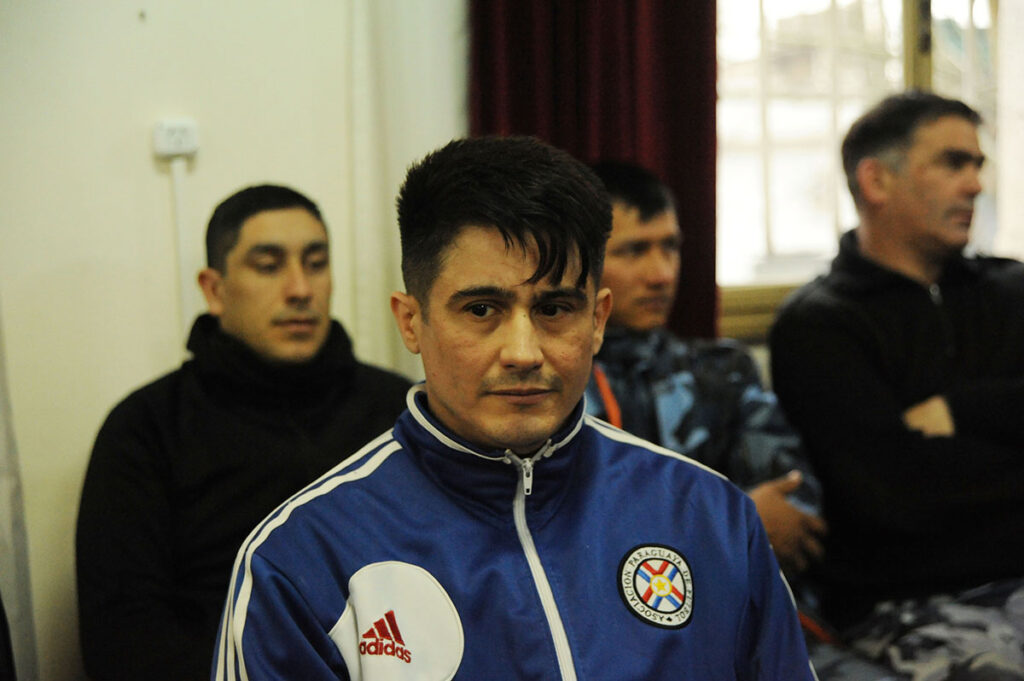
The young trans man, who was about to turn 22, had gone to see Ramos, whom he had known for a few years. Ramos had lent Tehuel money; he was a kind of role model for him and had called him for a job as a waiter at an event. When Tehuel disappeared, Ramos did not cooperate with the search, tried to flee from the authorities, and was arrested for giving false testimony.
A hate crime
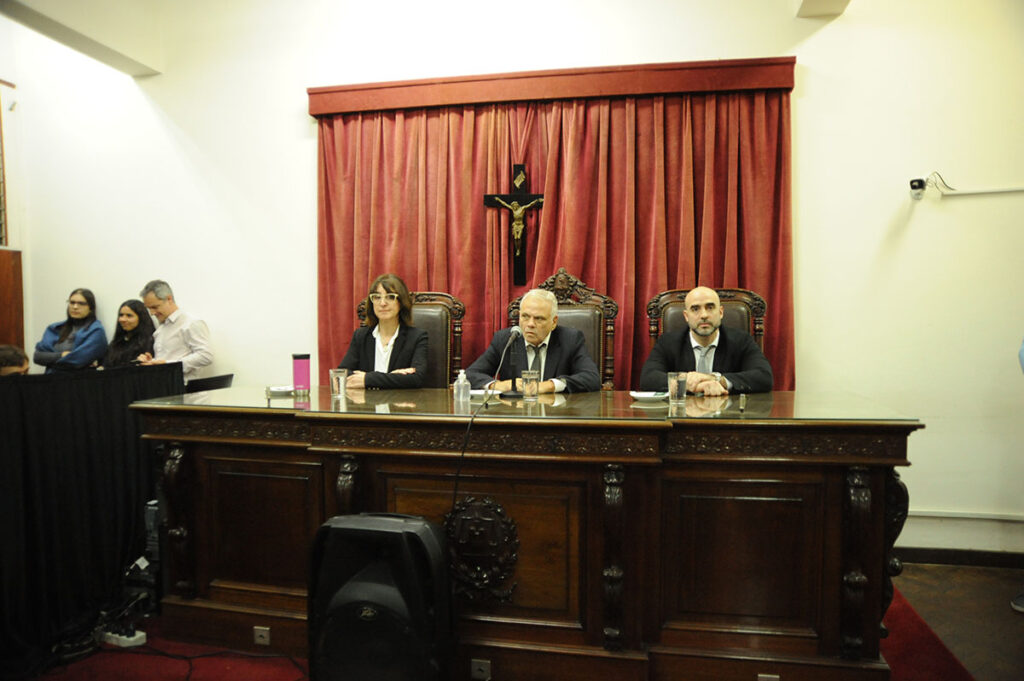
Judges Claudio Joaquín Bernard, Ramiro Fernández Lorenzo, and Silvia Hoerr based their decision on a series of pieces of evidence and circumstantial evidence. These, taken together, established Luis Alberto Ramos's guilt in the transphobic murder of Tehuel de la Torre. Among the most compelling evidence, they cited the geolocation of Tehuel's cell phone in the vicinity of Ramos's house. They also mentioned a selfie extracted from the accused's cell phone showing him with the victim, and the discovery of charred remains of Tehuel's jacket and the burned casing of his cell phone near Ramos's house.
One of the most significant pieces of evidence was the discovery of bloodstains on the interior wall of Ramos's house, DNA analysis of which confirmed with 99.9999% certainty that they belonged to Tehuel. The court also considered as evidence of guilt Ramos's flight after Tehuel's disappearance, including his attempt to hide and the alteration of his physical appearance.
The court classified the act as aggravated homicide motivated by hatred of gender identity, based on evidence that demonstrated Ramos's contempt for Tehuel's gender identity.
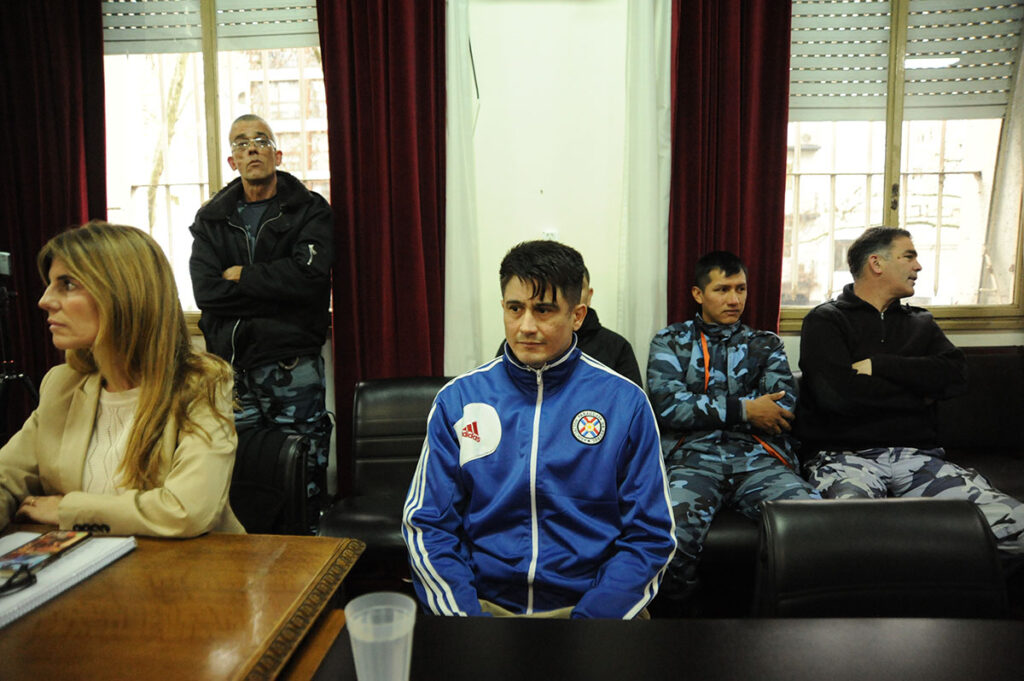
After citing the Equal Marriage Law, Judge Bernard stated in his ruling: “Ramos did not subscribe to these non-patriarchal models of conceiving a couple. He established the parameters of his personal relationship with Tehuel by not publicly acknowledging his sexual identity with phrases like 'boy girl' or 'woman is for man and man for woman,' which can only be considered derogatory. Furthermore, he economically controlled him by promising him work and offering him money, thus creating an economic dependency, so without a doubt the defendant took advantage of the victim's vulnerability.”.
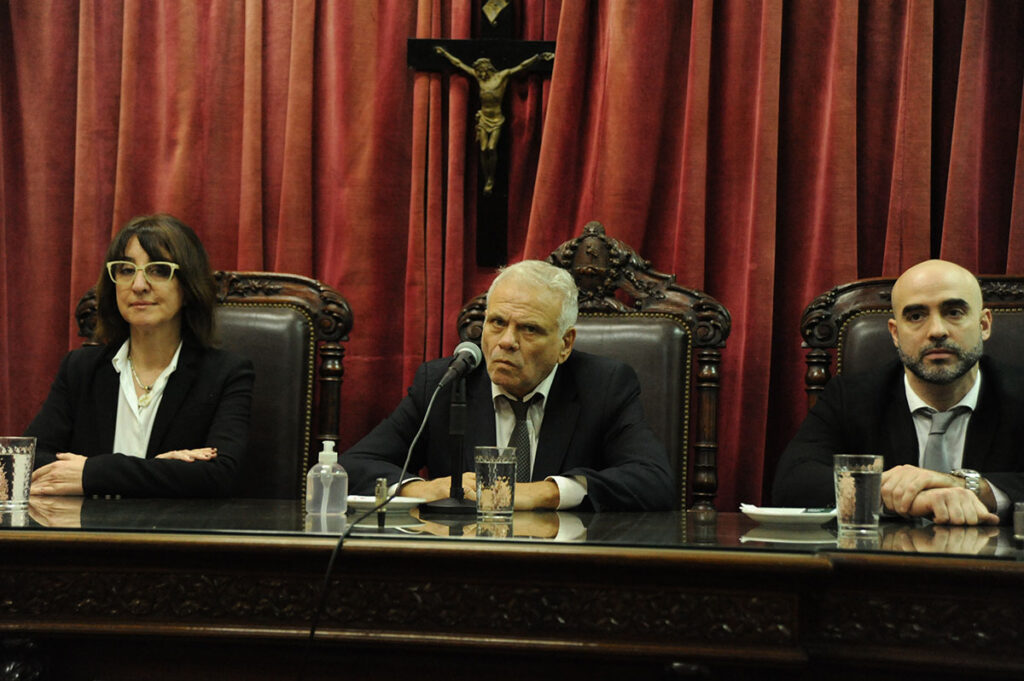
The court thus unanimously found Ramos guilty as a co-perpetrator of the murder and the disappearance of Tehuel's body. Oscar Montes, the other accused, has not yet been tried, as he has chosen a jury. They were the last people seen with Tehuel on the night of March 11 and the early morning of March 12, as evidenced by multiple pieces of evidence analyzed during the trial.
The role of activism
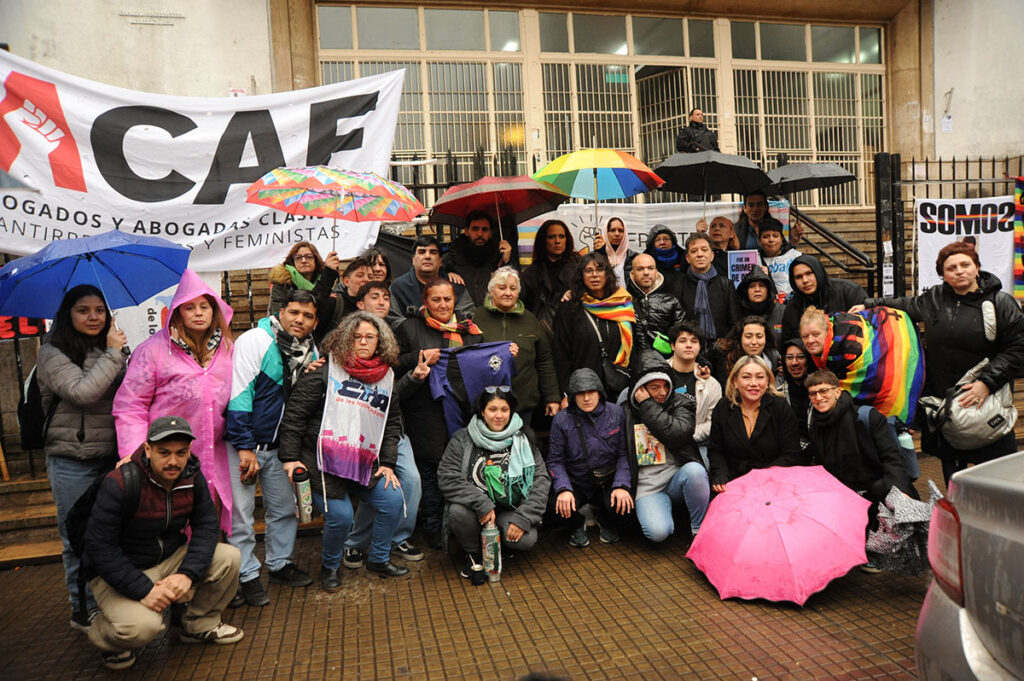
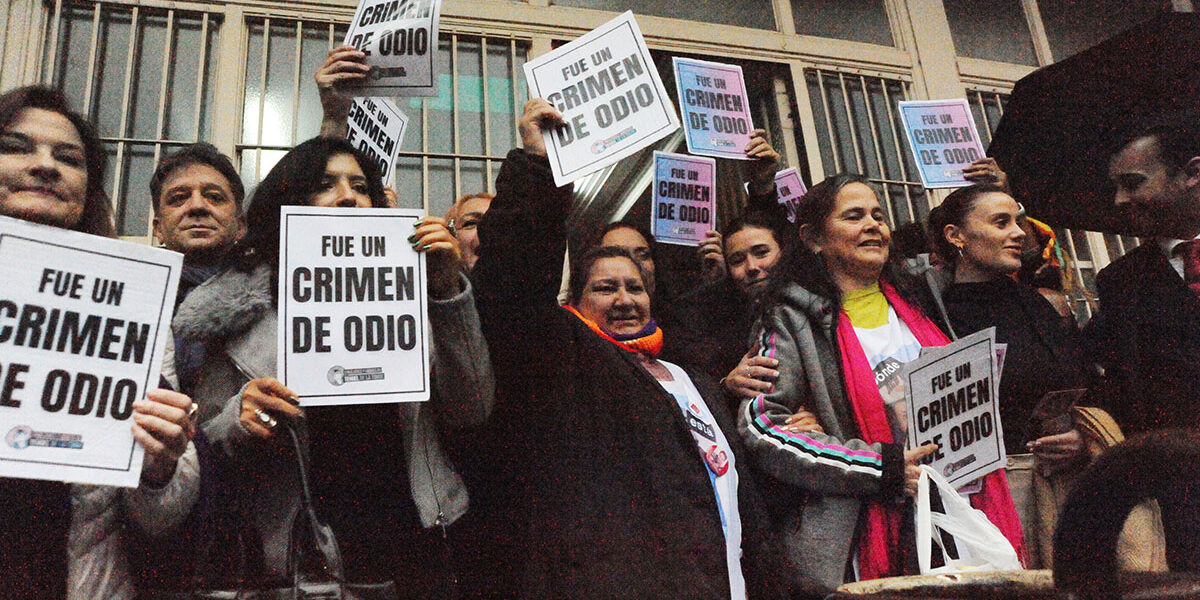
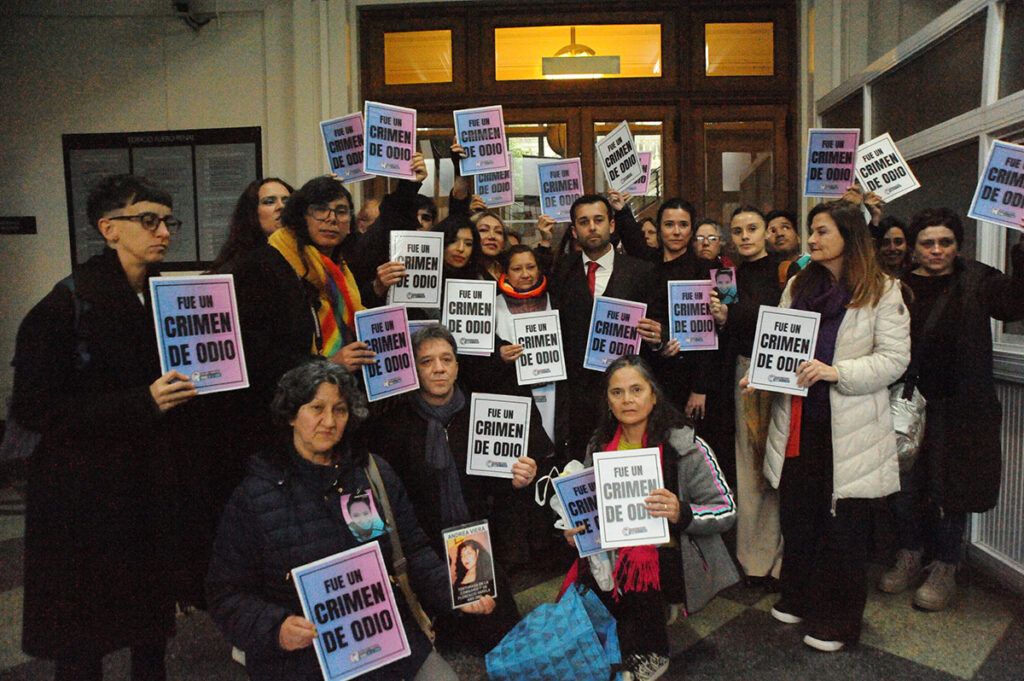
The Association of Family and Friends of Tehuel, which from the first day of the trial together with Pride and Struggle called for support with activities in the street in front of the courts, was also accompanied today by sexual diversity and human rights organizations, LGBT+ activists from other cities, student, political, union and social groups.
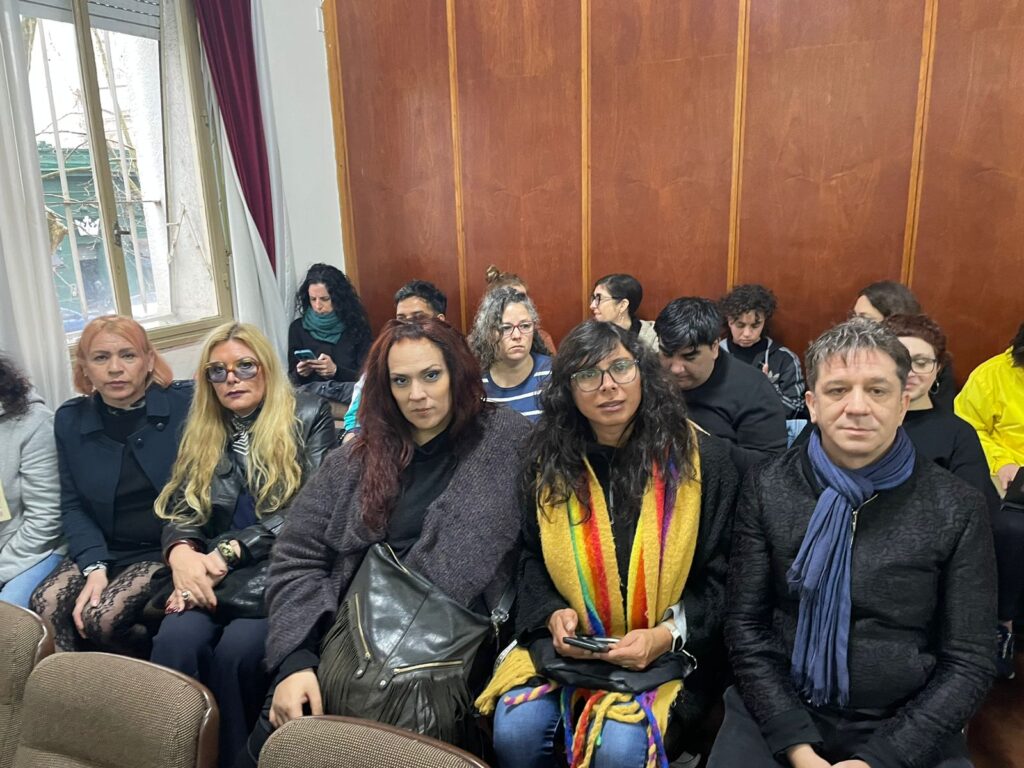
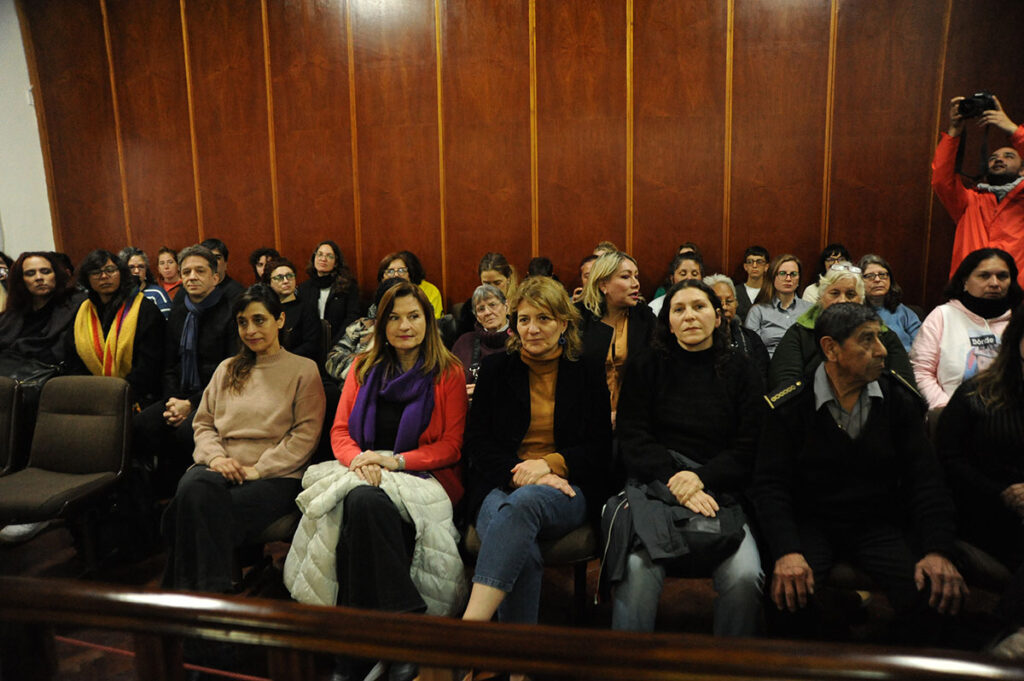
In the final hearing before the verdict, after the testimony of 64 witnesses - including Tehuel's mother, Norma Nahuelcurá, his girlfriend, Ramos's relatives, ex-partners, a fellow activist in the MST (from which he was expelled) and several experts - prosecutors Juan Pablo Caniggia and Martin Chiorazzi proved that between 9 pm on March 11 and 4:33 am on March 12, at Ramos's house in Alejandro Korn (San Vicente), he and Montes "intentionally caused the death of Tehuel De La Torre motivated by hatred of his gender identity and sexual orientation, using methods not yet determined.".
The prosecution also presented arguments about the context of violence and hatred experienced by trans masculinities, where job exclusion is just one of the many forms of discrimination they face on a daily basis.
Compelling evidence and a call for justice
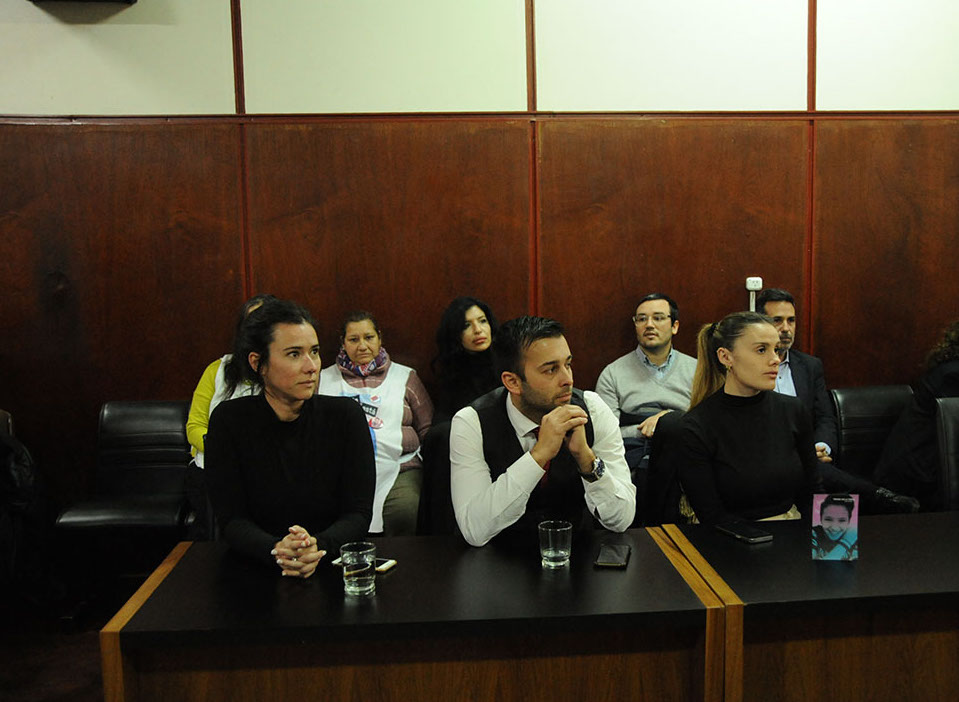
The legal team representing Tehuel's family—Flavia Centurión, Cristian González, María Dolores Amaya, and Pilar Rodríguez Genin—argued along the same lines. Both the prosecution and the plaintiffs asked the court to find Ramos responsible for Tehuel's murder and the disappearance of his body, aggravated by hatred based on gender identity. They also explained the brutality of the crime, a characteristic of extreme violence against LGBT+ people. "Violence against the LGBTI community has a particular characteristic: cruelty and viciousness aimed at leaving an indelible mark. It's as if the victim's body were a second hostage to their hatred." Ramos not only denied Tehuel's existence but also went so far as to conceal his lifeless body. These ideas were further elaborated upon by the court in its ruling.
“It’s a critical flaw”
Prosecutor Juan Pablo Caniggia, speaking to Presentes after the sentencing, commented on the ruling: “We were surprised by its unanimity and its forcefulness. They left no stone unturned, were very specific in their assessment of the evidence and the facts, and delved into the relevant case law.” Caniggia emphasized the importance of the verdict: “It’s a vital, extremely important ruling that begins to bring to light these situations that are invisible to a segment of society, but which are happening.”
She also highlighted the crucial role of activism throughout the legal process: "The support is extremely important; they bring to light something that many do not see, and without that visibility, without that support, these kinds of issues are more difficult.".
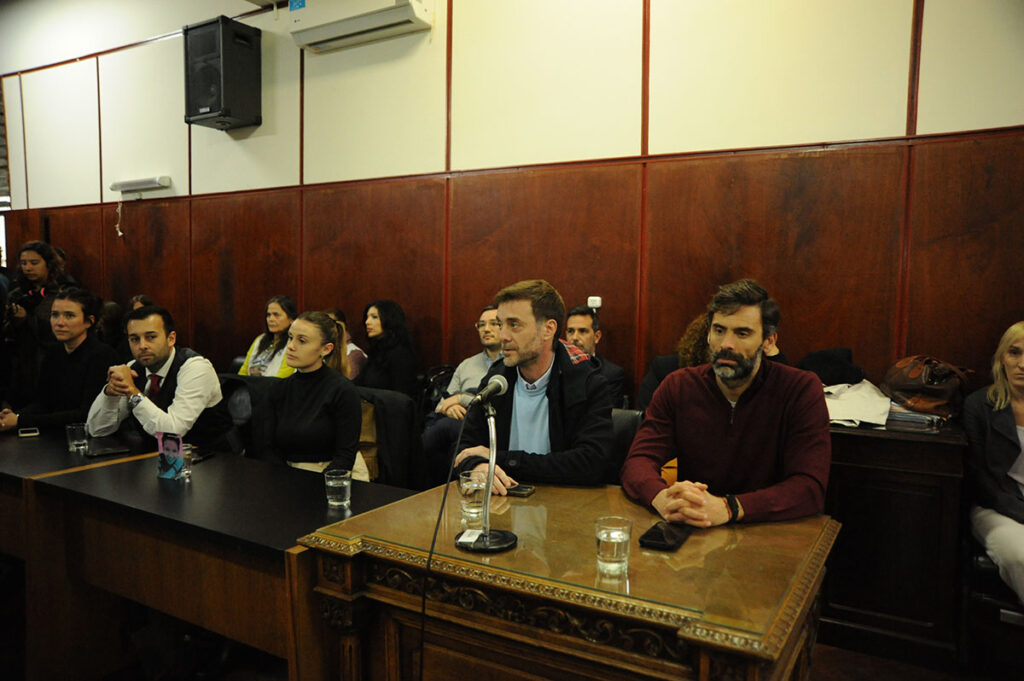
Regarding the additional measures requested, the prosecutor expressed his satisfaction that the Court had accepted his request for a protocol for searching for missing LGBTQ+ people and the declaration of a social emergency: "That they have welcomed it favorably and resolved it in this way, it is truly wonderful, because it will also benefit all of us who work in the justice system.".
“Today it was demonstrated that the Judiciary can be independent”
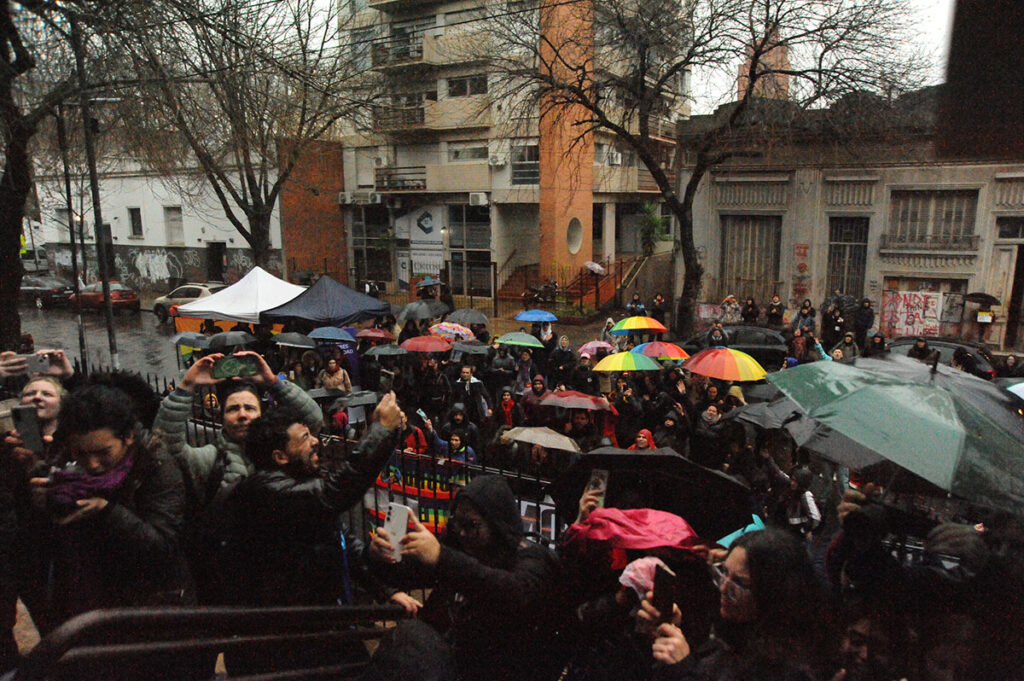
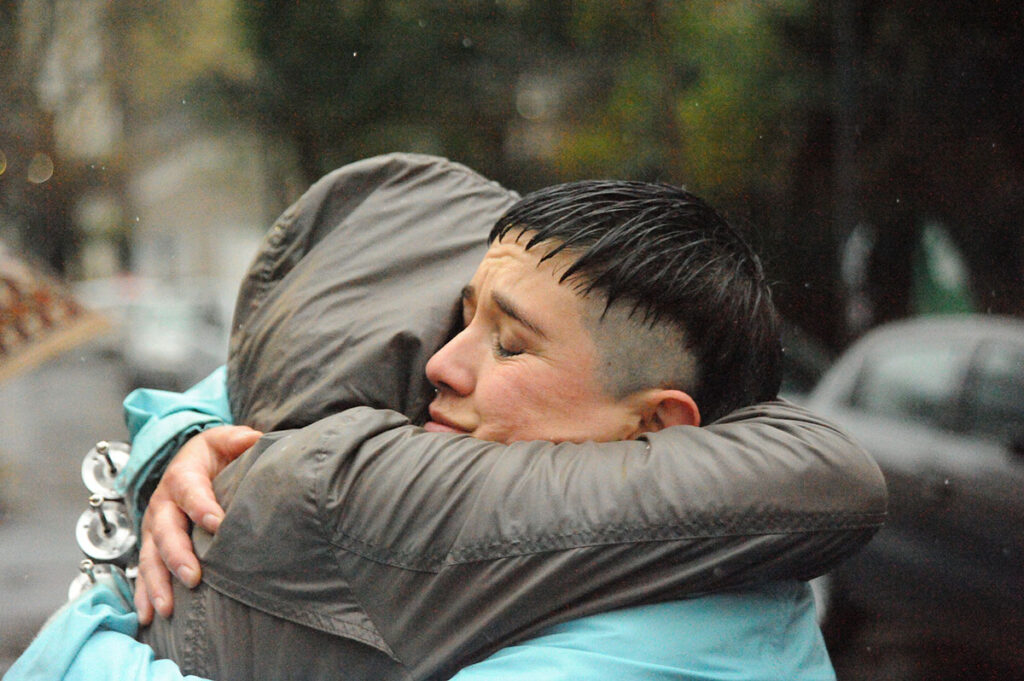
Presentes in the rain and accompanying the mother, said : "We are happy because justice was served. Today it was demonstrated that the Judiciary can be independent and can rule in accordance with our Constitution and Human Rights, especially regarding the rights of the LGBT community."
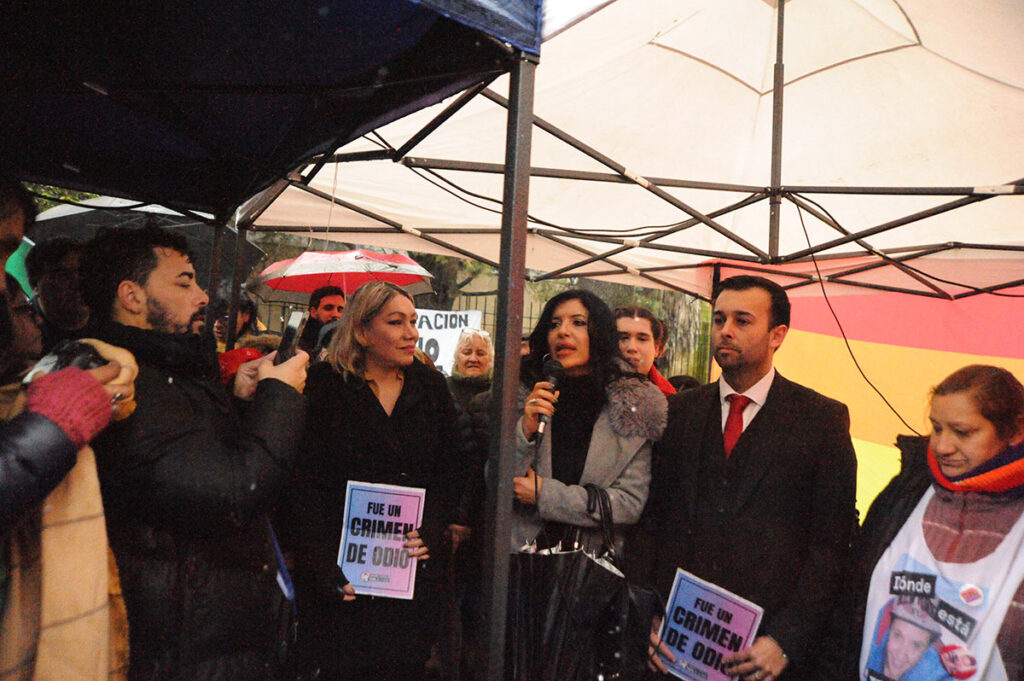
Furthermore, Centurión emphasized the importance of this ruling in the current context: “The most important thing is to demonstrate to the National Executive Branch that the Constitution must be respected, that we have laws that cannot be broken. Regardless of one's beliefs or denials of sexual diversity, it is legally recognized and no one can disregard it. Today we have the peace of mind that we have a Judiciary that upholds this recognition of rights.”.
We are present
We are committed to journalism that delves into the territories and conducts thorough investigations, combined with new technologies and narrative formats. We want the protagonists, their stories, and their struggles to be present.
SUPPORT US

FOLLOW US
Related notes



We are present
This and other stories are not usually on the media agenda. Together we can bring them to light.