

Setback in Peru: The Ministry of Health considers transgender people to have a mental disorder
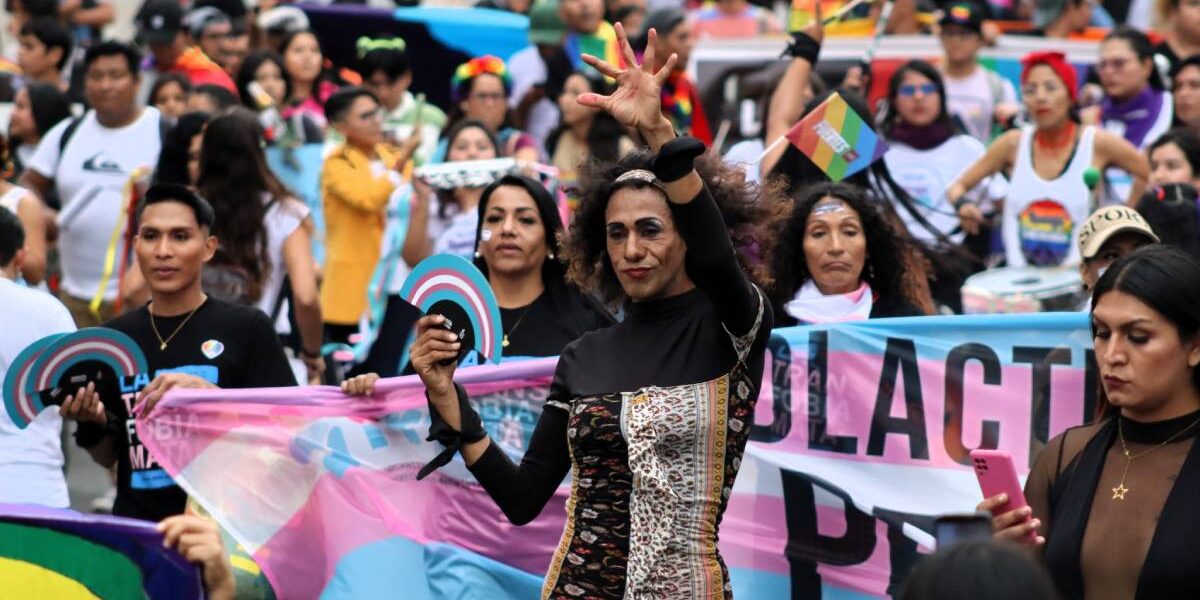
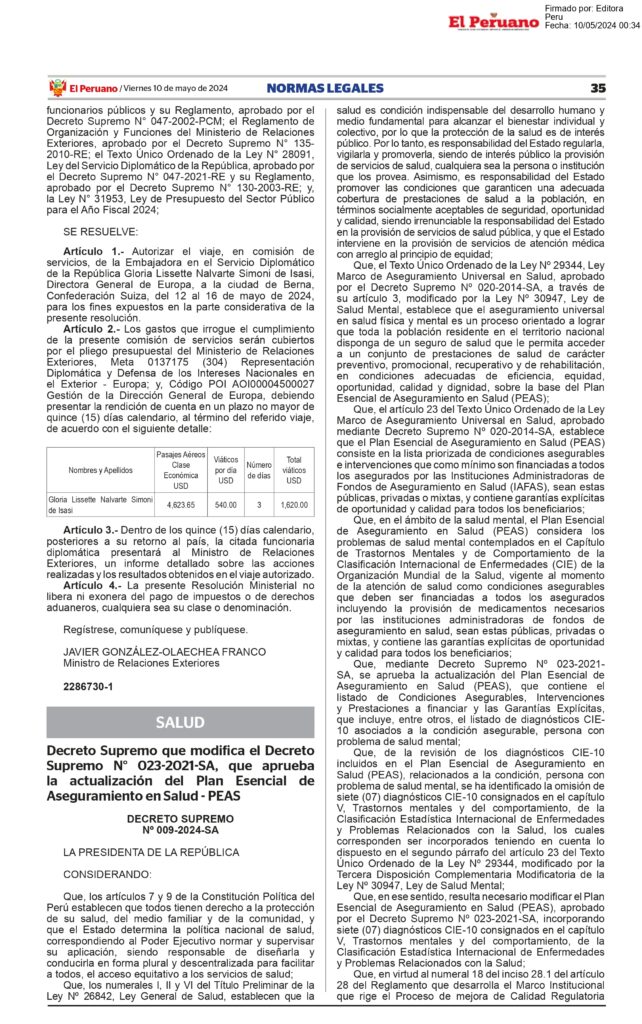
The Peruvian trans community is on alert. On May 10, the Ministry of Health (MINSA) issued a decree classifying trans identity as a mental illness. This, they say, will allow them to request health insurance coverage. This contradicts the World Health Organization's new International Classification of Diseases, ICD-11 (2018), which…


Share

The Peruvian trans community is on alert. On May 10, the Ministry of Health (MINSA) issued a decree classifying trans identity as a mental illness. This, they say, will allow them to request health insurance coverage. This contradicts the World Health Organization's new International Classification of Diseases (ICD-11, 2018), which replaced the ICD-10 from 1990.
“This measure by the Ministry of Health is part of a broader policy to exterminate trans people. They seek to classify us as sick in order to deny us citizenship in this country. To deny us name changes, the right to work, and the right to identity. What the Ministry of Health has done fosters violence against trans people because it aims to reinforce the narrative that we are not subjects of rights; it seeks to portray us as sick,” explains Leyla Huerta, president of the trans women's organization, Féminas Perú.
The LGBTI community demands concrete actions
The controversy that erupted last Friday prompted several LGBTI+ organizations to issue statements on social media. The Ministry of Health responded with a statement the following day.
However, Manuel Siccha, a lawyer and member of the LGBT community, emphasizes that this expression of rejection of the stigmatization of gender and sexual diversity must be backed up with concrete actions that protect the rights and dignity of LGBTI people.
“We urge the Congress of the Republic to exercise its oversight function and request detailed information from the Ministry of Health regarding the safeguards implemented to prevent pathologization and guarantee comprehensive and respectful care for LGBTI people within the Peruvian health system. Furthermore, we propose that the Congressional Health Committee open a forum for evaluation and debate on this legislation with key stakeholders from the technical, political, and civil society sectors, who should have been consulted and included,” Manuel explains.
Future actions
The various LGBTI community groups, organizations, and activists have come together and decided on two actions. First, to demand the repeal of this official document. Second, to demand that the National Health System update and implement the ICD-11, actions that will be accompanied by street demonstrations.
“It is imperative that the classification system be updated to ICD-11, aligning with international standards and accurately and non-stigmatizingly reflecting the diversity of gender and sexuality experiences,” Manuel Siccha points out.
These actions are in addition to those currently being demanded by the trans community, such as a Gender Identity Law or access to Comprehensive Trans Health.
Does this supreme decree benefit trans people?
Several Peruvian health specialists have commented on social media that the detailed content of Supreme Decree No. 009-2024-SA is beneficial for the trans community, as they will now be able to receive free hormone treatment. However, this seemingly positive action comes at a significant legal and social cost, since it gives anti-LGBT rights activists an official argument to claim that trans people suffer from a mental disorder due to their gender identity.
This would disrupt legal processes for changing sex and names on the National Identity Document. They would face difficulties accessing formal employment, and would also be exposed to mistreatment by healthcare professionals working in medical centers nationwide.
Even more worrying is that this action by the State has opened the door to so-called 'conversion therapies'. Under the pretext that they “need to be cured,” transgender people could be subjected to violent, dehumanizing treatments that are now considered torture by international human rights organizations.
We are present
We are committed to journalism that delves into the territories and conducts thorough investigations, combined with new technologies and narrative formats. We want the protagonists, their stories, and their struggles to be present.
SUPPORT US

FOLLOW US
Related notes


We are present
This and other stories are not usually on the media agenda. Together we can bring them to light.