

March 8th in Latin America: Hundreds of thousands of women and dissidents respond to the region's conservative backlash
We were in the streets of Lima, Asunción, Buenos Aires and Mexico City covering live and documenting one of the most massive mobilizations since 2019.


Share

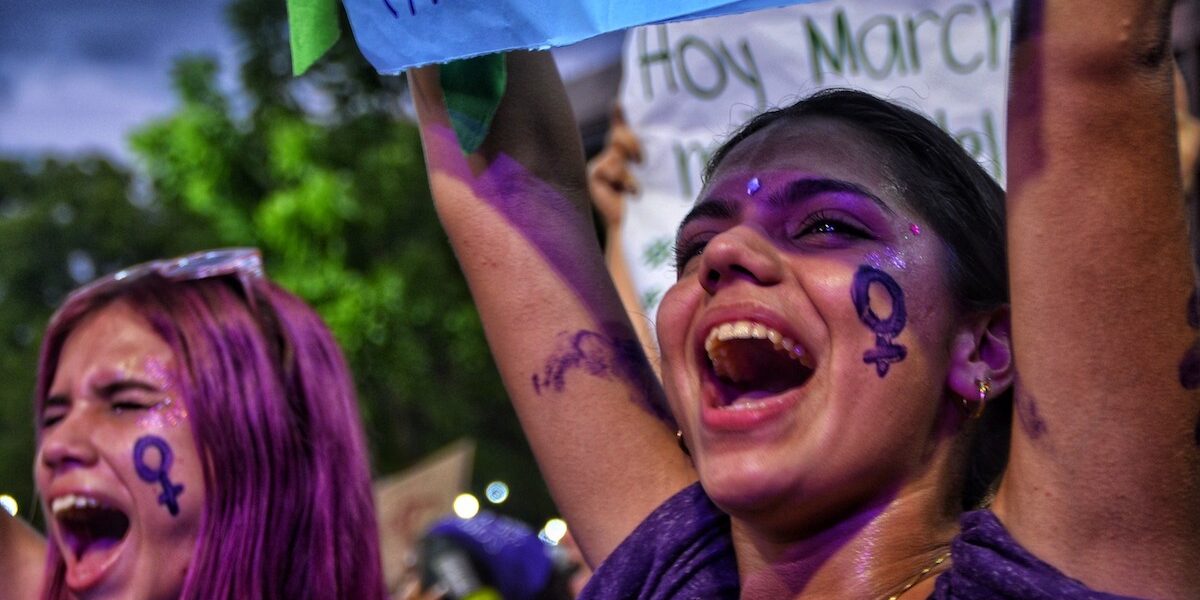
At a time of conservative backlash in almost every Latin American country, hundreds of thousands of women and gender-diverse people took to the streets on March 8th to join the international transfeminist strike. Their demands addressed everyday violence (femicide and transfemicide rates are skyrocketing) but also wage inequality and the burden of care work. The feminization of poverty is a global problem, and in Latin America, where right-wing governments are exacerbating inequalities, this is amplified. Furthermore, several countries are experiencing explicit anti-gender policies that have become state policy. These include setbacks in the rights of women and gender-diverse people, as well as political persecution and austerity measures that disproportionately impact these populations. Presentes was on the streets of Lima, Asunción, Buenos Aires, and Mexico City, covering and documenting one of the largest mobilizations since 2019.
March 8th in Asunción: defend democracy
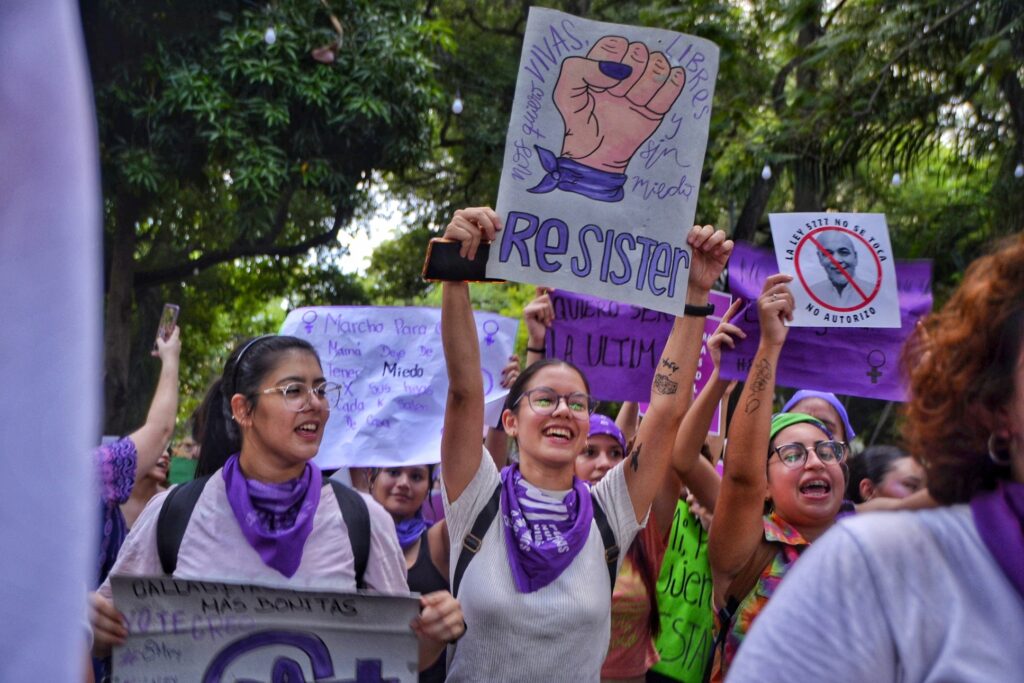
In Asunción, Paraguay, women and people of diverse sexual orientations, cultures, and gender identities marched on March 8th in the streets of the city center. For the eighth consecutive year, the Paraguayan Women's Strike Network (Articulación Paro Mujeres Py) called for a mobilization on International Women's Day (8M), from Plaza Uruguaya to Plaza de la Democracia. Chanting slogans like “Out with Bachi!” and “Cartes, you're trash, you're the dictatorship!”, the protesters focused on defending democracy and, specifically, the Comprehensive Protection Law for Women, which is currently threatened by the Cartes administration, which is attempting to repeal it.
On a hot day, activists raised their voices against authoritarianism and in defense of labor rights. “Law 5.777 is not to be touched” and “We defend women’s political participation” were some of the signs that stood out.
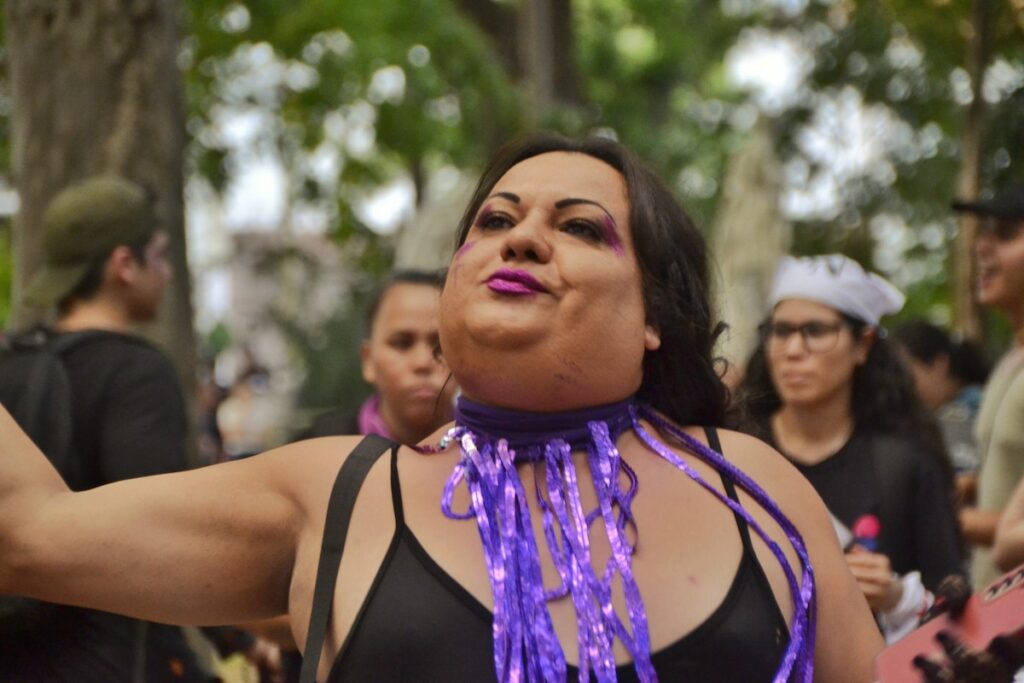
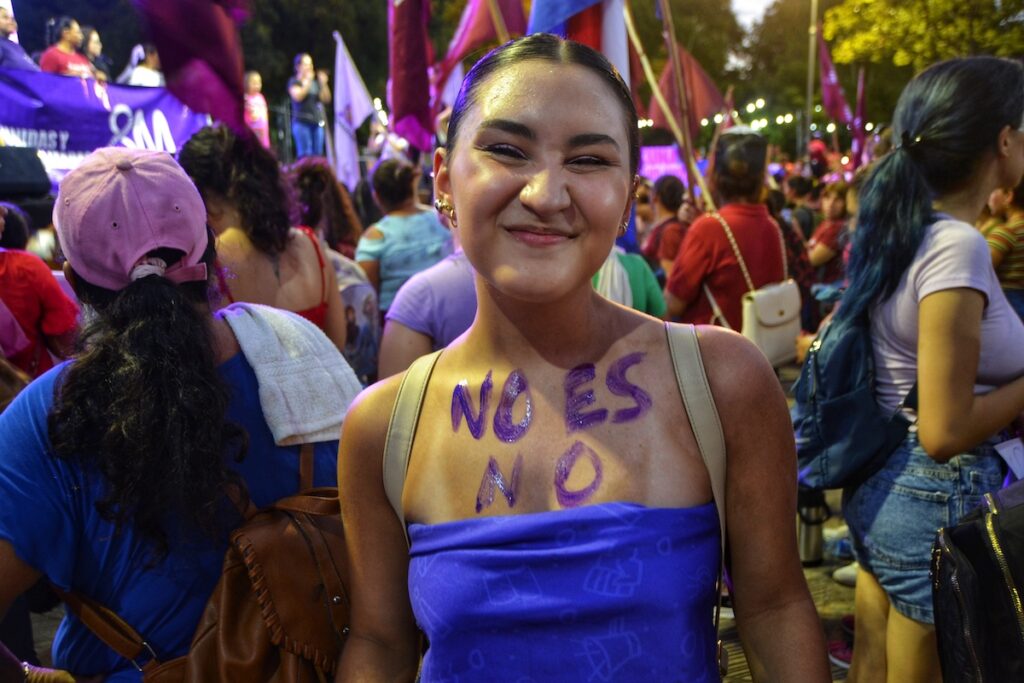
From the stage in Democracy Square, women from various sectors denounced, among other things, the deficient and expensive public transportation service, the dispossession of indigenous and Bañado people from their lands, the homophobic remarks of the Minister of Agriculture , and the neo-Stroessnerist Cartes government that stripped Senator Kattya González of her office . The march concluded with an arts festival featuring music, dance, theater, and poetry.
In Peru, there is a greater trans and non-binary presence
In Peru, the mobilization brought together more than 3,000 women of all genders and sexual orientations, under the slogan "Decent work yes, exploitation and violence no." This year, the 8M march had to be held in a different district due to restrictions imposed by the current mayor of Lima, a member of the right-wing Popular Renewal party, which is responsible for a relentless anti-gender agenda.
“We are in a space where we are not usually found; downtown Lima is more our space. This is another year of prohibition by the right-wing and conservative mayor we have, even though we are in a district with another conservative mayor; the presence of all of us makes it different,” says Janett Cuyutupa, a member of the Agusti Diversxs collective.
Activists and organizations highlighted the increased presence of members of the transvestite, transgender, transsexual, and non-binary community.
“It’s important that trans people are at this March 8th march because the systematic violence we experience plunges us into poverty and precariousness. We demand fair treatment. Society, when it suits them, sees us as bodies for pleasure, women for pleasure, but when it comes to demanding rights, the narrative among us changes completely. Today, March 8th, we are here demanding justice for our dead sisters. Dead in a system that places us in situations of prostitution and that the State, through its inaction, allows,” says Leyla Huerta, director of the organization Féminas Perú.
Bolivia: for an anti-patriarchal and anti-capitalist feminism
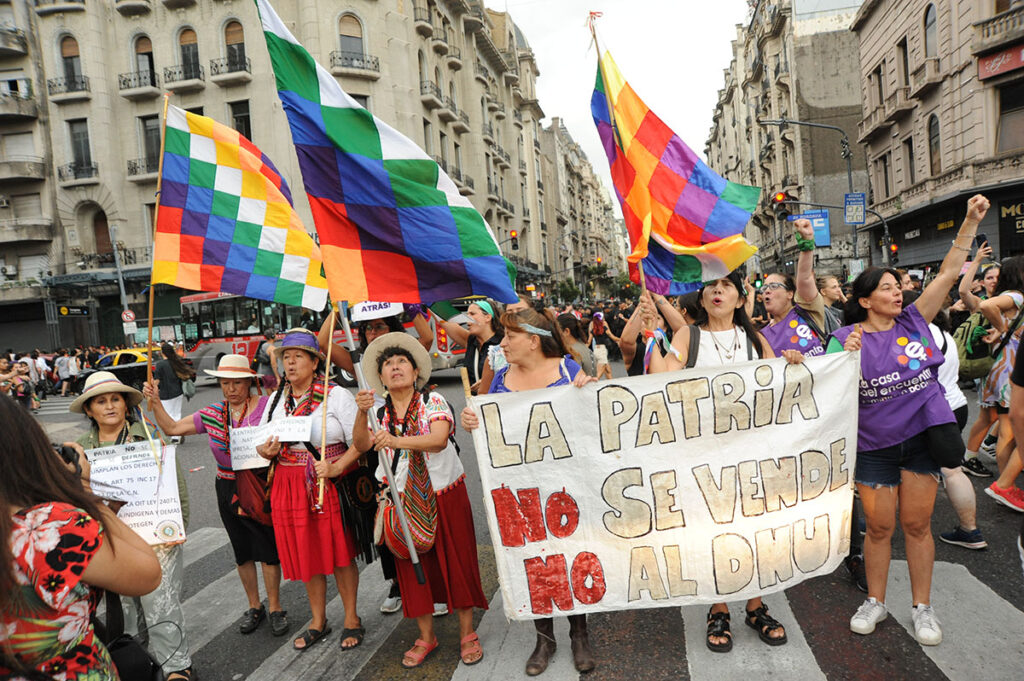
The March 8th march in Bolivia was led by women who were victims of sexual abuse at the hands of members of the Catholic Church and by relatives of murdered women. Under the firm slogan "Feminism must be anti-patriarchal, anti-capitalist, anti-imperialist, anti-colonialist, and anti-Zionist, or it will not be," working-class, peasant, and Indigenous women united from rural and urban areas to demand an end to impunity for these crimes and the cover-up of the perpetrators.
According to the organization "Bread and Roses," the 2024 march had the largest turnout since women began taking to the streets as part of International Women's Day (March 8). Wiphala flags and Palestinian flags waved throughout the route, from the heroic city of El Alto (4,150 meters above sea level), the cradle of historic indigenous struggles, to the streets of La Paz.
The women warned that "The advance of the far right in the region puts at risk the rights won by women and the LGBTI+ community."
According to the "Bread and Roses" registry, more than 80 femicides were committed in 2023, and so far in 2024, 12 women have already been reported murdered. In Bolivia, abortion is prohibited in all circumstances, and more than 480 women die each year due to obstetric complications.
“We demand that hate crimes and transfemicides be recognized as crimes. In the last 16 years, only 2 cases have resulted in a sentence out of more than 80 that have been reported,” said “Pan y Rosas” in a statement.
Mexico: Massive mobilization against violence
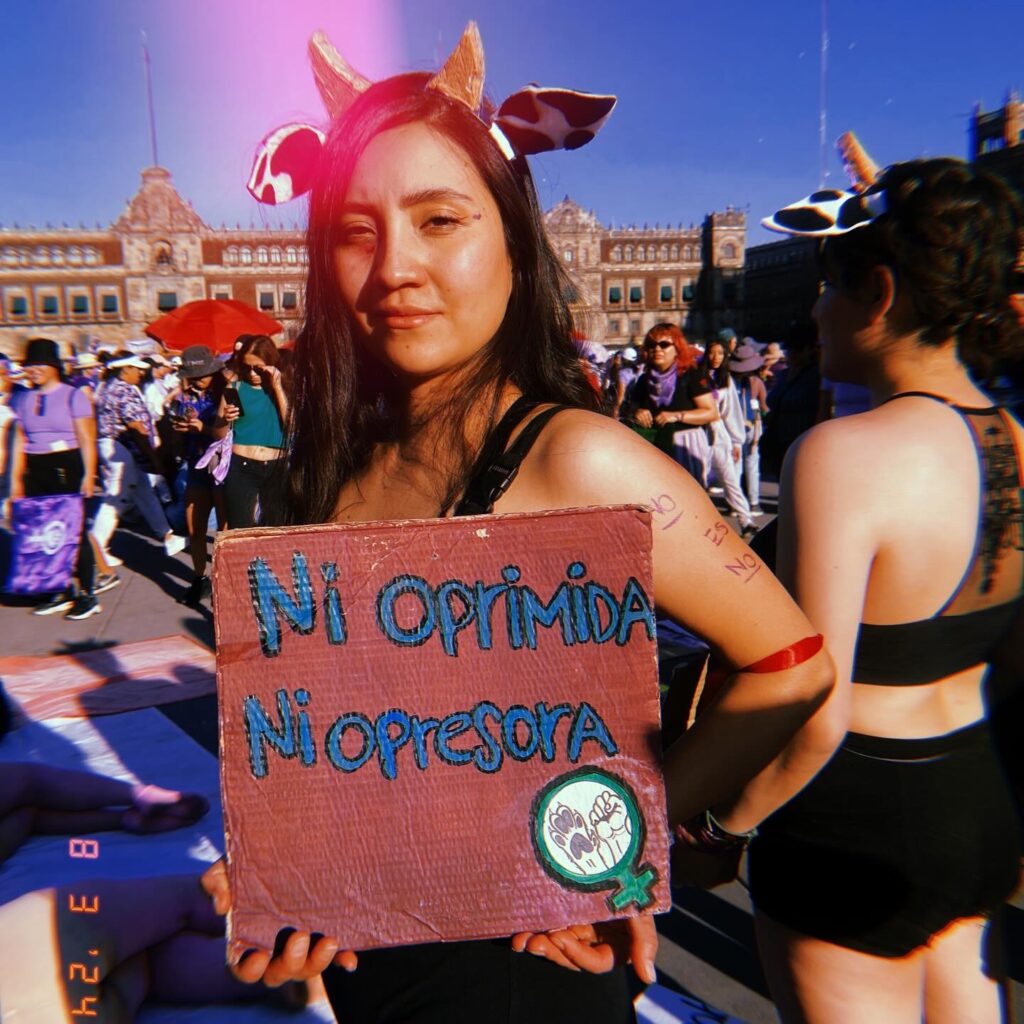
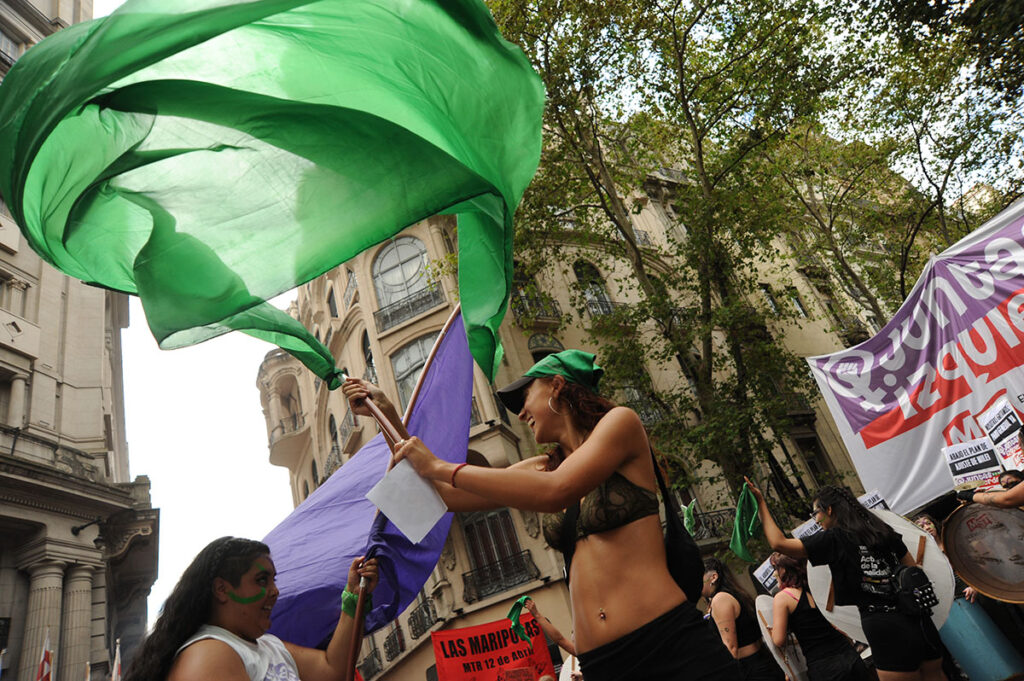
On March 8th in Mexico City, various marches took place both in the city center and on the outskirts of the city. Those who gathered downtown departed from different points, including the Monument to the Revolution, the Winged Victory statue, and the Glorieta de las Mujeres que Luchan (Roundabout of the Women Who Fight ). This year's march was massive; according to authorities, more than 180,000 women attended. This makes it the largest march in recent years, surpassing the 2020 march .
Mothers and fathers of victims of femicide and disappearance, scientists and academics, students, musicians, girls, teenagers, older women, indigenous people, embroiderers, women living with disabilities, trans women, Afro-Mexican and Maroon women, neurodivergent women, women and dissidents in solidarity with the Palestinian people and against genocide, taco vendors, fat women, sex workers, fandango dancers, Colombian women living in Mexico, batucada drummers, skaters, and others.
The streets seemed plastered with posters denouncing sexual aggressors; the call to be present “for those who are no longer here,” against harassment and various forms of violence. And in contrast to previous years, no transphobic slogans were heard or seen on the walls during the march.
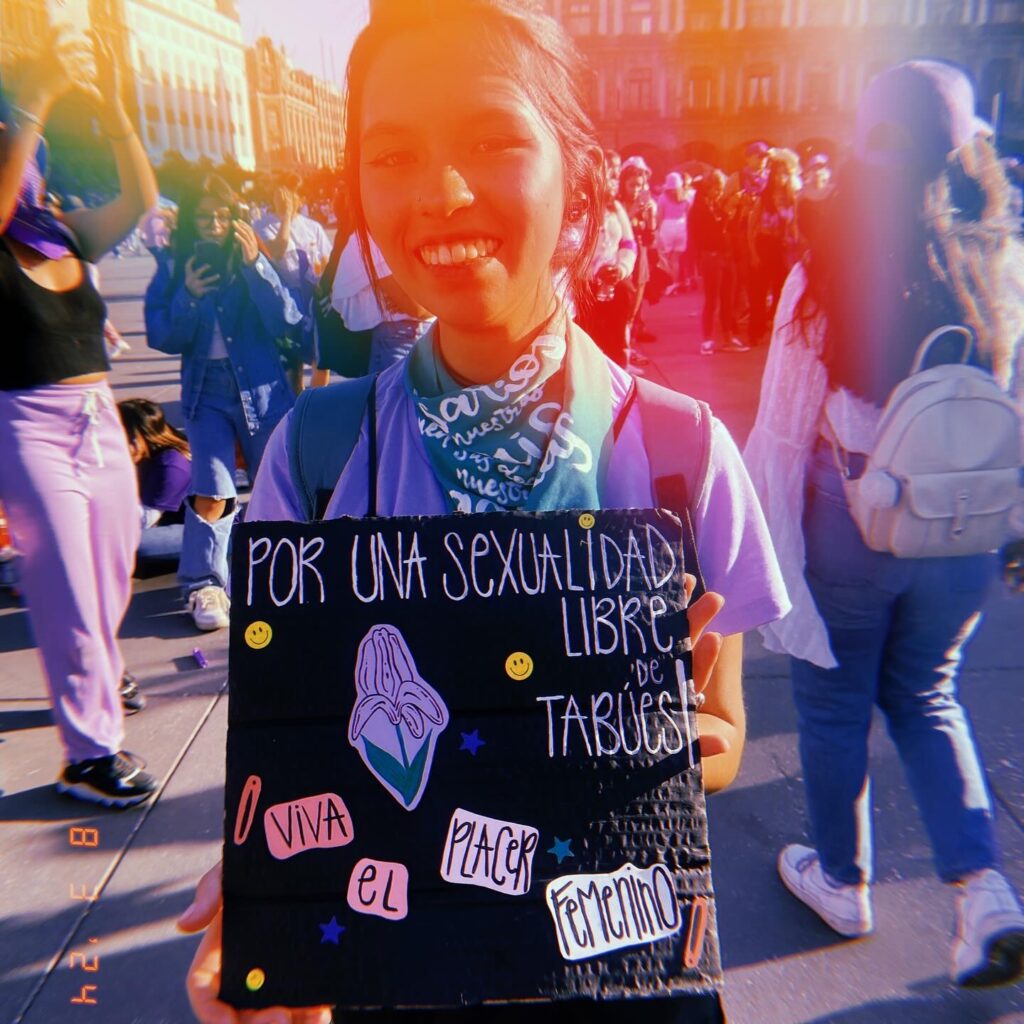
In Mexico, 10 women are victims of femicidal violence every day, and only 30% are investigated as such; 99.7% of sexual violence crimes go unpunished.
Authorities deployed more than 2,000 members of the Mexico City police force and the Navy, who guarded the presidential residence. Police were present along sections of the march route, and it was at the National Palace where police used tear gas and fire extinguisher powder against the protesters.
Argentina: unity against the policies of Javier Milei
A diverse and anti-patriarchal wave gathered in front of the National Congress on March 8th to commemorate and demand rights on International Women's Day. It was a day of renewed mobilization and collective organization, reminiscent of the massive turnout that has characterized Argentina's feminist movements throughout the years.
The economic adjustment of Javier Milei's government, the attack on feminism and the gender agenda, along with the advancement of a policy based on the violation of rights, were the key factors in bringing together all sectors of feminism once again and massively, in the streets and in the document that was read during the afternoon at the close of the day in the City of Buenos Aires.
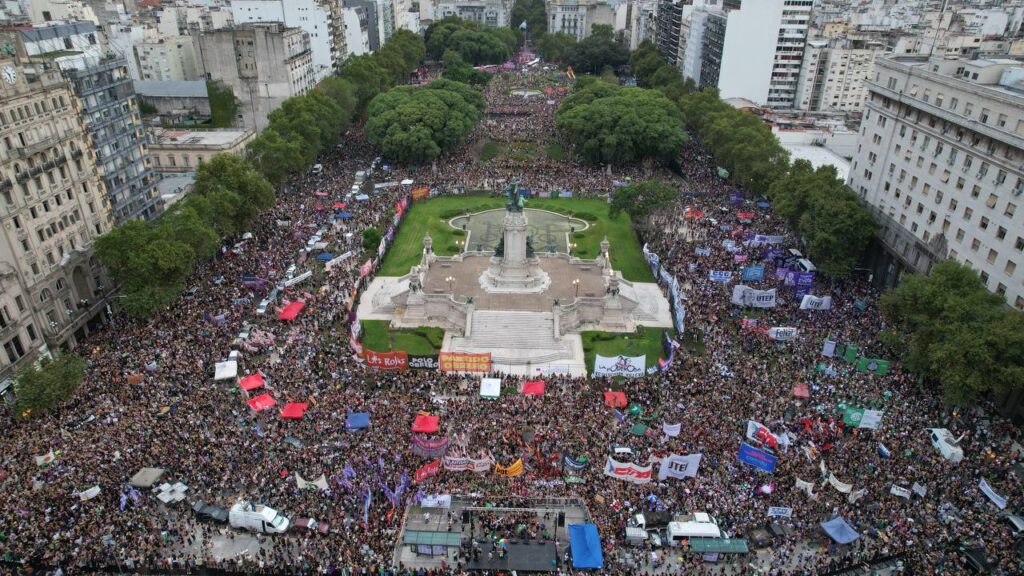
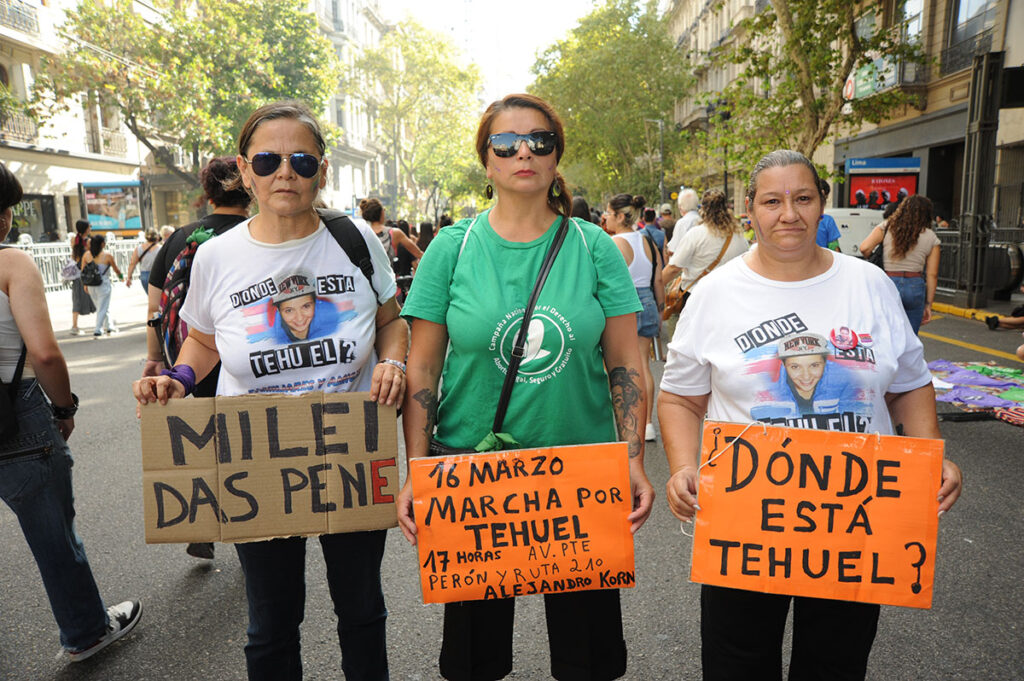
It was a day of collective embrace, reunions, and smiles. Reclaiming the joy and power of being in the streets and together was the spirit of this gathering. According to Ni Una Menos, there were approximately 400,000 people at the march in Buenos Aires and one million across the country.
“We are in front of Congress to repudiate all those who want to erase by decree everything we have achieved,” said Taty Almeida, a leader of Mothers of Plaza de Mayo, Founding Line, to inaugurate the stage where the extensive document agreed upon by dozens of organizations was read.
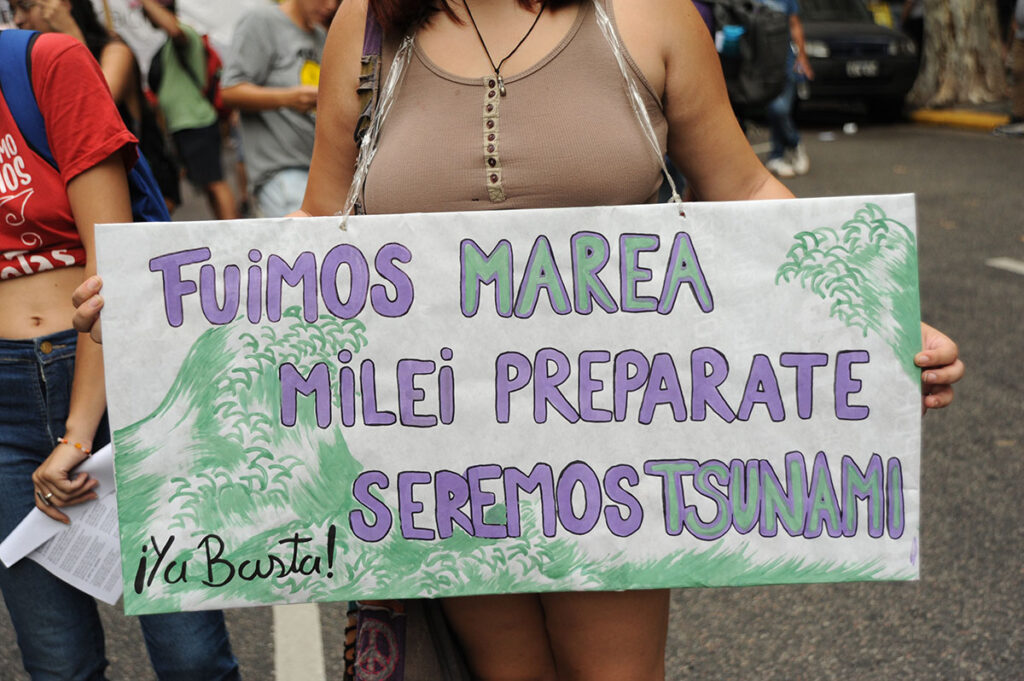
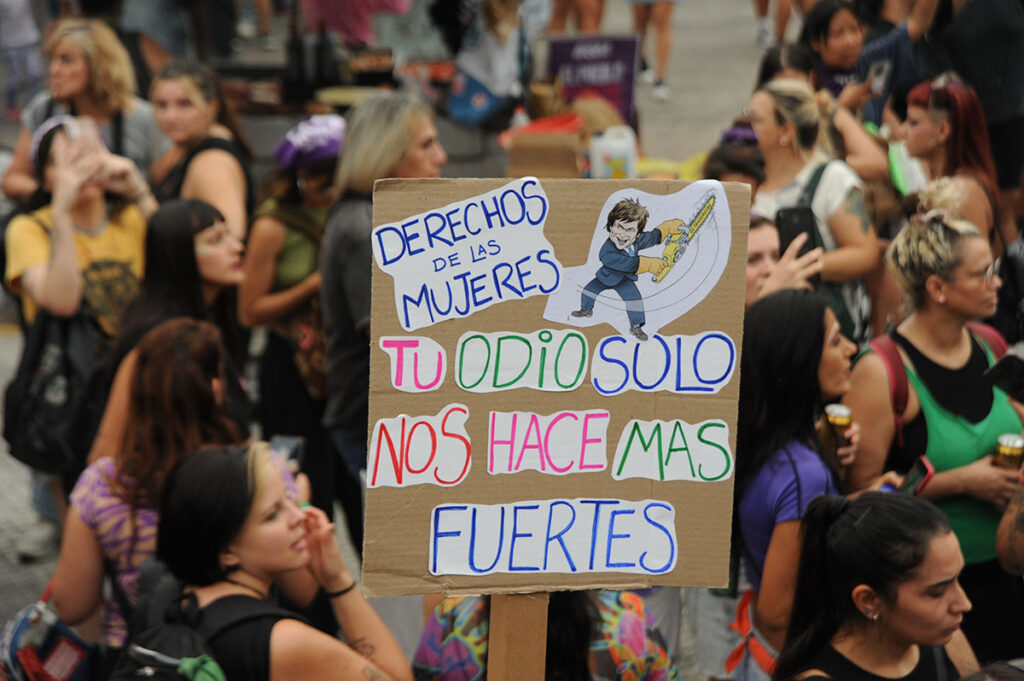
“It is very important that we are in front of Congress. There you will find the representatives elected by the people, and as such, they must answer to them. You cannot govern without Congress; it is where bills are debated and approved. Without Congress, there is no democracy. You govern with Congress, not sitting around on Twitter and issuing executive orders,” Almeida said.
Regional coverage credits:
Lima : Gianna Camacho /La Paz: Paula Rosales/ Asunción : Juliana Quintana and Jessie Insfrán Pérez/ CDMX : Milena Pafundi/Katia Rejón/ Arantza GarGo and Geo González; Buenos Aires: Collaborative coverage with Tiempo Argentino. Maby Sosa, Aldana Somoza, María Eugenia Ludueña, Lucas Gutiérrez and Ana Fornaro.
We are present
We are committed to journalism that delves into the territories and conducts thorough investigations, combined with new technologies and narrative formats. We want the protagonists, their stories, and their struggles to be present.
SUPPORT US

FOLLOW US
Related notes


We are present
This and other stories are not usually on the media agenda. Together we can bring them to light.