

Investigation: This is how “conversion therapies” were disguised in Santa Fe
Following a complaint, Santa Fe became the first province in Argentina, through its College of Psychologists, to take a stand against Efforts to Correct Sexual Orientation and Gender Identity (ECOSIG), or so-called conversion therapies. Four first-person accounts and an investigation into the new traps and disguises these practices, which amount to torture, adopt both in Argentina and around the world.



Share

Efforts to Change Sexual Orientation and Gender Identity—also known as conversion therapies or "conversion therapies" —still plague the LGBTI community. They are disguised as new recruitment strategies, for example, through institutions' social media networks, such as life counseling and spiritual coaching. Santa Fe was the first province in Argentina to engage in public and professional dialogue on this issue. This occurred in 2022, following a complaint filed by a young man against a psychologist for forcing him to change his sexual orientation. The Ethics and Disciplinary Tribunal of the College of Psychologists of that province issued a ruling stating that conversion therapies amounted to torture.
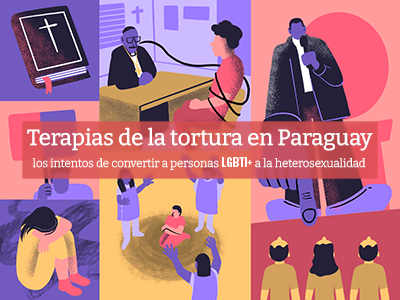
Educational camps, support groups, and psychological treatments are some of the tactics used by conservative religious groups to persecute gay, lesbian, trans, and transvestite people in the 21st century. Although these tactics vary from region to region, certain common patterns are replicated worldwide.
Gastón, Dino, Stephan, and Diego survived these so-called conversion therapies and share their experiences from the province of Santa Fe. They also call on others to share their stories, raise awareness of these cases, and work towards their prohibition in all countries. This investigation includes the voices of victims, data from ECOSIG (Ecological and Social Consensus Organizations) worldwide, the progress made by countries that have successfully banned them, the role of governments, and a legal toolkit.
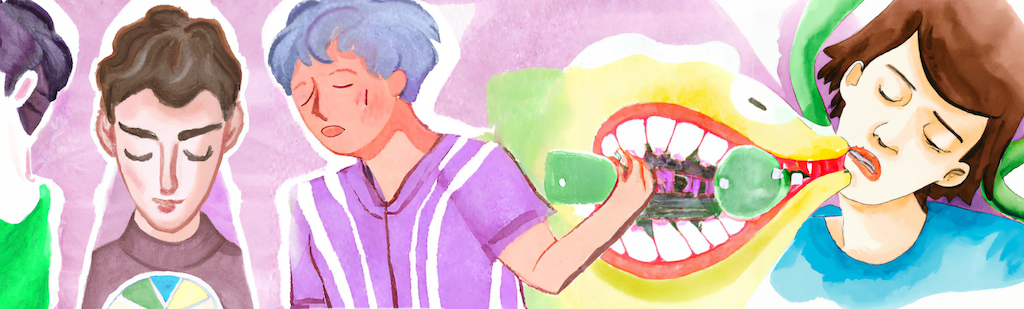
Who offers these fake therapies?
Various religious groups around the world continue to offer "therapies" to "cure" people with diverse sexual orientations or gender identities. While these are not exclusively cults, the basic mechanisms are the same as those used for decades. And they may adopt unique characteristics in each region to camouflage themselves more subtly.
In this research, we explore the new tactics that organizations use to operate in social networks and virtual spaces.
We listened to the testimonies of people who suffered pressure from cults and professionals they approached seeking support in the province of Santa Fe. We contextualized these testimonies with information about how these anti-rights networks operate transnationally. We also consulted the human rights framework that protects LGBTQ+ people from these reactionary practices in the region and around the world. And we explored what is being done today to prevent and prohibit so-called conversion therapies.
In the province of Santa Fe alone, we met Gastón Onetto, Dino Germani, Stephan Zambrano, and Diego. All four stories share a common thread: in the spaces they sought support in, the anti-dissident messages eroded their self-esteem, isolating them and leaving them vulnerable. Although these events occurred years ago, they can now share their stories and offer some insights. Their experiences contain crucial elements that connect them to the challenges others face today, because the same underlying mechanism .
Exploiting guilt and promising false well-being are often the first steps to capture those who are going through a moment of affirming their identity, searching for answers and support.
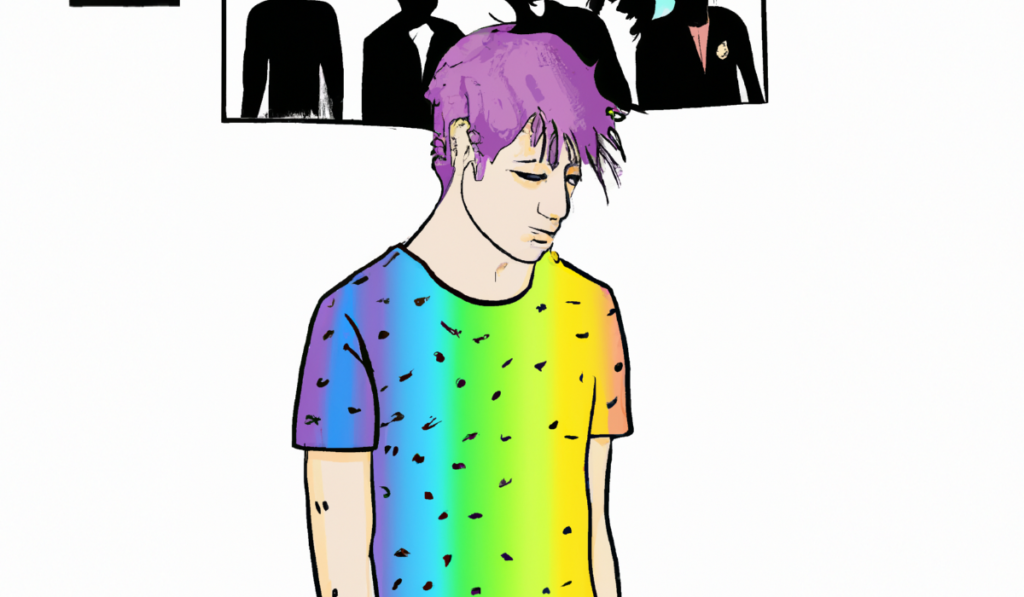
Recruitment tactics in networks and virtual spaces
The key to these mechanisms, which are replicated in recruitment spaces on social media and on the websites of various international organizations based in Argentina , is almost always the same: a supposed loving approach to accompanying someone who, “due to childhood suffering, has lost their way.” To this end, they offer testimonials from “recovered” individuals and provide study and research materials.
“‘If I like someone of the same sex, does that mean I’m gay? No. The reality is that same-sex attraction is usually just a phase,’” reads a section of Bible teachings called “Young People Ask ” on the official website of Jehovah’s Witnesses. It continues with a strategy repeated on other websites and social media: a life story, told in the first person, with language that suggests intimacy. Other articles on the same site even offer recommendations on how to answer questions about homosexuality according to the Bible.
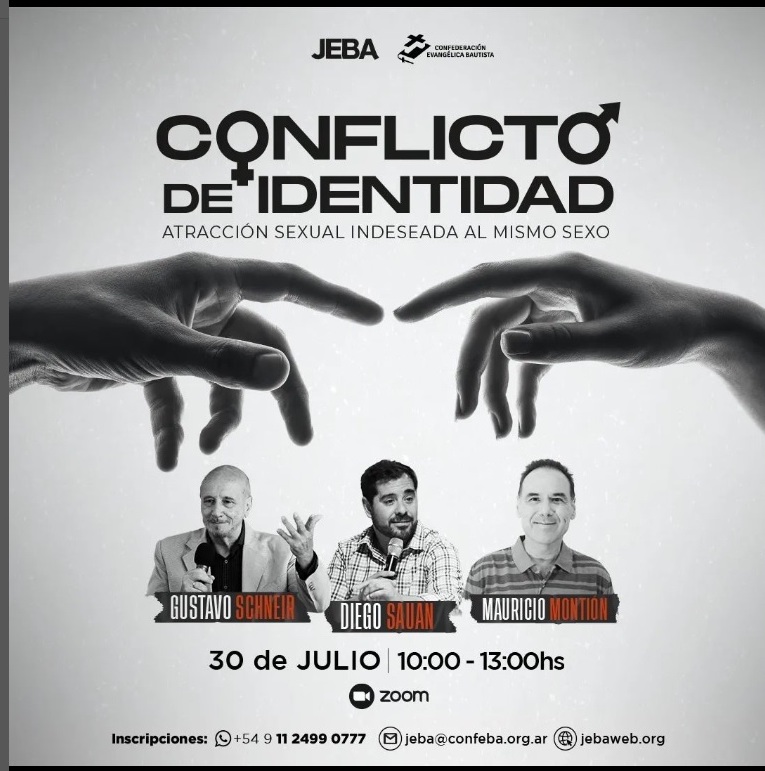
also become a tool used by these groups to reach out to those who are conflicted or lack real support networks . On Instagram, the National Evangelical Baptist Youth recently organized a Zoom meeting titled “Identity Conflict: Unwanted Same-Sex Sexual Attraction,” featuring presentations by Gustavo Schneir, Diego Sauan, and Mauricio Montion.
Meanwhile, the Restoration Ministry of Argentina posted a video titled “Same-Sex Attraction: A Biblical and Compassionate Perspective,” which was removed from YouTube a few days later. However, the organization's website features testimonials from “recovered” individuals and offers access to an online course , called the Ministerial Study Program, “for all those interested in the topic of emotional, rational, and sexual restoration.”
Module 7 outlines what to do when “someone you love is gay” or “someone you love is praying for you, a gay loved one.” It also proposes the following areas of study: How to interact with a gay loved one; Understanding Homosexuality and Lesbianism; How the Church can respond to those who are broken.
These examples are part of long-standing strategies employed by these religions or cults, now facilitated by more modern technology, but which perpetuate the same violence against the LGBTI+ community that has been used for decades . These tactics accompany on-the-ground work carried out by followers who circulate across all social strata, achieving varying degrees of impact depending on their background and the vulnerability of their victims.
How false territorial and transnational promises
LINK https://youtu.be/YQc6jH_fsV0
Some organizations operate in working-class neighborhoods of various cities, with "churches" set up in small buildings or even in the living rooms of private homes. Others build international networks and connections, such as the Aguas Vivas church, affiliated with the US-based Desert Stream movement. It gained popularity in Argentina in 2012 after holding a three-day seminar in the city of Paraná where it promised to "heal broken lives" and "unwanted homosexuality."
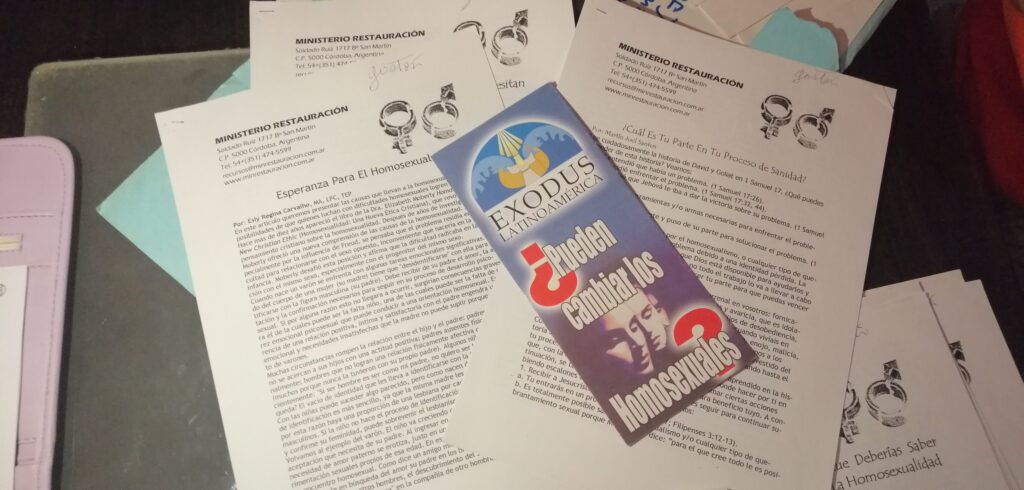
On that occasion, Pentecostals, Evangelicals, Adventists, and other Protestant groups from the capital of Entre Ríos province organized the intensive course with the Americans . The organization Exodus Latinoamérica, part of the Exodus Global Alliance, operated along the same lines, defining itself as “an interdenominational association of Christian ministries worldwide, dedicated to providing tools to communicate the message of salvation and sexual integrity through the transformative power of Jesus Christ.”
Today, in Argentina, one of the aforementioned organizations, the Restoration Ministry , is operational in the city of Córdoba. It was founded and is led by Mauricio Montion, also mentioned in previous paragraphs, who established this institution based on the theoretical foundations of Living Waters. In his presentation , he describes how he came to know the international organization through a Christian psychologist in Buenos Aires, who had brought the books and CDs from the United States. After this contact, he traveled to the US in 1998 and two years later opened his own organization in Córdoba.
The Restoration Ministry is not only active on its website and social media but also continues with a full schedule of retreats, seminars, and virtual and in-person meetings. They even organize events in Chile, where they previously operated virtually with a similar website that is no longer online. Offerings for Chile are now made through the same Argentine website. For example, they are advertising a retreat of this type for May 2024. This situation persists despite legislative changes in Chile over the last two years. In 2022, Law 21.331 on the Recognition and Protection of the Rights of Persons in Mental Health Care was passed, which prohibits "reparative therapies" based on sexual orientation or gender identity.
The Restoration Ministry operates in conjunction with the Siloé International Evangelical Foundation and Ministry, which serves as the organizing body. A search for the organization online yields Radio Siloé, which broadcasts from the Villa Unión neighborhood of Córdoba, the capital city of the province of the same name. Its address is located at the corner of Río Yuspe and Atilio Cattáneo streets in Córdoba, the same address used by the organization led by Montion to conduct seminars (see their social media ).
But upon entering the Radio Siloé , one also finds a series of sections discussing the Siloé International Church, founded by a man named Carlos Juárez, and a link to online theological studies. Clicking on the link opens another website: the Interdenominational Theological University El Shaddai International Christian University , a Pentecostal institution, also has its virtual classroom there
A common thread running through all these proposals is their focus on listening, caring, and fostering self-esteem. In times of social and economic crisis, other topics also serve as entry points to these spaces, such as personal finance training and leadership development.
IN THE FIRST PERSON
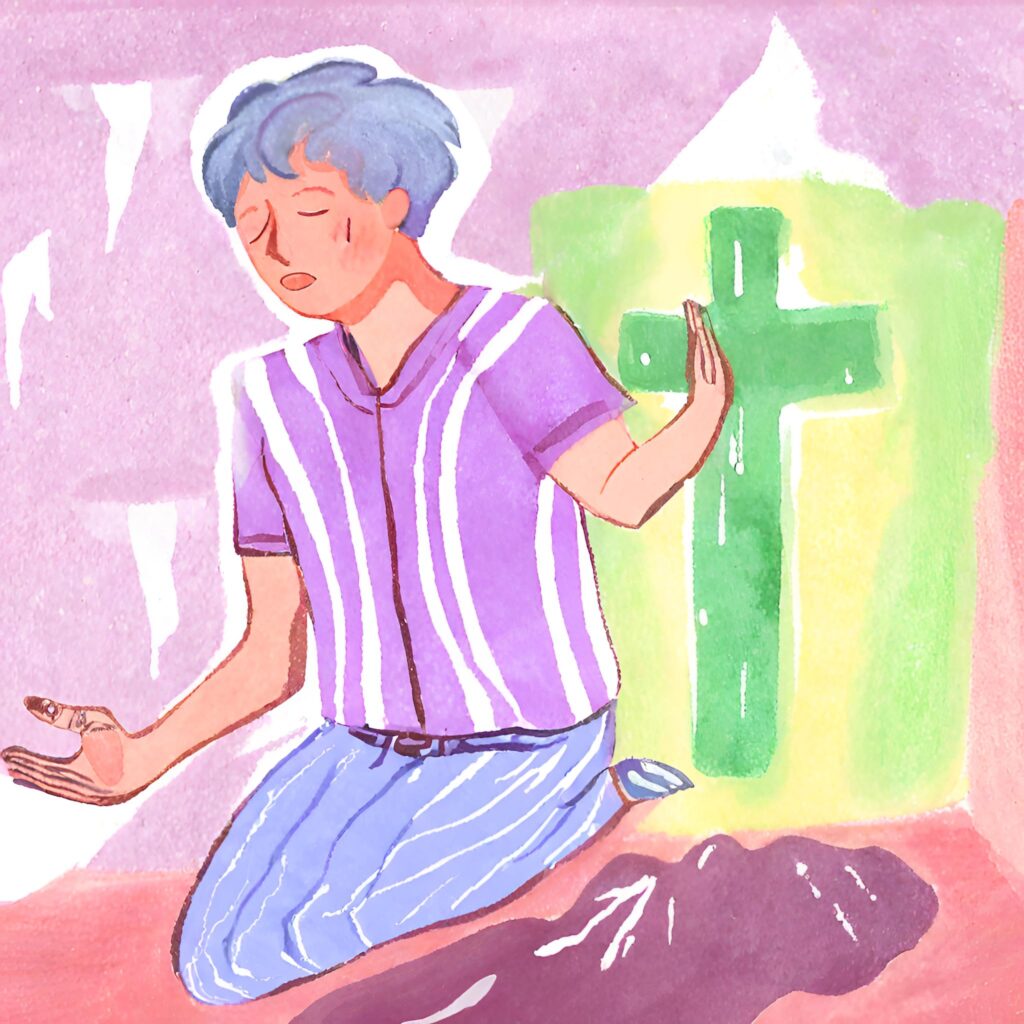
In the search for testimonies about the actions of these types of organizations, the first-person accounts of Gastón, Diego, Dino, and Stephan emerged. Through different paths and religions, they were all subjected to these guilt-inducing and violent practices that targeted their beliefs. Each story is different, but the underlying dynamic of conservative groups within religions is always the same.
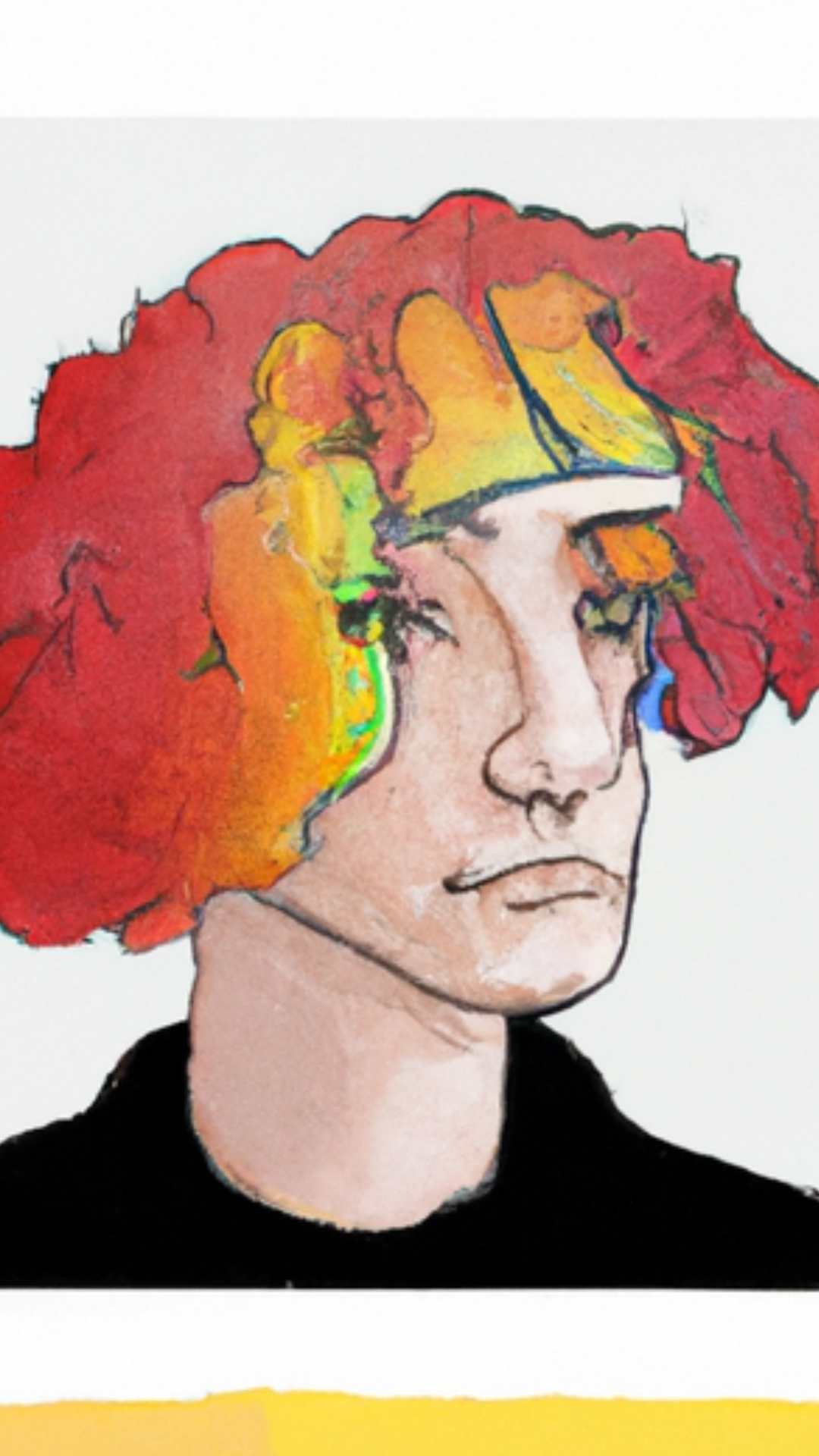
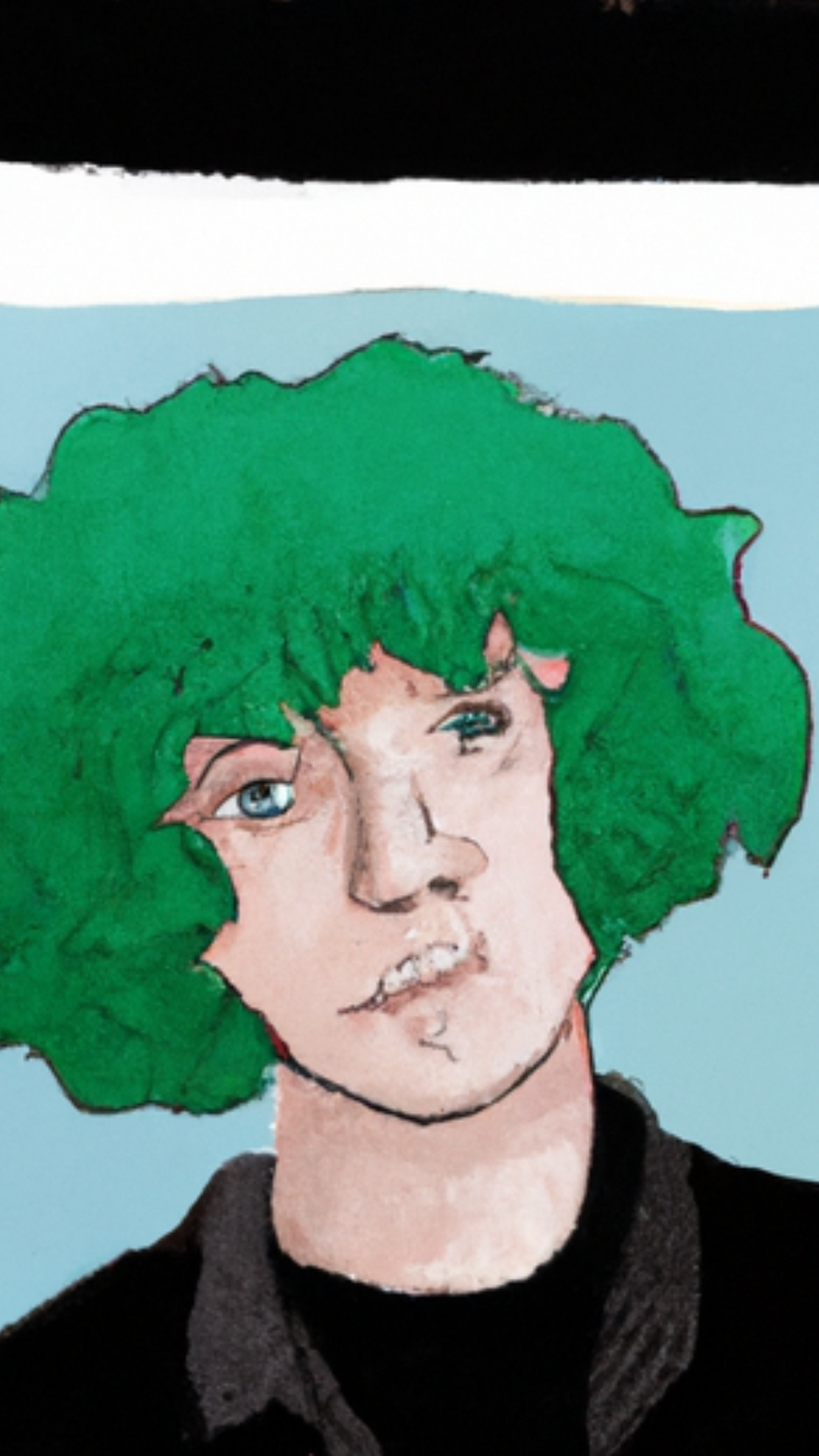
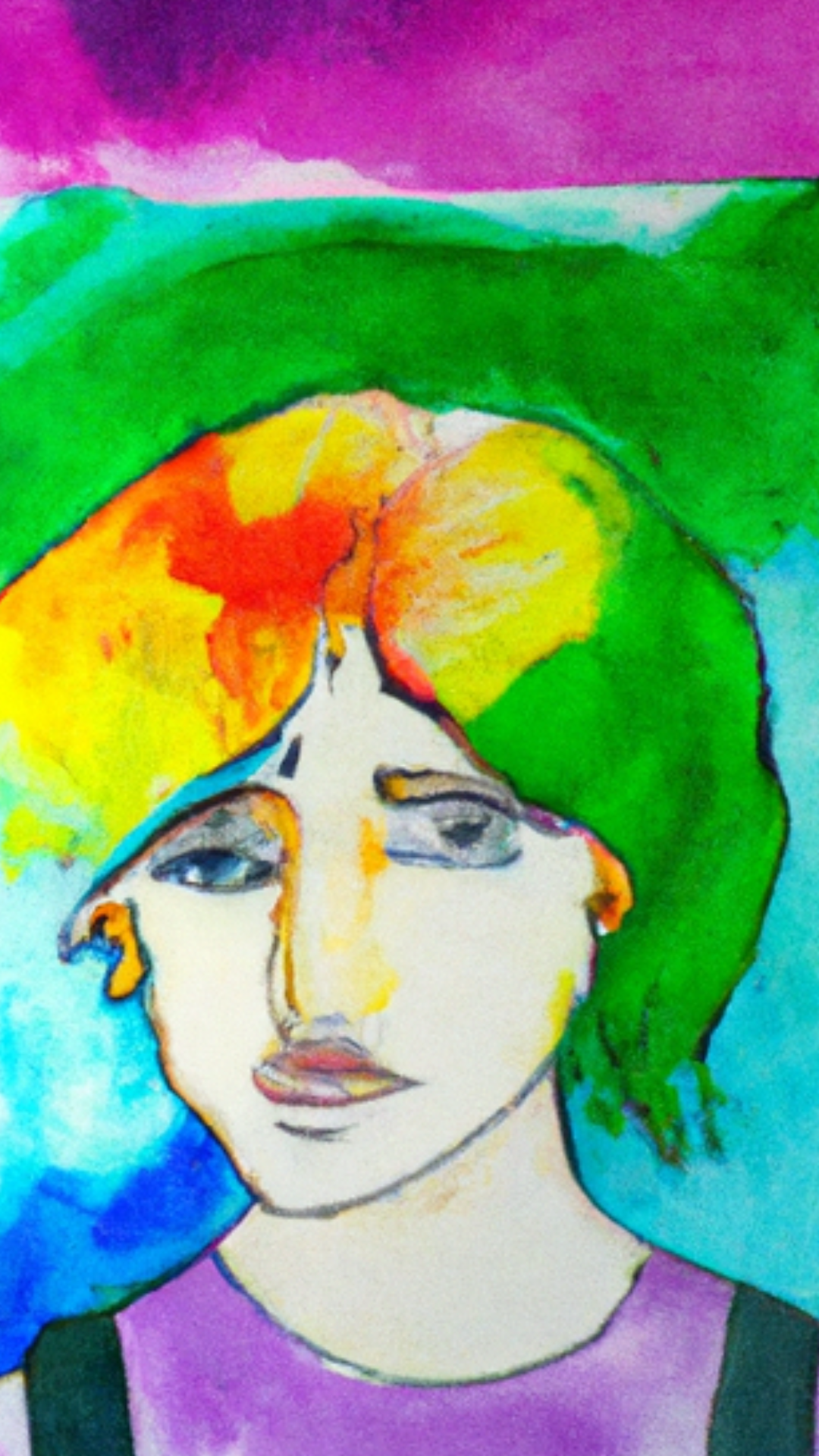

The first of the testimonial cases made the news in 2022, after a resolution by the Ethics and Discipline Tribunal of the College of Psychologists of Santa Fe First District in relation to a complaint against a psychology professional for forcing a person, Gastón Onetto, to submit to these practices in order to try to modify his sexual orientation.
After the court's rulings were announced, Betsabé Caspani, president of the Santa Fe 1st District College of Psychologists, spoke with Presentes about these practices. She described them as "devastating, with a heartbreaking subjective impact. And traumatic because there is a blurring of desire, of choice, a submission to changing one's sexual identity."
Because of the profound impact of these violent practices, reporting these incidents is very difficult for victims . Sometimes it requires time to process what happened and put it into words. Some people never reach that point.
Among the crucial points of making the corresponding complaints in these situations, there is not only the visibility of these practices but also the need to activate reparation mechanisms for the affected people.
What are ECOSIGs?
Conversion therapies—a term we prefer to avoid because there is nothing to treat or cure—are now identified worldwide as Sexual Orientation and Gender Identity Change Efforts (SOGE). These practices violate human rights. Those who suffer them experience physical and/or psychological consequences from the abuse and violence they endure. However, significant global progress in identifying, prosecuting, and preventing these practices has yet to be made.
One of the organizations that has most extensively researched current legislation on this issue is the International Lesbian, Gay, Bisexual, Trans and Intersex Association (ILGA World). The organization has developed a legal toolkit based on regulations from various countries. According to their latest report , only eight countries explicitly prohibit conversion therapy.
In December 2023, for the first time, professional associations and guilds of mental health professionals from various countries in Latin America and the Caribbean issued a statement demanding the eradication of conversion therapy practices . It was the first statement of its kind in Latin America and was signed by eight entities from Brazil, Venezuela, Colombia, Peru, Chile, Argentina, the Caribbean Alliance of National Psychology Associations, and the Latin American Psychoanalytic Federation .
In 2020, ILGA World also published an international report on so-called conversion therapies. The investigation was led by Lucas Mendos, a lawyer, professor, and researcher specializing in international human rights law and sexual and gender diversity.
Only 8 countries in the world prohibit treatments that attempt to change the sexual orientation and gender identity of LGBT people*.
Source: Ilga World Database.
“These therapies take place in a highly opaque environment, in clinics or camps where everything is obscured. The discourse of 'We're going to cure homosexuals' has been almost completely abandoned in most countries, so it's not so easy to prove when conversion therapy has occurred. There's a rebranding; they present themselves as life counseling and spiritual coaching. And, above all, within the realm of institutionalized religions, there are many initiatives to assist people in reconciling their sexual identity with their religious identity and helping them make that coherent so they can live their lives. All of this poses a significant challenge to reporting and proving these practices,” explains Lucas Mendos, representative of ILGA, in an interview with Presentes.
“They occur in a context of extreme opacity, in consulting rooms or camps where everything is diluted. There is a rebranding . Other times they are presented as life counseling and spiritual coaching.”
Lucas Mendos, ILGA World
And she explains that, in the countries where progress has been made, laws have been passed prohibiting conversion therapies. “So far, from a legal standpoint, it’s the best that could be done. There are eight countries with specific laws.” Then, in a group of countries including Argentina, there are laws such as the Mental Health Law . “These types of laws prevent a person from being diagnosed based on their gender identity or sexual orientation,” says Mendos. “It’s a step in the right direction.”
Why States Must Take Action
In an interview with Agencia Presentes , Mendos emphasizes that, due to a combination of factors, in recent years there has been “a kind of explosion in the measures that states have begun to take.” He clarifies that before reaching these concrete measures in all the countries where investigations were conducted, “there have always been, on the one hand, victims who begin to speak out; and also healthcare professionals receiving complaints.”
In 2020, as part of the investigation, ILGA identified numerous professional associations that had noted these procedures were still being applied . This helped to establish a consensus and provide the basis for states to take action.
In the legal sphere, the situation is different because, “ historically, the courts haven't received complaints about treatments other than the typical, more extreme forms we know, such as torture or forced labor, where there are clearly criminal offenses to prosecute such conduct .” “It's much simpler to see a case like that than when a judge learns that someone has been undergoing conversion therapy, where they're sent to a camp, receive weekly counseling, often from a priest or religious leader, and it becomes a much more ambiguous issue,” Mendos said.
"Historically, the courts have not received complaints about treatments other than the typical ones we know in their most extreme form, such as torture or subjugation to servitude, where there are clearly criminal offenses to prosecute such conduct."
In that regard, he explained that—as the victims recount in the main report—these therapies take place in a highly opaque environment, not in clinics but in camps or similar settings where everything remains hidden. “ The discourse of 'we are going to cure homosexuals' has been almost completely abandoned in most countries , so it's not so easy to say 'here's a conversion therapy.' They present themselves as life counseling, identity coaching, spirituality coaching, or they fall under the umbrella of religions . Many are now proposing 'how to assist people in reconciling their sexual identity with their religious identity,'” he elaborated.
Regarding the legal framework that would allow for a more precise approach to the problem, Mendos said that in the countries where the most progress has been made, specific initiatives have been implemented, including laws prohibiting conversion therapies. In others, such as Argentina with its Mental Health Law, he considered it "a halfway step."
And from a criminal justice perspective? “The application of prison sentences for perpetrators is under debate in some countries; because some argue that restorative mechanisms are far more productive in terms of concrete results for victims, such as requiring community service or fines that are earmarked for organizations that support victims. This would be a further step towards restorative justice,” he concluded.
“ In the countries where the most progress has been made, specific initiatives have been implemented, and there is a law prohibiting conversion therapies,” says Lucas Mendos. “ In others, like Argentina with its Mental Health Law, it’s a halfway point.”

We are present
We are committed to journalism that delves into the territories and conducts thorough investigations, combined with new technologies and narrative formats. We want the protagonists, their stories, and their struggles to be present.
SUPPORT US

FOLLOW US
Related notes
We are present
This and other stories are not usually on the media agenda. Together we can bring them to light.