

4. In the first person: Stephan, migrating from country to country and changing gender identity
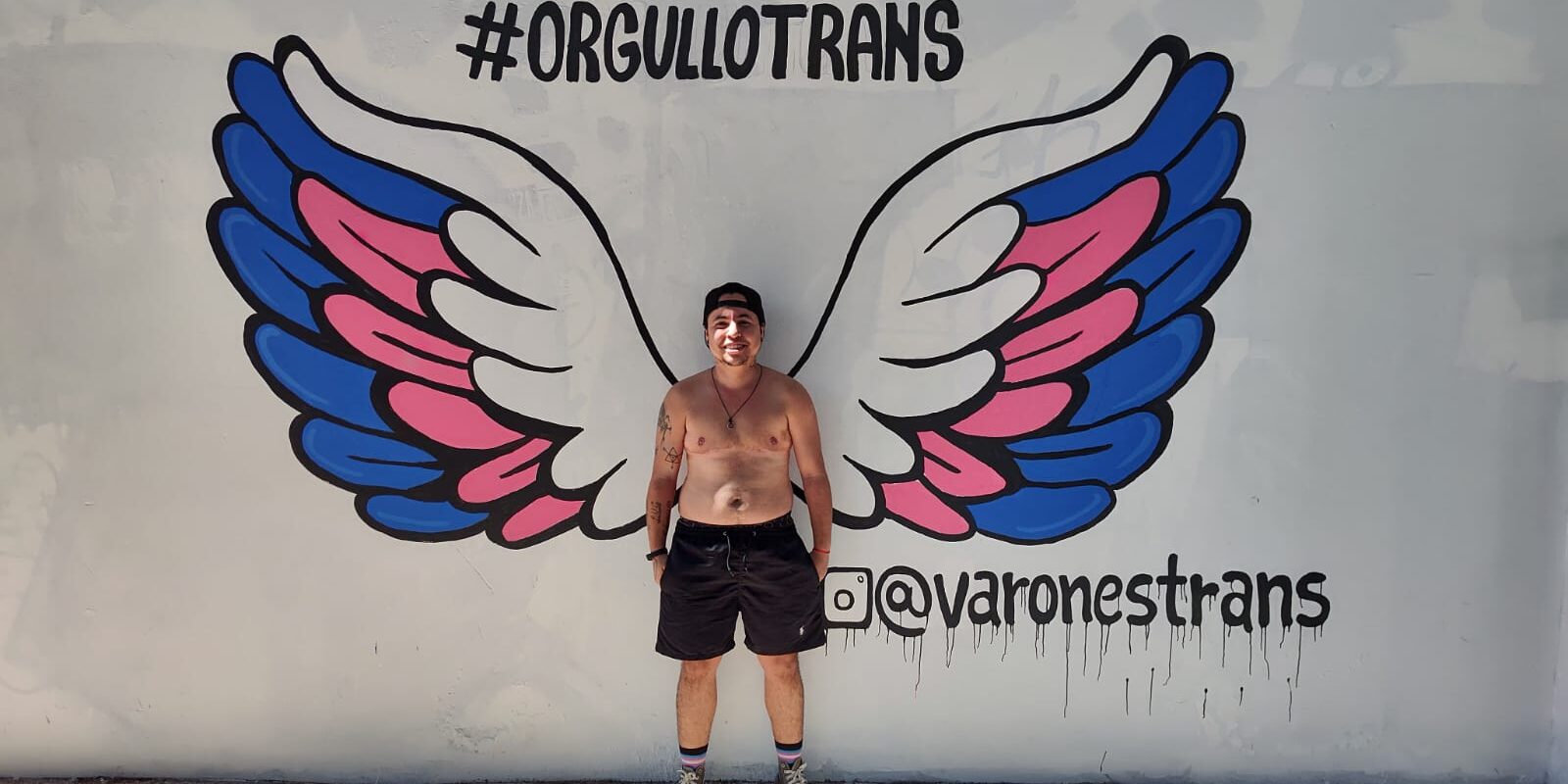
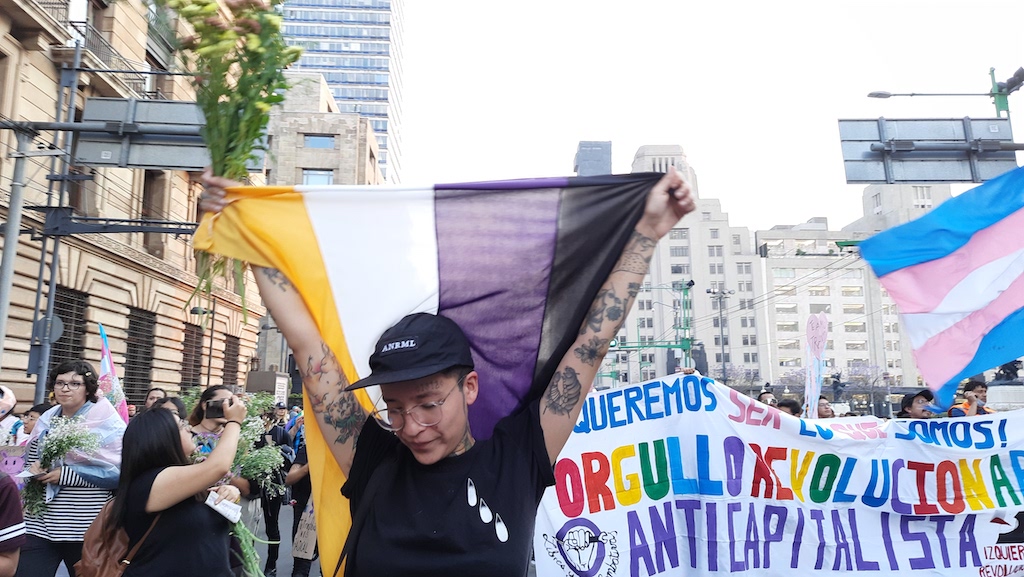
Stephan Zambrano was born in Venezuela, where he was a Jehovah's Witness. In Argentina, he was able to overcome fear and guilt and live his identity as a trans man.

Share

Stephan Zambrano is a young Venezuelan trans man who has lived in Santa Fe, Argentina, for years, as has his mother. He was a Jehovah's Witness in his home country from the age of 10 to 16 because his entire maternal family belonged to the church; even his uncles and grandparents held high-ranking positions. Unfamiliar with the concept of a trans man, he was in the midst of a search for his identity during that time. His story shares some similarities with Dino's: the same religion, the same fears and guilt, the same need to go into exile to be himself; but with a starting point in a different country.
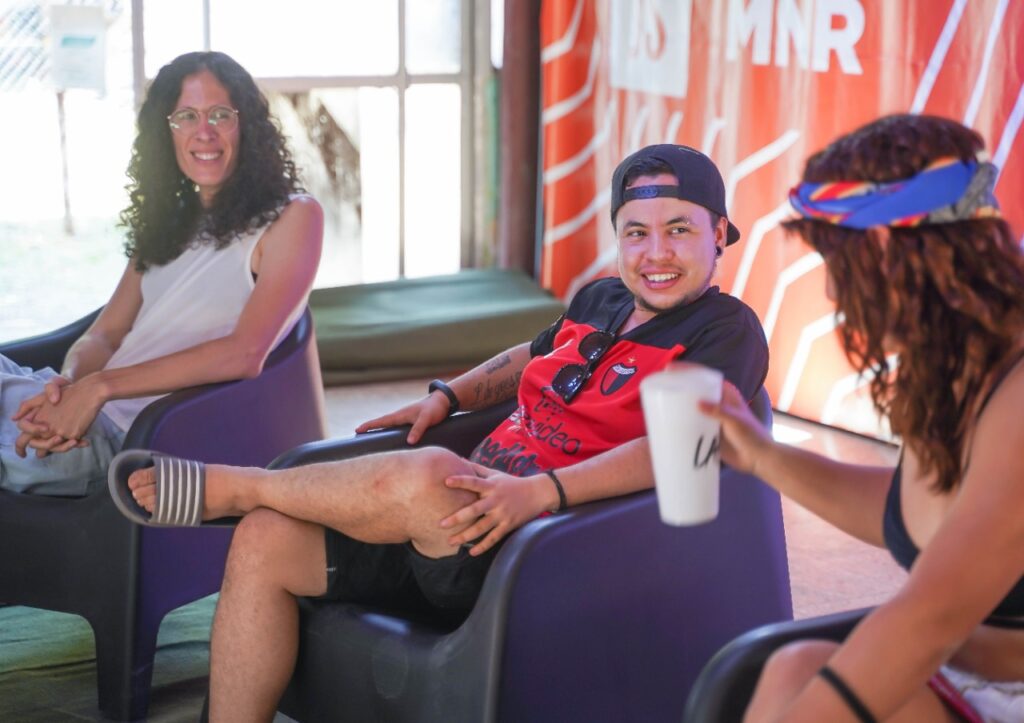
“I remember that we used to read a book there called Young People Ask , which said that you shouldn’t masturbate, it talked about the importance of virginity and it was always emphasized that the other person, a partner, should be of the opposite sex and from the organization,” says Stephan in relation to the activities in which he participated in Jehovah’s Witnesses.
Fear and guilt were the most common weapons in that environment. Fear of what "would happen when the world ended" and that her mother would suffer the same consequences because of her responsibility (that's what they told her). For someone who believes in and fervently trusts those in charge of the congregation, supposedly the wisest, the fear of angering God through action or thought can become almost irrational.
“In the organization, there was a committee of 'elders,' authorities, who could put you through a kind of trial where you could only repent of what you were accused of, and they would expose you in front of the rest. Except they couldn't do that to me because I wasn't baptized,” he recalls. Because he was “worldly,” he says, even members of his own family could stop speaking to him.
He adds: “They told me they could strip my grandfather and my maternal uncles, all three 'elders' in the same congregation, of their rank. Their peers kept asking them how it was possible that those who led a 'flock of sheep' could have a situation like mine in their own house. And they said they knew nothing.”
The start of university marked the beginning of the end for her torment. At that time, Stephan recalls having a strong feminist stance within the congregation: “I would ask why the sisters couldn't go up to give an important speech from a lectern and were only allowed to sit at a small table for five minutes to do a mock sermon, and that was it. I would ask why I couldn't have a leading role because I was a woman. Besides, I didn't embody the typical femininity that was expected in the congregation, with skirts, submissiveness, and so on.”
Back then, he still didn't know "what a trans man was." "In my head I thought, 'Well, I like girls, maybe I'm a lesbian.'" The years of isolation within the same congregation, which also included much of his family, had prevented him from exploring his sexual identity. "When I was finishing my studies, I began my transition to a trans man," he says.
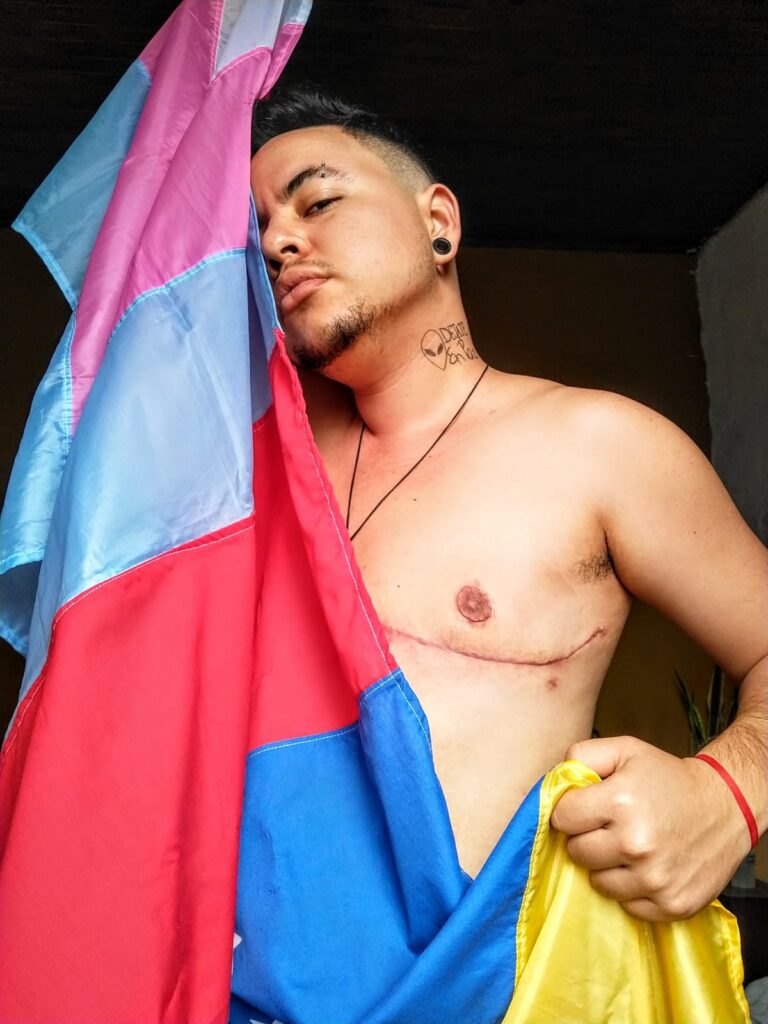
At that time, he hadn't yet heard of being a trans man. "In my head I thought, 'Well, I like girls, maybe I'm a lesbian.'"
The move to Argentina marked the end of his religious ties. “The last thing I remember my aunt telling me before I left was that 'Jehovah knows everything and maybe in the new world he was going to make me a man, but for now I should listen to what the Bible said and endure as a woman until the new world arrived,'” Stephan concludes, his Venezuelan accent still intact.
We are present
We are committed to journalism that delves into the territories and conducts thorough investigations, combined with new technologies and narrative formats. We want the protagonists, their stories, and their struggles to be present.
SUPPORT US

FOLLOW US
Related notes
We are present
This and other stories are not usually on the media agenda. Together we can bring them to light.