

Paraguay 2023: Anti-rights and anti-gender advance in the "Pro-Life" and "Pro-Family" countries
In 2023, disinformation and anti-rights narratives took hold from the very beginning of the election campaign. The new government moved forward with policies in that direction. They even considered creating a "heterosexual pride" movement.


Share

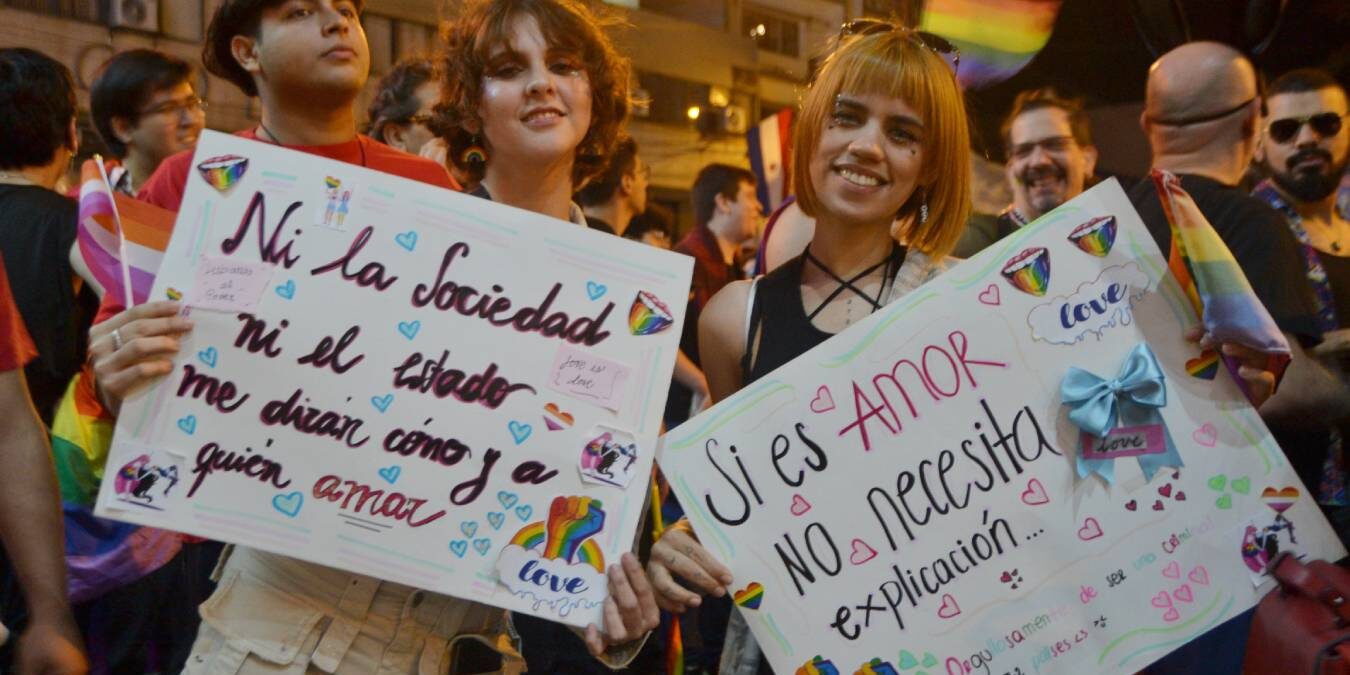
ASUNCIÓN, Paraguay. 2023 was a presidential election year in Paraguay, and as such, it was marked by disinformation campaigns and anti-rights narratives, as well as a proliferation of hate speech against LGBTQ+ people, especially in the digital sphere. On social media, malicious candidates and actors took advantage of opportunities such as fake accounts and troll farms. They offended, discriminated against, and attacked women and LGBTQ+ candidates with circular arguments centered on the defense of life and family.
A study in the book *Ruido* ( Noise), published by the Paraguayan media outlet *El Surtidor*, analyzed the hate speech disseminated through social media during the election period. It found that 25.9% of the victims of these attacks were members of the LGBTQ+ community. Self-proclaimed pro-life groups were among the main aggressors. In addition to impacting the mental and/or physical health of those affected, the hate speech inhibited their participation in public debate and fueled the perception that the elections were tainted.
Anti-gender and anti-rights policies
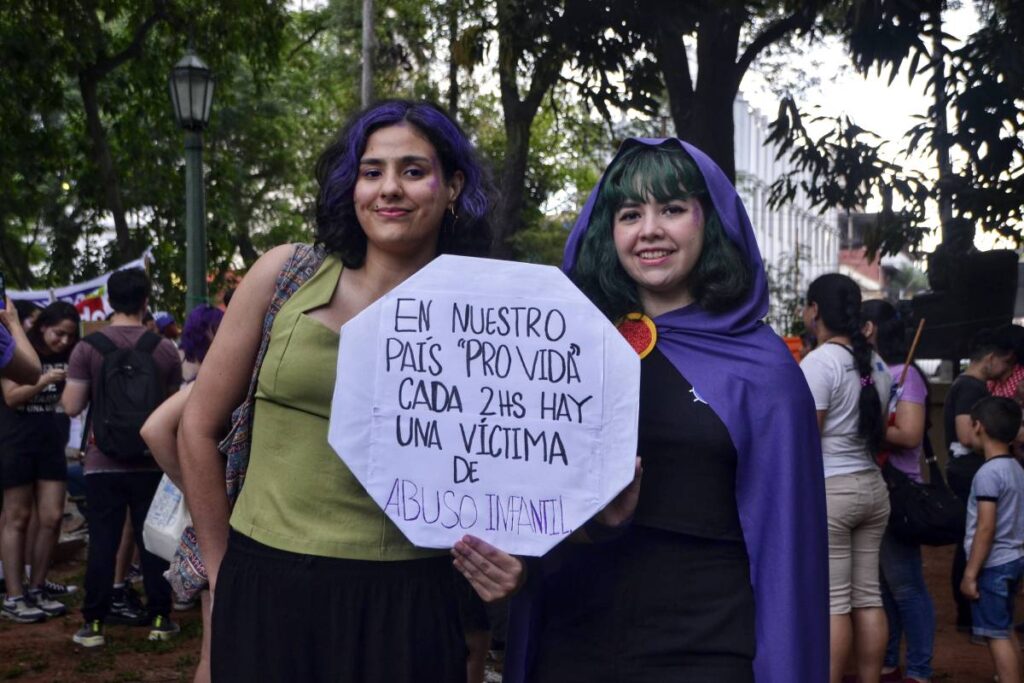
After consolidating its hegemony in Congress and the governorships, the Cartes faction quickly introduced anti-rights and anti-gender legislative initiatives . On May 10, the Asunción Municipal Council declared itself pro-life and pro-family .
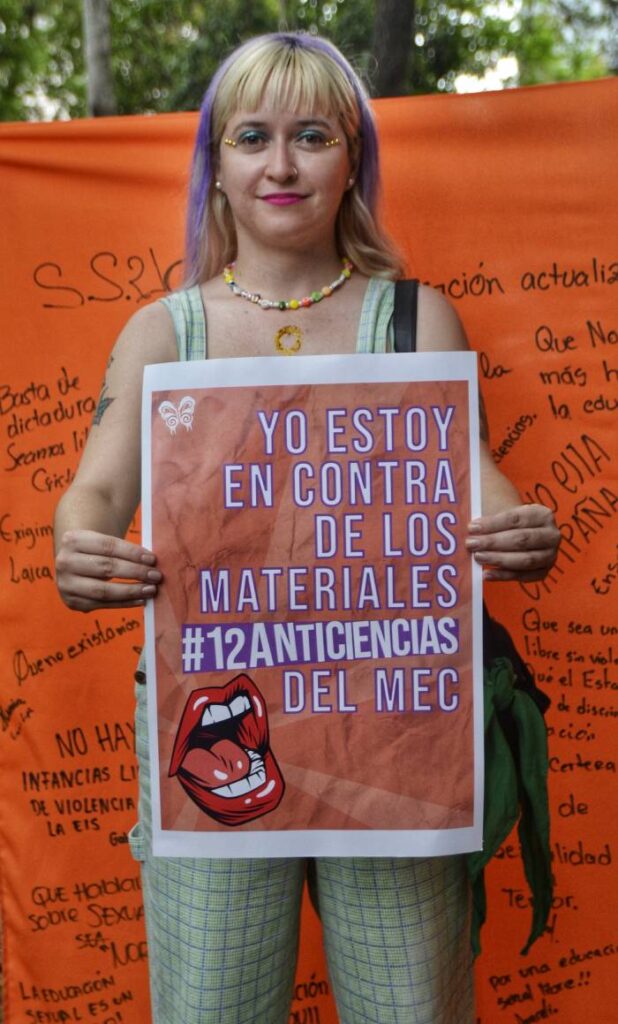
On June 23, the Ministry of Education and Science (MEC) quietly approved by resolution the use of the materials on sexual education 12 Sciences for the education of sexuality and affectivity in school, which contain gender stereotypes, hate speech and religious bias.
On July 3, Representative Dionisio Amarilla rejected the number 108 on his office door , thus perpetuating the stigma and criminalization of homosexuality, as during the dictatorship . On July 11, Asunción City Councilor Javier Pintos, of the Colorado Party, proposed to the Municipal Council the creation of a “Heterosexual Pride Week.”
On August 1st, Senator Lizarella Valiente, along with other senators from her party, sought to advance a bill that “prohibits the promotion, encouragement, or teaching of gender ideology in educational institutions.” According to her , her objective was to penalize “homosexual indoctrination.” Although it did not pass, she did not stop there.
That same month, the Chamber of Deputies gave preliminary approval to the bill that repeals the agreement with the European Union for financing education. The 70 legislators who voted in favor argued that “gender ideology” and “international agendas” endangered Paraguayan society, children, and values . This left the Ministry of Education and Science (MEC) without funds for food, textbooks, and infrastructure investment.
But all the “pro-life and pro-family” promises made by Honor Colorado during the campaign came to nothing, and the financial agreement with the EU was ultimately maintained. “This episode illustrates that the self-styled 'pro-life and pro-family' discourse is a propaganda position of the ruling party ,” note the authors of Chapter 108, Science, of the annual report of the Human Rights Coordinator (Codehupy) .
Transphobia in the Judiciary
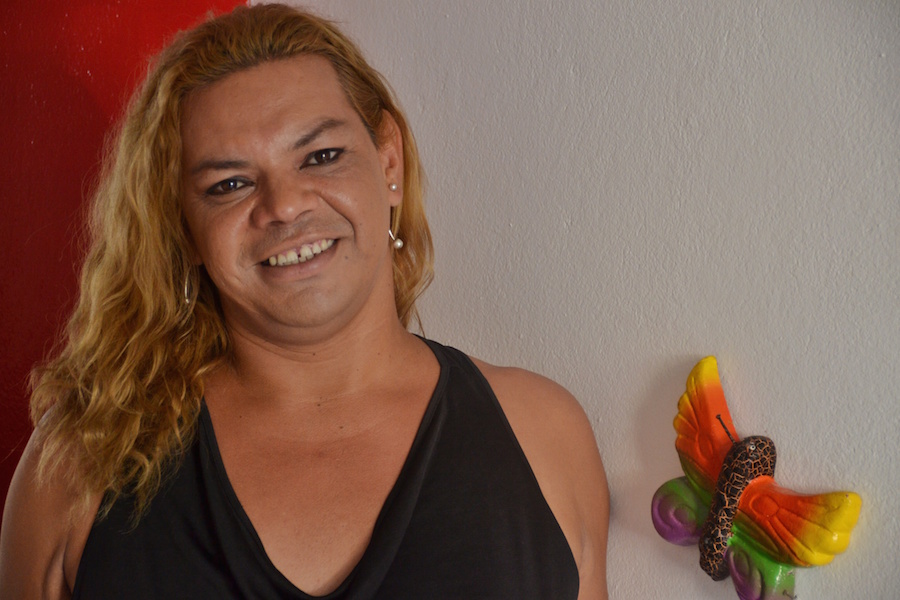
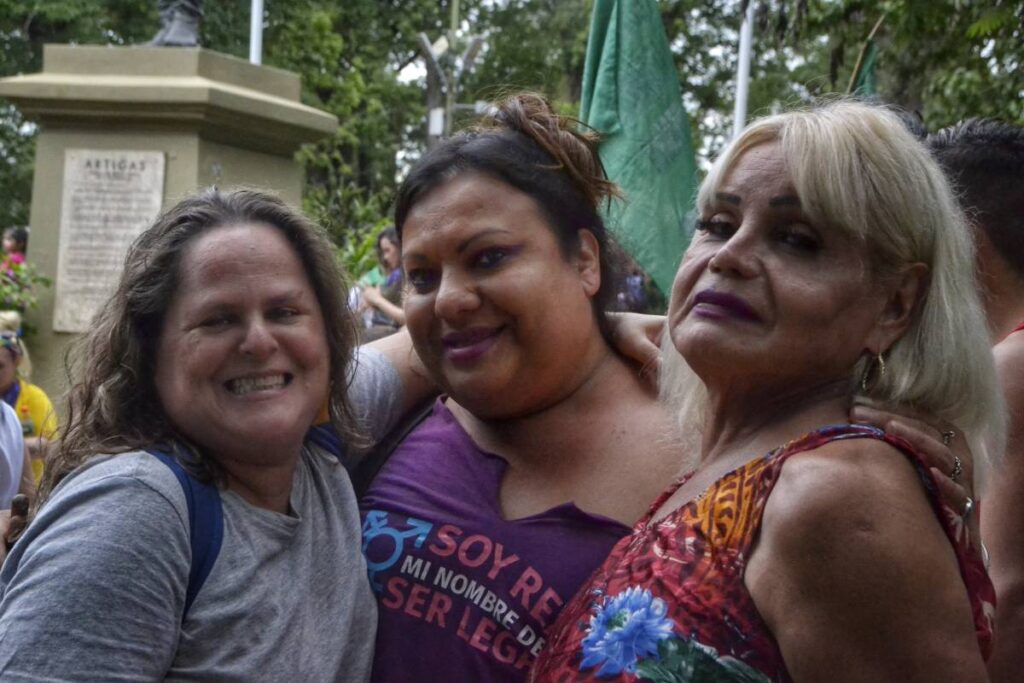
This year, the Judiciary rejected activist Mariana Sepúlveda's request to change her name in September. In the document, the judges argued that "it creates confusion about sex," thus demonstrating a clear lack of understanding of the standards regarding the right to identity and non-discrimination.
The transphobic stance contravenes Article 25 of the Constitution regarding the right to free expression of personality. This was stated by researchers Rosa Posa and Carolina Robledo, from Aireana; Erwing Szokol, from the Network Against All Forms of Discrimination; Walter Morínigo, from Presencia Joven and Kuña Roga; Florencia Falabella, from the Center for Interdisciplinary Rural Studies; and Yren Rotela, from Casa Diversa Casa Trans.
Censorship lurks
In October, progressive Senator Esperanza Martínez declared the XXIV Latin American Congress “New Clinical Challenges in the Mental Health of Children and Adolescents,” organized by the Latin American Federation of Associations of Child, Adolescent, Family, and Related Professions Psychiatry (FLAPIA), to be of interest. Senator Lizarella Valiente, from the Colorado Party, sought to repeal this initiative and censor the course “Care for Transgender Children and Adolescents: New Challenges,” deeming its content “unconstitutional .”
The feminist organization Psicofem stated : “Authoritarianism and censorship are lurking in every sphere. Now they want to infiltrate the scientific field, attempting to control content to be debated by specialists and experts in their respective areas. In these dark times, truthful, clear, and accessible information is an indispensable tool for guaranteeing rights and democracy.”
2023: Violence and discrimination in figures
During the period in which the report for Codehupy was prepared, the Rohendu service handled 200 cases related to violence, harassment, and persecution based on sexual orientation, gender identity, and gender expression. The main reason for seeking help was how to deal with discrimination. This accounted for 36% of the cases, followed by LGBTIQ+ inquiries (27%) and domestic discrimination and violence (12.5%).

Casa Diversa also documented violence and discrimination, specifically against transgender people. Between January and October 2023, they collected 53 cases in the cities of Asunción, San Lorenzo, Capiatá, Fernando de la Mora, Pedro Juan Caballero, and the department of San Pedro. The main complaints were related to discrimination based on gender identity (37.7%) and police violence in areas where sex work takes place (28.3%).
The Center for Counseling and Monitoring of Human Rights in the Context of HIV received 100 cases from January to September 2023. Of these, five were related to discrimination based on sexual orientation and gender identity.
The Public Defender's Office assisted 60 LGBTQ+ individuals in 2022. It is the only state institution that records data on services provided to this population . As reported by Codehupy, the Public Defender's Office is representing five transgender women before the Judiciary, seeking legal name changes.
The authors call for reflection on the threats to democratic coexistence in this context of persecution of diversity and urge education in equality and respect. “The Paraguayan government has not established effective procedures for collecting data related to discrimination and violence directed against LGBTQ+ people in the country. Even more worrying, instead of promoting equality and diversity, it has disseminated a criminal discourse as a threat.”
We are present
We are committed to journalism that delves into the territories and conducts thorough investigations, combined with new technologies and narrative formats. We want the protagonists, their stories, and their struggles to be present.
SUPPORT US

FOLLOW US
Related notes


We are present
This and other stories are not usually on the media agenda. Together we can bring them to light.