

El Salvador 2023: LGBTI+ people fear the Security Forces and Congress did not address the gender identity law
At the close of this year, the organizations see non-compliance with laws that guarantee their rights, setbacks in spaces for dialogue and agreements with Salvadoran state institutions, and harassment by police and soldiers.


Share

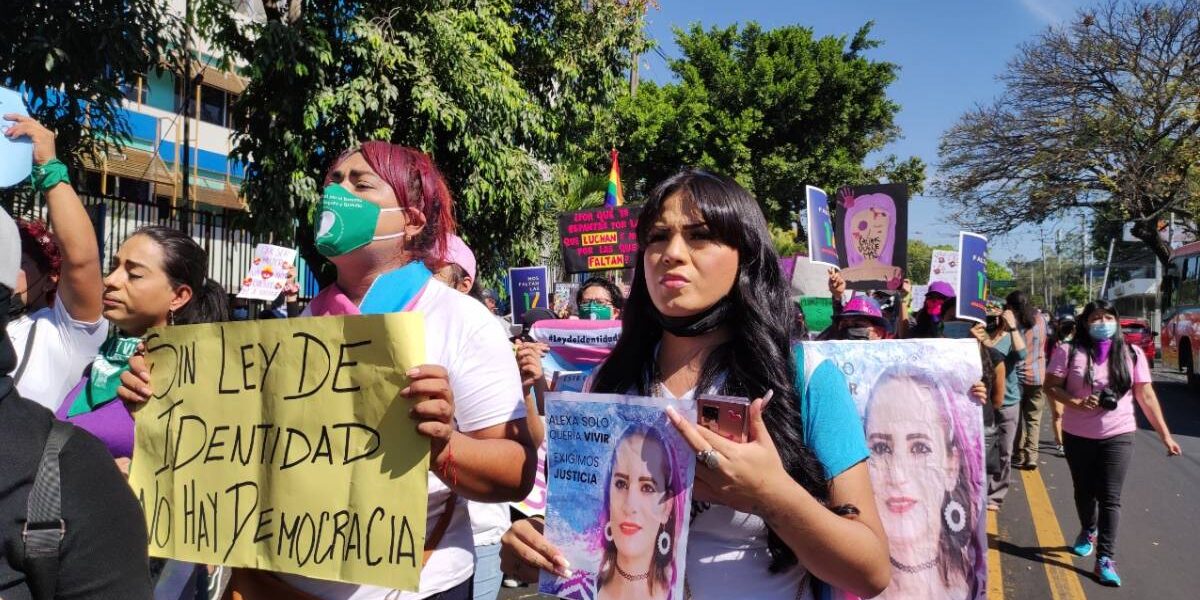
San Salvador - In 2023, the Congress of El Salvador failed to comply with a mandate from the Supreme Court of Justice to legislate on gender identity.
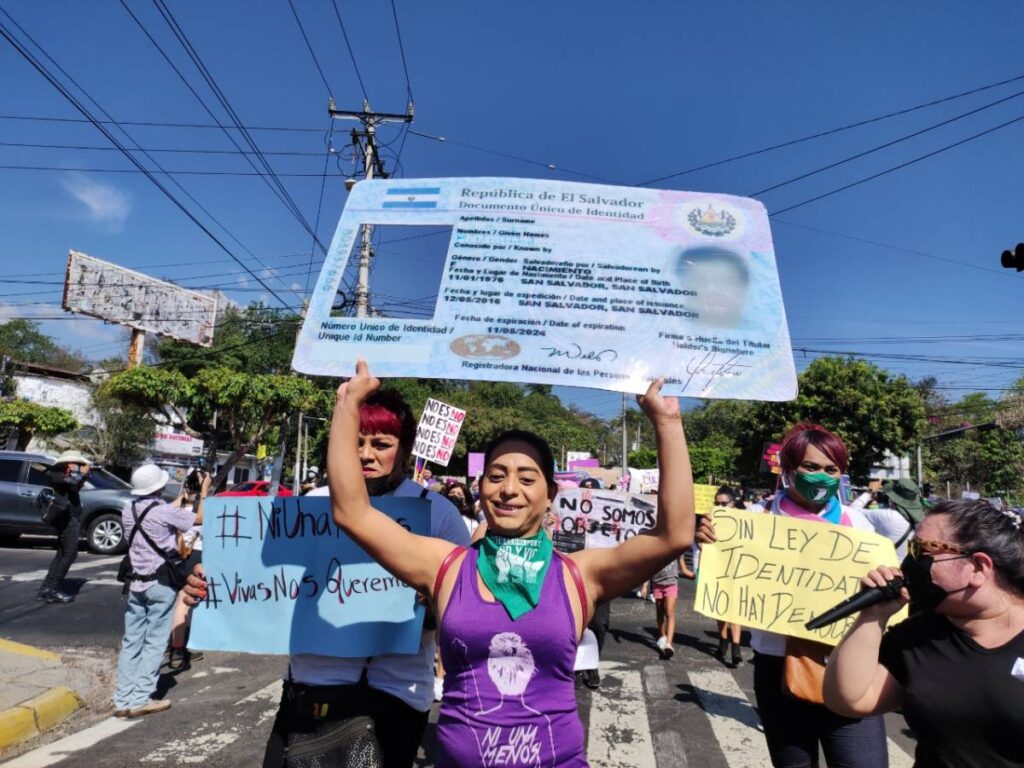
In February 2022, the justices of the Supreme Court interpreted the Constitution as prohibiting discrimination based on gender identity. Therefore, they urged members of parliament to create a legal framework that would allow transgender people to change their names on official identification documents.
A one-year deadline was granted. However, 22 months after the ruling, the legislators have failed to comply with the resolution without offering any explanation. The Salvadoran Congress is largely composed of the ruling party, Nuevas Ideas, of President Nayib Bukele , and its allies.
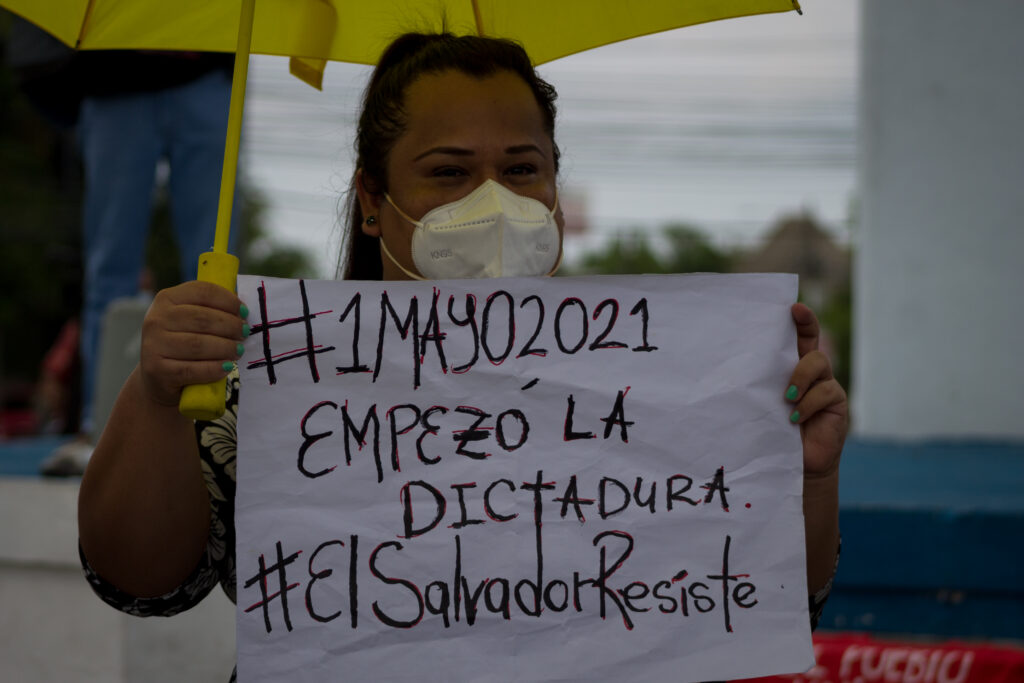
The disregard for the identity law contrasts with the speed with which they dealt with Bukele's presidential candidacy for 2024. A reelection that the Constitution prohibits in six articles.
“The Legislative Assembly’s failure to meet the deadline set by the Supreme Court is serious. Not only does it appear to disregard the rights of transgender people, but it also undermines the system of democratic checks and balances and the rule of law,” said Cristian González, LGBT rights researcher at Human Rights Watch, in a statement.
Closing more spaces
The director of the Solidarity Association to Promote Human Development (ASPIDH), Mónica Linares, denounced that last November the Supreme Court of Justice decided to terminate an agreement with the organization to carry out awareness days for judges and court staff regarding requests for name and identity changes.
The closure of this space adds to the termination of other agreements they had with the Ministry of Labor, the Ministry of Justice and Security, and the diversity committee of the Secretariat of Social Inclusion in previous years when Bukele took office.
“I think that far from moving forward, we are going backward. They are no longer even allowing their institutions to become aware of the changes that are taking place,” Linares told Presentes.
Presentes requested a comment from the Supreme Court of Justice. It did not receive an official response regarding the decision to terminate the agreement with ASPIDH.
"They think more about foreign tourists than about Salvadoran society."
“The government has been very silent regarding access to rights. I think it has focused more on improving the country's infrastructure than on people's human rights. I think it has thought more about foreign tourists than about Salvadoran society,” the director added.
Also in November, the Supreme Electoral Tribunal announced it would sign an agreement with ASPIDH to provide training on LGBTI+ issues. However, many X users expressed their discontent, criticism, and ridicule of the announcement. Since then, there has been no further progress on the agreement, Linares said.
Presentes did not receive a comment from the authorities of the Supreme Electoral Tribunal.
El Salvador will hold presidential and legislative elections in February 2024. A month later, it will hold elections to choose mayors and members of the Central American Parliament (PARLACEN).
Persecution of activists
In the middle of this year, artist Marvin Pleitez, who portrays Lady Drag —a critical voice against some of the Bukele administration's policies—was stopped by soldiers as he returned from shopping at a market. They detained him, questioned him, and confiscated his cell phone for investigation.
The 42-year-old artist told Presentes that the soldiers first asked for his ID . Then they called their bases to check if Pleitez had any pending legal issues.
“Are you the one who dresses as a woman and walks the streets?” one of the soldiers asked him after the call ended. He said they detained him for a few minutes until they received further instructions to let him go. The soldier informed him that they would keep his cell phone, but Pleitez protested. The soldier asked him if he preferred to leave the phone or have them take him along with it.
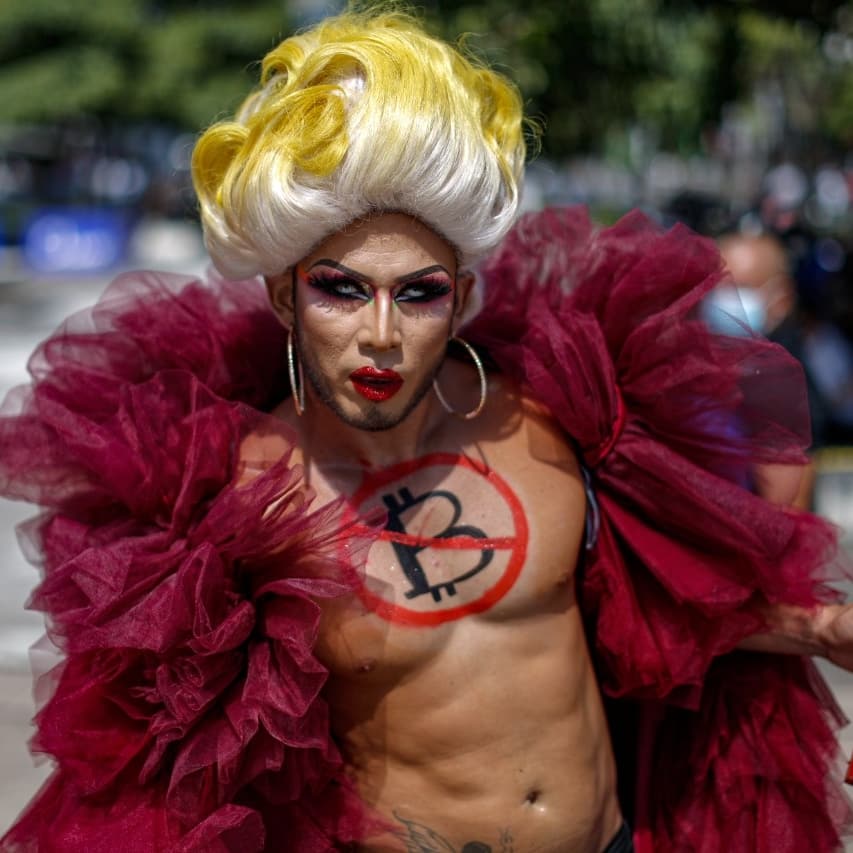
Her character Lady Drag has participated in marches and interventions in public places to raise her voice against re-election, lack of reforms to the education system, the co-optation of the State and the establishment of bitcoin as legal tender.
He maintains that his activism has led to him being denied employment opportunities in various institutions, particularly government agencies, and that theater companies are reluctant to work with him for fear of reprisals. Furthermore, he has been subjected to insults and verbal abuse in public places and on social media.
“I feel that my life is in danger in this country,” Pleitez told Presentes.
“I don’t want to be in this country anymore. I feel unsafe, I have no job opportunities. I no longer see any growth in this country,” he added.
"The state of emergency is being used as a mechanism of intimidation against the LGBTI population."
During this period, human rights organizations recorded some 220 deaths in state custody and more than 5,775 people whose human rights have been violated.
The organization Amate reports 53 violations against LGBTI+ populations within the framework of the state of emergency, including 39 arbitrary detentions, mainly affecting trans women and gay men.
“We can say that the state of emergency is being used as a mechanism of intimidation against the LGBTI population. It serves as a mechanism of intimidation, of threat,” Gonzalo Montano, a training specialist at the Center for Studies of Sexual and Gender Diversity of the organization Amate, told Presentes.
The security measure has led to a drastic drop in the number of homicides and crimes committed in the country. However, there have also been arbitrary arrests of innocent people with no ties to gangs.
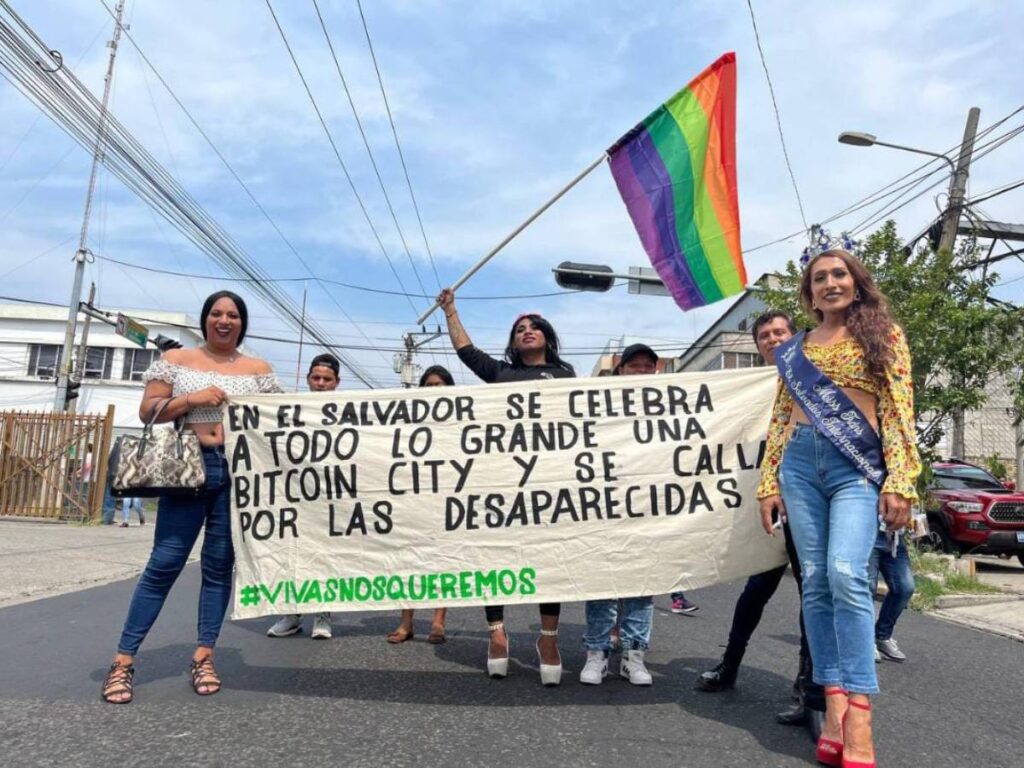
Organizations report 3 cases of deaths of gay boys.
The Foundation for Studies on the Application of Law (FESPAD) denounced that prison authorities have refused to release Levi Morales, the son of indigenous leader Silverio Ramírez, who has been detained during the State of Emergency for alleged gang links.
After receiving a request from the Prosecutor's Office, the Organized Crime Court of the western department of Santa Ana ordered alternative measures to detention on November 20; however, 10 days later, the authorities released and recaptured Morales, without the defense knowing the new charges against him.
“We are facing an illegal and unfounded arrest, and we do not know who the public authority is that has ruled on it,” said defense attorney Ariela González.
A sentence
In October, the Third Sentencing Court of San Salvador, in an abbreviated process, sentenced Juan Carlos Hernández Vásquez to 20 years in prison for the crime of aggravated homicide against the trans woman Anahí Rivas.
According to judicial sources, the accused confessed to having committed the act in the early morning of October 27, 2019.
We are present
We are committed to journalism that delves into the territories and conducts thorough investigations, combined with new technologies and narrative formats. We want the protagonists, their stories, and their struggles to be present.
SUPPORT US

FOLLOW US
Related notes


We are present
This and other stories are not usually on the media agenda. Together we can bring them to light.