

Elections and diversity: useful information for voting on Sunday in Argentina
What are the rights of LGBTIQ+ people, migrants and/or people with disabilities when it comes to voting?


Share

This Sunday, Argentina will hold its Open, Simultaneous, and Mandatory Primary Elections (PASO) . What are the voting rights of LGBTQ+ people, migrants, and/or people with disabilities?
In these elections, voters will choose a president, vice president, and renew 130 seats in the Chamber of Deputies, 24 senators, 19 Mercosur parliamentarians representing the national district, and 24 regional representatives. These elections will determine the candidates who will compete in the general elections on October 22. Each political party must obtain at least 1.5% of the vote to advance to the next round.
Sexual diversity
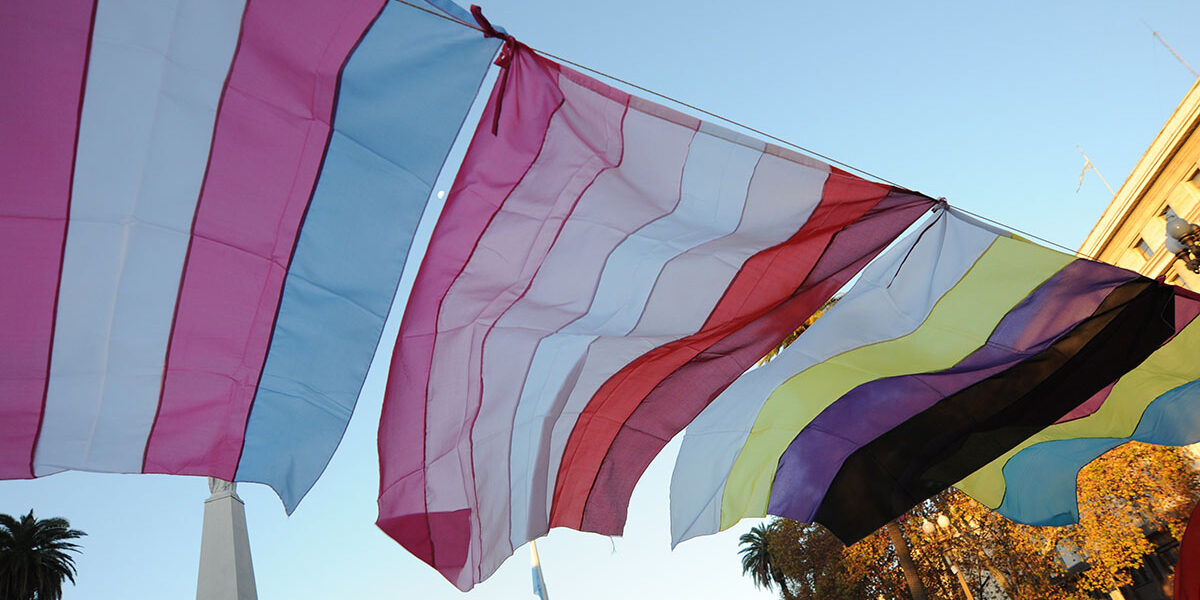
Under the Gender Identity Law (No. 26,743) , all individuals have the right to freely express their gender identity once it is recognized. In this sense, changing one's documents to reflect their self-perceived gender identity is a right, not an obligation.
"This means they cannot prevent you from voting if the name and gender listed on the electoral register are not the same as those on your ID. The only thing that must match is the document number," the Ministry of Women, Gender and Diversity stated on its social media .
Furthermore, Article 12 of this legislation guarantees "dignified treatment" for all identities. This means that when voting, the name and pronouns by which each person identifies must be publicly respected.
This article explicitly states that "at their sole request, the adopted first name must be used for summonses, registration, files, calls, and any other procedure or service, in both the public and private sectors." However, the Judiciary ruled in Case File CNE "5" 56/2023 of June 2023 that "modification of the data constituting the National Electoral Registry and/or electoral rolls is not permissible without prior identity rectification processed before the competent authorities." According to this ruling, the name on the electoral roll cannot be modified online or manually without prior rectification of the National Identity Document (DNI).
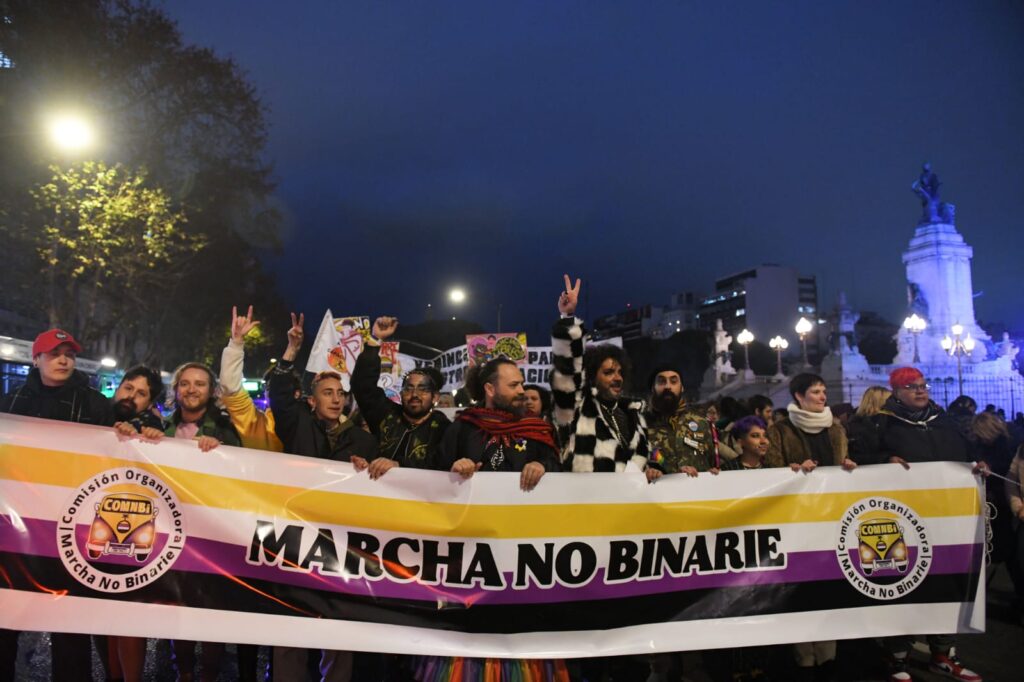
Since the 2021 legislative elections, people whose identification document indicates "X" in the "sex" field are also eligible to vote. This option was incorporated with Decree 476/2021 , enacted in July 2021. When consulting the electoral register, in addition to the "male" and "female" gender options, "unspecified" was added.
Indigenous languages
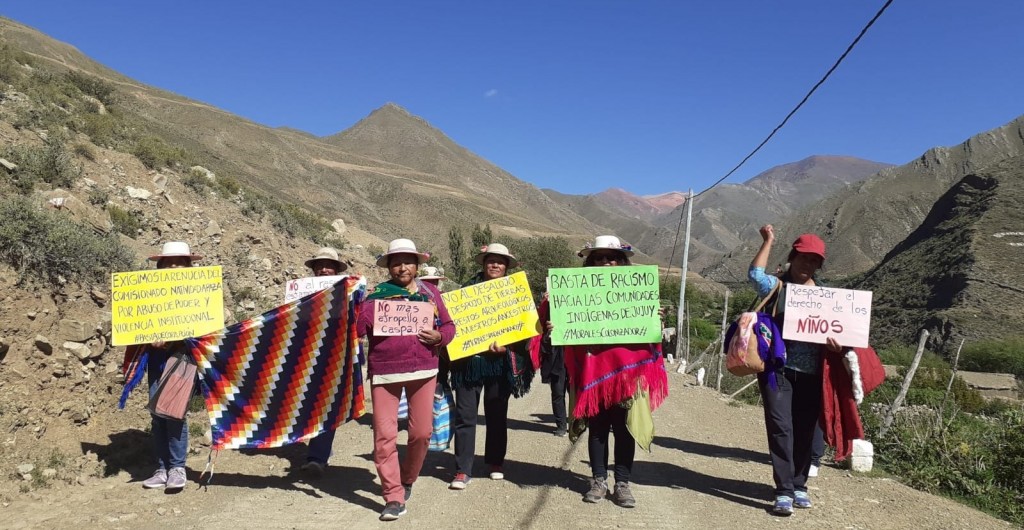
The National Institute of Indigenous Affairs, in collaboration with the University Language Center (CUI) and the National Electoral Directorate, has produced electoral process guides in various Indigenous languages: Qom, Wichí, Mapuche, Quechua, and Gunun a Yajuch. These guides are being distributed to leaders of Indigenous communities throughout the country and are also available for download .
People with disabilities
The national government has announced measures to ensure that “ voters with disabilities (visual, hearing, physical, intellectual, and psychosocial), senior citizens, pregnant women, and voters with children can vote .” These measures include recommendations for polling station officials, accessible election information materials, and instructions for election day.
Among them is the provision that people with disabilities have priority and may not have to queue to vote.
Furthermore, if a person arrives accompanied by their guide or assistance dog, they must be allowed to enter and remain in the darkroom.
Likewise, every polling place must have an Accessible Voting Booth (COA). This booth is located in an easily accessible area near the entrance of the polling place. It must be clearly marked for easy identification. Requests for an Accessible Voting Booth must be made to the Electoral Court representative or health facilitator, who will then inform the polling station officials.
It also states that those with a disability that prevents them from voting can do so with the assistance of a trusted person, a polling station official, or an assistance dog.
Migrants
According to the report "Migrant Vote in Argentina: A Road Half Traveled by the Gabriel Chausovsky Observatory on Migration and Asylum in Argentina , eleven Latin American countries (Argentina, Bolivia, Brazil, Chile, Colombia, Ecuador, Guyana, Paraguay, Peru, Uruguay, and Venezuela) have granted political rights to foreign residents within their borders. However, in most of these countries, this participation is limited to the local level. In this regard, the only two countries where foreigners can vote at the national level are Chile and Uruguay.
In Argentina, the provinces and the City of Buenos Aires have their own regulations regarding the registration of migrants. The "Foreigners residing in Argentina" section of the website www.argentina.gob.ar details the registration process and voting requirements for each district. It also specifies which elections migrants are eligible to vote on in each jurisdiction.
The provinces where citizens can vote for both provincial and municipal offices are Buenos Aires, Córdoba, La Rioja, Tucumán, and the Autonomous City of Buenos Aires. In the rest, they can only vote for municipal offices. In the province of Formosa, however, foreigners cannot vote or run for office.
Meanwhile, the only districts where there is automatic registration are the city (since 2018) and province of Buenos Aires (since 2009).
Furthermore, in all provinces of the country, only Argentine citizens may run for governor, provincial legislator, national deputy, and mayor. For municipal legislative positions and other local offices, only some provinces allow foreign nationals to run.
We are present
We are committed to journalism that delves into the territories and conducts thorough investigations, combined with new technologies and narrative formats. We want the protagonists, their stories, and their struggles to be present.
SUPPORT US

FOLLOW US
Related notes



We are present
This and other stories are not usually on the media agenda. Together we can bring them to light.