

Non-binary identities marched for the first time in Latin America
The black, white, purple, and yellow flag flew at the first Non-Binary Marches: one in Buenos Aires and another in Mexico City. What are the demands of these populations in Latin America?


Share

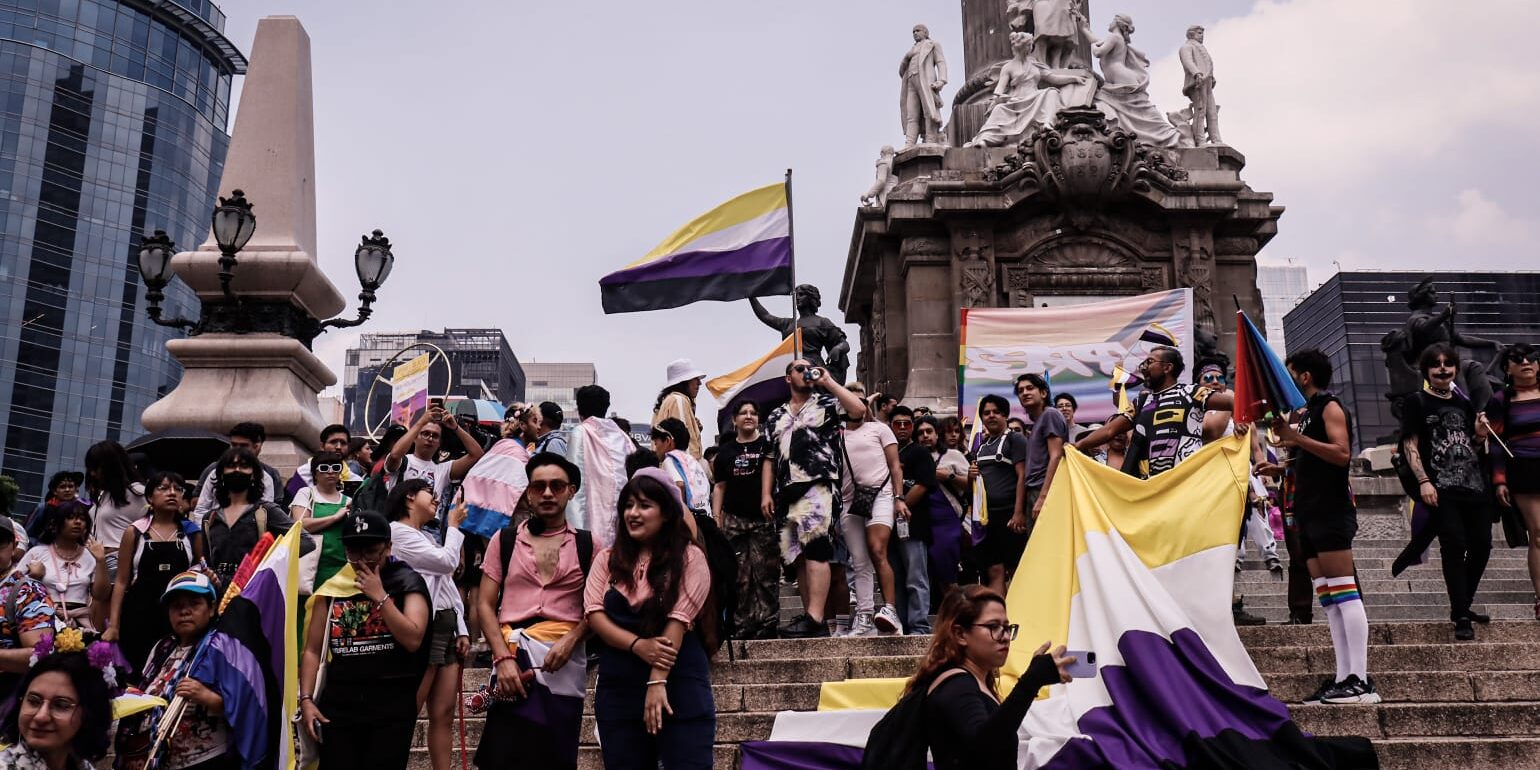
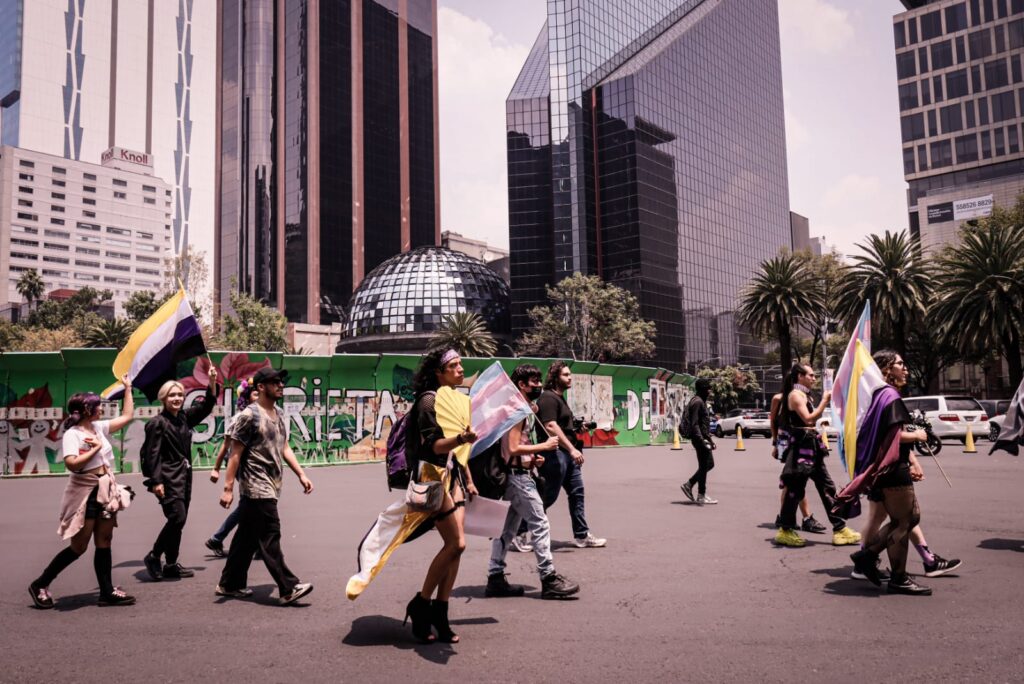
The black, white, purple, and yellow flag flew at the first two Non-Binary Marches in Latin American history, one in Buenos Aires and the other in Mexico City. They took place on Friday and Saturday, coinciding with the International Day of Non-Binary Visibility, commemorated on July 14. Non-binary people took to the streets to highlight that these identities have existed "throughout history" and to demand equal rights.
Equal rights for non-binary identities
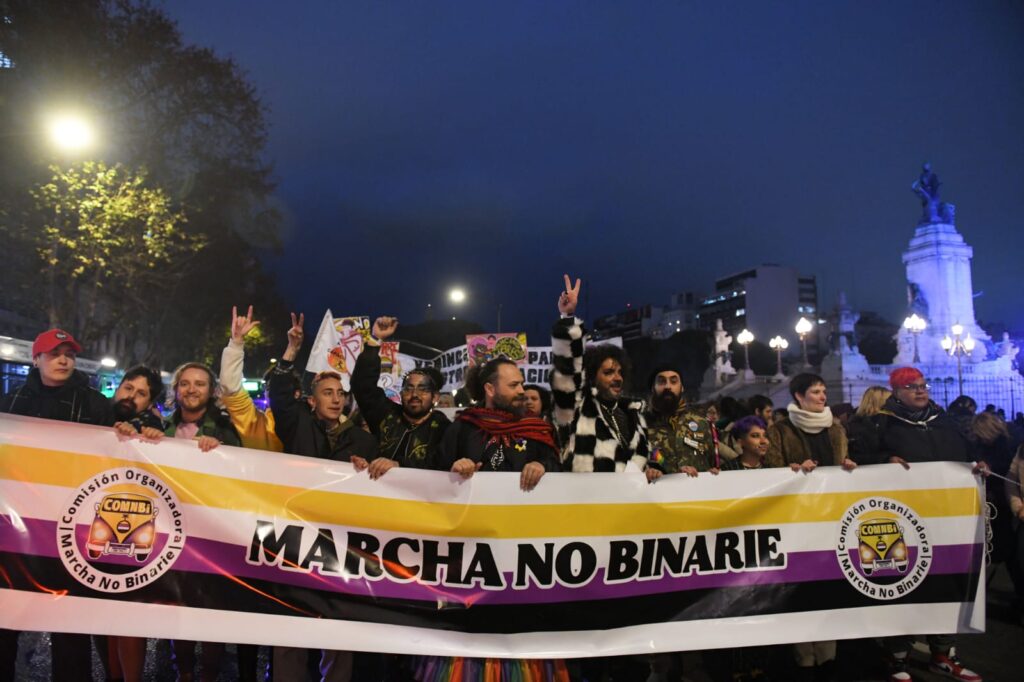
On Friday, July 14th in Argentina, LGBTQ+ activists gathered from 3 PM in front of the National Congress to hold the first Non-Binary March in Latin America. Early in the day there was a fair and performances by artists, and at 5:30 PM the march began, circling the Congress building along Hipólito Yrigoyen and Entre Ríos streets.
The march was held under the slogan "Real recognition and equal rights for all non-binary identities." When the march reached Plaza del Congreso, activists read a document with 22 sub-slogans . Among their main demands are the opening of an optional and open gender field in all (identity) registries, and the updating of public and private registry systems to respect non-binary identities. They also demand comprehensive sex education that includes non-binary identities, the implementation of the Transgender Employment Quota Law , and the Law on HIV, Hepatitis, Tuberculosis, and Sexually Transmitted Infections . Furthermore, they called for an end to hate speech and the safe return of Tehuel de la Torre .
Meanwhile, the organizing committee of the non-binary march also demanded "Stop the austerity measures!", "Out with the IMF (International Monetary Fund)!" and "Stop capitalist extractivism!".
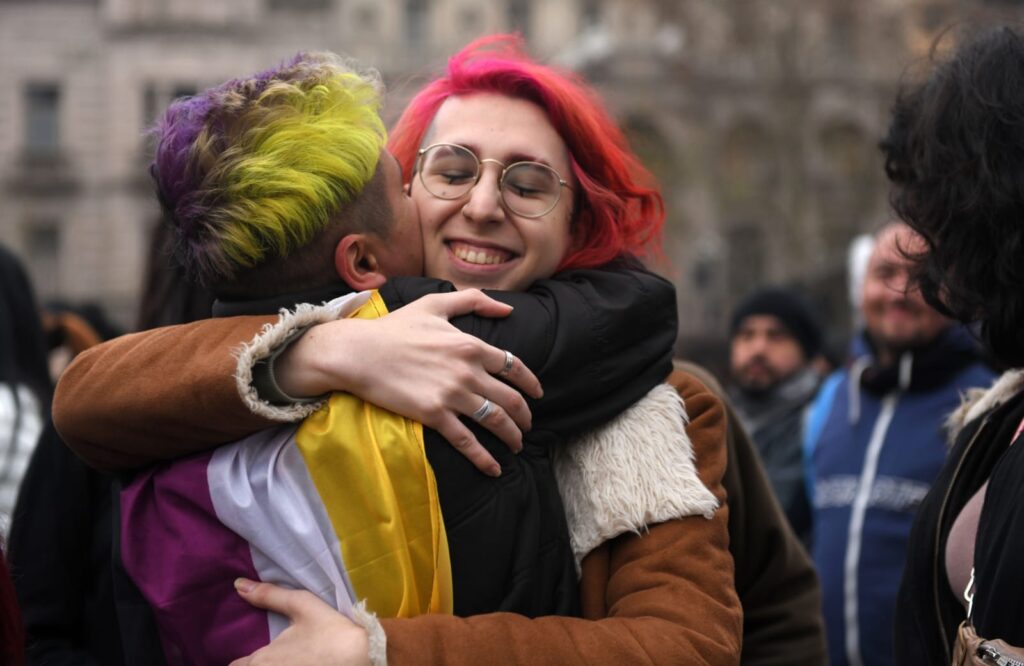
“While we are part of the LGBTI and Trans community, we still face many daily difficulties. We share the struggles and problems that trans people have. But perhaps we remain outside of many discourses and collectives,” Valentine Machado, a non-binary activist, explained to Presentes .
In her particular case, this event "gives her a lot of life," she shared, since she had been "very angry and depressed" after fighting for "a lot of things" and encountering obstacles along the way. "Many of my colleagues have very difficult lives, and we are struggling to access basic rights," she emphasized.
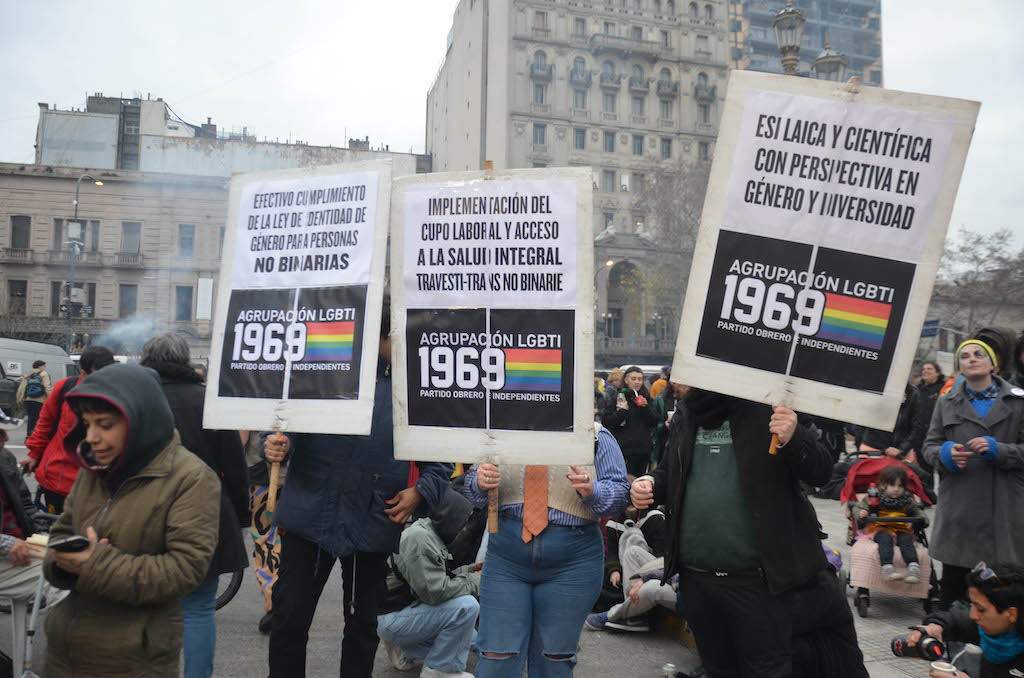
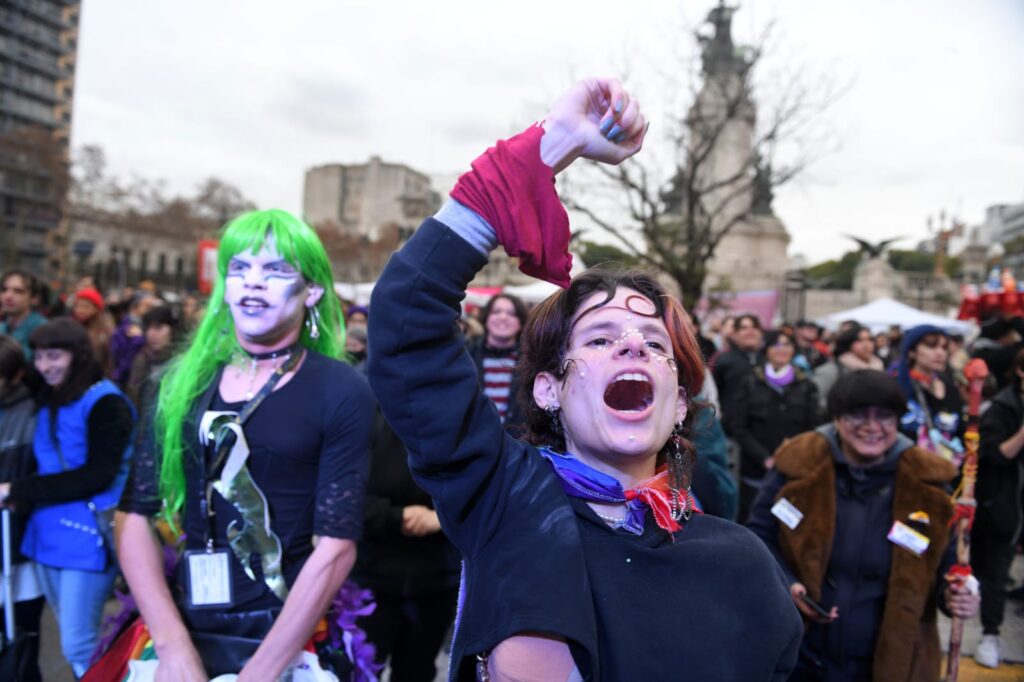
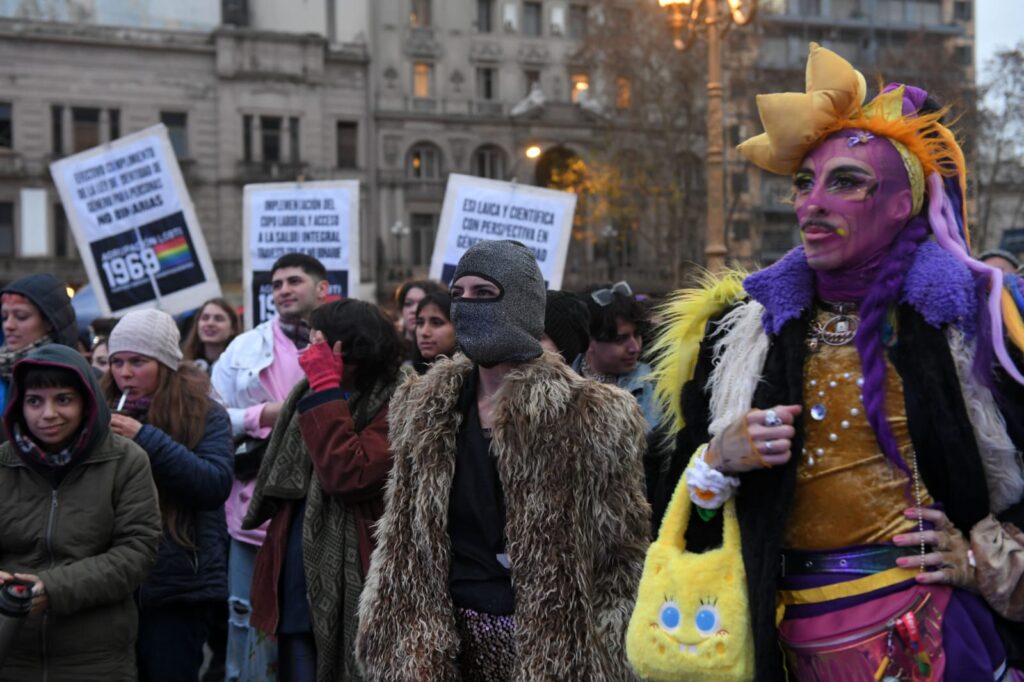
The march creates a space for community and support, "besides sending a message that we exist, we are here, there are many of us. We are starting to listen to each other and we are going to make ourselves heard," she emphasized.
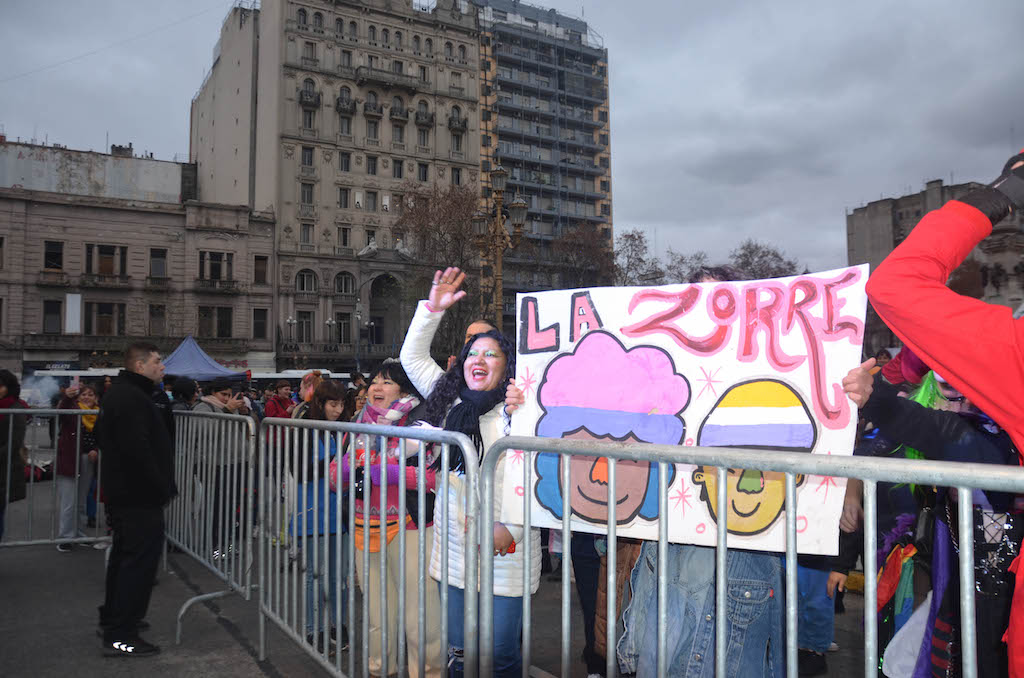
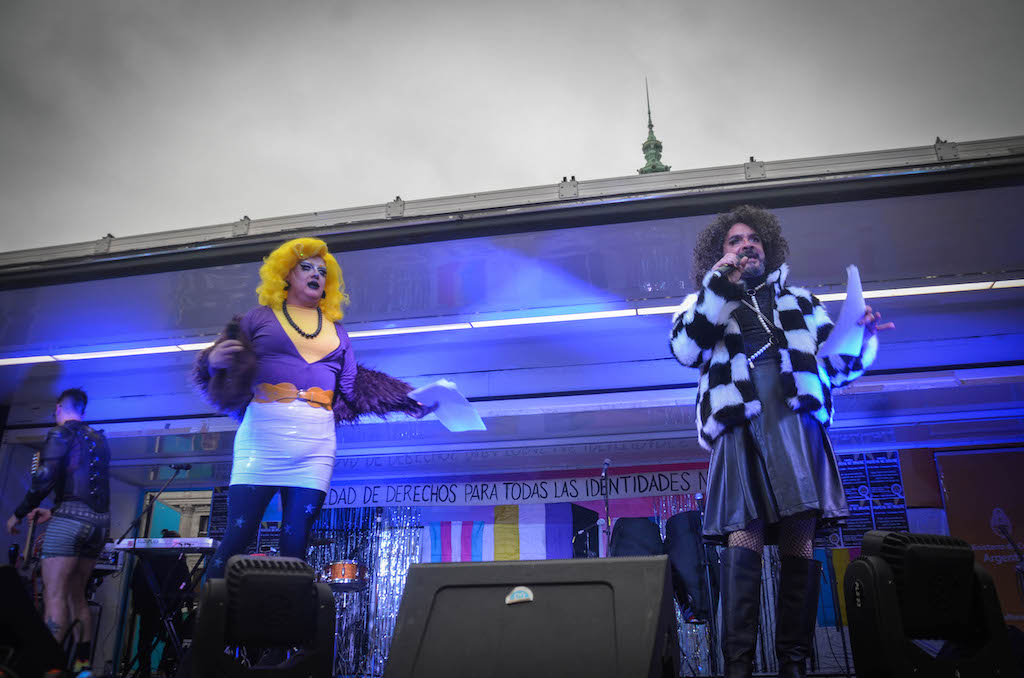
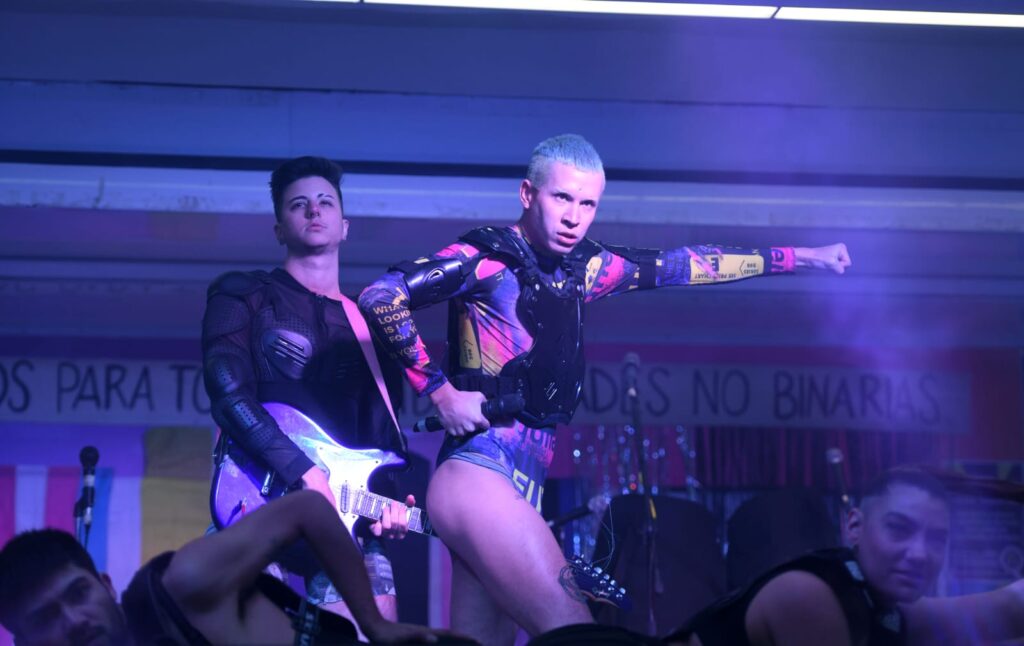
Towards the end of the day, in a truck with a stage in front of Congress, there were shows by Ayelén Beker, Invisibl3s, Juan Rocca, Pauli and Yagui along with Tango para todes and Muchaches, Feminancys, Max Vanns, Lola Bhajan, Zorritas Bandidaz, Vale Cini, DJ Alan Fabulous and DJ Julieta Aimale.
Non-binary people in Mexico City
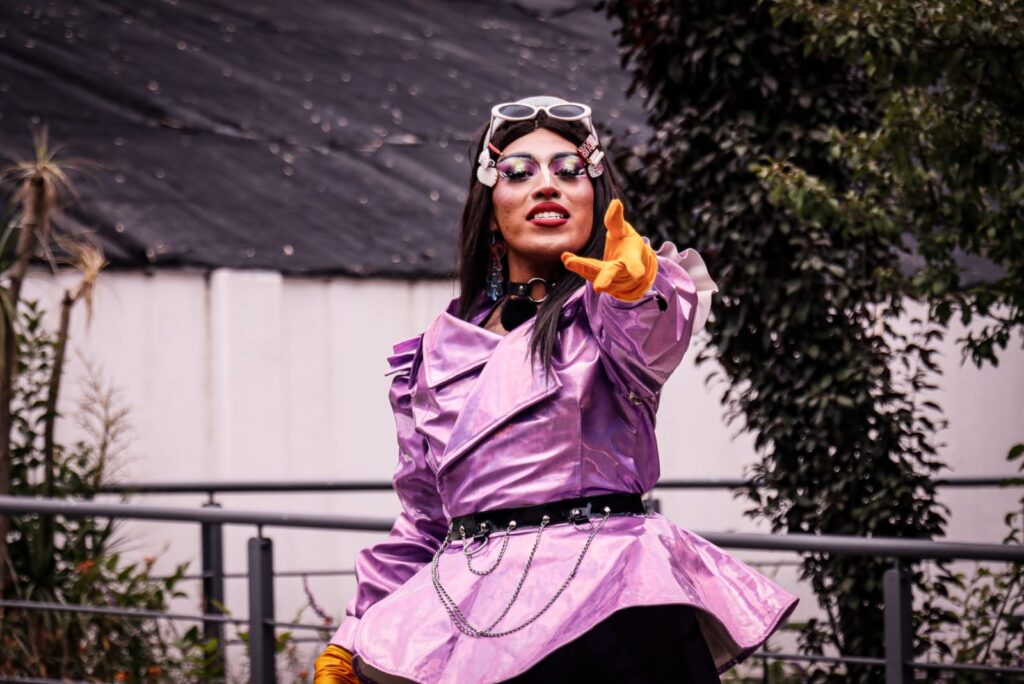
On Saturday, July 14, Mexico City hosted the second non-binary march in Latin America . Following organizational disagreements, two separate groups formed after departing from the Angel of Independence monument. One march headed towards the Botanical Garden, and the other towards La Tianguis Disidente (The Dissident Market ). The Non-Binary March brought together non-binary people, activists, artists, and their families to raise awareness and demand respect and inclusion from society and the government.
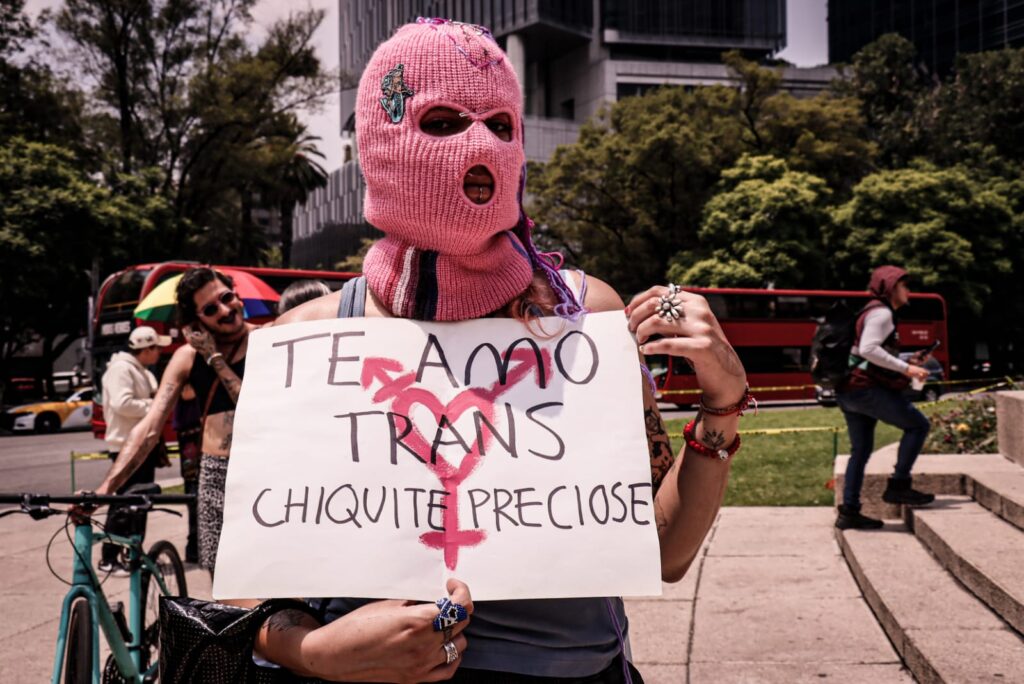
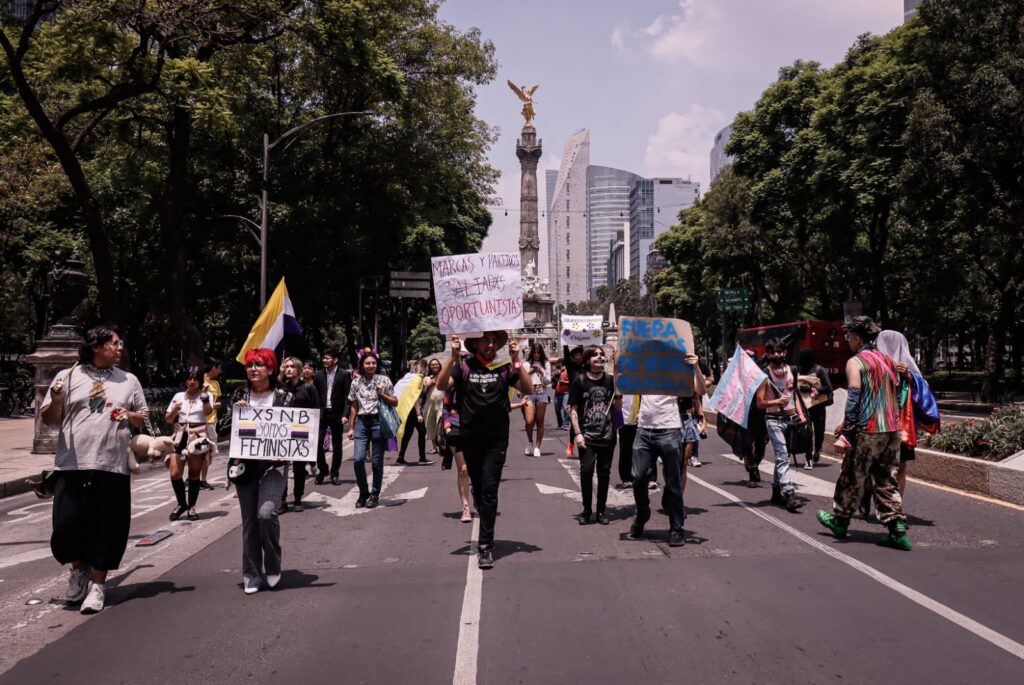
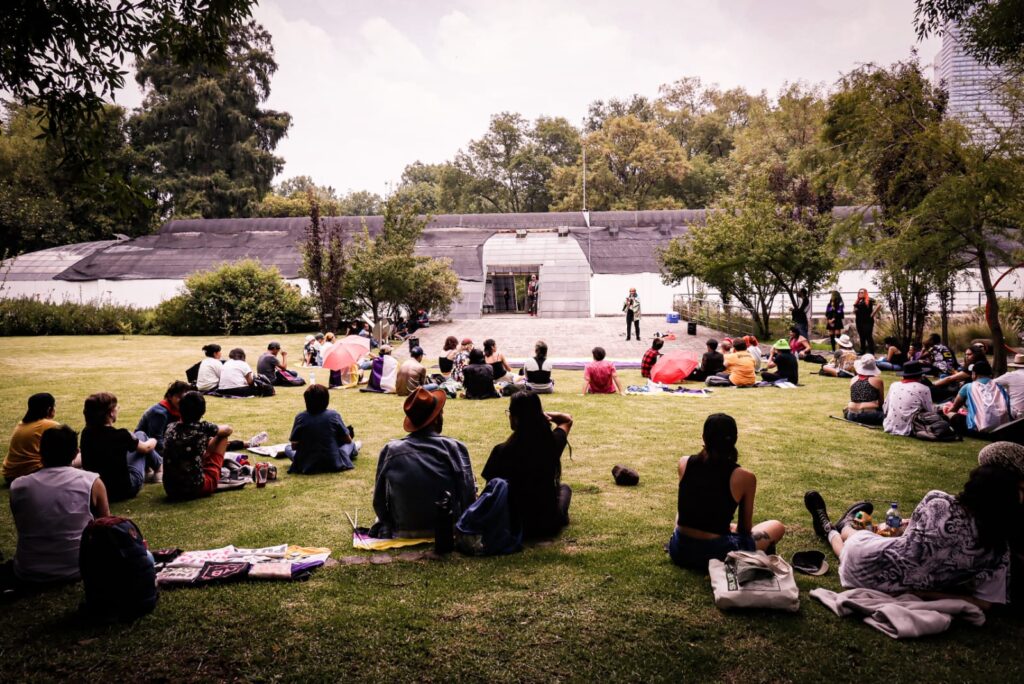
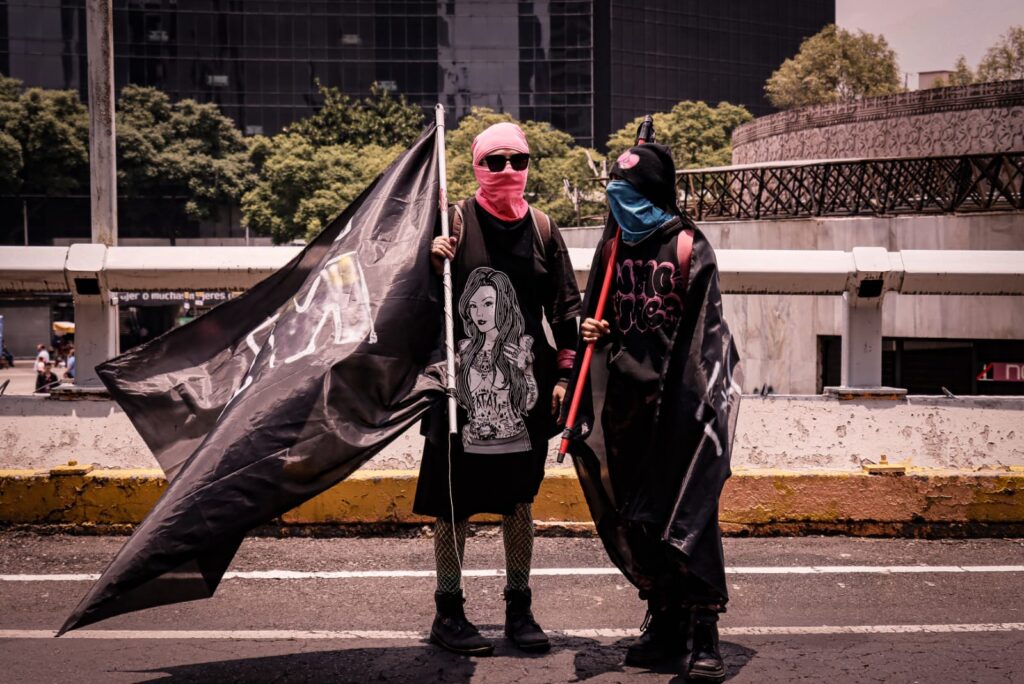
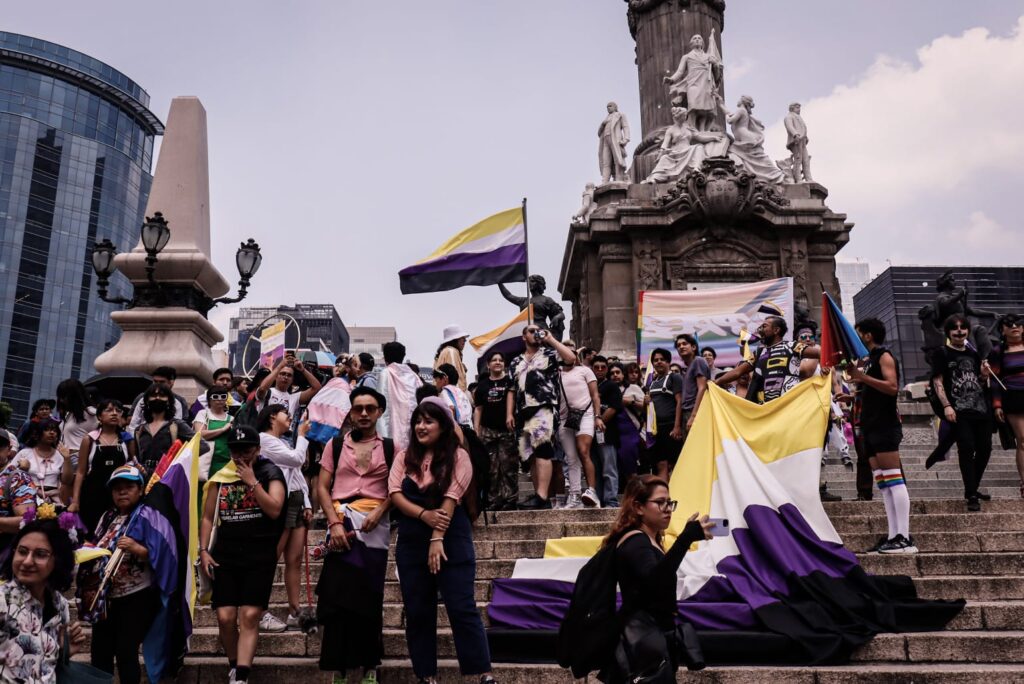
“We are a gender identity that is not yet recognized or widely accepted. So we have to start fighting from the ground up,” Presentes ’ coverage of the mobilization . Beside her, a trans teenager demanded: “I need visibility, I need my school to respect me, and I need institutions to respect me too.”
Message to families
Lane Rodríguez and his mother, Tere , who came to accompany him, were also present. "I think it's important to support and be at this march to raise awareness of non-binary people, to promote respect for dignity, human rights, and above all, equality in the expression of love, in work, in job opportunities, and in dignified treatment," Tere emphasized.
And she offered a message to families with non-binary children: "Support them. That's the main pillar for them to be able to work, fight, and be happy, to sustain themselves, to become stronger so they can continue. This society is sexist and transphobic, and we have to support each other," she said.
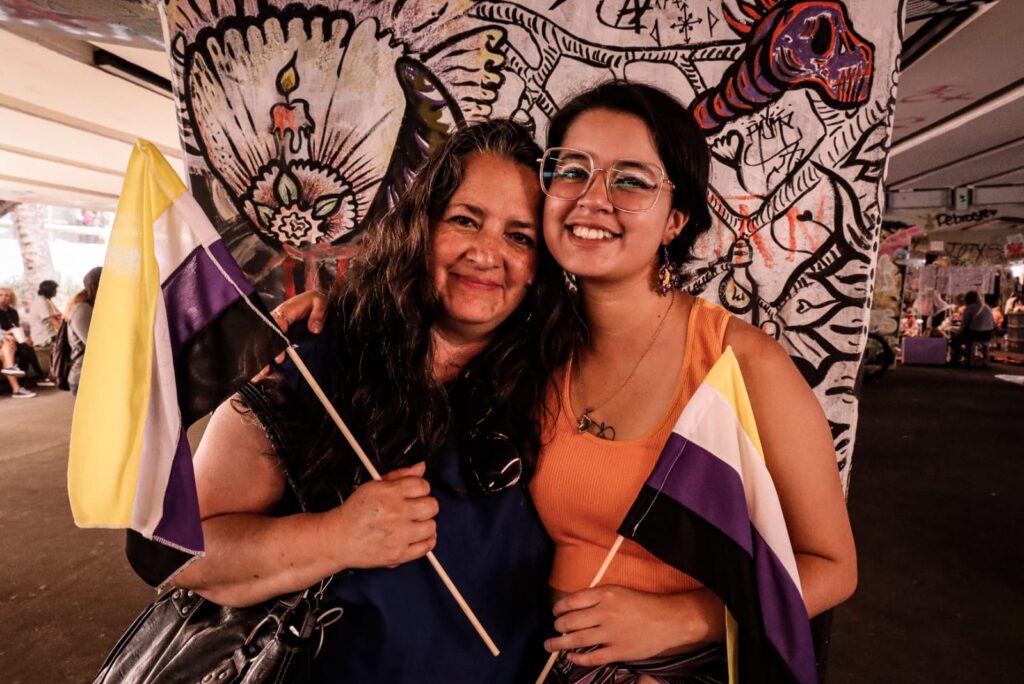
"It's very important that this first non-binary march exists to create networks among us. To support each other, to give each other hugs, but also to raise our voices against the transphobia that kills us ," Lane said.
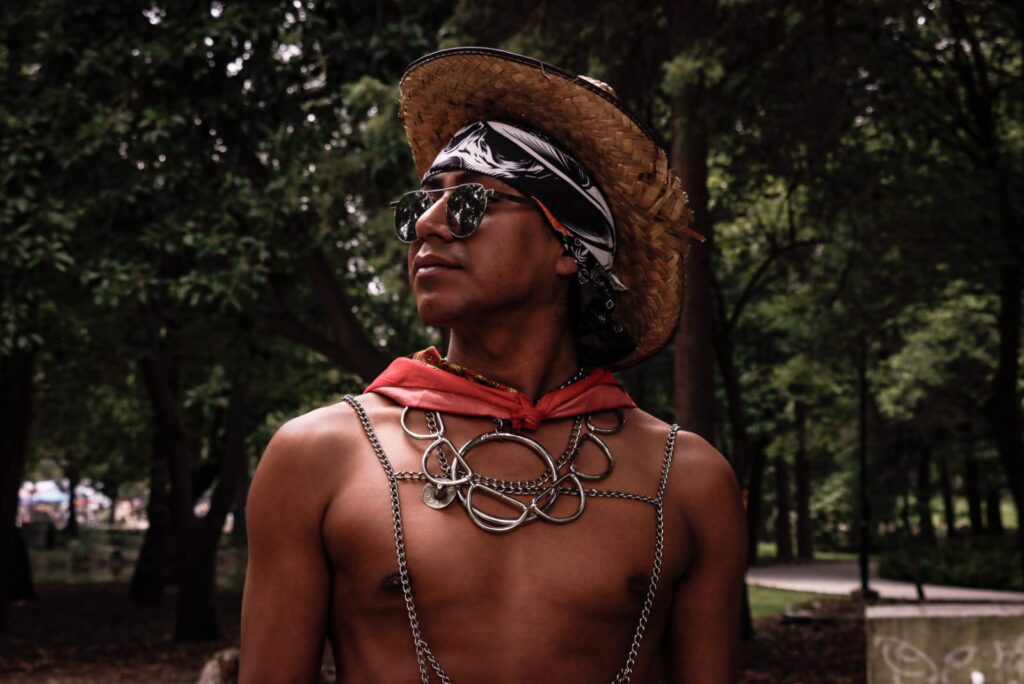
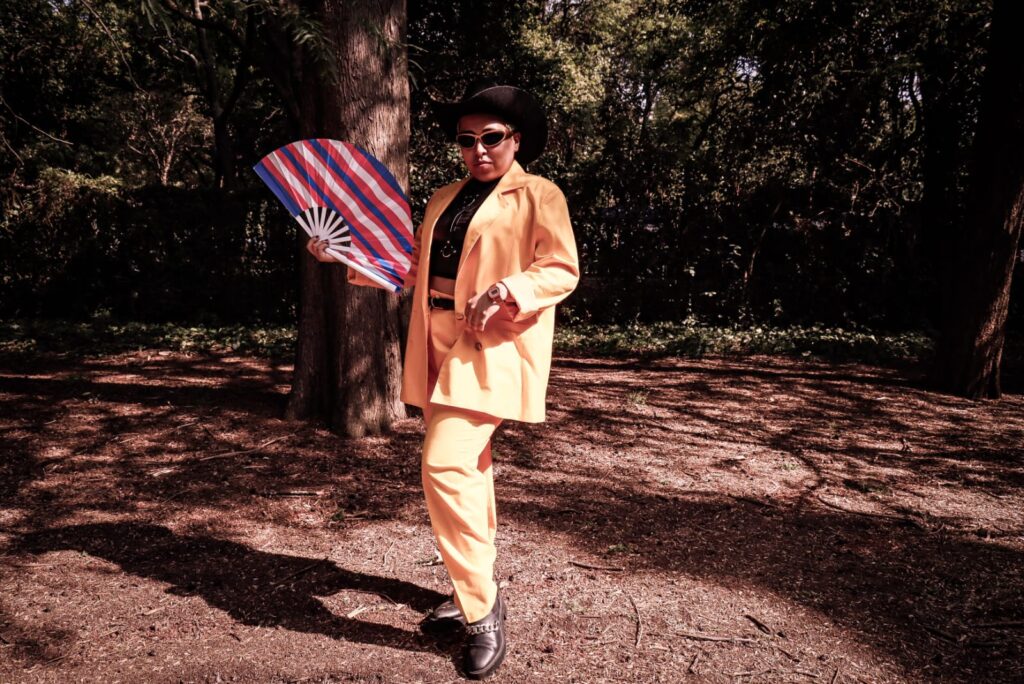
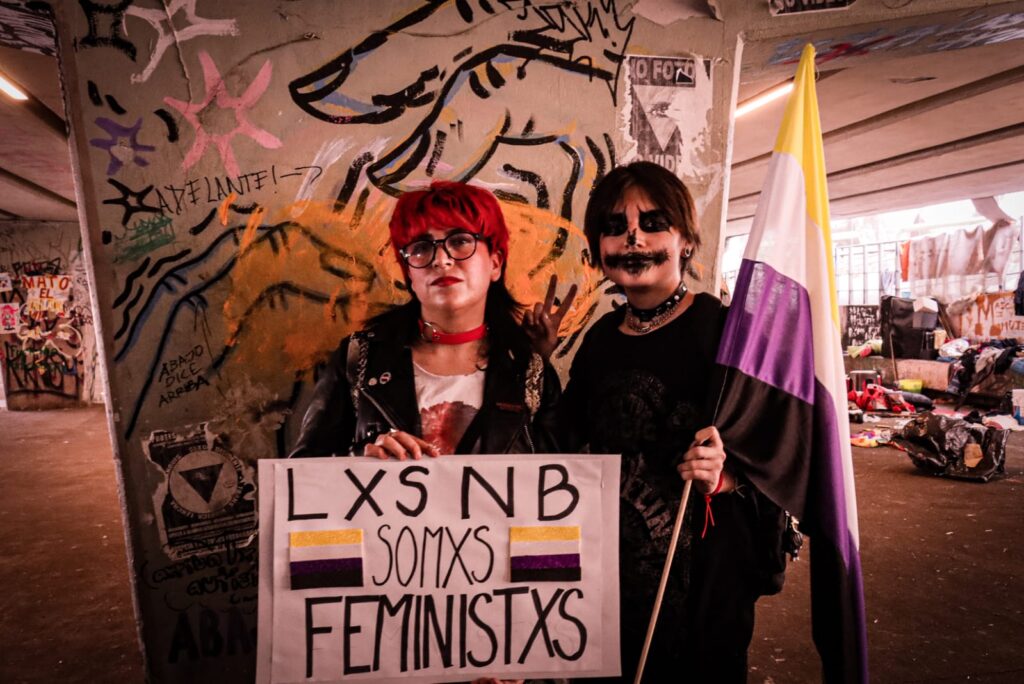
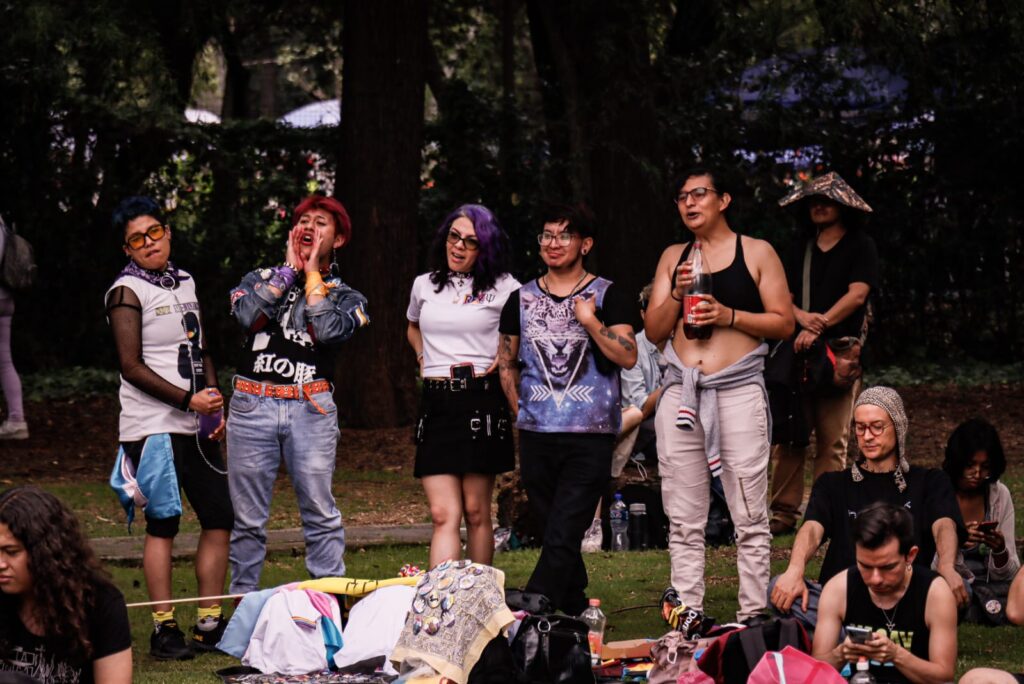
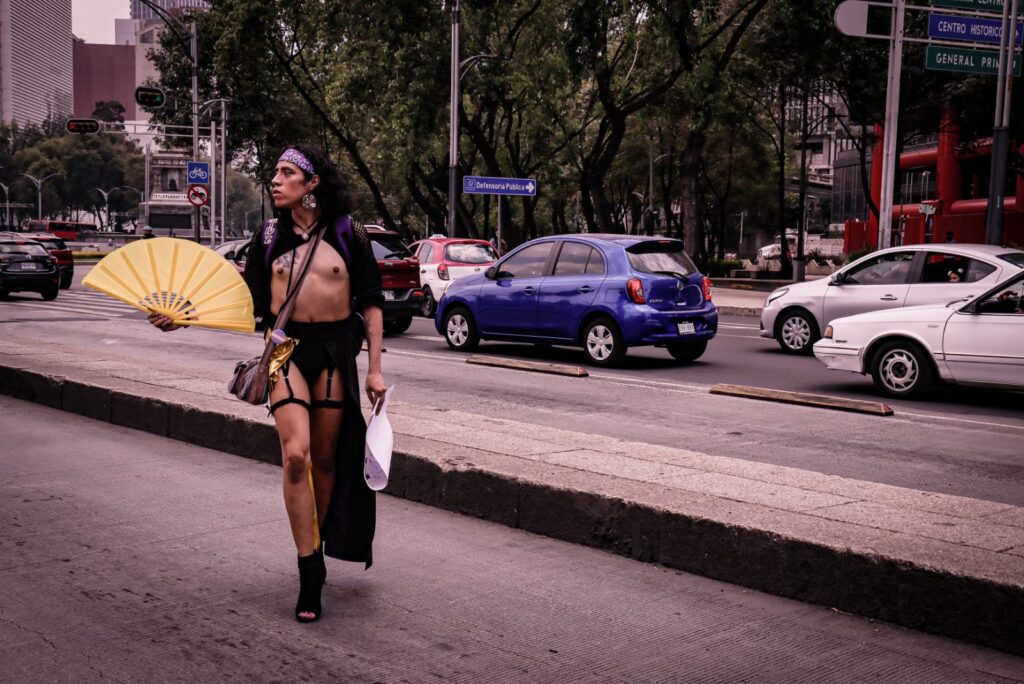
The Non-Binary Antifascist contingent also issued a statement demanding: “We must combat the acute situation of the capital-state system, materialized, for example, in Sandra Cuevas’s social cleansing policies, which are robbing us of the city and handing it over to the hetero-cis-white elite and capital, deploying the police against the homeless, street vendors, and sex workers. We also condemn América Rangel’s proposed law to criminalize trans existence and dismantle anti-discrimination institutions.”
We are present
We are committed to journalism that delves into the territories and conducts thorough investigations, combined with new technologies and narrative formats. We want the protagonists, their stories, and their struggles to be present.
SUPPORT US

FOLLOW US
Related notes



We are present
This and other stories are not usually on the media agenda. Together we can bring them to light.
1 Comment