

Criminalization of LGBT people increases in the State of Mexico
Arbitrary arrests, extortion, harassment and intimidation are some of the crimes that police officers commit against the LGBT population.


Share

MEXICO CITY, Mexico. In the State of Mexico, 116 municipalities, out of a total of 125, criminalize LGBT+ people under terms such as “offenses against morality and good customs, decency, obscenity, modesty, scandal and exhibitionism” within the Municipal Codes.
In Mexico, Municipal Ordinances are the most important regulations issued by the City Councils and determine the obligations of citizens and the powers of the authorities in public safety.
Municipal ordinances cannot contradict federal or state laws, nor the Constitution. However, public officials, especially police officers, often commit human rights violations.
“These practices of 'offenses against morality and good customs' affect and, rather than creating order within a society, generate situations ranging from arbitrary arrests to the criminalization of certain activities and identities outside of cisgender and heterosexual norms,” Ricardo Torres, president of Fuera del Clóset Presentes .
Fuera del Clóset, a local human rights organization, denounces this in the document “Analysis of the protection of LGBTTTI+ people in the Municipal Ordinances of the State of Mexico 2022” .
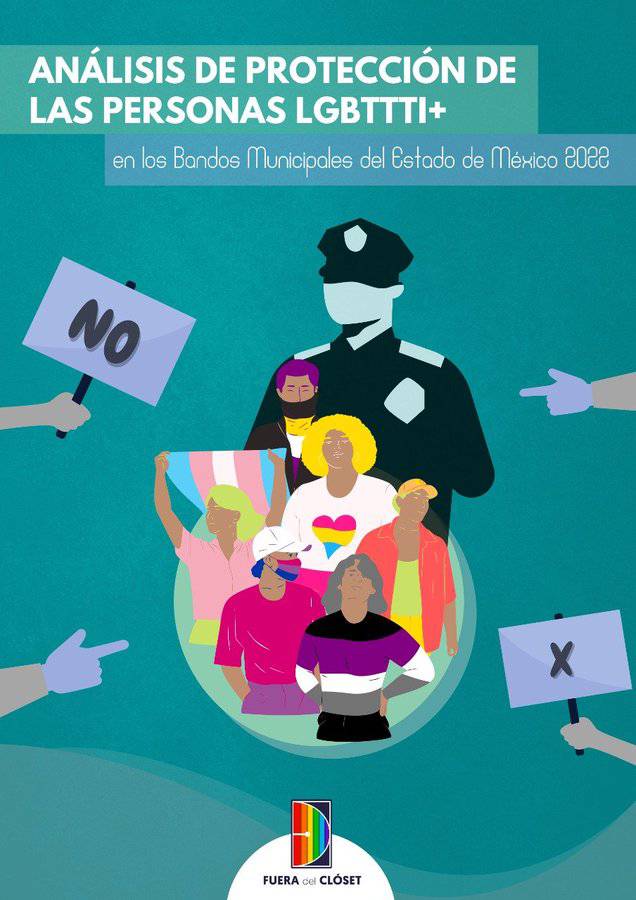
The investigation began in 2021, however, this organization has been documenting arbitrary arrests, extortion, harassment and intimidation by public officials, mainly police officers, against dissidents and LGBT+ people in the State of Mexico for at least ten years.
“We must be governed by a human rights perspective and not by something as subjective as modesty, obscenity, indecency; something that is also a legacy of the viceroyalty,” Torres added.
The police arbitrarily arrest, harass, and extort LGBT+ people
The State of Mexico is made up of 125 municipalities and 116 Municipal Ordinances include infractions related to "offenses against morality and/or good customs", which represents 92.8% of the total.
Most of these regulations define a "prohibited act" as "offending or harming public morals, decency, modesty, or other similar terms." They do not define aggravating circumstances, but the report explains that these are considered "serious offenses." In 31 municipalities, these offenses carry penalties for arrest.
Furthermore, in 50 municipalities, erotic and sexual practices in public are punishable. The procedure for determining which practices fall under this category "is discretionary and subjective," leading to arbitrary arrests of same-sex couples and giving rise to "acts of abuse of authority, extortion, and mistreatment," the report explains.
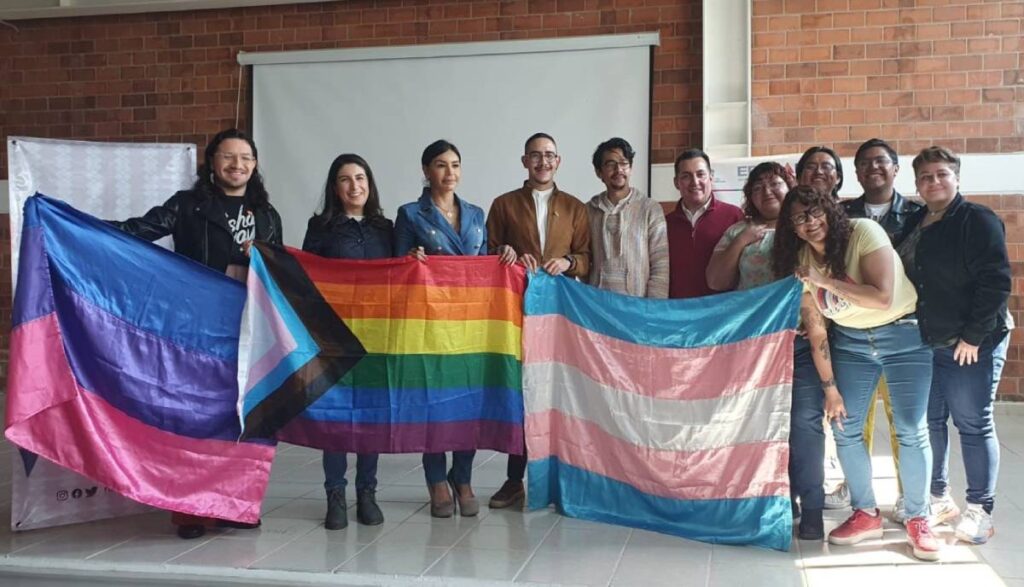
Photo: Out of the Closet
Only three municipalities with minimum non-discrimination standards
In 36 municipalities, legal regulations are registered that express concrete actions to protect the rights of LGBTI+ people, although at the same time they include infractions related to "immorality or indecency".
Only nine municipalities in the entire State of Mexico do not consider "offenses against morality and/or good customs" to be crimes against women. These are: Acolman, Calimaya, Coacalco, Ecatepec, Nicolás Romero, Nezahualcóyotl, Tecámac, Tequixquiac, and Valle de Chalco; these municipalities also have areas recognized in their regulations as sexual diversity units or LGBT+ service centers.
However, according to the analysis, only three of these "meet the minimum desirable standards at least at a legal level to guarantee conditions of equality and non-discrimination.".
Young gays and lesbians: the most affected populations
Gay men and young lesbian women between the ages of 18 and 35 are the populations most affected by these "offenses against morality." The main ways in which the police act against these young people are: harassment in public, extortion under threat of arrest, and arbitrary detention.
“It mainly happens when the police see an act of affection between couples in public, but also in situations where what incites this harassment and arrests is only because of gender expression, just because of how you look,” Torres said.
“In the 125 Municipal Decrees of the entity, in general, they show a lack of knowledge regarding sexual and gender diversity on the part of those who exercise power in the City Councils, both by the heads of the municipal Executive Branch, as well as by those who make up the Council,” the analysis reads.
Regarding trans identities, Ricardo Torres comments that the document did not include the perspective of how the figures of “offenses against morality” are affecting, above all, trans women and those who engage in sex work.
“It wasn’t addressed in the report because we believe it’s a complex issue that requires in-depth analysis with our colleagues. Police harassment against trans women occurs primarily in areas where sex work takes place. I would say that in more than 116 municipalities there are regulations that go against sex work, considering it immoral, and it’s important to address this with our colleagues because there are even strategies in place for their protection,” she adds.
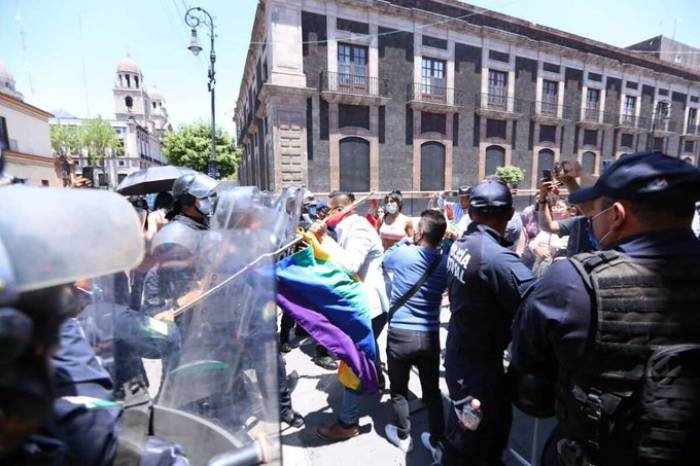
Photo: Out of the Closet
What options does the LGBT population have to defend themselves against arbitrary arrest?
According to Fuera del Clóset, the recommendations in the event of an arbitrary arrest are, if possible, to note the following information:
- Bales of the patrol that arbitrarily stops you
- Names of police officers. Every public servant is required to give their name.
- Time and place of arrest.
- Recording audio, photos, or video serves as evidence. No authority can deny you the right to record in public spaces or to record public officials.
A general recommendation that this organization makes to LGBT+ populations is: to report abuse and to have information about their rights.
The earrings
“The State has many outstanding issues. There is an urgent need for awareness-raising and comprehensive training across the entire public service, especially for those in charge of justice, from the police to the civil servants. And each comptroller's office must establish the appropriate procedures for filing complaints without discrimination,” concluded Ricardo Torres.
Fuera del Clóset sent this document to the 125 municipalities that make up the organization. So far, only 25 have acknowledged receipt via email.
The municipality of Calimaya responded: 'The council is not prepared to make such progressive reforms.' And Coacalco responded: 'There is no discrimination in the municipality, it doesn't exist.'.
The surprising responses came from Toluca, Naucalpan, Neza, Cuautitlán Izcalli and Tultitlán; where they seek to approach Fuera del Clóset to “generate a joint work plan”.
The current Municipal Decrees are published every February, but they can be amended throughout the year.
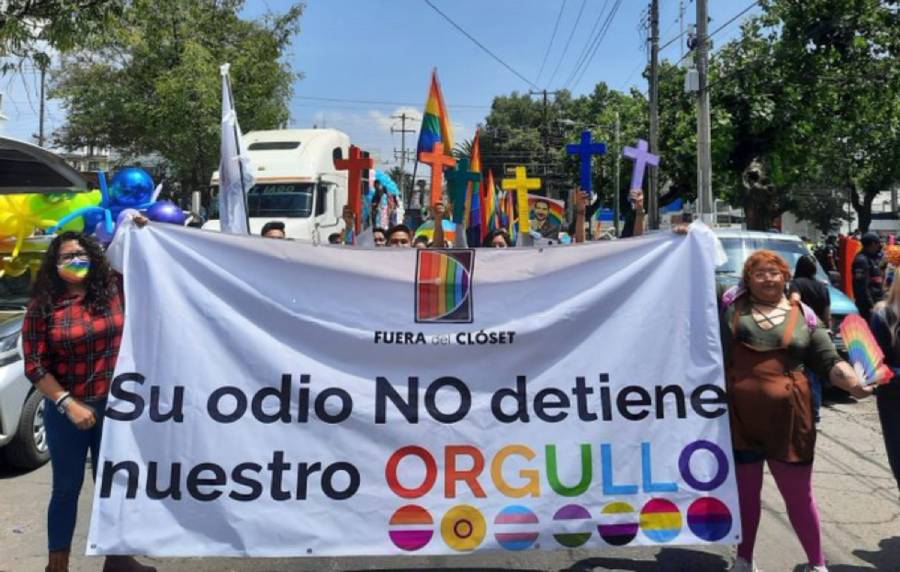
Photo: Out of the Closet
We are present
We are committed to journalism that delves into the territories and conducts thorough investigations, combined with new technologies and narrative formats. We want the protagonists, their stories, and their struggles to be present.
SUPPORT US

FOLLOW US
Related notes

We are present
This and other stories are not usually on the media agenda. Together we can bring them to light.