

As an LGBT+ person: how do you experience the passion for the World Cup?
We asked our LGBT+ followers how they experience their passion for football. The answers were as diverse as our community: from queer intensities and historical homophobia to popular celebrations and football fervor.


Share

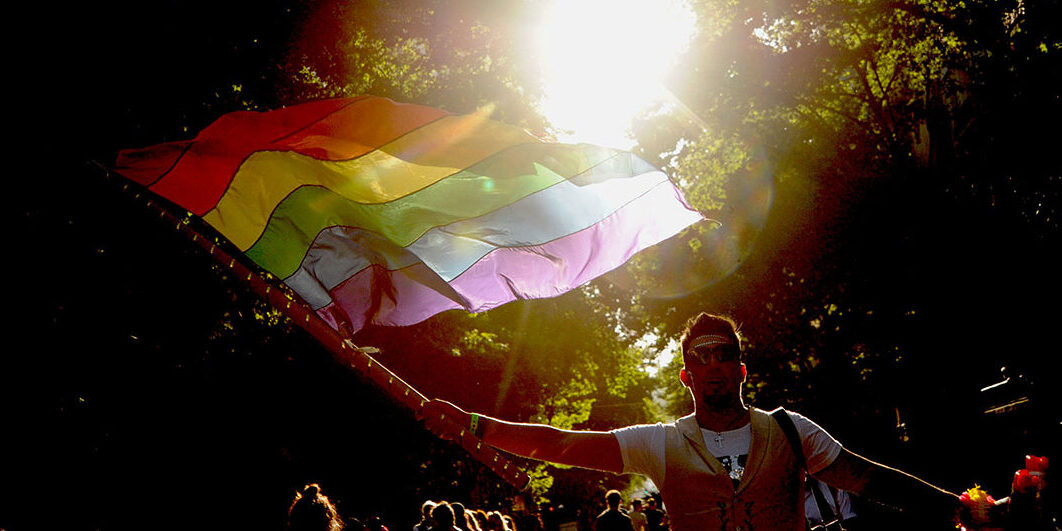
men 's World Cup, held this year in Qatar , one of the 68 countries where homosexuality is illegal , generated passion, contradiction, and rejection. From those who experienced it with "queer intensity" and sought to make football "ours" too, to those who chose not to watch it due to human rights violations in the host country or because it "silences other issues," the experiences of the World Cup were diverse.
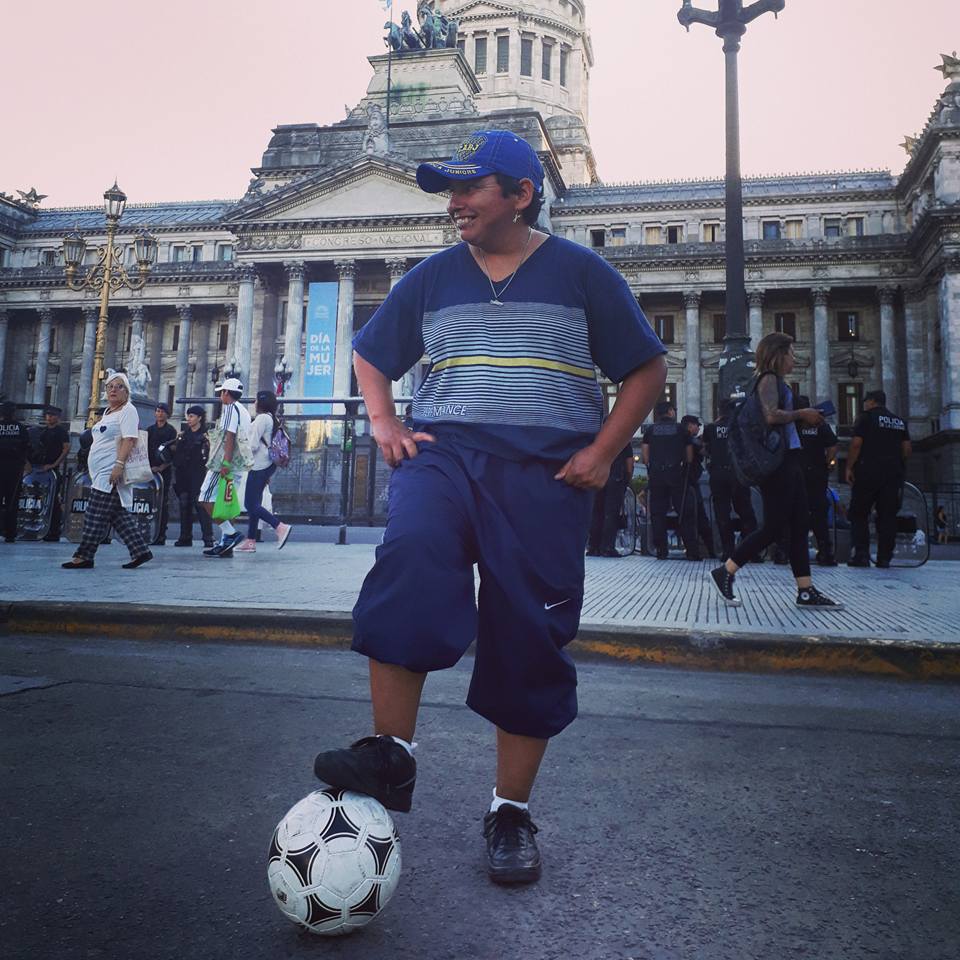
At Presentes we asked our LGBT+ followers how they experience their passion for football .
Among the positive aspects, they highlighted "the joy of the people", "homoeroticism", "sharing a passion" and "a new idea of masculinity" in relation to men who express their feelings.
These were some of their responses:
@liaghara
“Hold on to the people's joy, old man. Besides, the level of homoeroticism here is truly something else.”
@valen_nw
“With Queer intensity, as it should be!
@valr666
“I love it, I think you shouldn't limit yourself because of your sexuality from enjoying things that are 'heterotypical'. Besides, in the world of football there are players who are part of the LGBT+ community, even though they are a minority. The World Cup is a moment of unity, we should all enjoy it, and if we don't understand something, we should ask or try to respect each other beyond our sexuality and gender identity.💗”
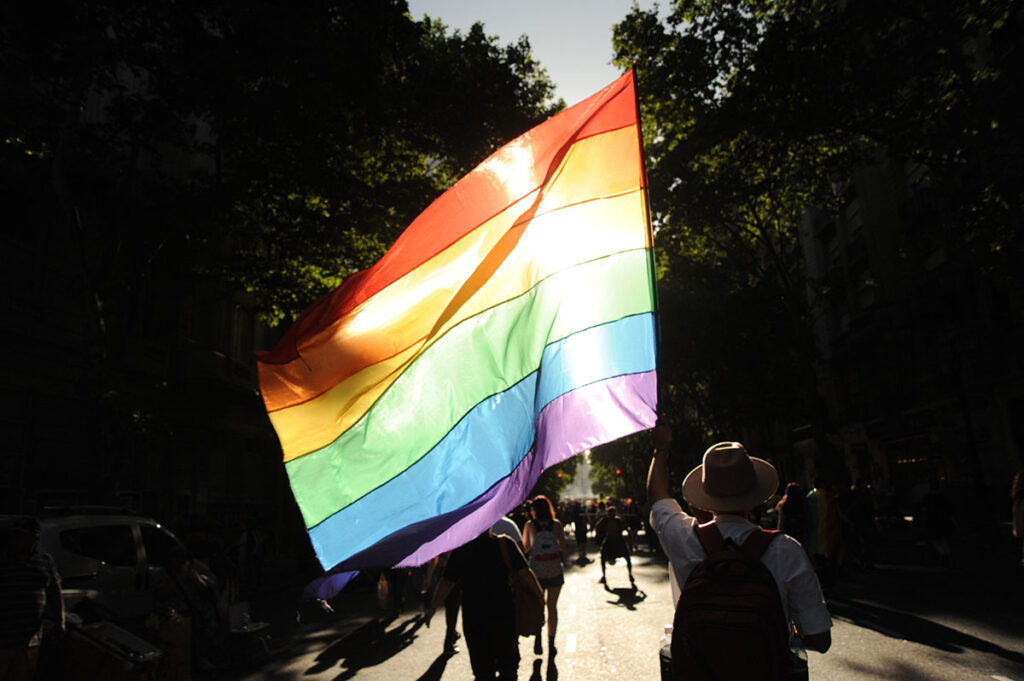
@arielocampopaintings
“I paint murals and try to leave messages of respect for diversity in murals about the World Cup.”.
@la.lo.kura
“I believe that, given this is an inevitable and historic event, we should be involved from within, not only by criticizing but also by sharing the passion.”
@maria_nianania
“I love this team that, even in the worst country, is building a new idea of masculinity. I love that the guys kiss and hug each other and say nice things. Anyway, I do love football, even though I'm terrible at playing it.
@sole__be
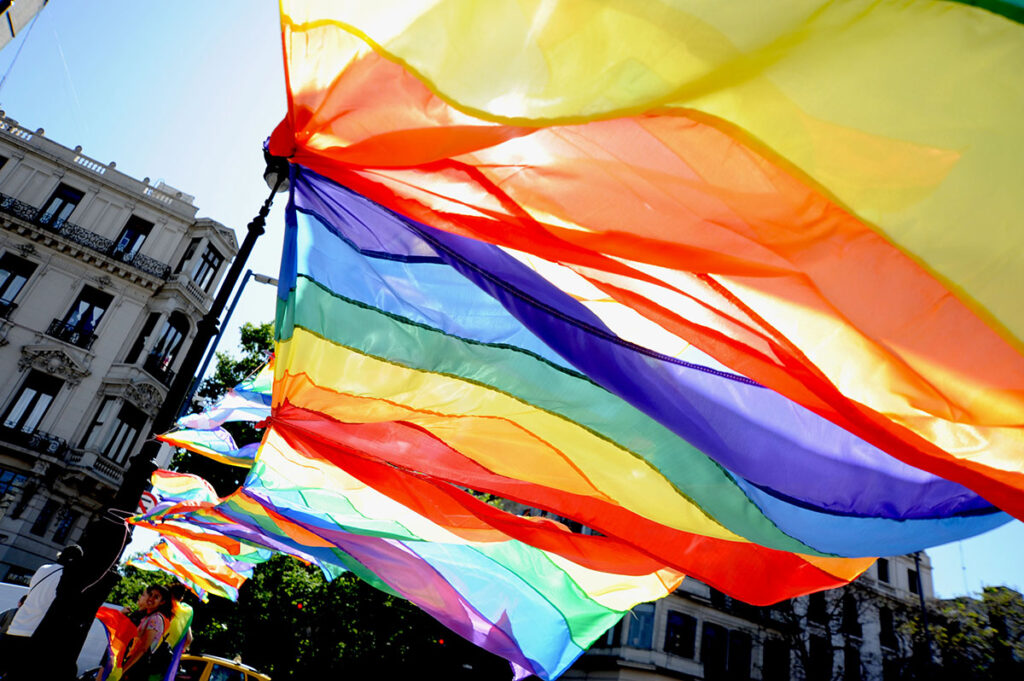
“Football is ours too, it has to be, and we have to do it our way. We have to be part of the people with social awareness, because we will never be outcasts. I send a hug to those generations that have been hit hard; those of us who were lucky will continue doing everything for a football that embraces the queer community. ❤️✌🏽”
@kima.dw
“I enjoy it a lot. It helps me connect with others. It's such a massive and passionate popular phenomenon that it generates a unique feeling. Besides, this long-suffering people deserves to have some joy. Of course, I absolutely condemn Qatar, but collective joy is cause for celebration.”.
@madamevanguardia
“Respect is what I saw at every gathering at the Obelisk. Seeing trans boys and girls with their faces painted in the colors of the rainbow flag and the trans flag on the other cheek. Change is slow and it's achieved by reclaiming that heteropatriarchal joy.”.
There are also those who chose not to see it as a political stance against the human rights abuses in Qatar, or because they disagreed with the International Federation of Association Football (FIFA). Others chose not to see it as a political stance against the human rights violations in Qatar, or because they felt it reinforced values they did not share, or because of the harm the sport had caused them.
@witch_flower
“I decided not to watch it because of the country it's in.”.
@_mimoses_
“I hate the amount of resources and time invested in an event that reinforces masculinity and is continually used to silence other issues of great importance. I wish all that money and time were invested in valuing LGBTQ+ communities, or in building new, sustainable social networks, or in providing housing and access to basic services, or in protecting water, biodiversity, and passing anti-land-destruction laws.
@quimeysolramos
“Lessons learned don't disappear from your skin, even as the years go by. I respect the genuine celebration (of some), but I can't share it.
@boogers_revenge
“Football is to the FIFA World Cup what religion is to Catholicism. The former is a personal choice and preference, the latter is an oppressive, heteropatriarchal, capitalist business.
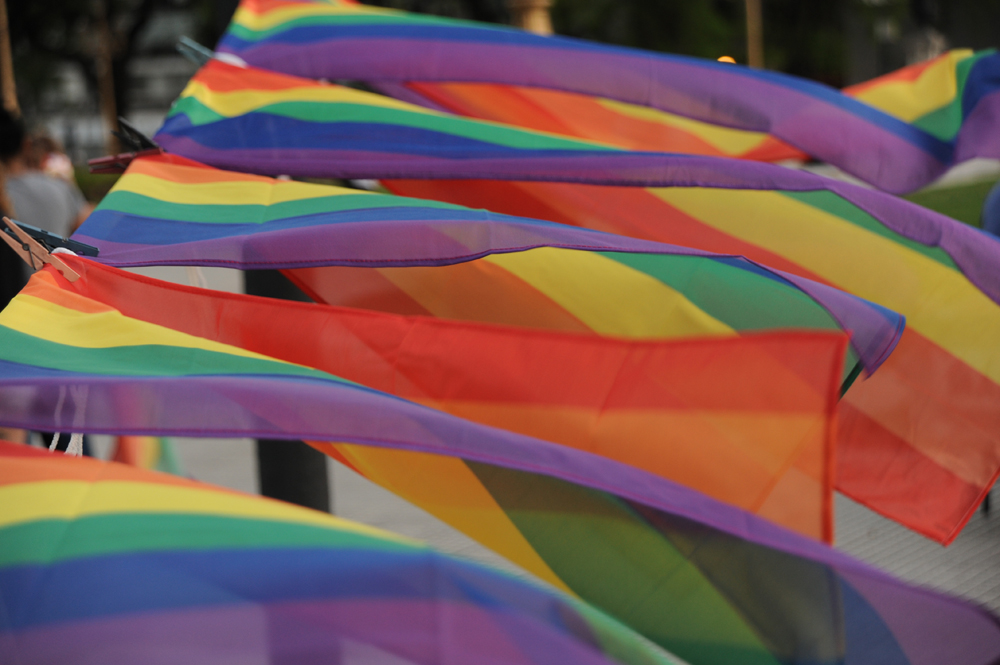
Many people pointed out the contradictions generated by the men's World Cup.
@guillet10
“It creates a lot of internal conflict for me. I had promised myself I wouldn't watch the World Cup because I agree it promotes homophobia and hate, but I've always loved football, playing it and watching the World Cup. And watching Argentina's matches with my friends brings me a lot of joy… I'm still debating internally whether I'm doing the right thing or the wrong thing… I think the important thing is to watch it with the awareness that there are many things that are wrong… I don't know.”
@ablancoq
“I support the celebration and collective joy, but never condone violence, rituals of masculinity, and celebrations that embolden and give free rein to hatred. Sport is for everyone; rituals of hatred are not
@rulognawel
“With ambiguity. Good for the popular joy, bad for cisgender heterosexual masculinity and the nationalism it reinforces. But above all, beyond what I think, I find it impossible to connect with a sport that has so often been the context of homophobic violence suffered; it reminds me of that. I hope that in 2022 these kids can say that they're not passionate about playing soccer and that they're more into dancing or whatever they genuinely want.
@rouxete
“I experience it as a contradiction. I love football and I recognize how terrible it was to hold the World Cup in Qatar. That's why I enjoy the match and continue to denounce and criticize everything related to this World Cup.”.
We are present
We are committed to journalism that delves into the territories and conducts thorough investigations, combined with new technologies and narrative formats. We want the protagonists, their stories, and their struggles to be present.
SUPPORT US

FOLLOW US
Related notes

We are present
This and other stories are not usually on the media agenda. Together we can bring them to light.