

"Bad Reputation": how lesbians are portrayed on Argentine television
A documentary analyzes the representation of lesbians on Argentine television.


Share

Lonely, troubled, invisible, hysterical, and in the closet. It's nothing new: lesbians have a bad reputation. But why?
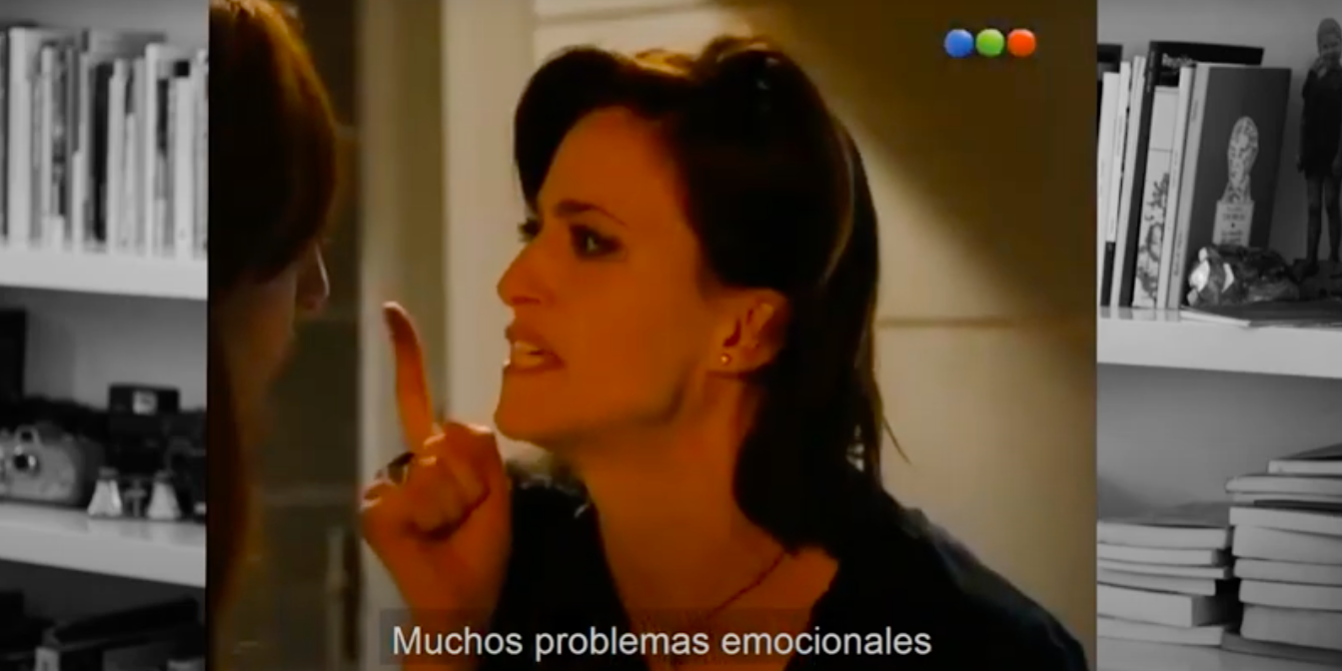
The documentary directed by Florencia Garibaldi and Estefanía Santoro - which debuted at the Asterisco Festival - uses archives of television fiction broadcast on Argentine television between 1992 and 2014 to shed some light on the matter.
“These are novels that were produced and scripted by white heterosexual cis men, except for 23 pares , which was produced by Albertina Carri and scripted by Marta Dillon, and it shows because the character who plays a lesbian (Érica Rivas) is not coming out of the closet all the time, but rather resolving other everyday situations in her life,” Garibaldi explains.
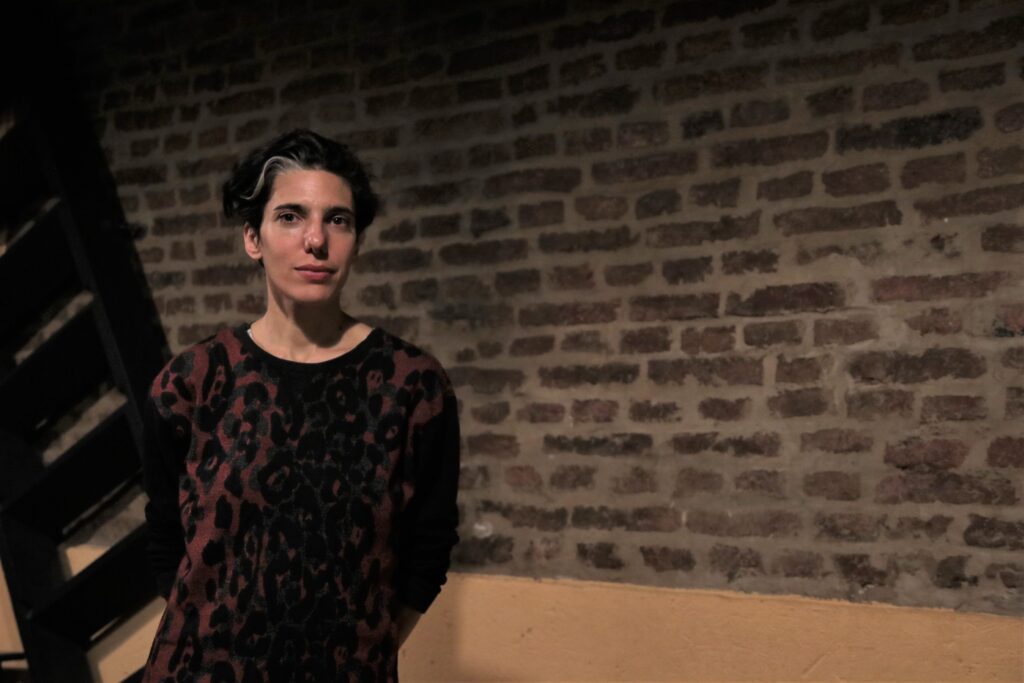
After five years of work, the documentary revisits archives from the telenovelas El elegido, Sos mi hombre, Mujeres asesinas, 099 Central, Señores Papis, Verdad Consecuencia, Para Vestir Santos, Vecinos en guerra, and the aforementioned 23 pares. “In all the other telenovelas, the following is repeated: the actresses who play lesbian roles are not lesbians in real life, but also, in fiction, they are constructed as white, hegemonic, upper-class, monogamous women, which completely makes other ways of being and living the lesbian experience invisible,” Garibaldi points out.
A message to discipline
Opened with a reinterpretation of Joan Jett & The Blackhearts' song "Bad Reputation," the documentary brings us the expert voices of Vir Cano, Albertina Carri, Ernesto Meccia, and Analía Couceyro to reflect on the role that television had and continues to have in constructing the "bad reputation" that surrounds lesbians in Argentina.
“That these representations are always associated with exile, marginalization, infantilization, and doubt is a form of affective pedagogy. It's a very clear way of propagating the idea that lesbianism is unwanted, a powerful message with a very strong impact. If being a lesbian is always a problem, it becomes unattractive and disciplining,” analyzes Vir Cano, a lesbian activist, teacher, and philosopher.
Gays vs lesbians on Argentine television
“Undoubtedly, in Argentine telenovelas, gay men have far more prominence than lesbians,” comments Ernesto Meccia, a sociologist and PhD in social sciences, interviewed in the documentary. “In the 1990s, in a very famous one-off drama that was formative for me, Verdad Consecuencia (Truth and Consequences), we see a gay couple with a leading role and a powerful love story.” For Meccia, lesbian love stories present “more arduous processes, as if they had to ask permission from the heteropatriarchal norm to be lesbians in a discursive genre—television fiction—that continues to understand heterosexuality as the norm. Otherwise, television would naturally have lesbian characters.”
A world that is not theirs
“Ernesto sheds some light on the issue of the presence of lesbians versus gay men in Argentine fiction,” says Estefanía Santoro. “We noticed that there are many novels featuring gay men, but fewer featuring lesbians, and that gay men are always portrayed in a comical, mocking way, to entertain the audience. This is problematic because these are degraded forms of masculinity, and while they are ridiculed, they have greater visibility, and not always associated with something negative. Conversely, lesbians are always portrayed for the pleasure and titillation of cisgender men. The idea that your family and friends will stop talking to you, that you could lose your job, is repeated. Lesbians always appear immersed in a heterosexual world, a world that isn't theirs.”
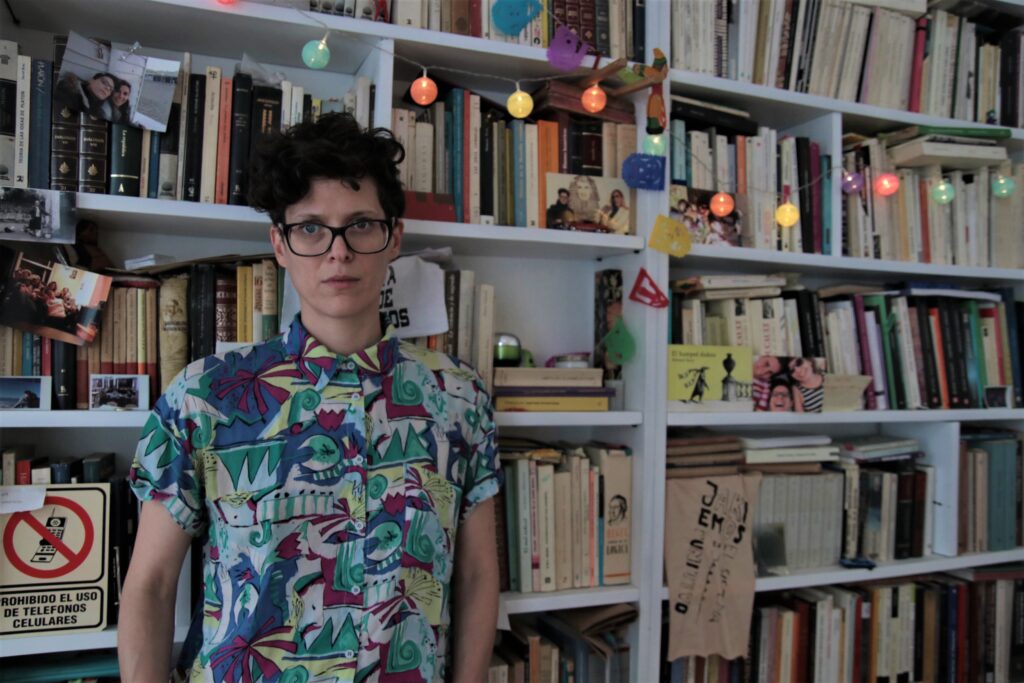
Being a cisgender gay man is not the same as being a lesbian. “We don’t have the same experiences. The lesbian experience isn’t just about a way of loving or having sex, but about a way of life. In general, the word lesbian generates a lot of rejection and is linked to disgust, loneliness, and a way of running away,” Vir Cano explains in the documentary, adding: “I would like to move beyond the narratives of being out of the closet, to see a representation of our universe, of lesbian friendships, which would illuminate a world and not just a character.”
Television doesn't withstand archiving
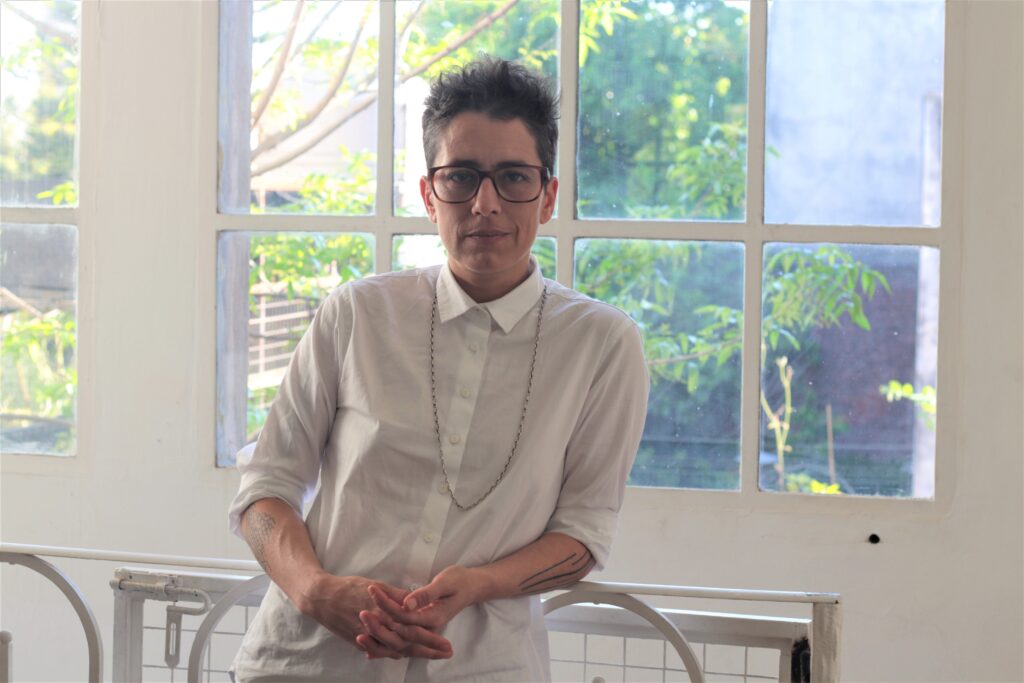
The documentary not only compiles fragments of television fiction from the 1990s to the present day, but also places them in dialogue with non-fiction programs from the same era. “We thought it would be interesting to see the rhetoric circulating at that time and to empirically demonstrate that this fiction reflected a social discourse. Like when Marengo (Rocío) says, in a segment for Duro de Domar about same-sex marriage, that all those people (referring to the LGBTQ+ community) are sick and drug addicts. We start from the premise that not all viewers have the capacity to consume media and form their own opinions; many people simply receive information and then think that if you're a lesbian, you're a drug addict, for example,” Garibaldi explains.
“You’re going to become a lesbian,” says the character of La Abuela (Antonio Gasalla) to Susana Giménez. “How disgusting!” the host responds on air. “ The imaginary nature of television is pedagogical. All these representations that were broadcast for decades on afternoon television teach you a way of life,” asserts Albertina Carri in the documentary. “What it does is generate anxious, unsatisfied subjectivities. The lesbian never appears as a desiring subject to whom things happen, but always as traitors, thieves, murderers, resentful, evil, unbalanced. That’s how the word ‘lesbian’ couldn’t be uttered.”
For many, these soap operas were their first exposure to lesbian scenes. Estefanía Santoro, raised in a very conservative family regarding sexuality and educated in a Catholic school, watched these productions and developed the feeling that being a lesbian meant suffering. “ I thought I was going to be discriminated against, that I wasn't going to have any friends. In my adolescence, I didn't have any lesbians around me, and I did have a very negative idea of what it meant to be a lesbian at that time, which was what television portrayed. So, in my own visual memory, I remembered those soap operas with their horrible depictions of lesbians. Luckily, later, with university and feminism, I was able to deconstruct all of this.”
So what now?
From 2010 to the present, Argentina has been a pioneer in expanding the rights of LGBTI+ people, and transfeminist movements have gained a stronger presence in the streets. “We set 2014 as the cutoff because we saw that productions from that year and later had a different approach to the representation of lesbians, a little less prejudiced and not so focused on drama. This came with legislative advances, including the passage of the Equal Marriage Law and the enactment of the Audiovisual Communication Services Law, which created the Public Defender's Office to handle complaints about discriminatory content,” Estefanía explains.
But despite laws and cultural advances, some representations persist. “In recent years, lesbian characters appeared in Las estrellas , a Polka telenovela. They are nonexistent protagonists, they appear in only a few episodes, they are still middle- or upper-class, white lesbians, with hegemonic bodies, moving through heterosexual settings,” Florencia points out.
Lesbians continue to be persecuted
The road ahead is still long. “We need to break out of the small bubble that is Buenos Aires because if you go 500 km away, the lesbian in your town is discriminated against, or there are many closeted lesbians in the north of the country, where there is a strong presence of Catholicism and Evangelicalism. We have very recent cases like Higui's, Marian Gómez's, and also a case with a lesbian in Necochea who is being persecuted and accused of supposedly painting graffiti on a wall, for which her salary at the Municipality was reduced and she received a notification accusing her without any proof. They are targeting her because she is an openly lesbian woman,” says Santoro. “What has changed is that lesbians have other resources and strategies to defend ourselves against these attacks, or to connect collectively. It is a path that is just beginning, which is why our intention is for the documentary to be shown throughout the country.”
The documentary Bad Reputation will be screened on December 3rd at La Tribu bar at 8:30 pm
We are present
We are committed to journalism that delves into the territories and conducts thorough investigations, combined with new technologies and narrative formats. We want the protagonists, their stories, and their struggles to be present.
SUPPORT US

FOLLOW US
Related notes

We are present
This and other stories are not usually on the media agenda. Together we can bring them to light.