

Trans, transvestite and indigenous voices gathered in Salta against racism and for real inclusion
Inclusion, diversity and work were some of the topics addressed during two days at the First Plurinational Meeting of Transvestites, Trans, Non-binary people.


Share

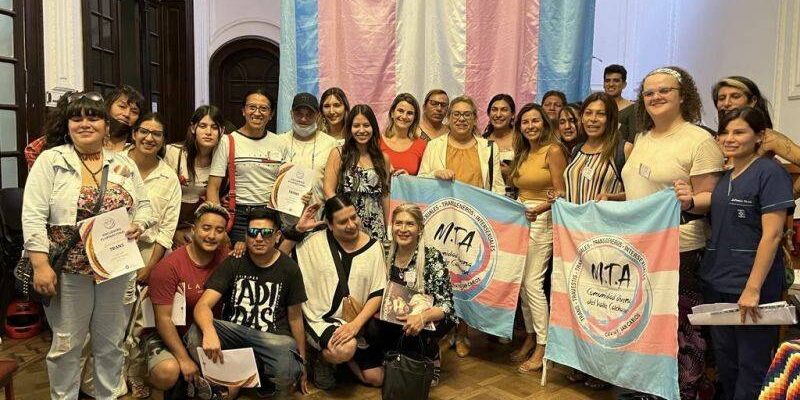
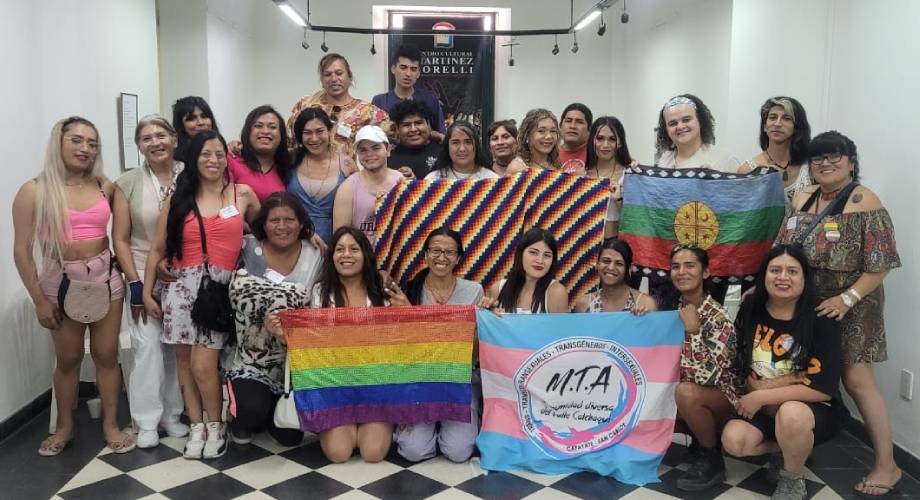
SALTA, Argentina. A meeting point to talk, to enable trans voices and experiences. That was the gathering held in the province of Salta, which brought together people from various territories in northern Argentina, called Kollasuyu .
Entretejernos trans was the First Plurinational Meeting of Transvestites, Trans, Non-binary people, which took place on November 28 and 29 at the National University of Salta and was organized by Mujeres Trans Argentina (MTA) of Salta.
“We think about and position ourselves from our territories to build and strengthen networks. To convene and enable speech, to share trans experiences and feelings in public spaces and institutions,” Pía Ceballos, a trans, travesti, Afro-Indigenous activist and organizer of the meeting, Agencia Presentes
The plurinational proposal of the meeting, as Pía Ceballos emphasized, was to challenge the colonial axis. “We rebelled against what was imposed, and we embraced each other in pain and hope,” she expressed.
Knitting collectively
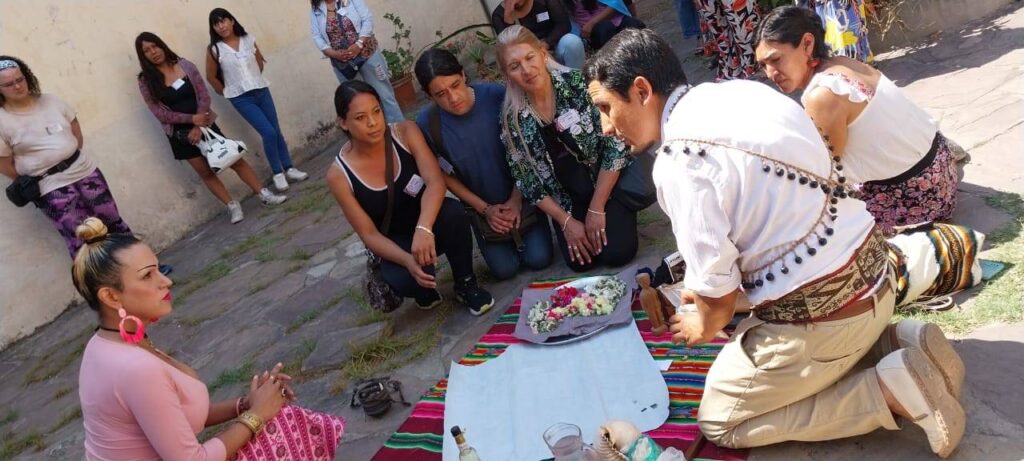
The gathering began with a ritual of gratitude using a kintu (a bundle of coca leaves), consisting of three coca leaves. This was a way to connect the masculine, feminine, and the present moment as a bridge between them.
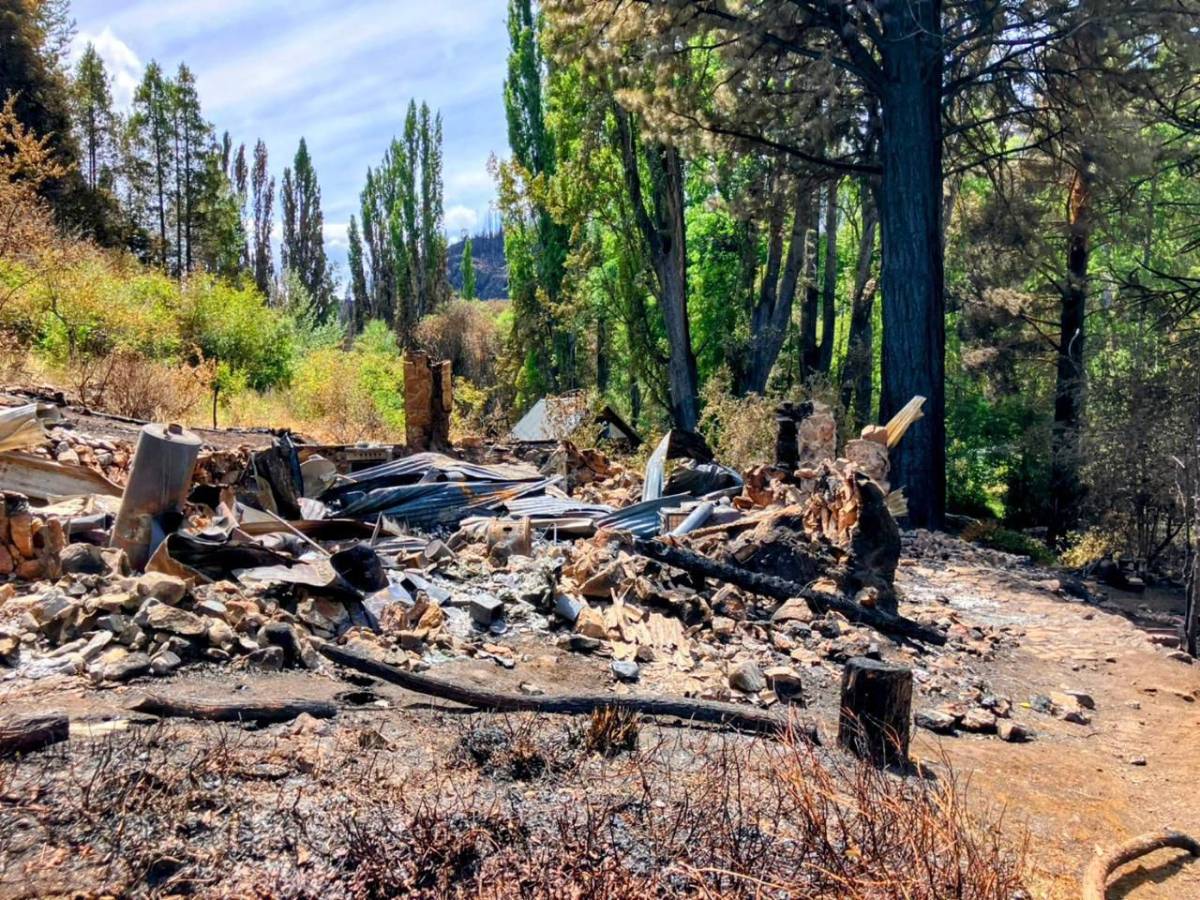
We, the trans and travesti people of Indigenous descent, inhabit this world in fluctuating ways. We pray for the lives of our trans sisters who live constantly at risk. We also pray for water, for rain to extinguish the massive fires set in Salta and Jujuy.
“The fact that we are the ones creating a diversity agenda within the Plurinational framework positions us as political subjects. I value this powerful diversity agenda because it comes with a gender, anti-racist, and plurinational perspective. This agenda cannot be anchored in Buenos Aires centralism. It must be developed through a genuine process of decolonization. We must listen to the territories and learn,” stated Alba Rueda, Special Representative of Argentina on Sexual Orientation and Gender Identity at the Ministry of Foreign Affairs .
“We see an anti-rights wave in the world that, through transphobic, nationalist and racist discourses, is gaining strength in societies where we do not weave ourselves together collectively,” the official stated.
The demands of indigenous women
The gathering was also linked to the demands of the Indigenous women chained to the gates of the Salta Legislature. The 19th Salta LGBTIQ+ Pride March, where the participants of Entretejernos converged, modified its route in support of the women.
Seven representatives of the indigenous nations Logys, Atacama, Lule, Weenhayek, and Tastil demand recognition of their pre-existence to the Argentine state, and therefore respect for their culture, language, and territory.
Nancy López is the chief of the Troja community. During the protest, she stated, “We are not covered by any legal framework, such as Law 7121. It's as if we don't have the right to exist as a people, or even as individuals. They deny us the right to influence Indigenous policies.”
She also denounced the fact that institutions like the Provincial Institute of Indigenous Peoples of Salta (IPPIS) and the National Institute of Indigenous Affairs (INAI) have no Indigenous people or voices working there. “One of the sisters was silenced by Representative Laura Cartuccia for speaking in her native Wichi language. The representative’s extremely racist attitude serves as a reminder that the struggle must be waged by everyone. Racism, like patriarchy, is an ideology that has a structural impact,” Nancy stated.
A point of intersection: transindigenism
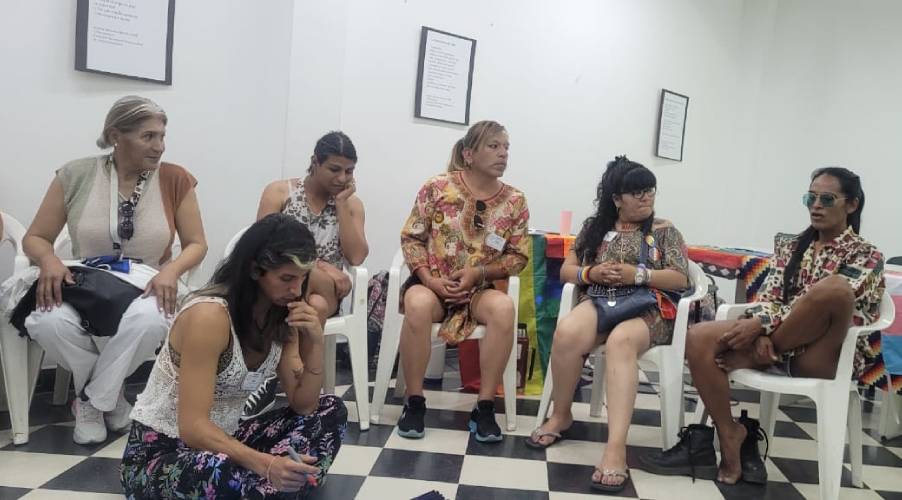
The Indigenous woman spoke about the march. “This embrace between those who marched for LGBTIQ+ pride and the protest of Indigenous sisters highlighted the trans-Indigenous intersection we had been working on at the gathering. On the one hand, trans, transvestite, and non-binary people still see our ways of being as a daily struggle every time we go out into the street,” Nancy added.
He stated that in the workplace, it was necessary to fight for a quota law and that this allowed the precariousness to be made visible.
“You can’t get a job because you’re trans and dress outside the norm. The gender identity law in Jujuy is only just beginning to be implemented this year, very slowly. And housing policies continue to be designed from and for heterosexual families. Indigenous people are often not recognized by the law and are deprived of rights and territories,” she continued.
Debate on sexual and cultural diversity
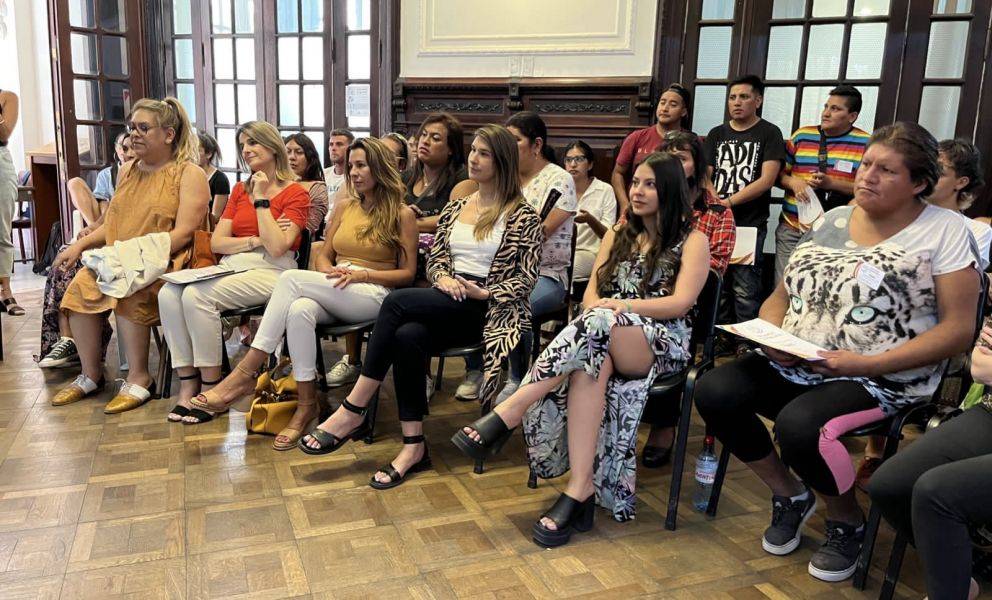
The complaints made at the meeting and the demands voiced at the march addressed how culture, worldview, and language continue to be ignored, prohibited, or suppressed. This is the case of Mapuche political prisoners. The plurinational perspective raises the question of what happens to Indigenous people of diverse sexual orientations and gender identities.
At the end of Entretejernos, Cande Soto, a trans woman from El Talar, a small town in Salta, expressed, “I leave this gathering knowing that I am not alone, that the fight for rights empowers us.”
Trans activist Fran Bubani, a scientist at CONICET, participated in the panel “Advocating for State Gender and Diversity Policies.” “This meeting became a safe space for those women who have never had the opportunity to speak out. Therefore, their voices are not represented in public policy.”
We are present
We are committed to journalism that delves into the territories and conducts thorough investigations, combined with new technologies and narrative formats. We want the protagonists, their stories, and their struggles to be present.
SUPPORT US

FOLLOW US
Related notes


We are present
This and other stories are not usually on the media agenda. Together we can bring them to light.