

Trans activist Rosa Salvaje was murdered in Oaxaca
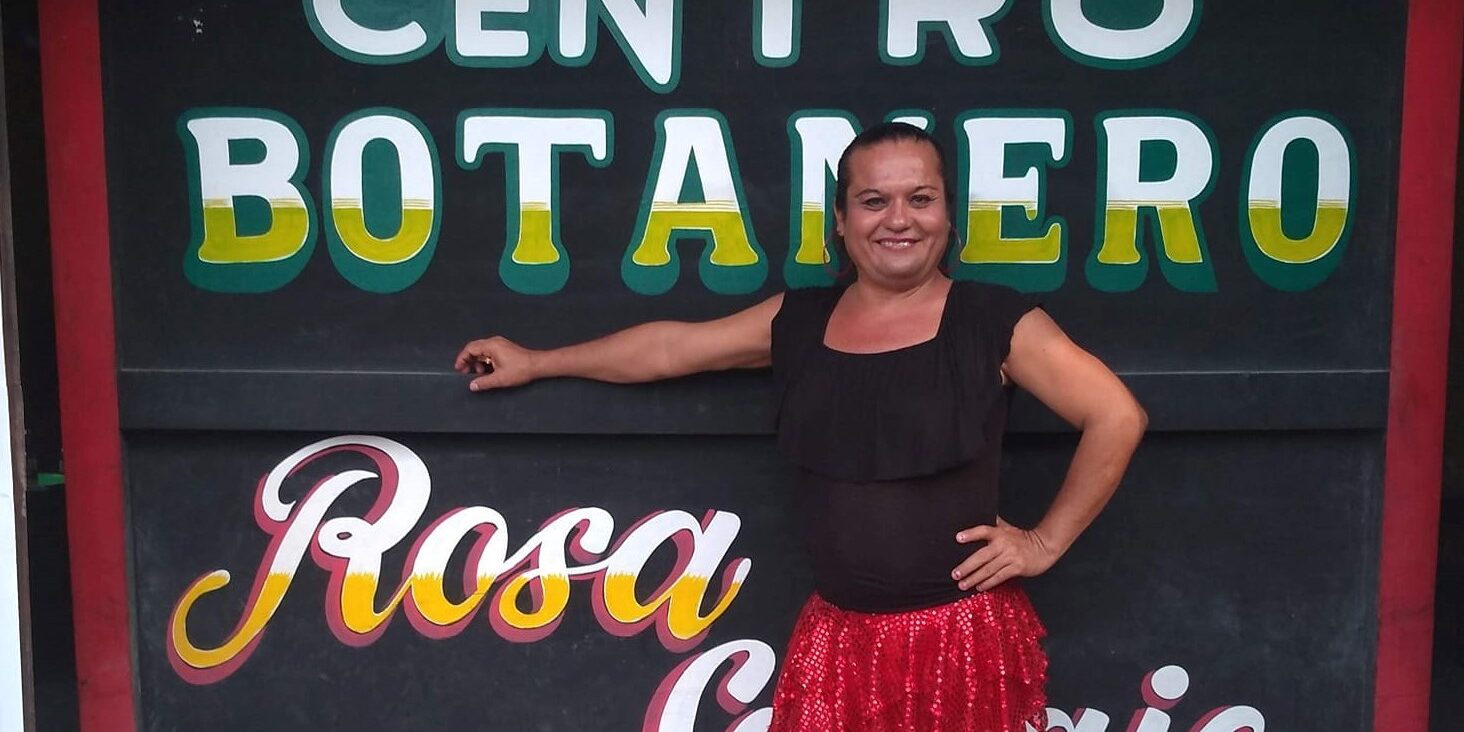
Rosa was 50 years old and was murdered inside her business.


Share

On the morning of September 29, Rosa Salvaje, a 50-year-old trans woman and activist, was shot and killed inside her business, Centro Botanero 'Rosa Salvaje,' located in the coastal city of Pinotepa Nacional in the state of Oaxaca. Rosa's brother and fellow activist Sofía Guandulaín are demanding justice. The Attorney General's Office has not yet released any information about the incident. This is the third trans femicide in four days.
“Rosa Salvaje was a well-known woman in her community for being a visible trans woman and political activist. She was 50 years old, and although she hadn't legally changed her gender, she was respected and very loved by her family and the community of Pinotepa,” said trans activist Sofía Guandulain, director of Trans-Formación, a collective that defends the human rights of trans people on the Oaxacan coast, in an interview.
According to reports from the local press in Pinotepa, the events occurred at 11:15 a.m. on Thursday, September 29, when neighbors of the La Planta neighborhood heard gunshots inside the 'Rosa Salvaje' bar, a business that was also Rosa's home.
Without respect for their identity
“Several gunshots were heard in broad daylight. The victim's family members immediately went outside and identified the body. The motive for the murder is unknown, and no arrests have been made,” reported local journalist Carlos Martínez of Noti Costa Oaxaca.
Rosa's brother contacted trans activist Sofía Guandulain to intervene in the demand for justice.
“Her brother asked me to do something to demand justice. I’m still waiting for him to give me information about whether there was a history of threats or intimidation against her because it was straightforward; she was killed with high-powered weapons. There isn’t much information about the motive, whether it involves hate, but it definitely needs to be investigated, taking into account that she was a trans woman,” the activist commented.
Most of the media in Oaxaca reported the news using Rosa's registered name and referring to her in the masculine.
In Mexico, five out of ten trans women were killed by gunfire, according to the report Gender Violence with Firearms in Mexico , prepared by Intersecta and other organizations.
“Urgent need to address violence and transfemicides in Oaxaca”
“The prosecutors don’t investigate, and they don’t hear the cry for justice. Now, with the support of Rosa Salvaje’s family, we will definitely take action to demand justice because it is urgent to address the violence against trans women and transfemicides in Oaxaca,” said Sofía Guandulain.
Several local media outlets reported that the Oaxaca Prosecutor's Office initiated a "criminal investigation for the crime of homicide."
Presentes attempted to contact the Regional Deputy Prosecutor's Office of the Coast of Oaxaca to verify this information and inquire whether the case would be investigated under the aggravating circumstance of "hate crime based on gender identity," as stipulated in Article 292 bis of the Penal Code . However, there was no response.
Between 2015 and 2021, at least 16 hate crimes against LGBT+ people were committed in Oaxaca, 12 of which were transfeminicides, according to the Letra Ese .
In addition, from 2020 to September 1, 2022, the Human Rights Ombudsman of the People of Oaxaca initiated 26 cases of discrimination against trans people, and three of them are related to hate crimes.
“Pinotepa is experiencing a level of extreme violence”
According to local media, Rosa Salvaje's murder occurred one block from a new military barracks of the Mexican Navy, as that same day the institution took command of the Public Security Directorate of the municipality of Pinotepa Nacional in response to the growing wave of violence.
Sofía Guandulaín comments that violence and public assaults in Pinotepa go unpunished. She mentions that she is not convinced that the participation of the armed forces in public security tasks will improve the situation.
“In Pinotepa, there are one or two murders every day. There is a general level of extreme violence. Unfortunately, due to fear, threats, and the situation with the cartels, it is very difficult to report crimes and seek justice.”
Since the beginning of the government of Mexican President Andrés Manuel López Obrador, municipal and state police forces have been experiencing a crisis due to a security policy and strategy that strengthens the army and the National Guard —a military police force created by López Obrador— and their presence on the streets.
“Silence from LGBT organizations”
Guandulain shared with this media outlet that on the day Rosa was murdered, she was in a meeting with the trans congresswoman, Salma Luévano, and that when the murder of Rosa Salvaje was mentioned, she "showed little interest."
“There was no echo, it practically went unnoticed. I truly regretted it because I believe that with his platform, attention can be drawn to what is happening in Oaxaca,” he said.
Guandulain adds that he also perceives "silence" from the rest of the LGBT+ activism in Oaxaca.
“There has been a lot of silence from other LGBT activists and organizations in Oaxaca regarding Rosa Salvaje’s murder. And something is happening; it’s replicated every time a trans woman is murdered, and it intensifies if it’s someone who isn’t well-known at the state level,” she adds.
We are present
We are committed to journalism that delves into the territories and conducts thorough investigations, combined with new technologies and narrative formats. We want the protagonists, their stories, and their struggles to be present.
SUPPORT US

FOLLOW US
Related notes


We are present
This and other stories are not usually on the media agenda. Together we can bring them to light.