

Indigenous women and diverse groups from Latin America gathered in Salta against land destruction and exploitation
More than 250 indigenous people inaugurated the Third Plurinational Parliament of Indigenous Women and Diversities for Good Living.


Share

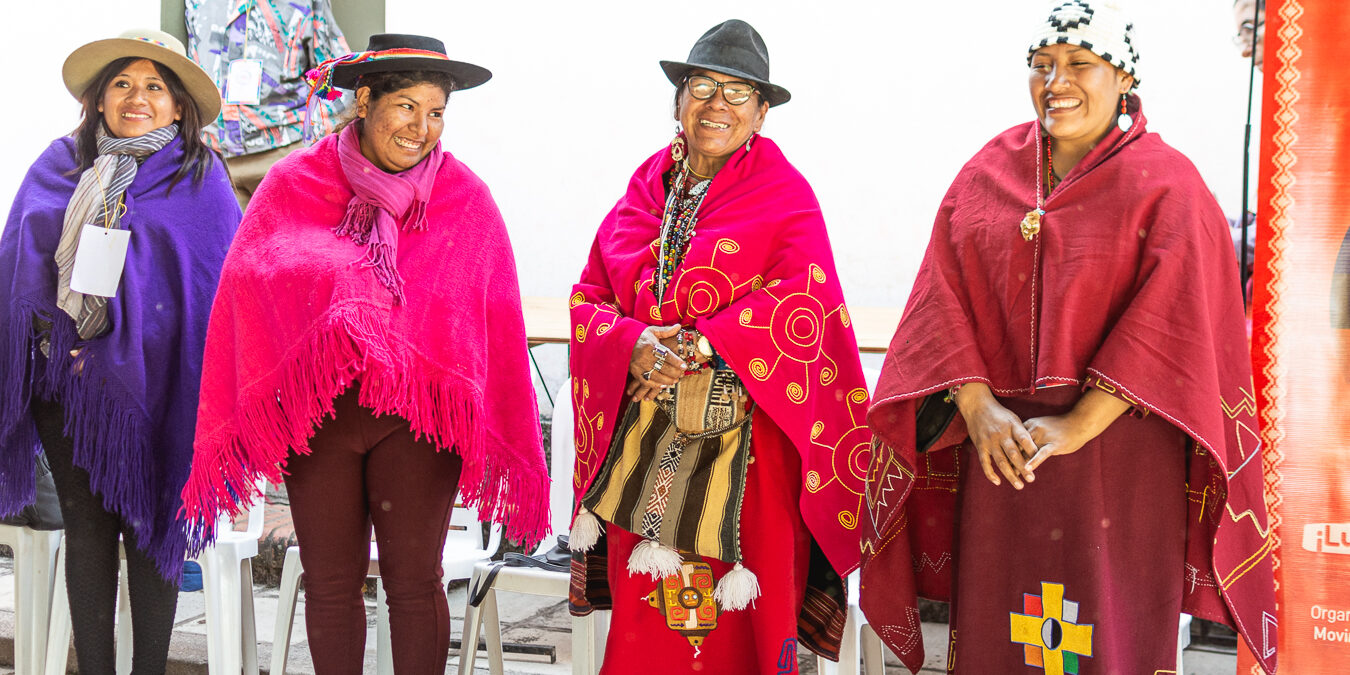
SALTA, Argentina. In the Calchaquí Valleys region, surrounded by the hills of Chicoana (Salta), more than 250 indigenous people inaugurated today the Third Plurinational Parliament of Indigenous Women and Diversities for Good Living.
Fifty kilometers from the provincial capital, representatives from more than 20 Indigenous nations—mostly from Argentina, but also from Bolivia, Peru, and Mexico—are meeting until Wednesday, May 25. The objective of the gathering: to share experiences from their territories and build a common agenda focused on the fight against the destruction of their lands and the abolition of "chineo," the rape of Indigenous children by non-Indigenous people.
Many of the participants in the meeting have been working for two years with the Indigenous Women's Movement for Good Living—the organization that convened the Parliament—on a campaign to publicize this abuse, which has been in place since colonization , and to have it declared imprescriptible and a hate crime. Currently, the practice is most deeply rooted and enjoys the greatest impunity in northern Argentina, which is why this location was chosen for the meeting. Salta was also chosen because it is one of the provinces with the greatest ethnic diversity: it is home to more than 14 of Argentina's 35 Indigenous nations.
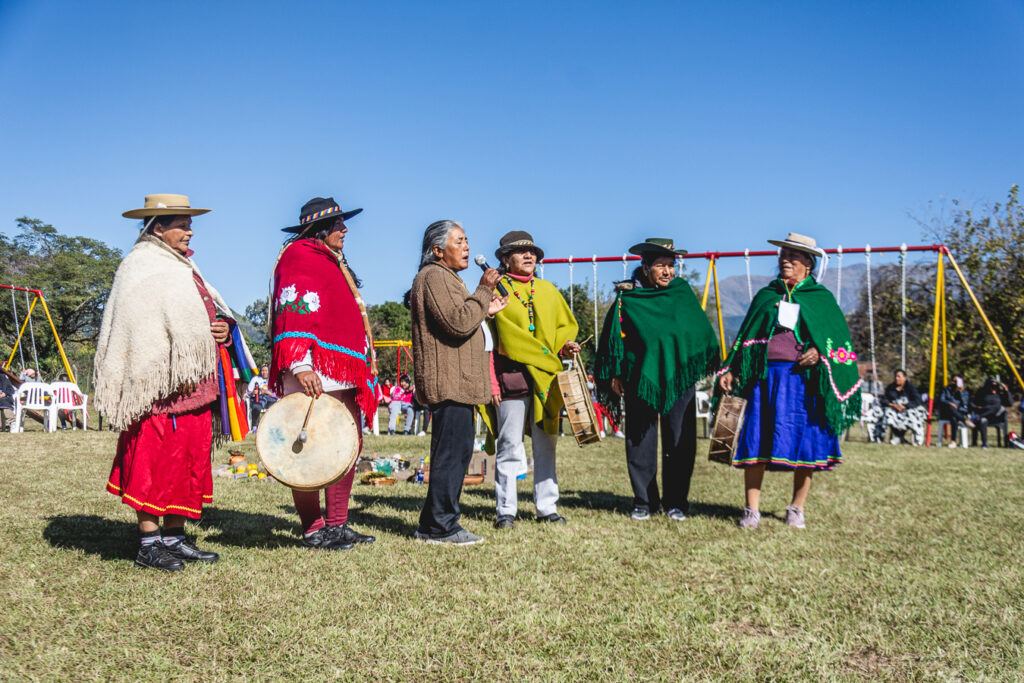
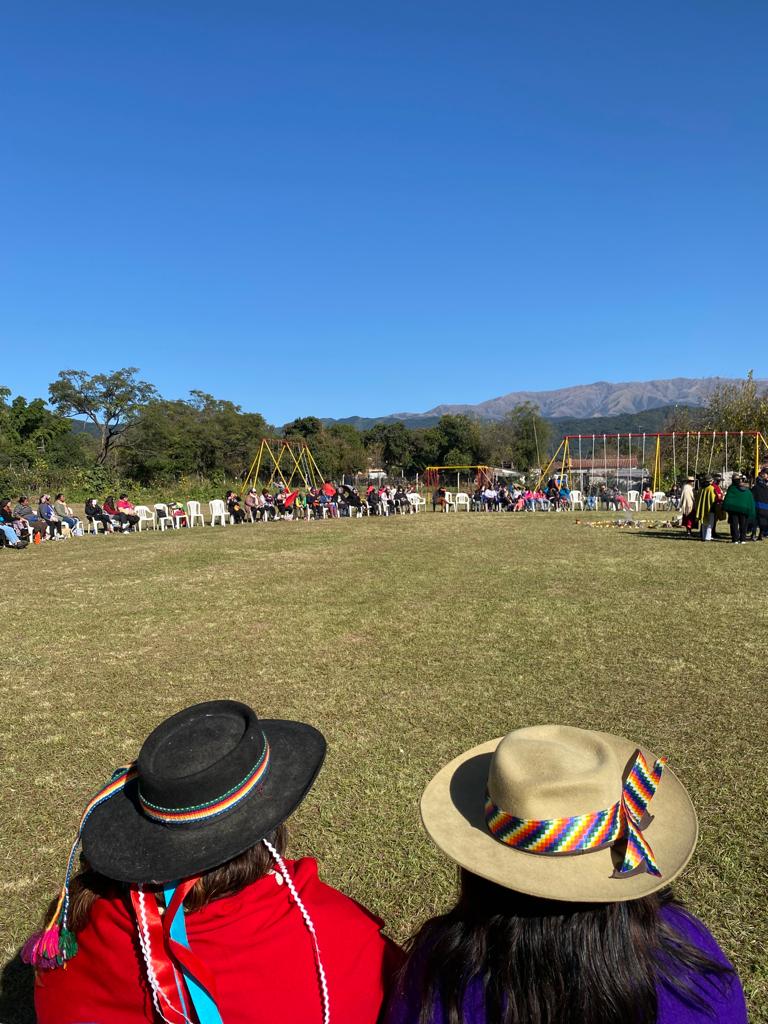
The first day of the Parliament began with a ceremony led by the spiritual leaders of each Indigenous nation. Around the fire, thanks were given to Mother Earth and the ancestors for the opportunity to be gathered together, offerings were made, and songs were sung in different languages. This is the 3rd Indigenous Women's Parliament (the first was in 2015 in Ensenada, Buenos Aires, and the second in Las Grutas, Río Negro) and the first to explicitly embrace sexual diversity.
After sharing breakfast, the Mapuche weychafe (warrior) Moira Millán , from the Indigenous Women's Movement for Good Living, welcomed and thanked all the people who made the meeting possible.
She emphasized that she knew it wouldn't be easy to hold this Parliament in Salta, a place historically discriminatory towards diversity. However, most of the attendees come from this province and its neighbor, Jujuy. She also clarified that the vast majority of the Indigenous women present do not identify as feminists "but as anti-patriarchal."
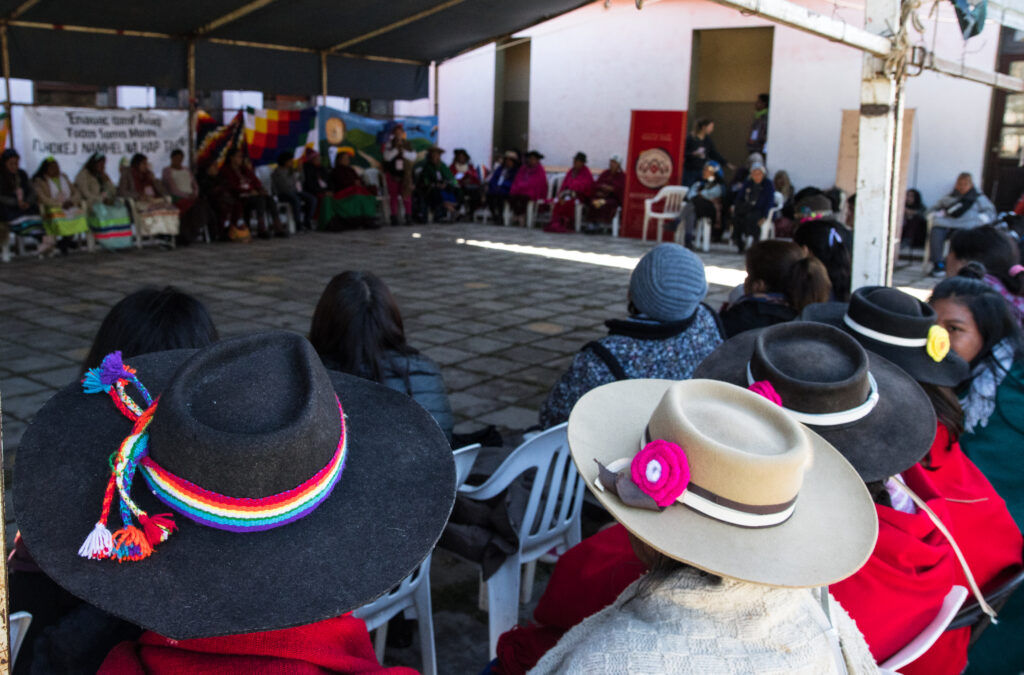
Then the sisters formed a large circle to introduce themselves and share about their territories and cultures of origin. Sisters from the Quechua, Wichi, Qom, Diaguita, Charrúa, Mapuche, Moqoit, Tapiete, Ava Guaraní, Chorote, Chulupí, Chané, Weenhayek, Simba Guaraní, Guaycurú, Lule, Diaguita Calchaquí, Purépecha, and Huarpe nations attended the Parliament.
"I am a nurse. I am a translator. I am a teacher. I am an artisan. I am an indigenous development technician. I am from my community assembly. I am a seed guardian. I am a territory guardian. I am a textile art guardian. I am a communicator. I am a singer," were some of the ways they introduced themselves.
"I was born to sing and transmit the energies of my grandparents. I come to these territories to share some of that," said a sister who had arrived from Bolivia.
–I am a trans person and two spirits, I come from Chile representing our ancestors.
–I am trans and Mapuche. We are also indigenous and I will resist wherever I am needed, in whatever territory is necessary.
–Thank you for including diversity in this parliament. We exist and we resist.
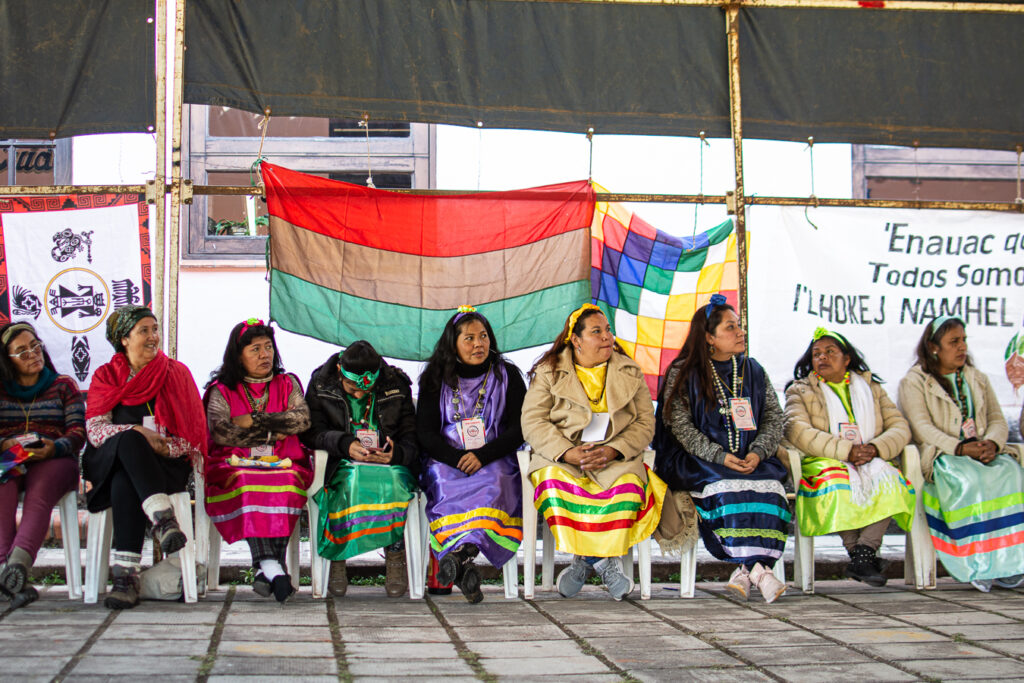
"We come to heal our wombs as women and our souls," said a Kolla sister.
–I've come because we have suffered many acts of violence.
–I want to remind everyone that organized women can do a lot and be a voice of struggle against everything that is happening.
–I come from Salta, a province that tries to silence us. But here, women take charge and raise their voices, and that is the strength we want to transmit to you.
–We are here because we want our voices to be heard around the world so that we can move forward.
–We come to unite our voices, our thoughts, and our spiritual energy to fight for the same goals.
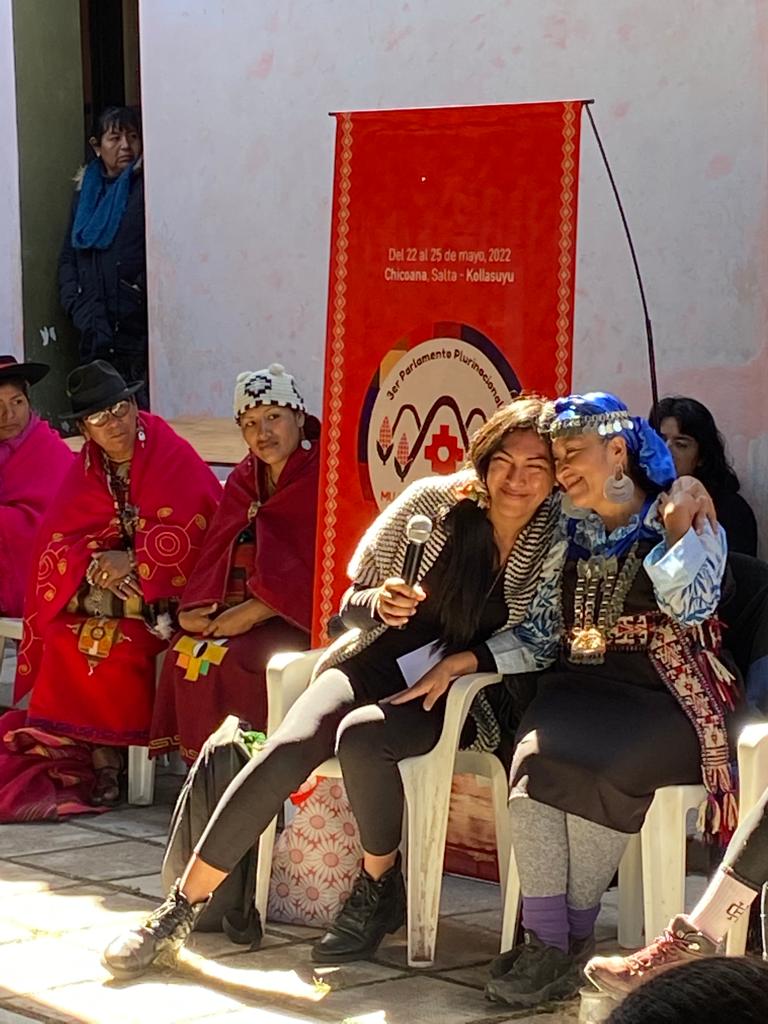
“I am Pía, proudly trans, proudly Indigenous. I come to say enough to the harassment and violence against our trans sisters. Thank you for being here and for your affection. With our ancestors in our hearts. We trans women join the fight against the land,” said Pía Ceballos .
Global Day of the Fight Against Terrestrial Crime
After lunch, the sisters gathered for their first plenary meeting, where they took turns speaking in Spanish, as well as in various Indigenous languages, to share what it means to be a woman or a dissident and to defend their territory. They discussed the violation of basic rights and the repression they face from states when defending their communities against extractive industries.
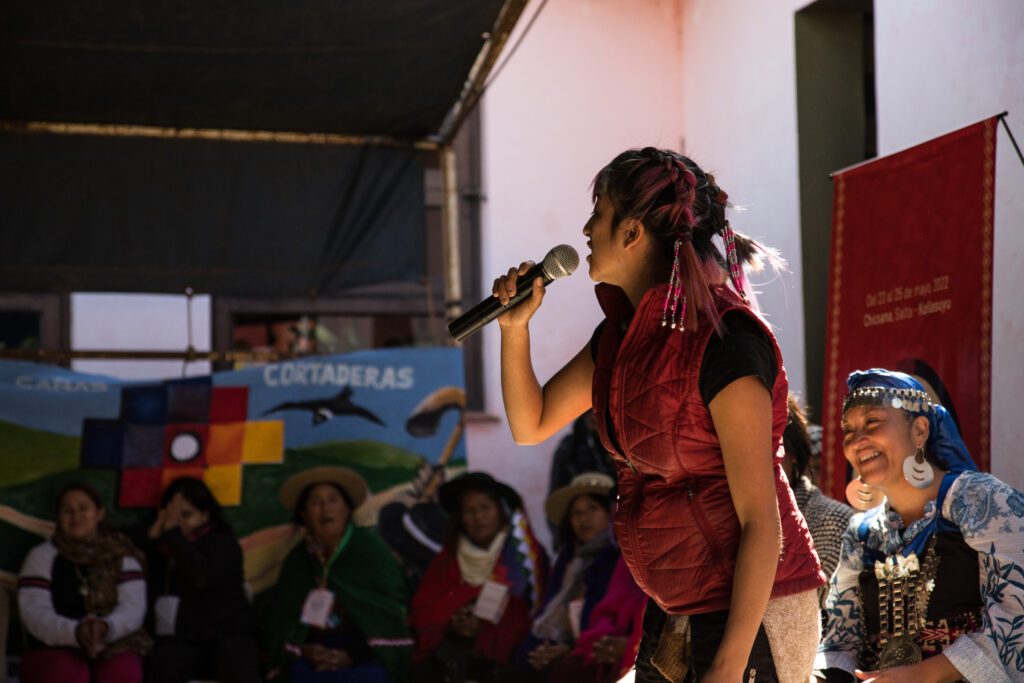
“We in the Indigenous Women’s Movement decided to use the word ‘terricide’ because it is more comprehensive than ‘ecocide.’ It refers not only to the murder of nature but also to the destruction of our spirits and our bodies,” said Evis Millán, a Mapuche woman. May 22nd has been established three years ago as the global day of action #StopTerricide.
“In the north, we are fighting against agrochemicals. We live surrounded by soy plantations. We are near the airstrip where they load the poison. They have cornered us. We are getting sick,” said Nancy López, a cacica (chief), communicator for the radio station La Voz Indígena (The Indigenous Voice) , and member of the Weenhayek people.
View this post on Instagram
The Parliament continues until Wednesday, May 25, with workshops—including one on Communication coordinated by Agencia Presentes. “Leadership is rooted in the land and is Indigenous,” said Millán. And one of the sisters emphasized: “When women are determined to carry on a struggle, borders don’t matter to us.”
We are present
We are committed to journalism that delves into the territories and conducts thorough investigations, combined with new technologies and narrative formats. We want the protagonists, their stories, and their struggles to be present.
SUPPORT US

FOLLOW US
Related notes


We are present
This and other stories are not usually on the media agenda. Together we can bring them to light.
2 Comments