

Jalisco approves same-sex marriage and gender identity
In a historic day, the Jalisco Congress approved the recognition of same-sex marriage and the gender identity of transgender adults. It also sanctioned fraudulent "conversion therapies."


Share

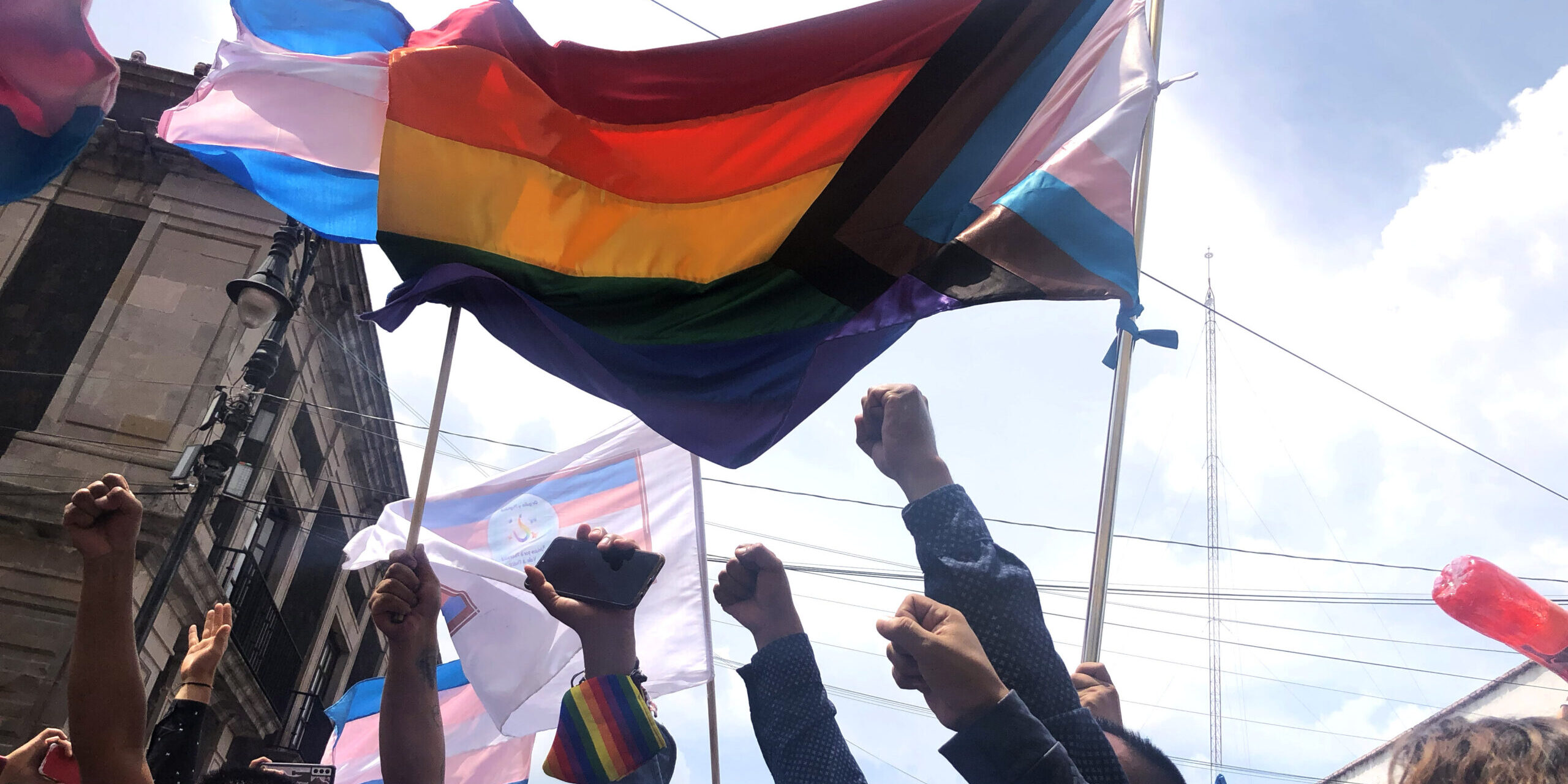
In the early hours of April 7, the Jalisco state congress approved initiatives to recognize same-sex marriage and the gender identity of transgender adults. It also sanctioned ECOSIG (Efforts to Correct Sexual Orientation and Gender Identity): bogus “therapies” that seek to repress non-normative sexual orientations and gender identities. Outside the congress building, LGBT+ individuals, groups, and activists celebrated these hard-won rights.
Jalisco is a state in western Mexico that has been burdened with a narrative of being "mocho" (conservative). For years, its legislatures have sidelined initiatives to guarantee the human rights of LGBT+ people. Furthermore, governments led by the PAN (a conservative political party) have funded anti-rights groups that believe homosexuality can be cured.
In that context and after more than ten hours of discussion and voting by the deputies, April 7 became a historic day for LGBT+ people and activists in Jalisco.
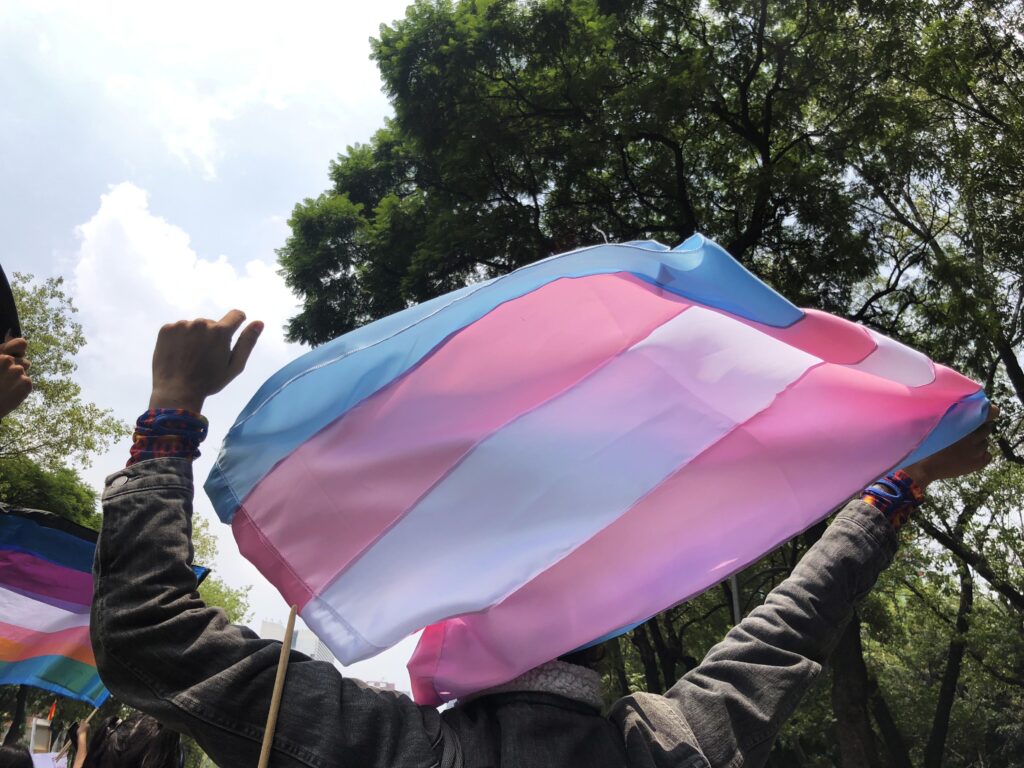
“Marriage: the union of two people”
With 26 votes in favor, 8 against, and 3 abstentions, the reforms to Articles 258, 260, and 267 Bis, which legalize same-sex marriage in the Civil Code of Jalisco, were approved. This comes seven years after the Supreme Court of Justice of the Nation (SCJN) declared, for the first time in Mexico, unconstitutional the concept of marriage as "the union between a woman and a man," arguing that it "violates the right to non-discrimination, since it categorically excludes same-sex couples from this right," as stated in unconstitutionality action 28/2015 .
Following that ruling, same-sex couples in Jalisco were able to marry without needing legal protection since 2016. Now , after the vote in favor, this right is enshrined in the Civil Registry Law of Jalisco as "the union of two people."
Identity only for adult trans people
The recognition of the identity of transgender people was enshrined in Article 23 of the Civil Registry Law, approved with 26 votes in favor, 10 against, and one abstention. However, the legislators excluded transgender children and adolescents from this right.
Following the vote, only transgender people over the age of 18 were granted legal protection. This contradicts the decree promoted in October 2020 by the governor of the state of Jalisco, which stipulates that the right to gender identity is “fully applicable to children and adolescents who wish to be recognized in their self-perceived gender identity.”
This decree made Jalisco the first state in Mexico to guarantee this right to trans children and adolescents and made it the state with the highest human rights standards for recognizing the gender identity of trans people in Mexico.

In this country, every law passed in Congress becomes effective once, in this case, the state governor signs the bills and they are published in the Official Gazette.
In that regard, Andrés Treviño, director of Sexual Diversity for the Jalisco government, stated during an Instagram live interview that there is a possibility that the governor of Jalisco, Enrique Alfaro, will make the necessary changes to avoid any backsliding on rights.
“It is up to us, and I take responsibility, to draft the necessary amendments to the Legislative Branch in the coming days. If that fails, there are two options: either this law can be vetoed or a new initiative can be pursued; because in our country, Article 1 of our Constitution establishes that we cannot regress in matters of human rights ,” he stated.
Economic fines against ECOSIG
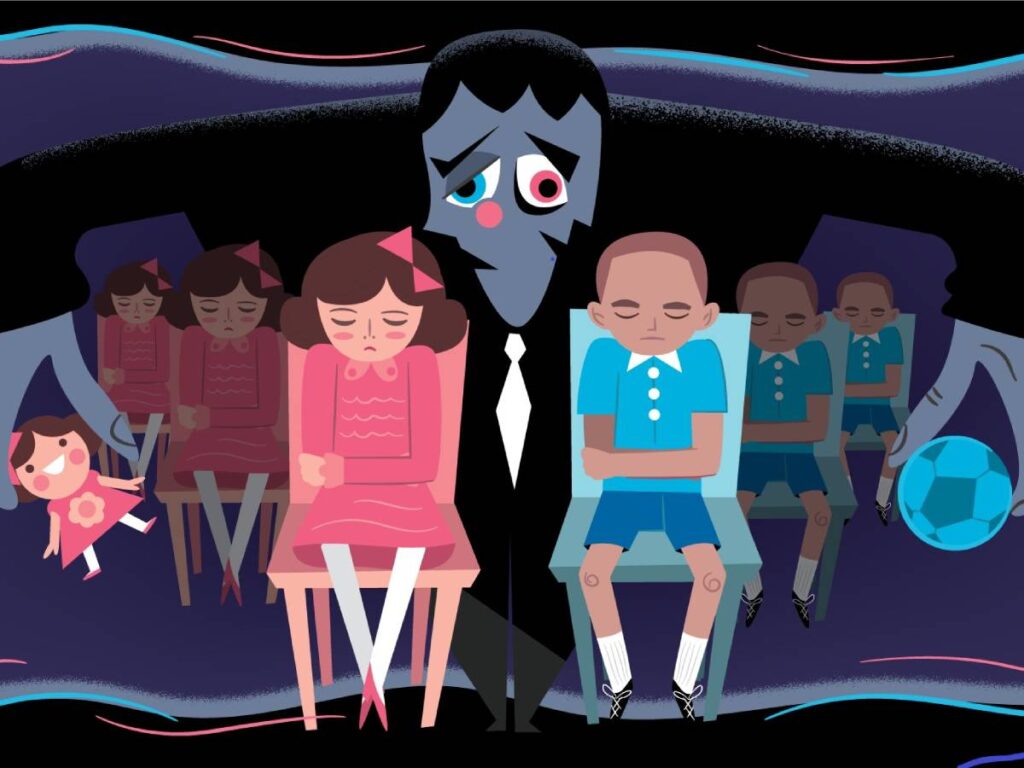
Regarding Efforts to 'Correct' Sexual Orientation and Gender Identity (ECOSIG) –harmful and pseudoscientific practices that repress and suppress the sexual orientation, gender identity and expression of LGBT people– the Congress of Jalisco approved with 32 votes in favor and 5 against its classification in the Penal Code by adding article 202.
The original proposal stipulated “one to three years in prison for anyone who promotes, applies, or finances such treatment, therapy, or practice.” In the case of healthcare personnel involved, it would have disqualified them from practicing, but this was modified at the last minute. The addition of this article now includes a fine of 30,000 pesos as a penalty, or “thirty to one hundred days of community service for those who promote, apply, or finance any type of treatment, therapy, or practice to modify, reorient, or nullify a person's sexual orientation .”
Nothing to cure
“Today we have the opportunity to discuss how to improve the laws we already have. We've never been in this position before, which is significant. We have the opportunity to lobby for the expansion of the list of offenses, the wording (…) Regarding ECOSIGS, it's highly questionable to consider that the only approach is punitive. Even so, I believe there are several things that need to be done. This initiative targets a type of ECOSIGS that, moreover, is the one we have documented: addiction rehabilitation centers that are not religious in nature; it's an economic issue. So, I don't think we can dismiss the fine or the terms in which the initiative was launched. I do believe we must recognize that there is much progress to be made on this initiative. But it is already an approved initiative,” explained Andrés Treviño during that same Instagram Live interview .
The local news outlet ZonaDocs documented the moment outside the legislative building when this initiative was being voted on. LGBT+ people celebrated with jumps and chants of “Nothing to cure, nothing to cure! ” On social media, one user wrote: “Eight years ago I was a victim of one of those therapies in Jalisco. I dreamed that society and institutions would understand that there is #NothingToCure.”
It was achieved after a secret vote
During the session, which lasted more than ten hours, the representatives took time to discuss how to cast their votes. They opted for a secret , a method in which the public is unaware of each representative's vote. This ballot is filled out and deposited in a ballot box. The voter's choice is read aloud, but the name of each legislator is not revealed.
Article 193 of the Regulations of the Organic Law of the Legislative Branch of the State of Jalisco states that “voting is by roll call whenever it concerns bills or decrees.” Article 194 states: “voting is by secret ballot when it concerns the appointment of the Board of Directors, the appointment of officials, or when so determined by this law or agreed upon by the Assembly.”
During the plenary session of Congress, Representative Susana de la Rosa (who was one of the main promoters of initiatives in favor of rights for LGBT+ people) proposed to the President of the Board of Directors that the voting on the initiatives be done by ballot, which was put to a vote and obtained the majority of the Assembly present.
De la Rosa denounced before the plenary session that the decision to hold this type of vote came after she and two other congresswomen were attacked by anti-rights groups. In an interview, she confirmed that the attackers were members of the National Front for the Family, a religious and anti-rights group in Mexico.
On her Twitter account, Representative Susana de la Rosa said : “To those who expressed their disagreement with my proposal to vote on the LGBTQ+ initiatives I presented by ballot, I want to say that I did it with the sole objective of obtaining the votes needed for their approval. It was achieved.”
This is not the first time that LGBT+ human rights have been voted on in Mexico by secret ballot. In Yucatán, state legislators voted in this manner on the recognition of same-sex marriage , and organizations filed an injunction with the Supreme Court of Justice of the Nation (SCJN), which ruled that the secret ballot vote was illegal and unconstitutional. The SCJN's ruling set a precedent, establishing that the country's legislatures have an obligation to legislate under democratic and transparent standards. Following the secret ballot in Jalisco, activists and LGBT+ individuals celebrated the results.
We are present
We are committed to journalism that delves into the territories and conducts thorough investigations, combined with new technologies and narrative formats. We want the protagonists, their stories, and their struggles to be present.
SUPPORT US

FOLLOW US
Related notes



We are present
This and other stories are not usually on the media agenda. Together we can bring them to light.