

Transvesticide in Concordia: Fernanda was 33 years old and was stabbed
The hate crime against Fernanda López in Concordia adds to that of Silvio Diez. Calls are being made for it to be investigated as a transphobic murder.


Share

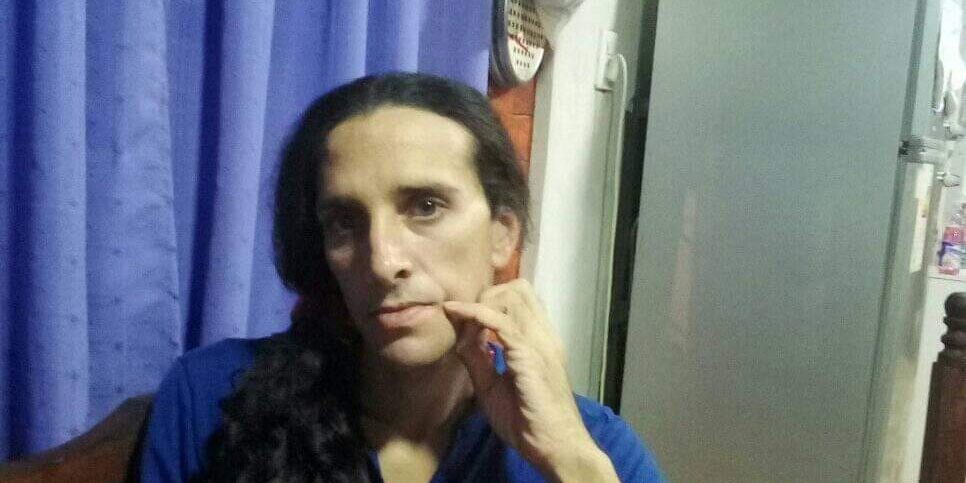
Fernanda López was a 33-year-old trans woman and lived in Concordia, a city in northeastern Entre Ríos, on the banks of the Uruguay River, where she was the victim of a knife attack.
According to initial reports from the Departmental Police Headquarters, the incident occurred around 5:30 a.m. on Wednesday, March 30, in the vicinity of Tala and Urdinarrain streets. Fernanda lived nearby, in the Parque Ferré area.
It was the neighbors who alerted the police that an injured person was lying on the floor. Fernanda was taken to the Delicia Masvernat hospital. But there they confirmed that she had arrived lifeless.
What we know so far
Social organizations, activists, and members of the community denounce the profound exclusion and violation of rights suffered by the trans and travesti community in Concordia, a structural problem in the city. They demand a gender perspective when addressing this crime and insist that the case be classified as a transphobic hate crime.
In an interview with Agencia Presentes, the prosecutor for Gender and Sexual Abuse, Juan Pablo Giambattista, when asked about the charges in the case, explained: “We haven't yet established whether it was a hate crime, or one motivated by the victim's gender identity or sexual orientation. We don't know yet.” He also suggested that the charges could be different.
Regarding the investigation, the prosecutor stated: “We are investigating the homicide, obviously with the involvement of the Gender Violence Prosecutor's Office from the very beginning, to ensure that we have that perspective and that investigation, so that nothing is overlooked and the case is handled appropriately.” The same source declined to provide further details until there is more information available. It is known so far that the perpetrator is a person, “who has not yet been identified.”
Darío Pérez, head of the Sexual Diversity Area, which reports to the Preventive and Promotion Directorate of the Municipal Health Secretariat, told this publication that the case was initially handled by the Criminal Prosecutor's Office and subsequently transferred to the Gender Prosecutor's Office. From there, resources were activated through the Ministry of Women, Gender and Diversity to support and assist the family. He also indicated that they are coordinating with any entities that can provide assistance, including provincial, national, and municipal governments.
“We want to respect the family’s grief, so that when they are stronger, we can support them. And we will accompany the criminal process in the broadest possible way, in the spirit of justice, with a perspective of gender and sexual diversity,” the municipal official stated.
I condemn the police treatment .
Feminist journalists and media professionals in Entre Ríos issued a statement condemning the release of a police report containing details about the incident, which violated Fernanda's rights to identity, privacy, and comprehensive protection. One of the causes of this violation was a lack of knowledge and training.
“As communications professionals, we urge caution regarding the information contained in police reports that violates people's rights ,” the journalists stated. They emphasized: “Every time information is leaked that does not respect the right to identity, privacy, and comprehensive protection of victims, a systematic act of revictimization occurs.”
Therefore, they demanded that the Police, “as an official source of information, indispensable for access to public information,” provide data based on the principles established by law, “respecting the full guarantee of rights, in a comprehensive protection of victims.”
For his part, the prosecutor in the case said that, within his jurisdiction, he is working on issues such as how transgender and transvestite people are identified, how news is reported on online platforms, and the perceived freedom to inflict harm. “Our intervention is not only focused on investigating what happened and how it happened, but also on safeguarding the context, that is, how the news is presented,” he clarified. “We are working to ensure dignified treatment within the framework of the Gender Identity Law, so that the regulations that were not followed are respected. We have begun submitting letters of rectification so that those print, radio, and television media outlets that handled the information imprudently can correct it.”
" In three months, two of our LGBT colleagues have been killed."
The municipal Diversity official explained that, in his role, they are doing "everything humanly and institutionally possible with limited resources, but with great good faith." He added, "The municipality's limited resources are due to the fact that funds were allocated to other matters and priorities after the pandemic, such as public works projects."
“In Concordia, unfortunately, if you happen to be gay, trans, or lesbian, and on top of that, poor and from the outskirts of town, you're really not having a good time. We couldn't support Fernanda while she was alive. She didn't want to change her gender identity, nor her nationality, considering she was Uruguayan. I regret that we couldn't have a more comprehensive approach while she was alive,” he confessed.
When asked about the work his ministry has been doing since Fernanda's murder, he said: “ In three months, two of our LGBT colleagues, Silvio Diez and Fernanda López, have been killed. We are trying to provide support, starting with the most basic needs, such as the funeral, so that our colleague could say goodbye to her family in a comfortable environment. Furthermore, we are working alongside them to ensure that this was a transphobic murder . Once that concept is introduced, we believe other discussions will be opened up.”
Victoria Mendoza, a 45-year-old trans woman from Concordia, regarding the actions of the State, stated: “I don't see a State present; otherwise, we wouldn't be talking about these events. The trans and travesti community is a very vulnerable, unprotected group, in a situation of grave risk. Our fellow trans women receive a social program, but that's not enough; it's insufficient. The media from all over covered the murder and what the community is going through in such a short time.”
“The crime has deeply impacted Concordia. It's very difficult for the community and the sex workers' collective because these kinds of acts, carried out with such brutality, are not common. We want to be able to mobilize, we want to demonstrate and deliver a petition, demanding justice, for greater security that will allow us all to feel safer, not just the women who are in prostitution ,” she said with anguish.
When asked about the organizations' demands and the family's call for the case to be investigated as a transphobic hate crime, she said: “We have to read the police headquarters saying it wasn't a hate crime. I'd like to know what their concept of hate is because they're killing us simply for existing . There isn't much information about the case yet, or at least the trans community isn't aware of it. There are no detainees.”
If we don't discuss why discourses and policies don't materialize, what happens to them, and what risks the transvestite and trans community faces, it will be difficult for collective organization to develop critical knowledge that allows us to point the finger at the State and those sitting in the seat of responsibility.
It is crucial that the State and governments reverse their priorities: they cannot prioritize ensuring the proper handling of violent situations; instead, they must develop policies to prevent them. Justice will only be served when the living conditions of transvestites and trans people are guaranteed, not when their deaths are used to absolve guilt.
We are present
We are committed to journalism that delves into the territories and conducts thorough investigations, combined with new technologies and narrative formats. We want the protagonists, their stories, and their struggles to be present.
SUPPORT US

FOLLOW US
Related notes


We are present
This and other stories are not usually on the media agenda. Together we can bring them to light.