

Guatemala: Congress shelves law that increased penalties for abortions and prohibited same-sex marriage
The repeal of the decree was celebrated by organizations that are on alert for new violations.


Share

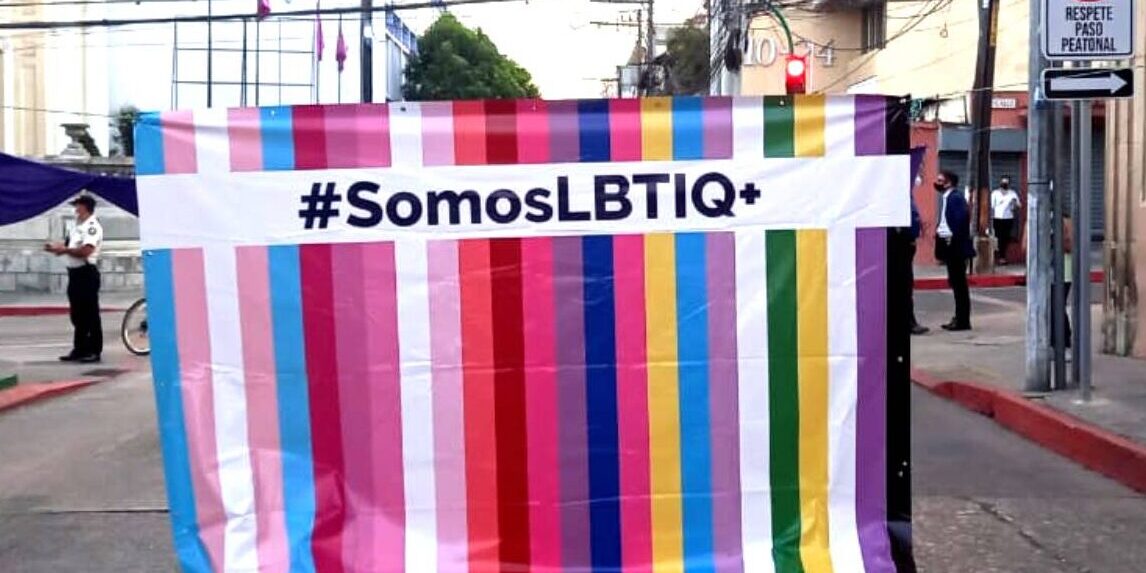
GUATEMALA CITY, Guatemala . On March 15, Congress reviewed legislative agreement 6-2022, which permanently shelved decree 18-2022, the “Law for the Protection of Life and Family,” with 119 deputies in favor, 15 against, and 26 absent votes.
This decree increased prison sentences for women who miscarry, even spontaneously, and penalized healthcare personnel who assisted in these cases. It also incited hatred toward sexual diversity by prohibiting the prosecution of those who physically, verbally, and psychologically assaulted LGBTQ+ people. Furthermore, it prohibited teaching about sexual diversity in the education system.
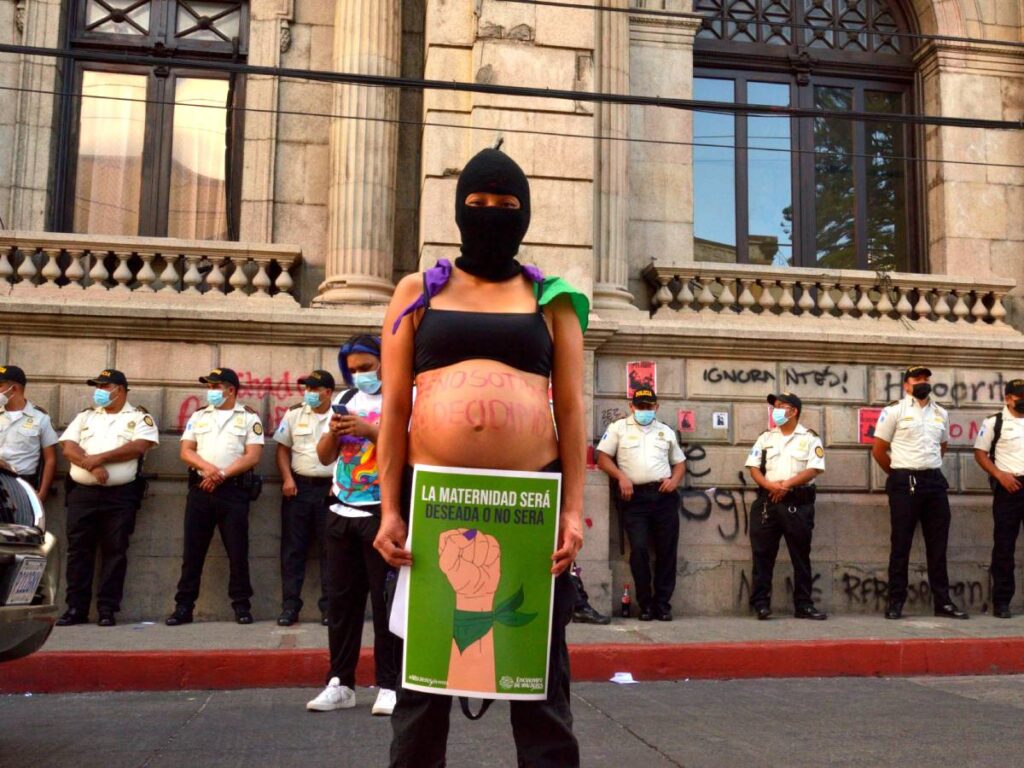
A systematic and official violation
Decree 18-2022 is part of the systematic violence experienced by women and the LGBTQ+ community. The National Observatory for LGBTIQ+ Human Rights , which conducted a historical review of human rights violations by the Guatemalan state, reconstructs the following:
In 2005, a proposal called the "Comprehensive Law Initiative for the Protection of Marriage and the Family" began to take shape . It was presented to Congress in 2007 and is very similar to the one that was recently shelved. The then Vice President of Congress, Oliverio García Rodas, said it was an initiative prompted by concerns about the publicity surrounding "the celebration of same-sex marriages."
Human Rights Watch urged lawmakers to reject the bill that excludes both single mothers/fathers and same-sex couples from the definition of “family” and puts at risk the legal status of children conceived through reproductive technologies.
Meanwhile, in 2013, President Otto Pérez Molina, who is currently imprisoned for corruption, told the 43rd General Assembly of the Organization of American States that "Guatemala is a conservative country and therefore abortion and same-sex marriage will never be approved."
In the Montevideo Consensus, the State expressed its reservations, stating that it would not interpret sexual orientation and gender identity in an inclusive manner.
An attack on rights
In 2017, conservative deputy Aníbal Rojas presented bill 5272 (Decree archived 18-2022) together with the official party, supported by evangelical groups and the Catholic Church.
These groups protested against the Public Prosecutor's Office (2017) for displaying the rainbow flag inside its facilities. "We are concerned about the Public Prosecutor's Office's attitude in recognizing and promoting rights not found in our legislation for minority groups, rights that contravene customs, principles, and practices that offend the morals of the vast majority of the Guatemalan population," they said.
The Congressional Committee on Legislation and Constitutional Matters issued an unfavorable opinion on bill 5278, which proposed amending Article 202 bis of the Penal Code. The amendment would have added sexual orientation and gender identity as grounds for discrimination.
During 2019, the presidential forum #YoSoySamuel was presented, organized by the Evangelical Federation, where the main presidential candidates participated as panelists to reject abortion and same-sex marriage.
Meanwhile, in 2020, Brazilian pro-life activist Sara Winter arrived in the country to give a series of workshops at the Congress of the Republic against the LGBTIQ+ population. Months later, in March 2021, Argentine speaker Agustín Laje was invited as a guest of honor by Congress to speak about the “Global Pro-Abortion Agenda and Gender Ideology.”
In February of this year, the Congress of the Republic declared March 9 (the current president's birthday) as "Day for Life and Family ." And President Alejandro Giamattei declared Guatemala the "Ibero-American Capital for Life and Family."
The Guatemalan Psychiatric Association and the Guatemalan Association of Psychology issued a statement against the attempt to enact laws such as Decree 18-2022. "In this statement, they affirm the unconstitutional legal objections they face and the clear promotion of stigma, false stereotypes, and prejudices, which prevent progress toward adequate integration into society, limiting the right to education and development that we all desire," the statement indicates.
Congressman Aldo Dávila believes it's necessary to analyze whether this attempted decree is a smokescreen. While its repeal was being debated, Congress approved a 3.1 billion quetzal budget increase for the Ministry of Communications (CIV), which has raised concerns due to a lack of transparency in the use of funds. He asserts that this budget could be used to finance political campaigns for the ruling coalition and its corrupt allies.
On alert
Lawyer and human rights activist Marisa Batres told this publication that the struggle continues in Guatemala. While there has been some relief with the repeal of Decree 18-2022, Initiative 5940 . This proposal has received a favorable opinion from the Education, Science, and Technology Committee of the Congress of the Republic.
“This initiative also dares to censor the issue of diversity in every possible space, giving it a pathologizing slant and further confusing the general population, and children and young people in particular, violating their rights to information, education, and expression. Just as an initiative contrary to the rights of the LGBTI population has already been voted on, it would be consistent to prevent this other initiative from moving forward. Congress already has a long way to go in addressing discrimination.”
We are present
We are committed to journalism that delves into the territories and conducts thorough investigations, combined with new technologies and narrative formats. We want the protagonists, their stories, and their struggles to be present.
SUPPORT US

FOLLOW US
Related notes


We are present
This and other stories are not usually on the media agenda. Together we can bring them to light.