
 Apoyanos
Diputados de Guatemala proponen una ley contra infancias y adolescencias trans
La "Ley para garantizar la protección integral de la niñez y adolescencia contra los trastornos de la identidad de género 5940” propone quitar el derecho a la autodeterminación de la identidad de género de niñes y adolescentes trans.


Sectores del gobierno de Guatemala buscan aprobar un proyecto contra las infancias y adolescencias trans. La «Ley para garantizar la protección integral de la niñez y adolescencia contra los trastornos de la identidad de género 5940” propone quitar el derecho a la autodeterminación de la identidad de género de les niñes y adolescentes trans. La idea es reformar varios artículos de la “Ley de Protección Integral de la Niñez y Adolescencia” entre otras leyes en el país que han ratificado acuerdos internacionales.
El gobierno presentó en 2019 la iniciativa “Ley de protección a la vida y la familia 5272” para quedar bien con el sector más conservador evangélico y católico. Allan Rodríguez, presidente de la Junta Directiva del Congreso, denunciado públicamente por actos de corrupción por el diputado Aldo Dávila, es el principal promotor de la iniciativa 5940.
La iniciativa se presentó en la Dirección Legislativa el 12 de julio y sus ponentes son 16 diputados y tres diputadas, entre ellas Lucrecia de Palomo quien el año pasado fue parte de la Comisión de Educación en el Congreso de la República y es una férrea opositora de la educación integral en sexualidad. Actualmente el proyecto en tres comisiones, pero con una de ellas que actúe es suficiente. Luego de esto, se necesitan tres lecturas, en tres sesiones distintas para ser aprobada.
¿Qué propone la iniciativa de ley?
La iniciativa 5940 está siendo evaluada por tres comisiones en el Congreso donde la mayoría de integrantes son del oficialismo. Entre ellas, la Comisión de Derechos Humanos – paradójicamente- busca “garantizar” a la niñez y adolescencia “el cumplimiento efectivo del derecho de los niños, niñas y adolescentes a la autoidentidad según su sexo al nacer así se resguarde su identidad e indemnidad sexual”. La propuesta, a través de la reforma de varios artículos de ley ya mencionada, busca:
- Prohibir a la niñez y adolescencia trans que pueda expresar libremente su identidad de género. (Artículo 14. Identidad. Ley de Protección Integral de la Niñez y Adolescencia)
- Prohíbir la educación sexual integral a través de material impreso, visual, electrónico o de audio que aborde la identidad de género y orientación sexual. (Artículo 59. Protección. Ley de Protección Integral de la Niñez y Adolescencia)
- Prohíbir la difusión a menores de edad de la información relacionada a la orientación sexual e identidad de género por medio de espectáculos o programas. (Articulo 60. Medios de comunicación. Ley de Protección Integral de la Niñez y Adolescencia)
Recomienda: “Velar porque las instituciones públicas o privadas que atiendan a los niños, niñas y adolescentes a quienes sus derechos se encuentren amenazados o violados, estos Ie sean respetados y restituidos, en especial su derecho a la vida, seguridad, identidad cultural, identidad según su sexo al nacer, costumbres, tradiciones e idioma y les brinden tratamiento Integral y digno”. (Artículo 76. Obligación Estatal. Ley de Protección Integral de la Niñez y Adolescencia)
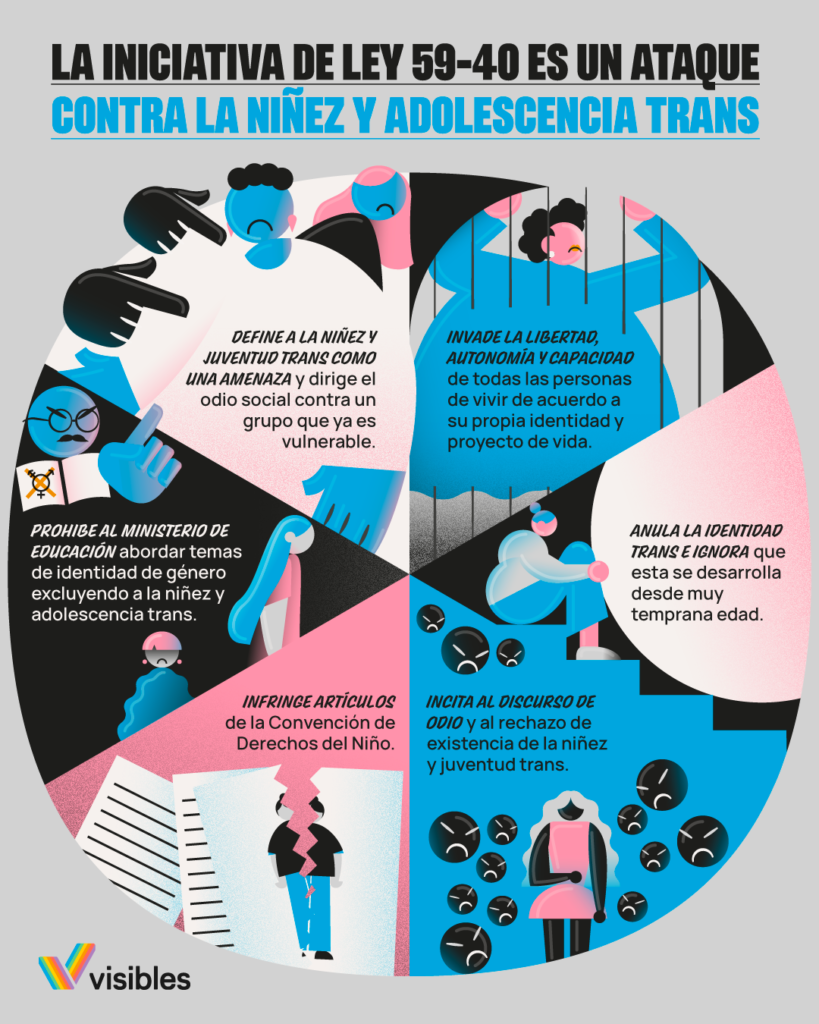
Prohíbe en el ámbito educativo público y privado la difusión de contenido que contenga directa o indirectamente información sobre identidad de género y orientación sexual. “asegurar que los recursos educativos no contengan contenido que directa o indirectamente promueva o muestre desviaciones de la identidad del sexo de nacimiento, reasignación de género, aborto y variación de la identidad sexual natural.” (Artículo 6)
“Un edicto de la edad media”
Presentes habló con Otto Rivera, secretario ejecutivo de la Coordinadora Institucional de Promoción por los Derechos de la Niñez -CIPRODENI- organización no gubernamental que promueve y exige al Estado el cumplimiento de los derechos de la niñez y adolescencia en Guatemala a partir de la Convención de los derechos del niño (1990). Para Rivera hay una clara oposición a esta propuesta de ley ya que existe una tergiversación de tres instrumentos importantes en materia de protección de derechos de niñez y adolescencia:
- La Convención sobre los Derechos del Niño
- La Ley de Protección Integral de la Niñez y Adolescencia (Ley Pina)
- Ley Nacional de Educación
La propuesta de ley, según Rivera, se decanta cuando el Estado viola continuamente el derecho a la vida y la alimentación de la niñez. Guatemala registra altas tasas de desnutrición crónica y desnutrición aguda. Uno de cada dos niños y niñas de primera infancia, es decir de 0 a 6 años de edad padece de desnutrición crónica y el año pasado (primer año de pandemia) se registraron 27,913 casos de desnutrición aguda y en este año sin haberse concluido ya van 20 mil casos de desnutrición aguda y esto trae como consecuencia directa la muerte.
“Esta iniciativa de ley para nosotros es “un edicto de la edad media” es anti derechos, es un enfoque totalmente transnochado”, dijo Rivera a Presentes.
La propuesta hace alusión a la Ley Nacional de Educación, otro derecho que se está violentando flagrantemente en opinión del experto. Desde que se pasó a la modalidad en línea (virtualidad) se viola el artículo 54 de la Constitución Política de la República y el artículo 29 de la “Ley Nacional de Educación” donde indica que el Estado garantiza una educación gratuita, obligatoria de calidad para todas y todos porque si las familias no pagan el servicio de internet o la energía eléctrica simplemente no pueden dar continuidad a que sus hijas e hijos puedan seguir sus clases en línea.
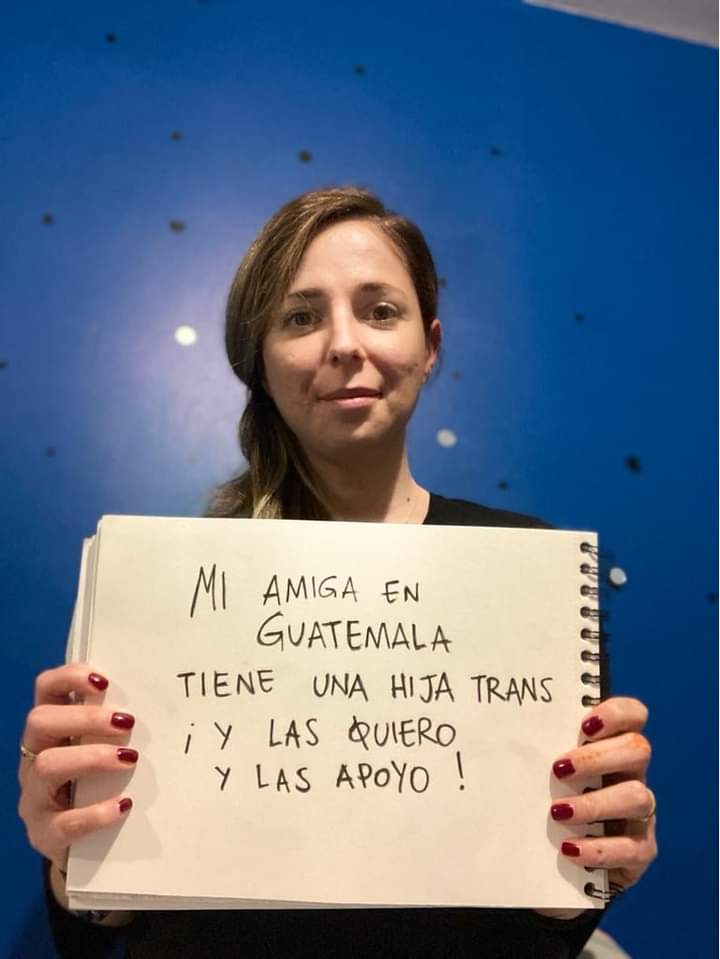
Rivera señala que en el 2019 por instrucción del Ministerio de Educación “nadie podía reprobar el ciclo escolar” y por tal razón no hay forma de medir la deserción escolar y el impacto de la falta de acceso a la educación virtual porque las y los alumnos no tuvieron acceso a un dispositivo móvil ni a internet.
Otra de las características que menciona Rivera es la prohibición que busca esta iniciativa de ley a medios de comunicación que expresen o que tengan mensajes de contenido explícito sobre hechos de violencia, comportamientos sexuales –como ellos dicen- “no naturales al nacer” y siguen con el tema de que no hayan programas de comunicación que estén orientados a promover la “disconformidad de género o la reasignación de género”.
“vamos- nadie modifica su identidad sexual solo por ver un programa en la televisión, escuchar un programa en la radio o ver algo en la internet pero eso es una miopía.”
Menciona que la iniciativa de ley reduce otra vez a las niñas, niños y adolescentes a objetos y no como sujetos de derecho ya que tienen que estar siendo mandados a hacer lo que los diputados y diputadas están proponiendo con esta iniciativa. Para Rivera es una manipulación de la agenda legislativa en función de intereses partidarios y personales ya que la niñez y adolescencia nunca ha sido de interés en la agenda legislativa.
Familias por la diversidad se pronuncian
Presentes conversó con Anneliza Tobar quien está organizada junto a otras familias por la diversidad sexual, sobre las implicaciones sociales de ser aprobada esta propuesta de ley. Para Anneliza es preocupante pues esta iniciativa reprimiría el pensamiento crítico de les niñes y adolescentes y agravaría el hecho de que son tomados como objetos y no como sujetos de derechos.
La iniciativa según indica Tobar abriría la puerta a más violencias porque lo que propone es que no se pueda hablar de disconformidad de género o de identidad de género dentro del sistema de educativo ya que restringe la educación sexual al solo hablar de “maternidad y paternidad responsables” y prohíbe hablar del aborto.
Al prohibir que se hablen de estos temas es promover la ignorancia y que se perpetúen los estigmas y tabués hacia las personas transgénero y puede dar pie a hechos de violencia, indica.
“Hacen unas combinaciones perniciosas porque hablan de pornografía, de aborto y meten el tema de la identidad de género en el mismo paquete. Lo que hacen con eso es generar estigma y confundir a la población”.
Las tres comisiones que están revisando esta iniciativa para que la conozca el pleno del Congreso están compuestas por diputados y diputadas del oficialismo y para Tobar es una desventaja, ya que hay un alto grado de posibilidad de que llegue a ser aprobada.
«Se ha presentado en tres diferentes Comisiones por lo que puede llegar a ser presentada en cualquier momento. El Congreso debe archivar la iniciativa de ley 5940, que define a la niñez trans como una amenaza y dirige el estigma y odio social contra un grupo de por sí vulnerable», dijo a Presentes Homero Fuentes, de la organización Visibles.

Para Anneliza en el ámbito educativo vendría a institucionalizar el estigma y el tabú, aunque apunta a que ya existe pero se agravaría. Esta iniciativa daría una herramienta legal para que no pueda educarse a les niñez, legitimaría aún más la intolerancia y perfeccionaría el mecanismo cultural de visión única del ser humano.
¿Qué tratados internacionales viola esta propuesta?
En las normas internacionales de derechos humanos se recogen obligaciones que deben cumplir los Estados mediante la ratificación de tratados internacionales de derechos humanos y del que Guatemala es parte. Si esto no se cumple existen mecanismos para presentar quejas, denuncias o comunicaciones individuales a nivel regional e internacional.
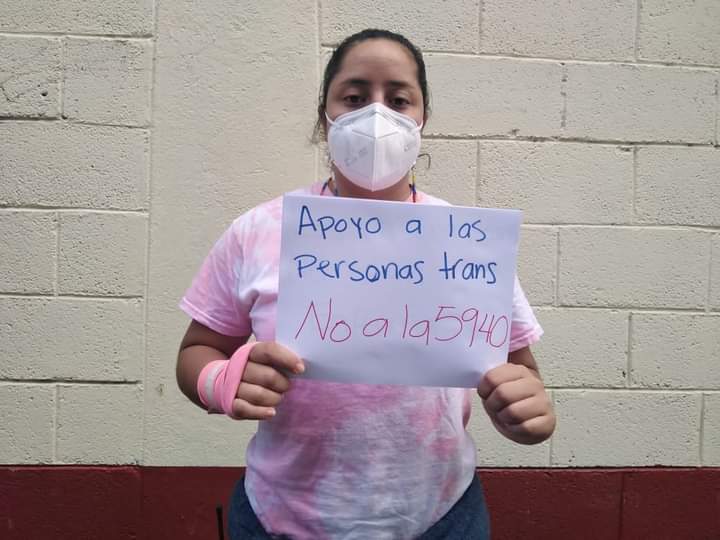
Dicha iniciativa estaría violentando el derecho a la igualdad y a la no discriminación como principios básicos de los derechos humanos, consagrados en la Carta de las Naciones Unidas, la Declaración Universal de Derechos Humanos, los Principios de Yogyakarta y la Convención de los derechos del Niño.
¿Qué dice la Defensoría de la Diversidad Sexual sobre esta propuesta de ley?
Henry España de la Defensoría de la Diversidad Sexual de la Procuraduría de Derechos Humanos dijo a este medio que la Convención Americana de Derechos Humanos protege el derecho a la identidad de género, la orientación sexual y la expresión de género de toda persona.
En Guatemala es fundamental el reconocimiento de la identidad de género principalmente por toda la vulneración de derechos humanos que viven las personas trans. Para España es importante acatar la recomendación de la Comisión Interamericana de Derechos Humanos de generar campañas para promover la inclusión y la no discriminación y reducir la violencia en contra de personas LGBTIQ+.
Para el defensor de la diversidad este tipo de incitativas de ley lo que hacen es generar mayor confusión, desinformación y generar mayores dificultades en cuanto a las personas LGBTIQ+, principalmente contra personas trans. Se plantea la identidad de género desde una patología.
Somos Presentes
Apostamos a un periodismo capaz de adentrarse en los territorios y la investigación exhaustiva, aliado a nuevas tecnologías y formatos narrativos. Queremos que lxs protagonistas, sus historias y sus luchas, estén presentes.
APOYANOS

SEGUINOS
Notas relacionadas
Estamos Presentes
Esta y otras historias no suelen estar en la agenda mediática. Entre todes podemos hacerlas presentes.
1 Comment