

Guatemala's Congress passed a law condemning sexual diversity and increasing the penalty for abortion
On March 8, Law 5272 was passed, which prohibits same-sex marriage, endangers sexual diversity, and increases the penalty for women who have abortions.


Share

GUATEMALA CITY, Guatemala. The proposed Law 5272 for the protection of life and family was approved on March 8 during the International Day commemorating the struggle of women in the Congress of the Republic and became decree 18-2022.
This law jeopardizes the fundamental rights of people of diverse sexual orientations and criminalizes women who have a miscarriage, among other things.
The proposal was approved with 101 votes in favor, eight votes against, and 43 deputies absent during the ordinary session. Among the deputies who voted in favor were those from the ruling Vamos and Visión con Valores , among others.
Pro-Life Capital
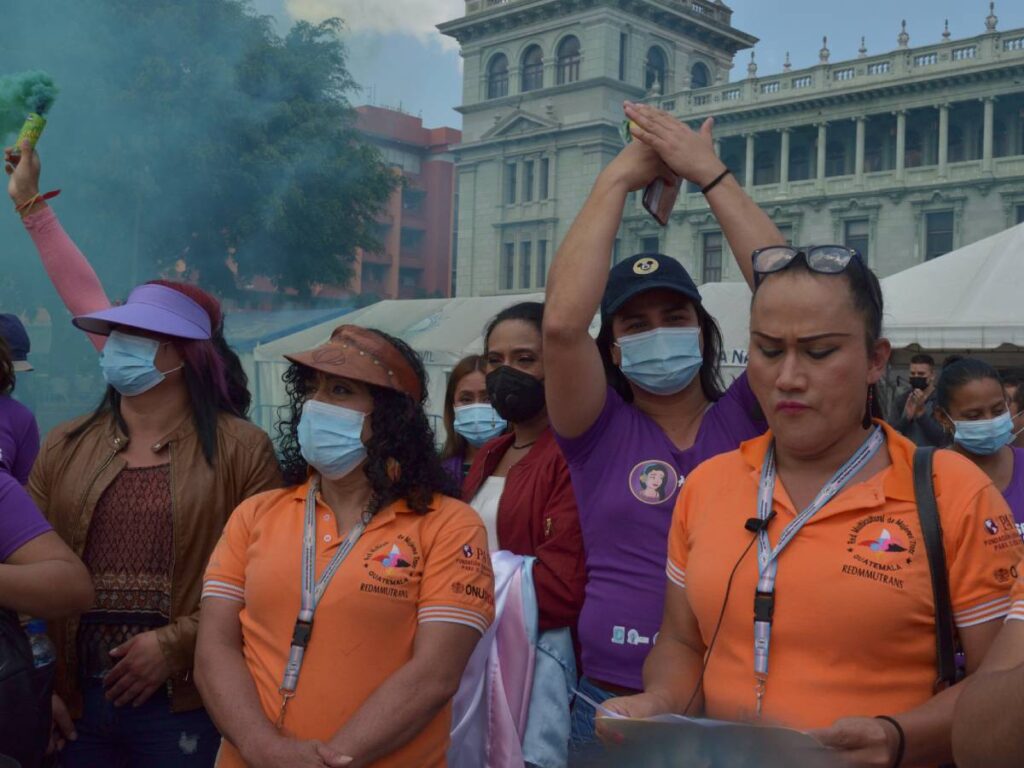
One day after Congress approved decree 18-2022, the government declared Guatemala the "Pro-Life Capital of Ibero-America" and held the Ibero-American Congress for Life and Family.
Civil society organizations and independent lawyers have already begun to raise objections due to the "major flaws" in the law. Presentes spoke with lawyer Stephany Rodríguez, who participated in drafting the first version of the LGBTI public policy in 2017, which ultimately failed.
The legal professional said that Decree 18-2022 is illegal and unconstitutional because it violates a series of rights established not only in the Political Constitution of the Republic but also in international treaties and conventions that Guatemala has ratified in "good faith," including the right to non-discrimination, to family, to the non-criminalization of women, and to the secular nature of the State and international relations.
"It is a law that aims to minimize women's rights, it nullifies families and the LGBTIQ community with hate speech," she stated.
Unlawful and unconstitutional law
We analyzed some aspects regarding decree 18-2022. First, it defines sexual diversity as: “Set of thoughts, trends and practices by which certain groups of society adopt a sexual behavior different from heterosexuality and incompatible with the biological and genetic aspects of the human being.”
-It prohibits comprehensive sexuality education
Article 15 states that parents and guardians have the freedom to choose the type of education for their children. However, it contradicts itself by prohibiting public and private educational institutions from promoting policies and programs related to sexual diversity among children and adolescents, specifically "or teaching as normal sexual behaviors other than heterosexuality or that are incompatible with the biological and genetic aspects of human beings."
-It prohibits same-sex marriage and civil unions
Article 16 amends the civil code, prohibiting same-sex marriage. Article 17, meanwhile, amends Article 173 of the civil code, prohibiting same-sex civil unions.
-It institutionalizes the rejection of sexual diversity
Article 18 addresses “freedom of conscience and expression.” However, it further clarifies that no one is obligated “to accept non-heterosexual behaviors and practices as normal.”
In this way, it declares non-heterosexual and non-cisgender people as abnormal, implicitly inciting hatred and violence towards sexual diversity not only in physical aspects but also in dignity and denial of fundamental rights such as health, work and education.
Criminalization of people who have abortions
The law contains a series of articles that directly criminalize women who terminate their pregnancy for any reason.
-Voluntary abortion:
Article 5 increases prison sentences for women who induce an abortion themselves or consent to another person performing one, with sentences of 5 to 10 years . Article 6, meanwhile, punishes those who induce an abortion with the woman's consent with 6 to 12 years and those who do so without her consent with 10 to 15 years.
–Therapeutic abortion:
Article 8 addresses therapeutic abortion , that is, abortion performed to save the woman's life. This procedure is only permitted with the approval of two registered obstetricians and, if the situation occurs in rural areas, with the approval of a general practitioner.
-Negligent abortion:
Article 10 addresses attempted and culpable abortion when a woman who intends to have her own abortion and does not succeed will have a sentence of two to four years in prison.
Healthcare workers with their hands tied
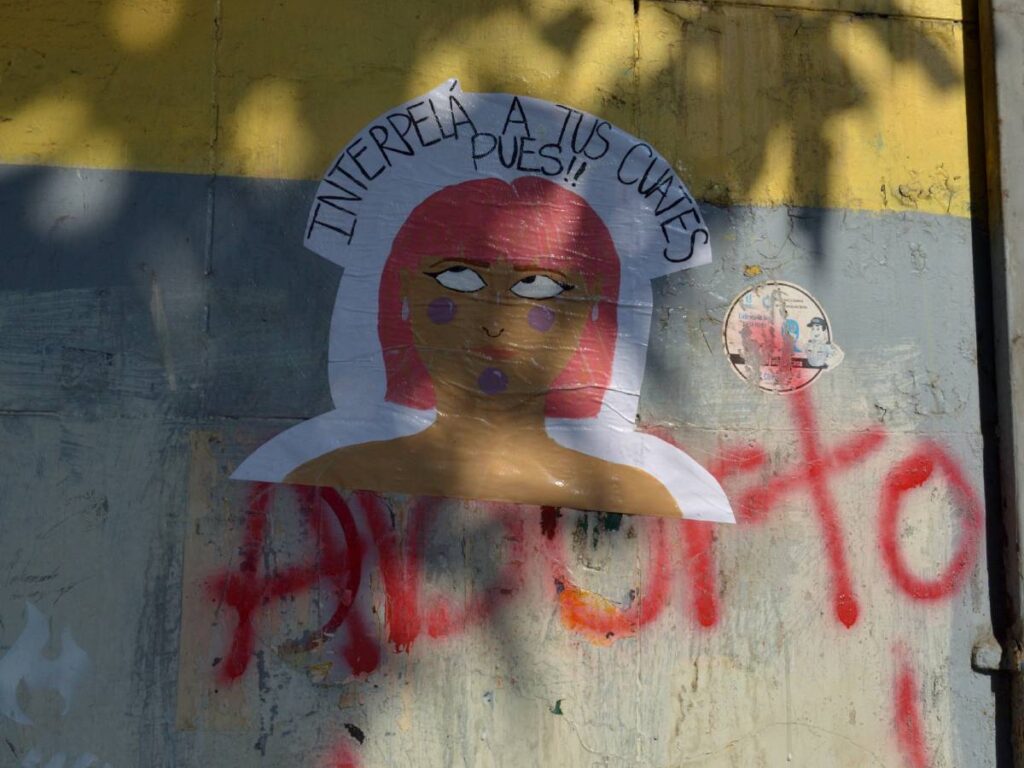
The law also applies to doctors and all public and private healthcare personnel who cause or assist in an abortion . They will be punished with prison sentences of between 12 and 50 years, as indicated in Article 11 of the legislation.
Promoting abortion will be a crime
It also provides support for women seeking abortions. According to the law, those who publicly or privately, directly or indirectly, personally or through others, promote or facilitate the means to perform an abortion will be punished.
In that case, he will be sentenced to 6 to 10 years in prison and a fine of Q50,000 to Q100,000 quetzales.
The penalties will increase by a third if those involved are public officials or employees or medical professionals.
The Human Rights Ombudsman, Jordan Rodas, announced that he will file a constitutional challenge against the approval of initiative 5272 by Congress.
Protests and demonstrations
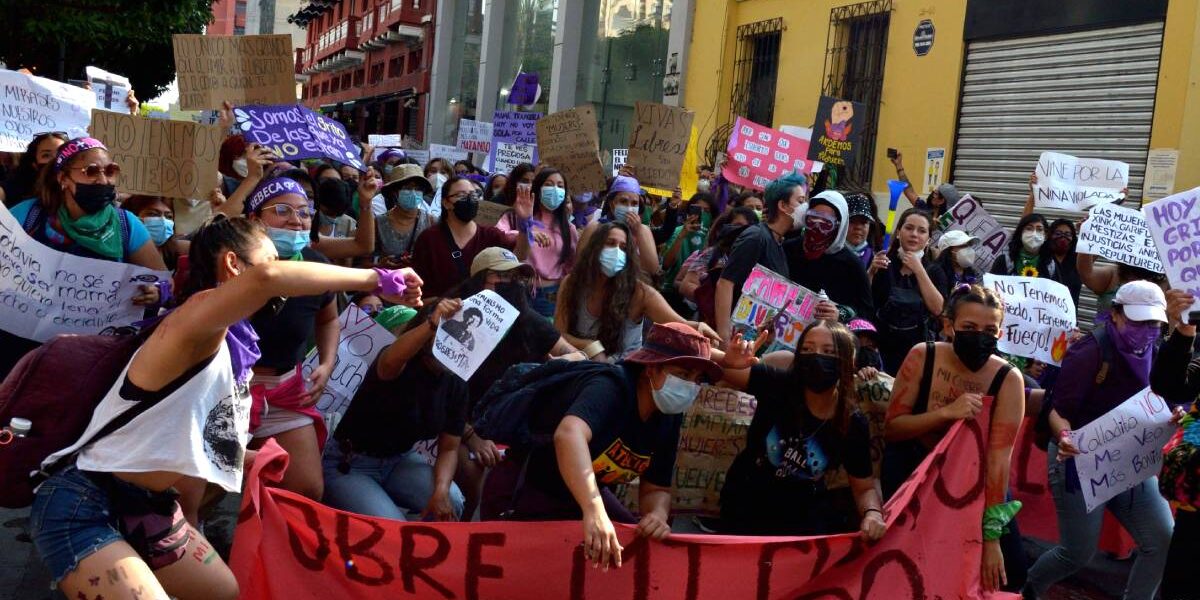
Civil society organizations and student groups are joining the protests taking place outside the Congress of the Republic, and have called for demonstrations starting on Thursday, March 10, which will continue throughout the weekend.
We are present
We are committed to journalism that delves into the territories and conducts thorough investigations, combined with new technologies and narrative formats. We want the protagonists, their stories, and their struggles to be present.
SUPPORT US

FOLLOW US
Related notes



We are present
This and other stories are not usually on the media agenda. Together we can bring them to light.