

Dayana Karrington's transphobic murder in Tabasco: no one came to her help and she was found in a vacant lot
Dayana asked neighbors for help but no one responded to her cry for help "due to the lack of light in the area."


Share

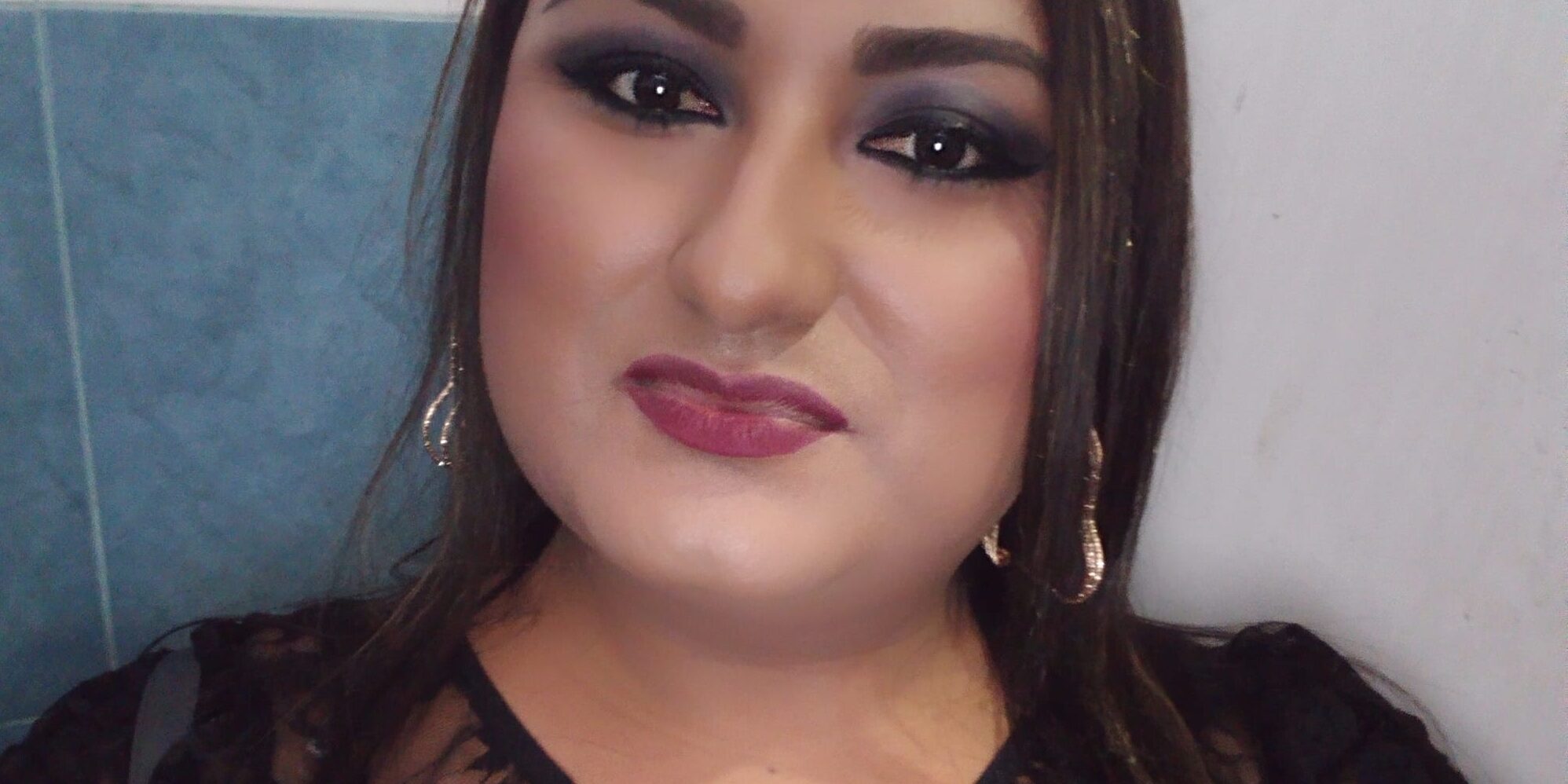
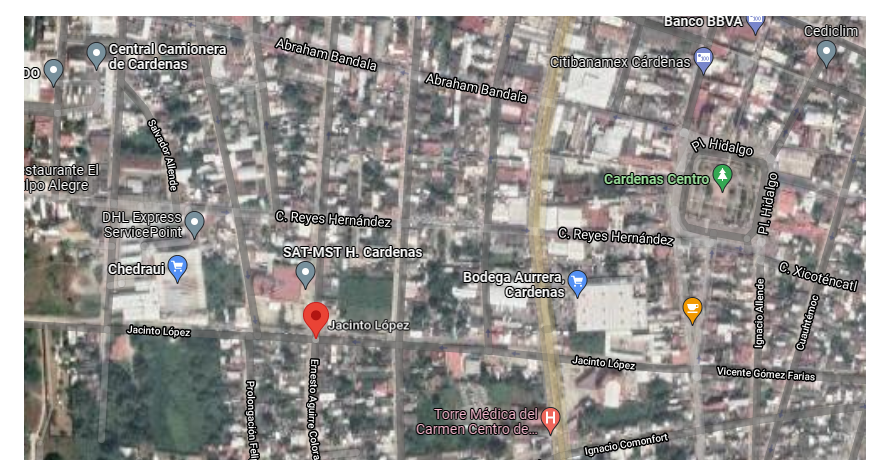
Dayana Karrington, a 30-year-old trans woman, was murdered. Her body was found on January 6 in a vacant lot on Jacinto López Street in the municipality of Cárdenas, Tabasco, a state in southeastern Mexico. Activist Alexandra Morales is demanding that this crime be investigated with a gender perspective and denounces the total abandonment of trans people by the state.
“Dayana was a young stylist originally from Cárdenas. She was a hardworking trans woman who was looking for a way to live with dignity, like everyone else. And although I didn't have the pleasure of knowing her, she was one of our sisters, and they killed her in a horrible way, with all the cruelty in the world,” Morales told Presentes.
According to local press reports, the first indications of the police investigation are that in the early hours of January 5, Dayana asked neighbors for help, but no one responded to her cry for help "due to the lack of light in the area."
When they found her in the vacant lot, located one kilometer from the center of the city of Cárdenas and behind a shopping center, her face was unrecognizable due to the blows she received.
“Our sister Dayana asked for help and no one came to her aid. No one called the police to address what was happening. They waited until she died and her body turned up the next day. That's the level of neglect in Tabasco,” Morales complains.
In the absence of official figures, Morales began a registry of hate crimes in Tabasco and according to his data, from 2019 to date at least 30 trans women have been murdered in that state.
Furthermore, she notes that in most cases trans women experienced high levels of violence against their bodies before being murdered, and that justice authorities and the media categorize these as crimes of passion.
Presentes attempted to contact the Prosecutor's Office on several occasions. They only managed to reach an operator once, and when they explained the reason for their call, the call was disconnected.
Almost a week after the events, neither the Prosecutor's Office nor the local human rights institution of Tabasco have commented on the transfeminicide of Dayana.

LGBT+ people without protection or rights in Tabasco
Tabasco still does not guarantee rights to its LGBT+ population. The right to same-sex marriage is not recognized, nor is the gender identity of transgender people, and there are no penalties for fraudulent therapies that repress non-normative sexual orientations and gender identities.
According to the law to prevent and eliminate discrimination in the state , discrimination occurs when, based on gender and sexual orientation (among other reasons), "the recognition of human rights and freedoms is hindered, restricted, impeded, undermined or nullified."
Furthermore, in 2009, through decree 160, May 17th was established as the state day against discrimination and homophobia, which obliges the executive, legislative and judicial branches of all levels of government (local, municipal and state) in Tabasco to promote and adopt measures to guarantee the rights of LGBT people in Tabasco.
The document mentions that the objective is "to reflect on and implement actions against all types of violence linked to sexual orientation or gender identity, as well as to contribute to the equality of rights for all people."
“Although Decree 160 exists, trans, gay, and lesbian people have no rights or protection, and there are no protocols in place to ensure our social and political respect. The situation for us is that we experience a great deal of violence here regarding our identity, our freedom to be and to live with dignity,” Morales emphasizes.
Morales adds that the violence they experience, particularly trans women, happens both in the streets and within institutions.
“Recently, a colleague was dragged out of the bathroom of the Municipal Palace of Centro (one of the 17 municipalities of Tabasco) by her hair and yelled at that men could not enter women's bathrooms; and I also filed a complaint with the IEPC (Electoral Institute of Citizen Participation) because it has been trans-exclusionary feminist women who have blocked me and violated my political rights to participate in order to be voted for.”
“We are very afraid, but we will not be silenced.”
Fear is what Alexandra Morales feels after the murder of Dayana Karrington.
“There is a lot of fear. Fear of simply going out and developing as a person. Fear of expressing ourselves and living. Fear that one day we won't return home to our families. And yes, we are very afraid, but we will not be silenced.”
Morales added that they have already sought an appointment with the governor of Tabasco and the state prosecutor, but they have not yet received a response.
“The purpose of this meeting is to address the violence we are experiencing, to ensure that investigations are conducted with a gender perspective, to understand what trans femicides are, and that our sister Dayana’s murder was one of them because of the way her body was attacked. We are waiting for a response, but if we don’t receive one by the end of the week, we will protest. We will not be silenced, simply because we cannot allow any more violence,” she concluded.
We are present
We are committed to journalism that delves into the territories and conducts thorough investigations, combined with new technologies and narrative formats. We want the protagonists, their stories, and their struggles to be present.
SUPPORT US

FOLLOW US
Related notes

We are present
This and other stories are not usually on the media agenda. Together we can bring them to light.