

2021 Review: Despite political changes in Peru, hate crimes are on the rise
The years of institutional crisis that Peru experienced ended after the July elections. The political administration made no progress on LGBTI+ rights and protections. Few advances and many deaths.


Share

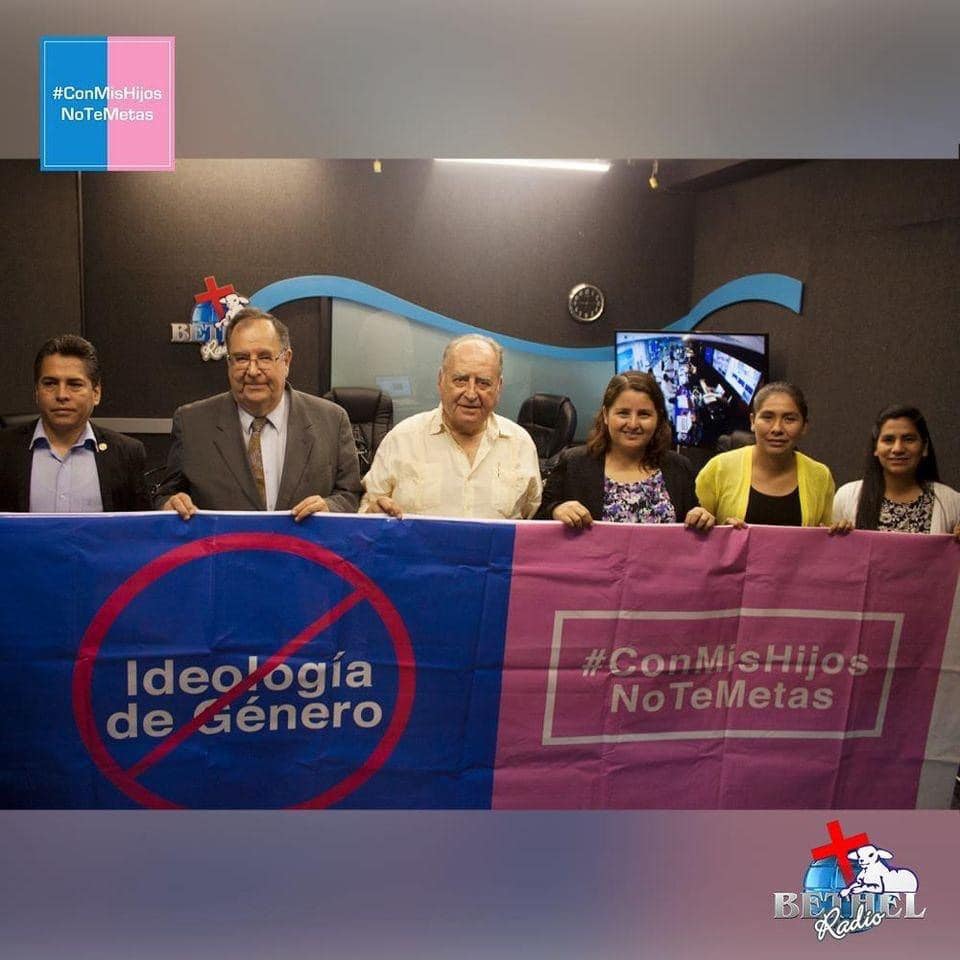
LIMA, Peru. The Peruvian context didn't look very promising at the beginning of 2021, with an interim president and in the midst of an election campaign that once again brought out the worst in Peruvians. With accusations of terrorism leveled against anyone who held left-wing or centrist views, or who simply wasn't white, many openly homophobic and transphobic messages circulated. The two candidates represented radical versions of LGBTQ+phobia.
On one side, the conservative evangelical left led by Pedro Castillo, and on the other, the Catholic fascist right led by Keiko Fujimori. In these circumstances, the Peruvian LGBTQ+ movement backed Castillo . Fujimori had already amply demonstrated how little she cared about human rights and vulnerable populations.
The congressional elections in April resulted in the election of two LGBTQ+ representatives. They are Susel Paredes, a long-time activist and politician from the center-left, who won a seat representing the Purple Party. And Alejandro Cavero, a young right-wing lawyer from the Avanza País party, who defends “all freedoms” except for same-sex marriage, trans employment quotas, and abortion under any circumstances.
Facing them were also openly anti-rights congressmen who are trying to eliminate Comprehensive Sexual Education and boycott any progress in human rights for women and LGBTQ+ people.
Small but significant advances in Peru
In July, 17 years after a young gay couple suffered homophobic violence in a supermarket for showing affection, the case of Crissthian Olivera vs Peru reached the Inter-American Court of Human Rights.
It was the first time the Court had heard a case of this nature . Its ruling could establish standards regarding the burden of proof in cases of homophobic discrimination and discrimination based on gender expression, as well as the right to be affectionate in public spaces, among other redress.
In September, for the first time a trans woman, Dania Elizabeth Calderón García, obtained a favorable ruling to rectify her data —name and sex— on her National Identity Document (DNI), without having to undergo genital reassignment surgery, a medical procedure required by judges for trans people in Peru.
It was thanks to the fact that the National Registry of Identification and Civil Status (Reniec), the body responsible for issuing national identity cards, did not appeal this correction. This is a common practice and has made it the main obstacle to the recognition of LGBTQ+ rights, after Congress.
Partial protections for LGBTQ+ people
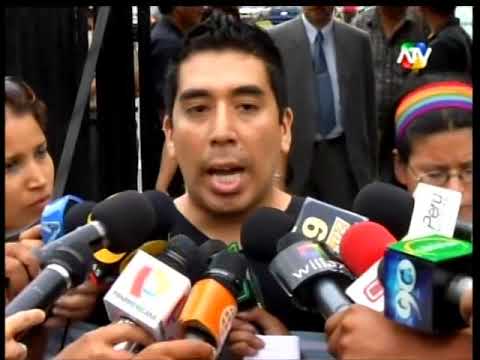
Also in September, the National Board of Justice decided to open a preliminary investigation into a judge for his homophobic remarks. Judge Javier Arévalo Vela, as a member of the Executive Council of the Judiciary, lobbied for Peru to sign the 100 Brasilia Rules. However, he withdrew Rule 4, which protects LGBTQ+ people.
Following the scandal over the removal of protections for the LGBTQ+ community, Peru adopted the full 100 rules. The feminist organization Demus was responsible for lobbying to ensure that this judge could be sanctioned.
A measure in favor of co-motherhood
In October, the Judiciary recognized the maternity of two lesbians who have been fighting since 2016 for their son's national identity document . They are Jenny Trujillo Cueva and Darling Delfín Ponce.
The court ordered the registration of their surnames, recognizing their parental relationship with the child. Furthermore, it urged the National Registry of Identification and Civil Status (Reniec) to always consider the best interests of the child when issuing administrative acts that could cause them harm or defenselessness.
The recommendation is based on the protection afforded by national and supranational human rights standards ratified by Peru. Reniec disregarded the judge's decision and appealed again.
For marriage equality to become law
In this same month, congressmen from three parties, led by Ruth Luque, from Together for Peru, presented the equal marriage bill.
The project seeks to amend Article 234 of the Civil Code, which states that marriage is the union of a man and a woman. This change could allow marriage to be between two people, regardless of their sex.
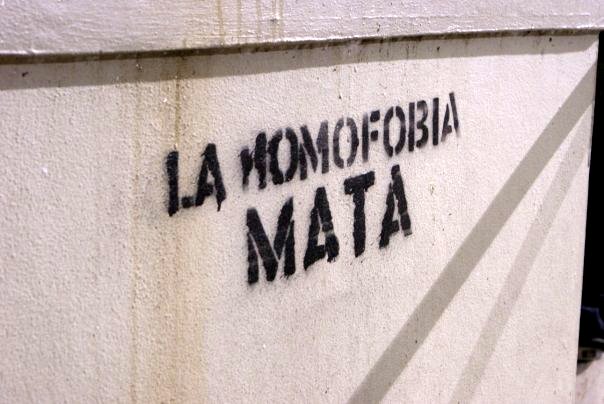
Crimes against LGBTIQ+ people
- On May 10, the murder of Reina Fernández Villanueva, 27, was reported. A well-known trans woman from the jungle area ( Loreto region ), she was stabbed to death inside the cell phone store where she worked.
- On Tuesday, September 21, Gina Rodríguez, a 28-year-old trans woman , was stabbed in Callao . The perpetrator was a man who regularly solicited services from trans sex workers in the area. He usually contacted them—using different names—through social media.
- That same day, also in Callao, the decomposing body of Rocky Gómez Sangama was found. He was a young chef who was last seen alive days earlier, entering his room with a man who, according to security camera footage, left alone after spending a few hours with the victim. Police consider him the prime suspect.
- On November 1, the bodies of Pedro Pablo Prada, a prominent activist, and his friend Vida Huapaya were discovered lifeless and bearing signs of torture. They spent their last hours in a private meeting with their alleged killers.
- On Sunday, November 7, José Antonio Quintana Pacheco (30) and Luis Alberto Coronado (32) were murdered in an apartment in Lima. Police found the bodies of both young men bound and naked.
Great losses for the trans community
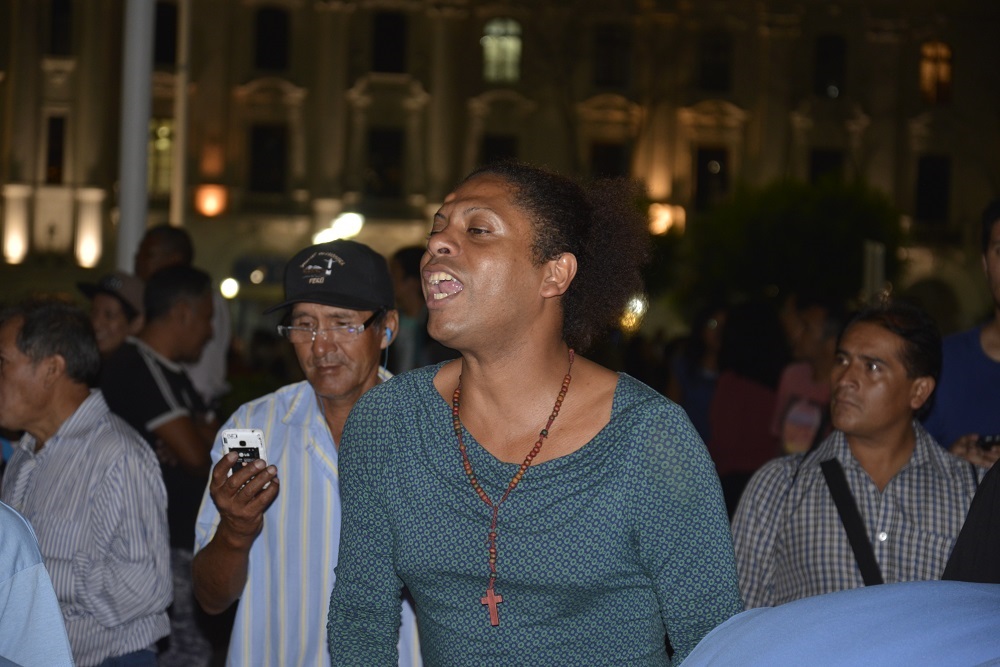
In addition to the murders of people from the LGBTIQ+ community, there were also significant losses of trans activists due to Covid-19 and other medical complications .
On January 18, Pilar González Díaz, a prominent health promoter, activist, and actress, Pucallpa
Pilar became known for her role in the Peruvian short film Loxoro , which won a Teddy Award at the Berlin Film Festival. The film told the poignant story of a trans mother searching for her missing transgender daughter.
Mariana Gómez Tafur was much loved in the northern part of the province. She spent the last years of her life there as a nurse and dedicated to raising awareness about transgender women. Her passing on April 13th saddened the LGBT community.
Luisa Revilla , the first trans councilwoman in Peru, passed away on April 15, surprising the entire Peruvian LGBT community.
She was a prominent politician from Trujillo who fought until the end of her days for the rights of transgender people. After being hospitalized for several days, she died from Covid-19.
Enzo Valentino Romaní died on June 14. He was one of the most visible trans men in Peru. He specialized in anaplastology, which led him to produce prostheses for trans men in our country.
Pedro Pablo Prada was murdered on November 1st at the age of 68, along with his friend Vida Huapaya. He was one of the longest-serving activists on HIV/AIDS issues.
In 2000, along with other activists, she sued the Peruvian State to demand free and universal access to antiretroviral therapy for all patients with HIV.
In 2004, Peru signed an agreement with the Global Revolving Fund for HIV/AIDS and amended Law No. 26626, the AIDS Law, which implemented universal and free access to treatment and medication for people with HIV. A year later, in 2005, the Inter-American Court of Human Rights ruled in favor of the plaintiffs.
While all of Latin America is moving towards realizing these rights, Peru remains at the bottom of the list for LGBTQ+ rights..
We are present
We are committed to journalism that delves into the territories and conducts thorough investigations, combined with new technologies and narrative formats. We want the protagonists, their stories, and their struggles to be present.
SUPPORT US

FOLLOW US
Related notes

We are present
This and other stories are not usually on the media agenda. Together we can bring them to light.