

Xiomara Castro: the promise to write a new history of Honduran women and minorities
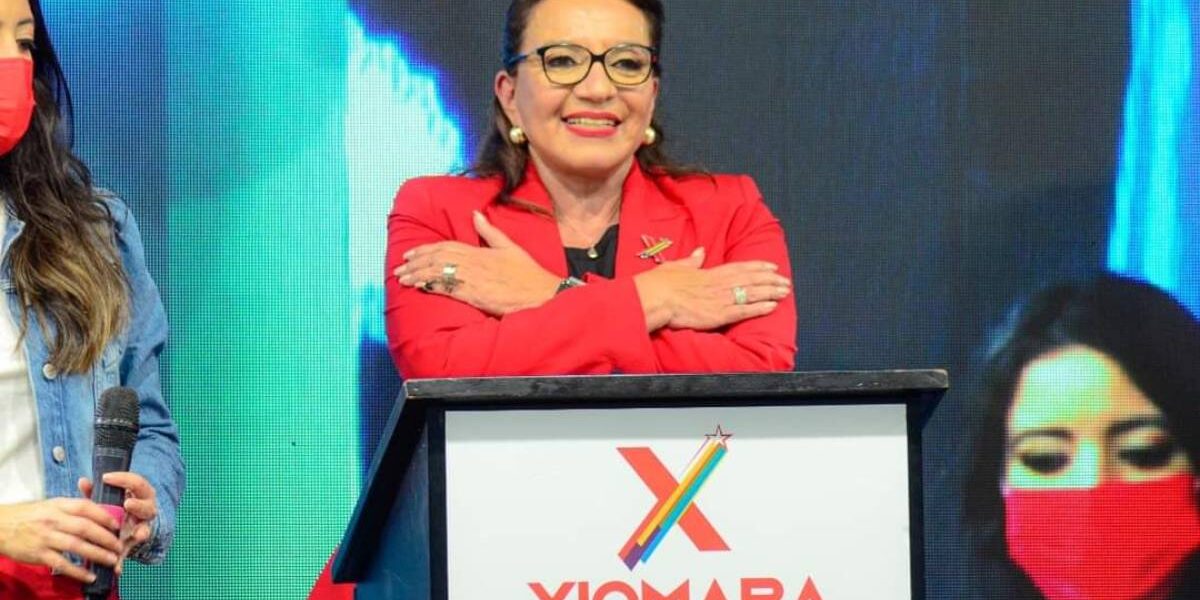
She is the first female president of Honduras. What does her victory mean, and why are various groups celebrating her triumph with reserve and discretion?


Share

“We celebrate Xiomara Castro’s victory with caution but with hope,” reads the first official statement issued by the Civic Council of Popular and Indigenous Organizations of Honduras (COPINH) following the presidential victory of the Liberty and Refoundation Party (Libre) and its presidential candidate, Xiomara Castro de Zelaya. This sentiment is perfectly apt, or rather, a better summary, because it reflects the current feelings of the Honduran people. But above all, and precisely, it is the sentiment of the country’s minorities, such as the Indigenous peoples and the LGBTIQ+ community.
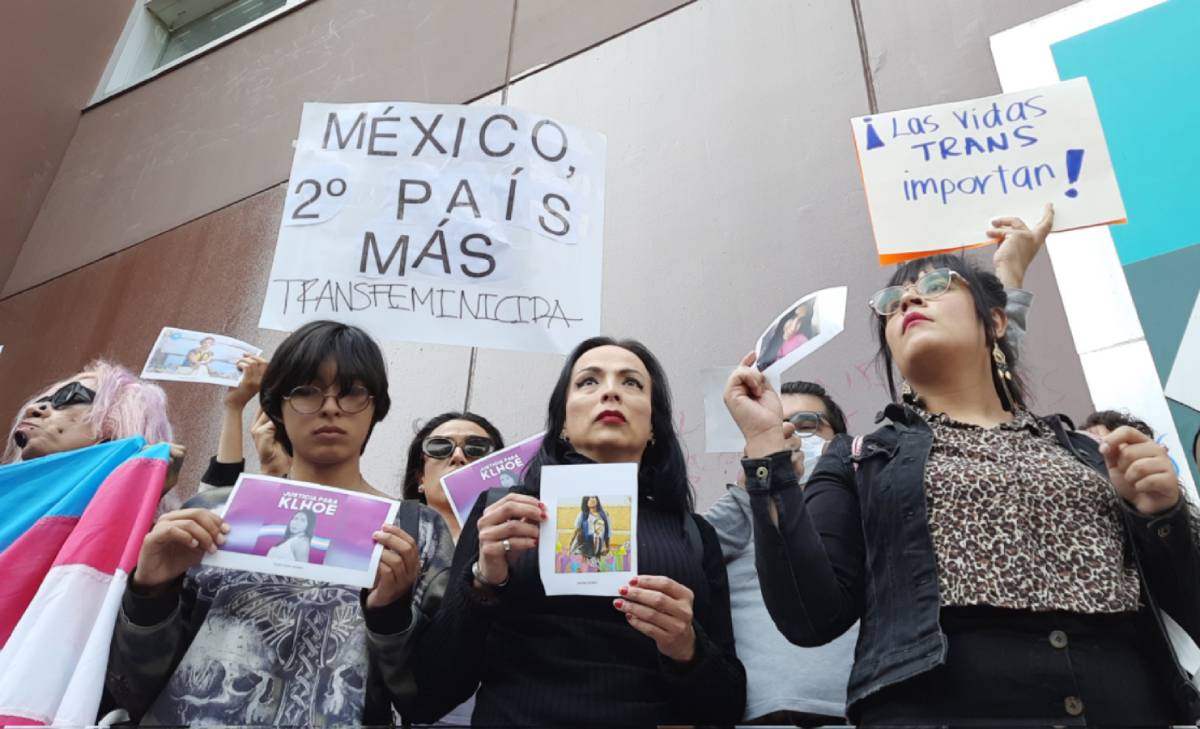
Faced with the overwhelming victory of the first female president in the history of a country with one of the highest rates of femicide and transfemicide in Latin America , as well as one of the most dangerous countries for human rights defenders, minorities celebrate the electoral triumph in Honduras with restrained joy.
The reasons are several, ranging from doubts about her image, as well as the room for maneuver she may have in such an openly sexist country.
The country he will have to govern
Xiomara Castro, wife of former president Manuel Zelaya Rosales, who was ousted in a 2009 coup, inherits a country plagued by high levels of violence against land and human rights defenders. Her victory has brought with it the promise of greater protection and justice for indigenous civic organizations.
COPINH, for example, has reason to maintain hope of finding the justice that has been denied them since 2016, during the first term of Juan Orlando Hernández -the current president-, Berta Cáceres, an indigenous leader who coordinated the direction of COPINH, was murdered in circumstances that five years later are still being investigated.
This year David Castillo, one of the masterminds behind the crime, was found guilty, but according to sources, he was only an intermediary between the true masterminds and the ex-military men hired to assassinate Cáceres.
Libre, Xiomara Castro's party, has been one of the most vocal in emphasizing Berta's importance, as well as the need to solve her murder and bring those responsible to justice. But perhaps reading the rest of COPINH's statement will reveal the reasons for their reservations about Castro's victory.
The first concern is how Libre can find justice with a private company constantly breathing down its neck. The Honduran Council of Private Enterprise, along with other business organizations, were among the first to applaud Xiomara's victory. She has stated unequivocally that they will work hand in hand with this private company, the same one that is the main driver of the energy and extraction projects that cause the violent deaths of land defenders like Berta. Or like the eight defenders of the Guapinol River who are currently imprisoned.
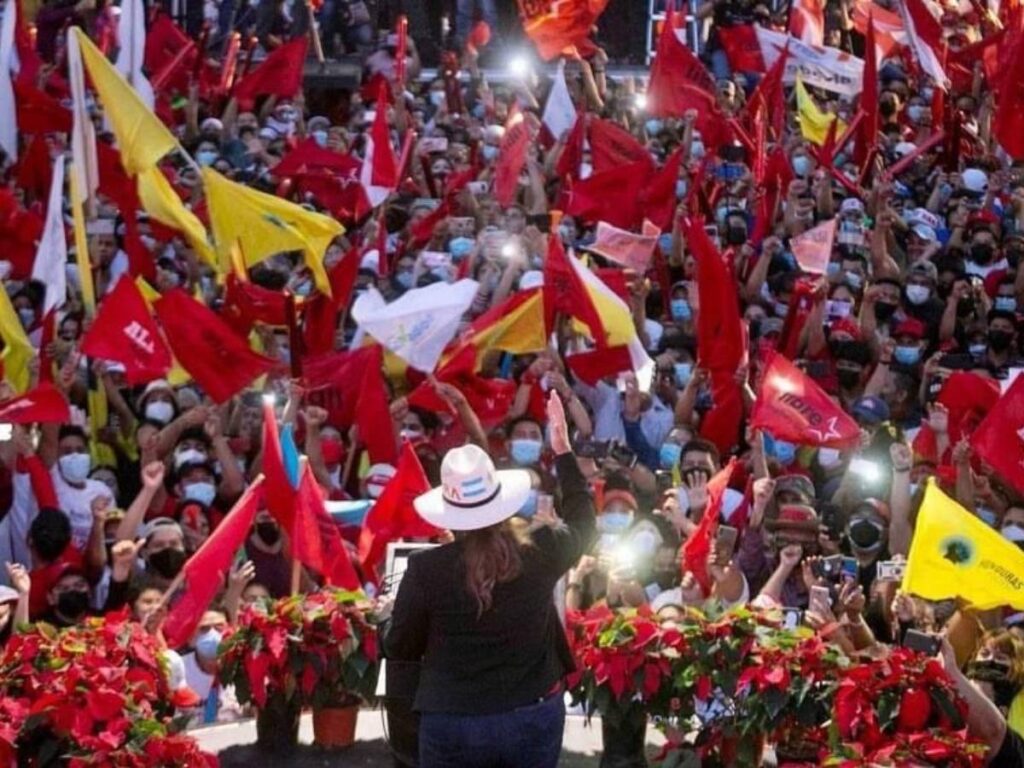
The promise to write a new story
For women, Xiomara Castro represents a watershed moment in the country's history; first, as the first woman elected president, but second, because she was the only candidate who proposed decriminalizing abortion in its three circumstances, as well as the emergency contraceptive pill (ECP). Although in 2013, during her first candidacy, she had opposed both decriminalizing abortion and the emergency contraceptive pill, her way of thinking has changed considerably, as has the country's openness to discussing these issues.
In this case, the women's only reservations are about how much Xiomara can achieve in a visibly sexist country, where her campaign was full of criticism of her figure, alleging that she is only a facade so that her husband, former president Zelaya, is the one who really governs.
During Xiomara's campaign, it should be noted, former president Zelaya barely appeared in public alongside her. Many believe this was a strategy to distance the new figure from her husband, a strongman in the most typical Latin American fashion. Accusations within and outside the party are numerous, which always leaves open the question of who truly holds the power.
The reservations of the LGBTIQ+ population
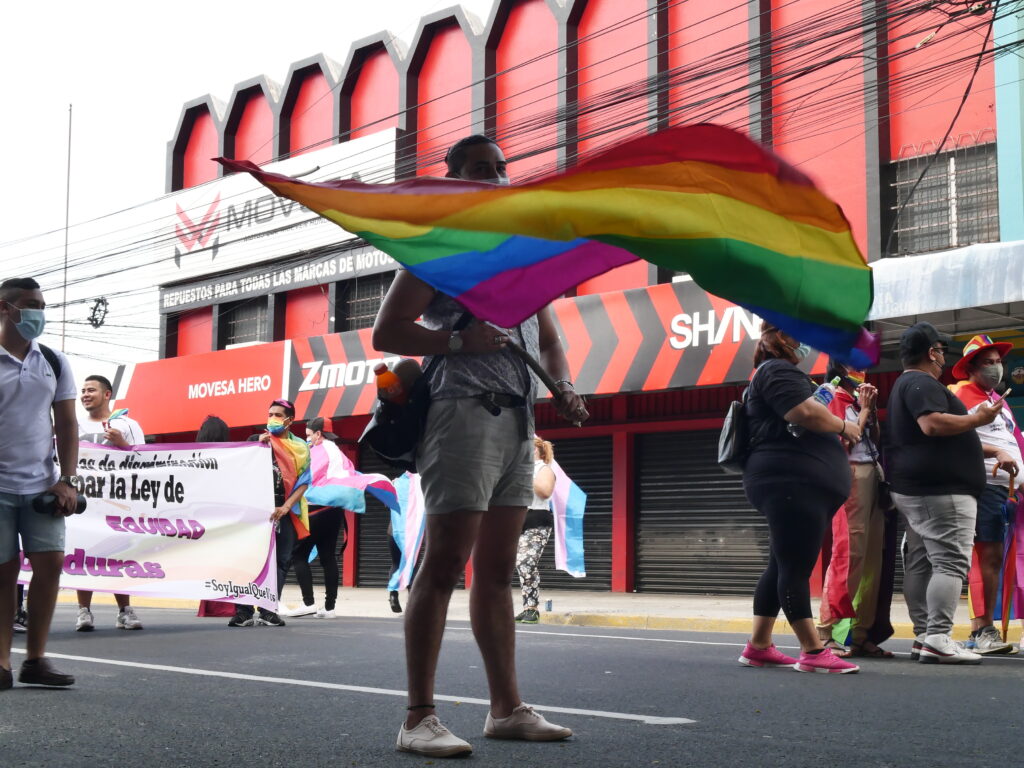
But the population that has shown the most restraint in the face of Xiomara Castro's victory is the LGBTQ+ community. Although the Liberty and Refoundation Party (Libre) has had candidates from this community, and in these elections is fielding the only openly gay alternate deputy, Víctor Grajeda , Libre continues to show lukewarm support on issues such as same-sex marriage.
The government plan includes more than seven proposals for this group, among which the "Law for the protection of LGBTIQ+ people" stands out, which ensures inclusion policies, equal pay, respect for their identity, and personal integrity, etc.
However, the LGBTIQ+ community within the Libre party points out that the messages are confusing and ambiguous regarding how much inclusion they are really willing to give them as a minority.
Merary Ávila, a candidate for deputy for the department of Cortés on the Libre ticket, points out that there is a great deal of homophobia within the party, and that she constantly encounters situations where she must confront these behaviors.
Just as there has been a great hesitation within the party regarding promoting extreme inclusion policies, as needed in a country where violence against this group is usually radical.
A light of hope
What is undeniable for everyone is that Xiomara Castro represents a glimmer of hope for justice, equality, and inclusion for Indigenous people, women, and diverse communities in the country. It's also important to remember that those who have kept the possibility of a better future alive are the organizations that have continued their struggle for years, under far worse conditions than those that seem to be coming with Honduras's first female president.
That is perhaps why COPINH, which knows how to fight and protect, as well as simplify, ends its statement by warning that “a project of radical and profound change” necessarily implies continuing the struggle, dialogue, and organization “to dismantle the de facto powers that oppose the rights of the majority and to exercise popular power.” That popular power which, in these elections, it decided to entrust with caution.
We are present
We are committed to journalism that delves into the territories and conducts thorough investigations, combined with new technologies and narrative formats. We want the protagonists, their stories, and their struggles to be present.
SUPPORT US

FOLLOW US
Related notes


We are present
This and other stories are not usually on the media agenda. Together we can bring them to light.