

Historic: The first openly gay congressman arrives in the Honduran Congress
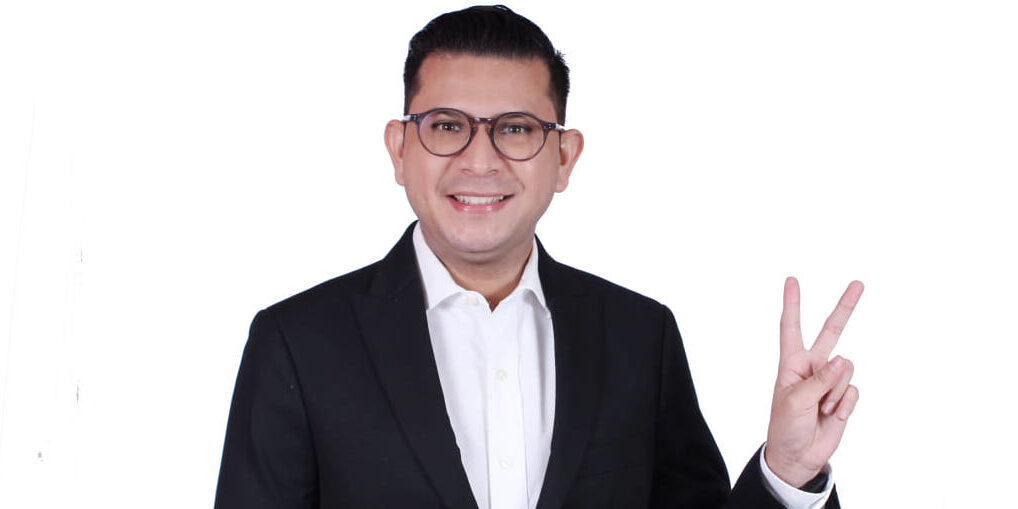
Víctor Grajeda, Silvia Ayala's alternate for the department of Cortés, made history by being elected to the legislature with more than 100,000 votes, according to the results of 60 percent of the ballots counted. LGBTIQ+ people in Honduras went to the polls and elected Xiomara Castro as their president.


Share

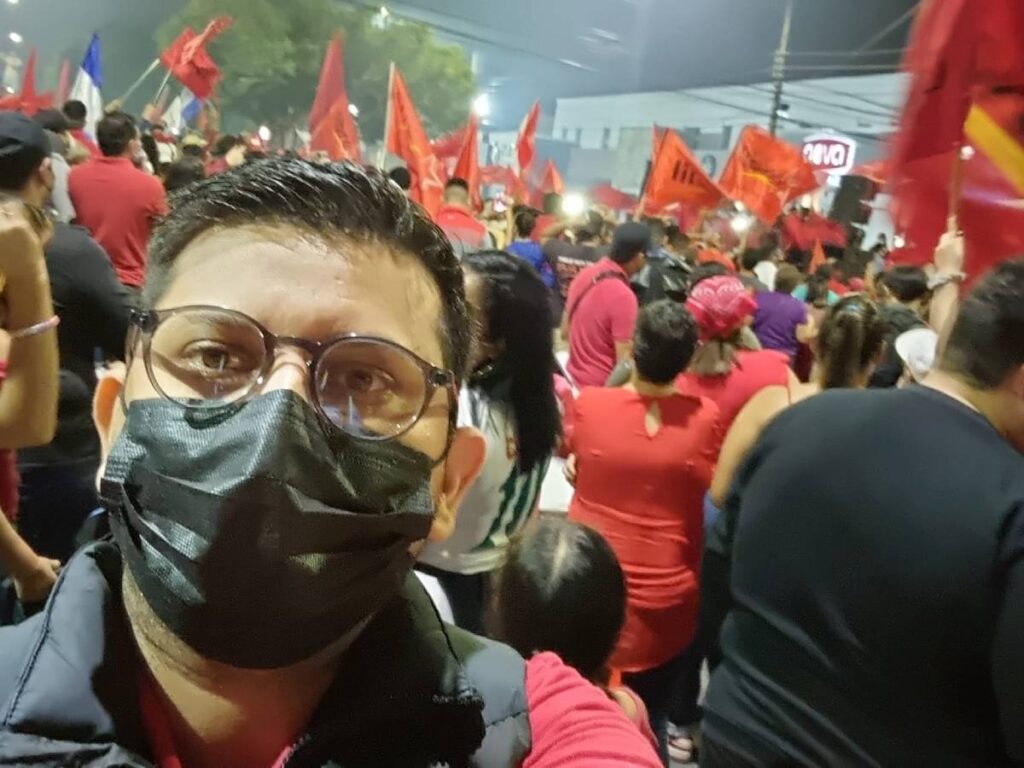
Thousands of LGBTQ+ people voted on November 28 against the National Party, which has governed Honduras for more than 12 years. This party, in the last three months, has waged a campaign of hatred, fear, and discrimination against sexual diversity and women's right to choose.
The LGBTQ+ vote in Honduras largely benefited Xiomara Castro, the candidate from the opposition party Liberty and Refoundation (Libre). She is considered the almost certain winner of the 2021 elections in Honduras, leading her rival, Nasry Asfura of the National Party, by more than 20 points.
"Xiomara's victory represents the hope for change in policies and laws. But also an advance in human rights," Kevin Ramos, president of the Libre Party's youth wing, Presentes
“We are going to build a new era. Down with the death squads, down with corruption, down with drug trafficking and organized crime. Down with the ZEDEs. No more poverty and misery in Honduras. Ever onward to victory. United, people. Together we will transform this country,” Castro declared in her inaugural address. She will be the country’s first female president in 200 years of independence.
In the 2021 electoral process, only five LGBTQ+ candidates participated. For the department of Cortés, Fredy Fúnez and Odalis Sarmiento ran for the PINU party as candidates for the main representative position, and Víctor Grajeda ran as an alternate representative for the Libre party. No transgender person participated in the process.
Grajeda is currently leading the top four spots for the Cortés congressional seats, along with his running mate Silvia Ayala. He is an interior designer and owns a business with his partner.
“In my free time I work in decoration,” introduces this openly gay man born into a humble background, who had to work from a young age to survive in the violent city of San Pedro Sula.
Víctor laments the lack of diversity offered by Honduran political parties. For him, the opportunity to participate in this process is unique . “I couldn’t pass it up. It allows us to create a dignified and transparent representation.” For Víctor, being open about his sexual orientation is a challenge to the system. “I seek to open spaces and eliminate discrimination based on sexual orientation or gender identity,” he affirms.
Grajeda promises to promote laws that penalize hate crimes , as well as the creation of specialized units to investigate these offenses. Among his promises is also the creation of mental health programs.
Unlike other Honduran political parties, Liberty and Refoundation (Libre) was characterized by its greater openness to the inclusion of LGBTQ+ people. This is exemplified by activist Kendra Jordany and lawyer Vienna Ávila, whom Libre appointed as secretary of sexual diversity.
“Citizens, we are committed to Honduras becoming a country of hope,” said Kevin Ramos. “We, as part of the LGBTQ+ community, hope that the government will fulfill its promises to guarantee rights for our people.”.
The end of a government of discrimination and hate
With their vote, the diverse population puts a stop to nationalist governments , which for more than a decade have failed to guarantee rights for trans and diverse people.
Hate speech emanates from the very top of the nationalist government headed by President Juan Orlando Hernández. On September 15, 2021, the president called members of Honduras's LGBTQ+ community "enemies of independence" in a sadly infamous speech commemorating the bicentennial of independence.
A reflection of the heterocispatriarchal vision of political parties in Honduras is the number of candidates from the sexual diversity community in this year's elections.

Meanwhile, in Francisco Morazán, Miguel Caballero Leiva ran for a seat in the legislature with the Democratic Unification party. However, the election results are not yet available, so the fate of these candidates is still unknown.
The anti-LGBTIQ+ discrimination exercised by the ruling party continues despite the guilty verdict for the transfeminicide of Vicky Hernández committed in the early hours of June 29, 2009.
Hernández, a human rights defender, became the first victim of the coup that marked Honduras's recent history. The 2009 coup ousted then-President Manuel Zelaya, husband of current presidential candidate Xiomara Castro.
Neither the de facto government of transportation magnate Roberto Micheletti nor the nationalist administrations of Porfirio Lobo and Juan Orlando Hernández investigated or sought to punish the crime against Vicky. On the contrary, during the 12 years of nationalist rule, the number of hate crimes in Honduras increased dramatically.
Since 2009, 389 violent deaths of LGBTI+ people have been recorded. In 2021 alone, 16 people were murdered: ten gay men, three transgender people, and three lesbians , reports Cattrachas in its Violent Deaths Observatory.
There was a glimmer of hope in the middle of this year, when the Inter-American Court of Human Rights finally condemned the State of Honduras for the transfeminicide of Vicky Hernández.
Indyra Mendoza , coordinator of Cattrachas, at that time .
However, although the State said it would comply with the sentence in the case of Vicky Hernández, so far it has not apologized to the family nor fulfilled a series of reparations from the judgment of the Inter-American Court of Human Rights.
Some were unable to vote against nationalism
Despite the desire of trans people to use their vote to remove the National Party from power, some of them were left without that possibility.
The director of Oprouce, the trans leader Sasha Rodríguez, could not vote because she never received the new National Identity Document (DNI).
Like Rodríguez, thousands of people were eligible to vote. The National Registry of Persons did not provide them with their new identity cards, without which they could not vote, according to the new electoral rules.
Social media users commented that the problems with the delivery of ID cards were another trick by the ruling party to stay in power by fabricating an alleged fraud in the November 28 elections.
“Xiomara’s victory is a vindication of her as a citizen ,” said Sasha Rodríguez. “She has been an ally of the diverse population and the LGBTQ+ community. They are tired of 12 years in power by the National Party and its leader, Juan Orlando Hernández, who joined forces with religious fundamentalists, especially evangelicals, to spread lies and discrimination against everyone.”
Rodríguez recalled Hernández's speech on September 15, in which he expressed his rejection of the rights of LGBTQ+ people. Amid the electoral climate in Honduras, Tatiana García in Santa Rosa de Copán . She was a member of the ruling party. More than 10 transgender people also suffered discrimination or were victims of attacks.
The Cattrachas Lesbian Network denounced before the National Electoral Council (CNE) that the National Party, together with anti-rights groups, used their hate speech to stigmatize LGBTI+ people and women.
On November 23, the CNE accepted his complaint for prejudice against human dignity, for promoting hatred and discrimination against groups historically placed in a vulnerable situation.
Violence in Honduras extends to candidates belonging to the LGBTIQ+ community. The Cattrachas Political Observatory recorded 33 violent deaths of candidates as of November 21. It also denounced a series of attacks and threats against various groups.
At a public event, the network's coordinator, Indyra Mendoza, called for an end to political violence. “There are no free elections if the candidates are afraid. We need the entire country to reject these attacks; we need defending human rights not to be a crime.”
Cattrachas also denounced former President Hernández's secretary, Minister Ebal Díaz, who used a video of a girl with a disability in his campaigns to manipulate public opinion on the issue of abortion. "It is cruel that they use women and people with disabilities for political gain," the lesbian network stated.
Violence before and during the elections
The most recent case of violence against the diverse population of Honduras is that of Emeli Rachel Villafranca (23), who was savagely beaten by four men in Tegucigalpa, denounced the organization Arcoíris.
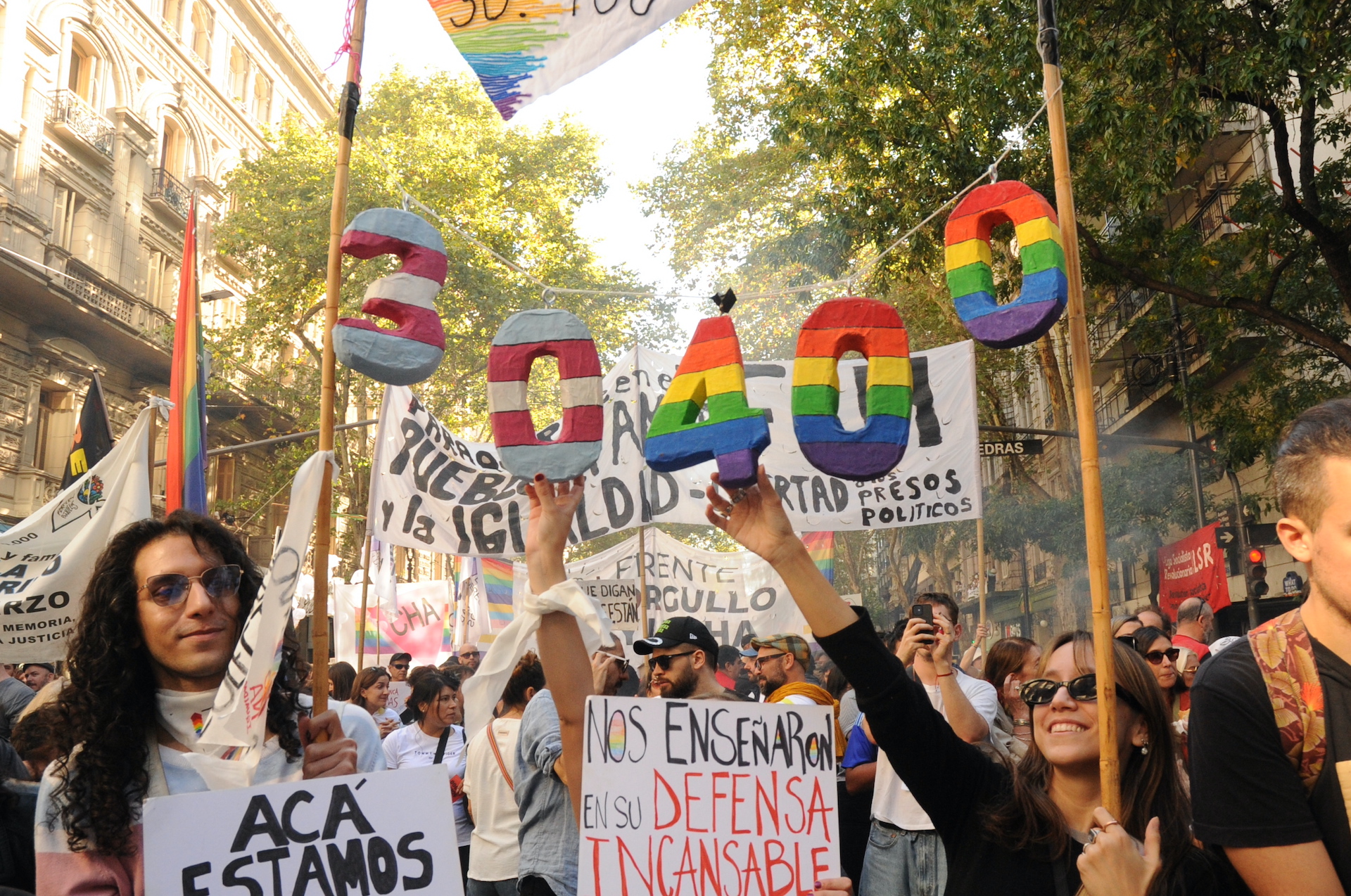
Three days before the elections, more than 20 LGBTQ+ organizations submitted a proposed law reform to the National Registry of Persons to recognize name changes. They collected 4,600 signatures nationwide. As part of this initiative, a march was held demanding justice, an end to violence, and an end to hate speech.
LGBTIQ+ people monitor the elections
At least 30 transgender women, distributed between the capital Tegucigalpa in central Honduras and San Pedro Sula on the northern coast, conducted citizen observation at large polling stations. The observers recorded incidents of discrimination, problems with name registration at birth, and other irregularities.
JLo Córdova, director of the Rainbow Dolls Association, reported that she suffered discrimination at her polling station when she cast her vote because she was publicly called by the name registered on her national identity document. “This shouldn't be happening. We recommend better training on diversity and gender issues for members of the polling station staff.”.
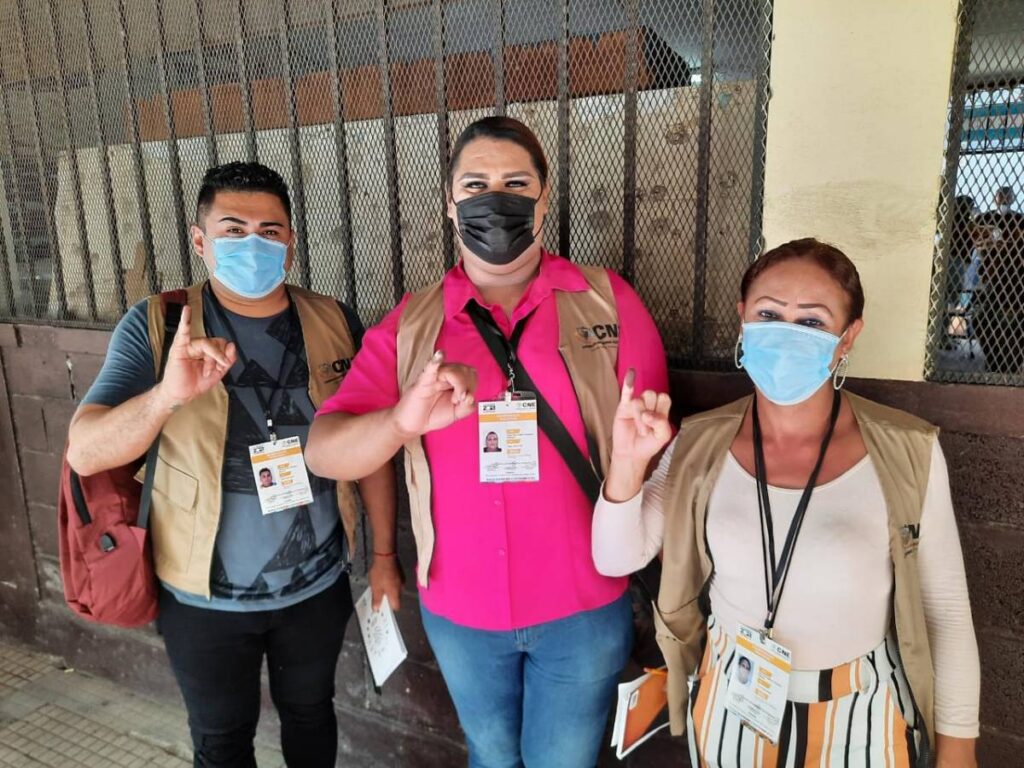
On the other hand, in both San Pedro Sula and Tegucigalpa, more than 15 people from different LGBTI+ organizations carried out the work of national electoral observers.
Lesbian activist Seidy Irías told Presentes that a country that doesn't consider the human rights of the most vulnerable people is not a republic. "Let's fight for a government that is visible to all populations," Seidy said.
The hashtag #VoteWithPride was promoted on social media, and the response was massive. “We, the youth, demonstrated that we are not made of glass, but of diamonds in this electoral process, which was a resounding victory for peaceful and participatory democracy,” said Néstor Hernández, director of Honduras Diversa.
Xiomara Castro's victory represents for many the breaking of an inequality gap. "Today, more than one girl woke up believing that she too can be president," said influencer Denisol Mehujael.
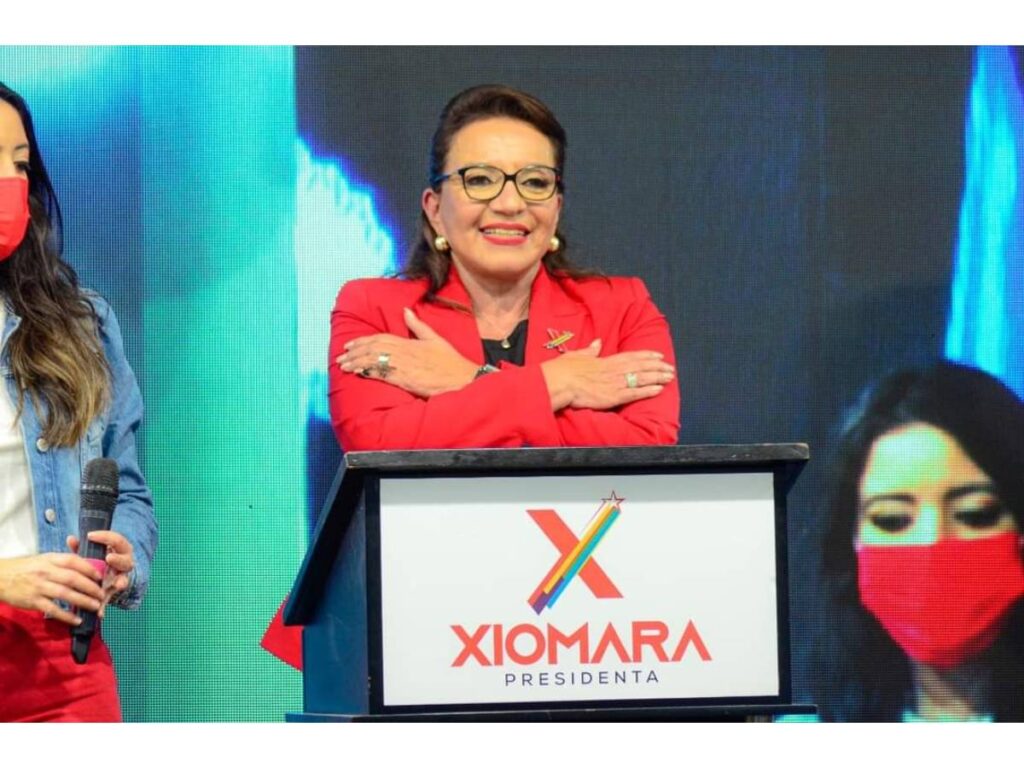
She is the country's first female president in 200 years of independence.
We are present
We are committed to journalism that delves into the territories and conducts thorough investigations, combined with new technologies and narrative formats. We want the protagonists, their stories, and their struggles to be present.
SUPPORT US

FOLLOW US
Related notes

We are present
This and other stories are not usually on the media agenda. Together we can bring them to light.