

Rosario Central is the first club in Latin America with a trans quota
Club Atlético Rosario Central has become the first club in Argentina and Latin America to include a transgender employment quota. It aims to "reach the equivalent of 5% of the club's total staff."


Share

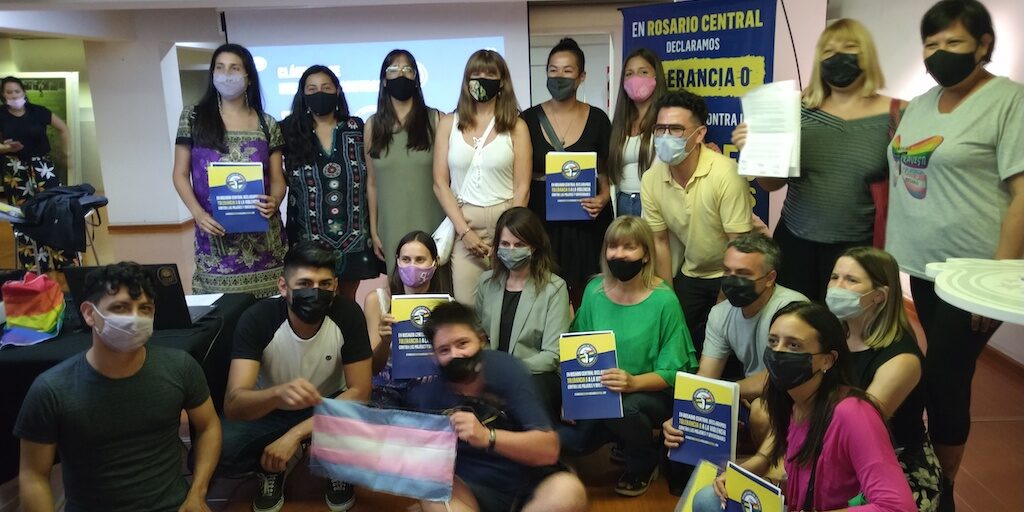
Club Atlético Rosario Central has become the first club in Argentina and Latin America to implement a transgender employment quota. The measure, spearheaded by the club's Gender and Diversity Secretariat, aims to "reach the equivalent of 5% of the club's total staff ." "Today, Central is a freer, more equal club," stated representatives from the club's gender department.
Through the resolution issued this Wednesday, the institution seeks to "implement the 'Transgender Employment Quota'" at the club. Its objective is "to guarantee the progressive inclusion of transgender people, according to the availability of vacancies and resources, until reaching the equivalent of 5% of the Club's total staff, proportional to its various agreements."
To this end, a "registration and selection process for applicants" will be carried out. Furthermore, the club commits to disseminating campaigns through social media and other institutional channels that encourage "the affiliation and active participation of LGBTQ+ individuals within the institution."
It will also seek to "enter into agreements with sports groups and teams, civil associations and other organizations that work on LGBTI+ issues" with the aim of "providing spaces for sports practice, and facilitating the visibility of sexual diversity within the Club."
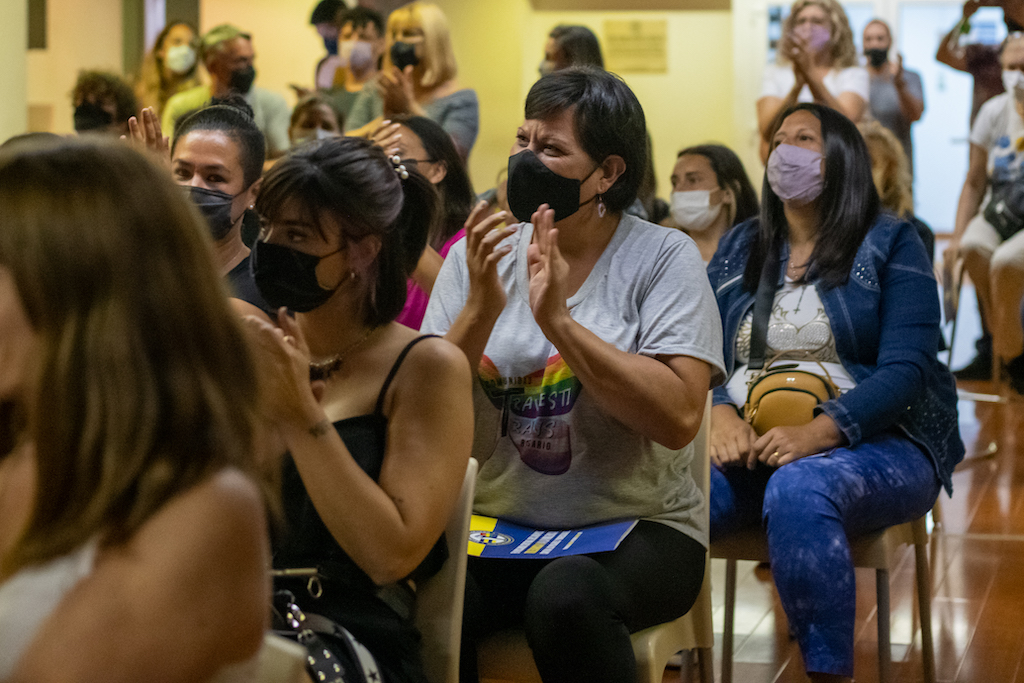
"Today Central is a freer, more egalitarian club."
“This is very important for the club, the city, non-profit organizations, and civil associations. We are the first club in Latin America to have a trans employment quota . Today, Central is a freer, more equal club,” Geraldina Platero, a board member of the club and head of the Gender and Diversity Secretariat, told Presentes. She added, “It is very important that we finally stop discriminating. We hope to be a pioneer for other civil institutions and football clubs.”
The institutional policy was presented during the launch of Project November 4, an initiative of the club's Gender and Diversity Secretariat. This project involves activities throughout November aimed at reflecting on the commemoration of November 25th, the International Day for the Elimination of Violence against Women. In addition to the resolution approving the trans and travesti employment quota, this year also saw the approval of a contract termination clause for reasons of gender-based violence.
For the past four years, the club has implemented various policies aimed at guaranteeing the rights of women and the LGBTQ+ community. In 2018, the Gender and Diversity Secretariat was created. In 2019, the “Prevention and Action Protocol for Addressing Situations of Gender Violence and Discrimination” was approved and implemented. Furthermore, in 2020, the institution adhered to the Micaela Law.
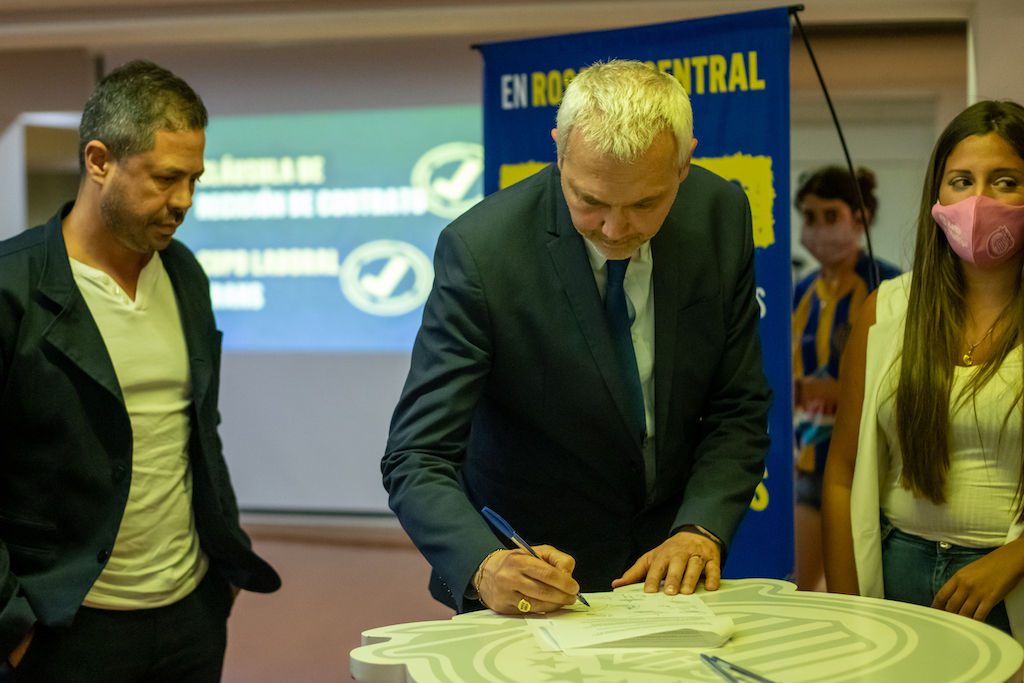
A before and after in the sporting arena
Regarding the approval of the transgender quota, Esteban Paulón, executive director of the LGBT+ Public Policy Institute, said that "it marks a turning point in the visibility of the LGBT+ community in sports ." He added: "The inclusion of the transgender employment quota and the support for the visibility of sexual diversity in sports are steps in the right direction towards more inclusive sports, free from stigma and discrimination ."
According to the resolution, the city of Rosario has given access to registered employment and a career path to 15 trans women and men since 2016.
The current measure aligns with the recent enactment on June 24 of this year of Law 27,636, which establishes that the national government “must fill at least one percent of its total workforce with transgender, transsexual, and gender-diverse individuals, under all current regular employment arrangements.” It also aligns with Decree 721/2020, issued in September 2020.
We are present
We are committed to journalism that delves into the territories and conducts thorough investigations, combined with new technologies and narrative formats. We want the protagonists, their stories, and their struggles to be present.
SUPPORT US

FOLLOW US
Related notes


We are present
This and other stories are not usually on the media agenda. Together we can bring them to light.