

Pride March of the Slums and Plurinational in Buenos Aires
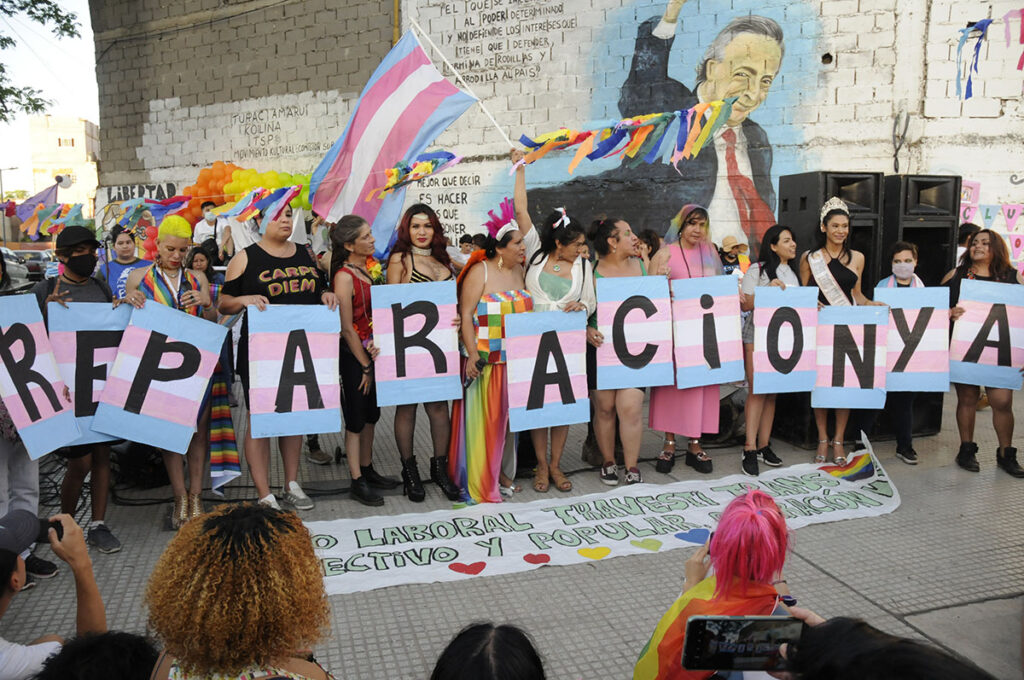
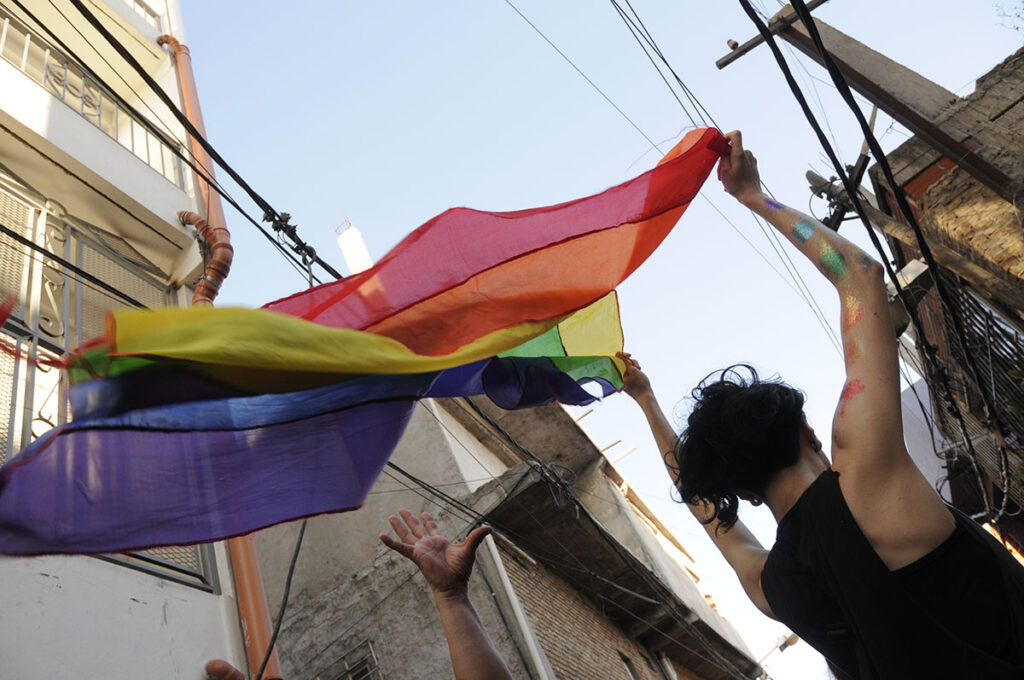
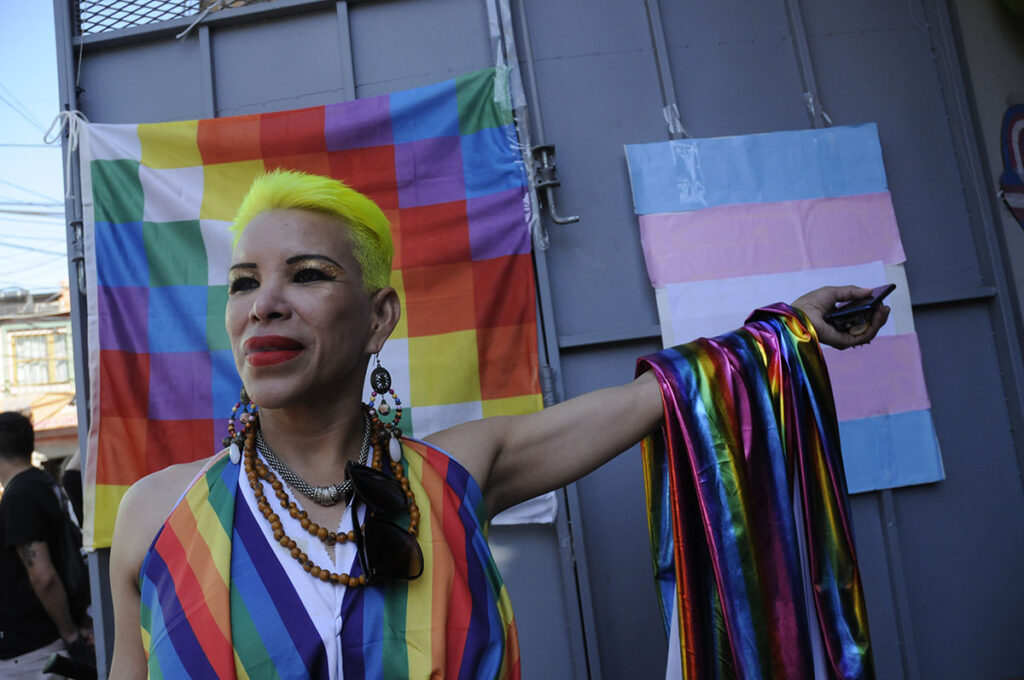
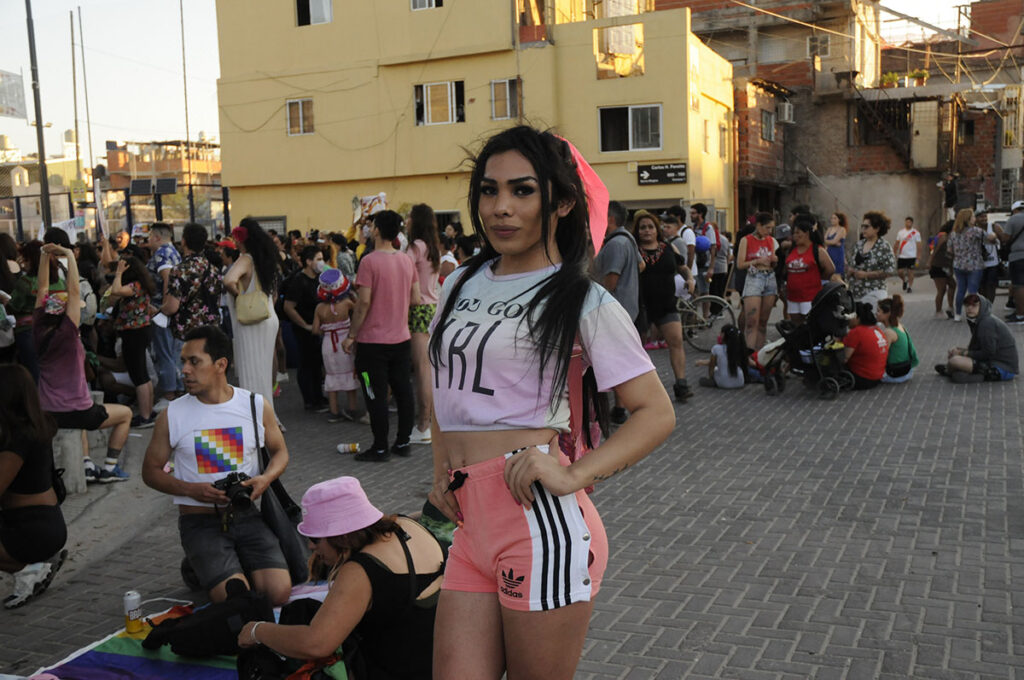
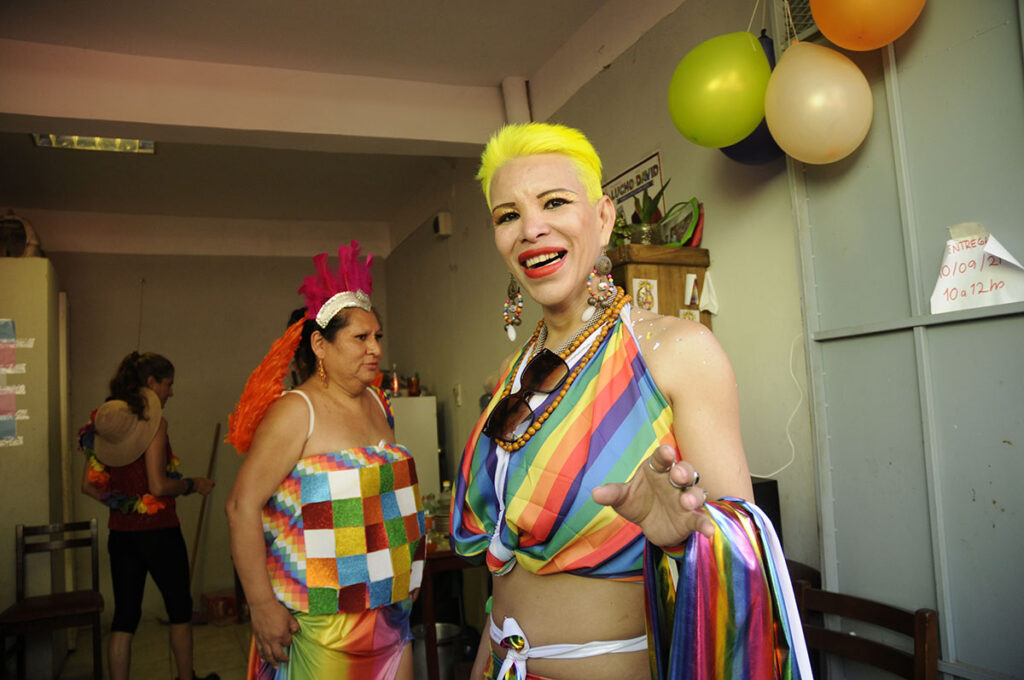
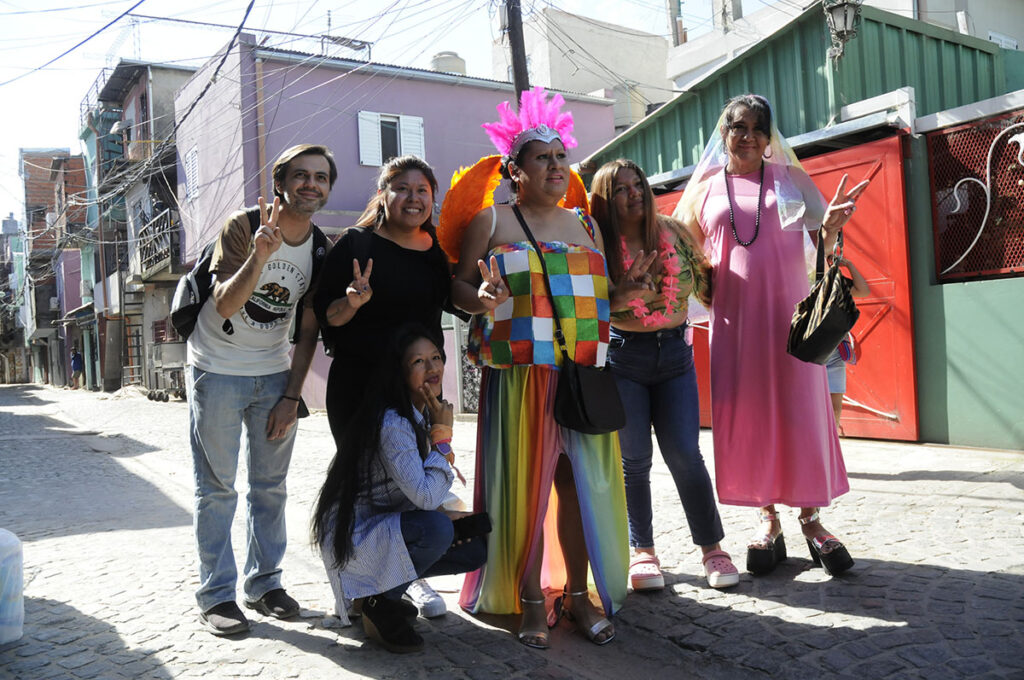
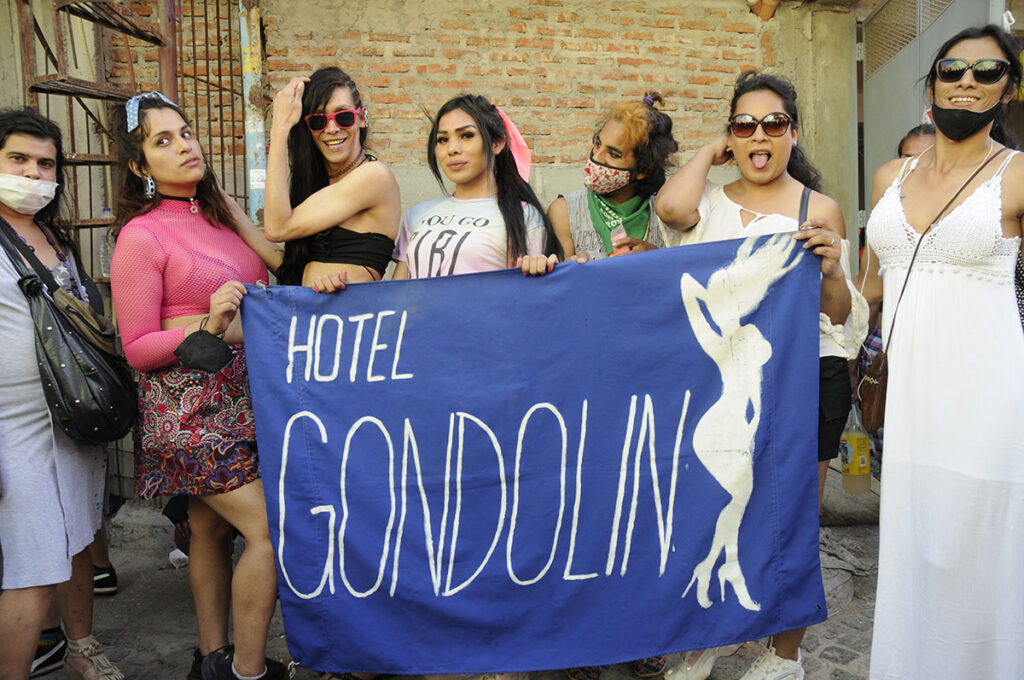
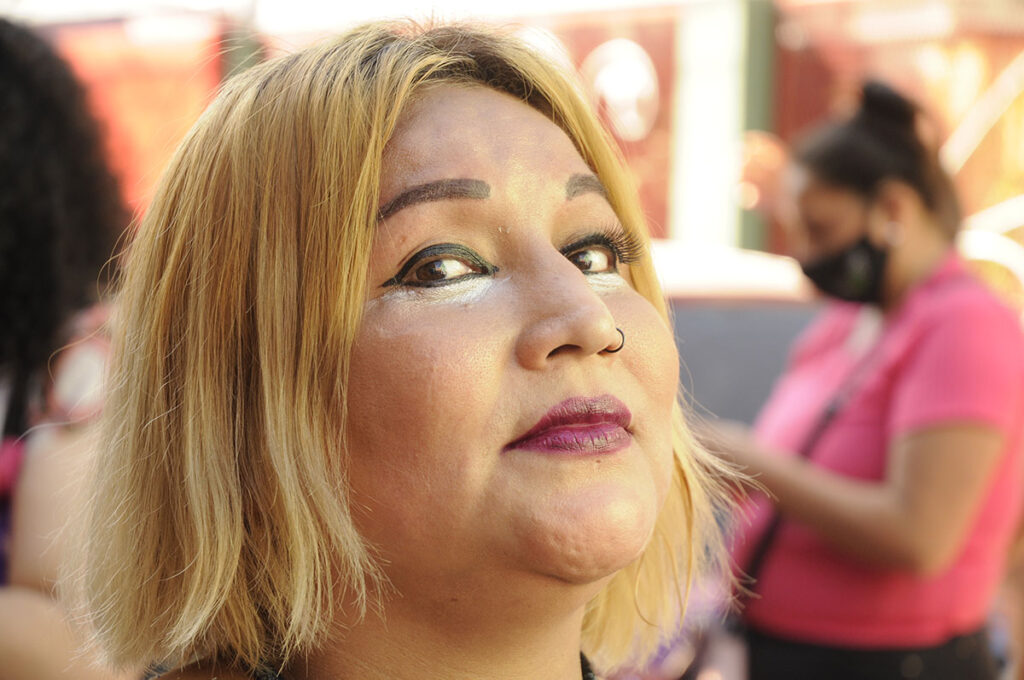
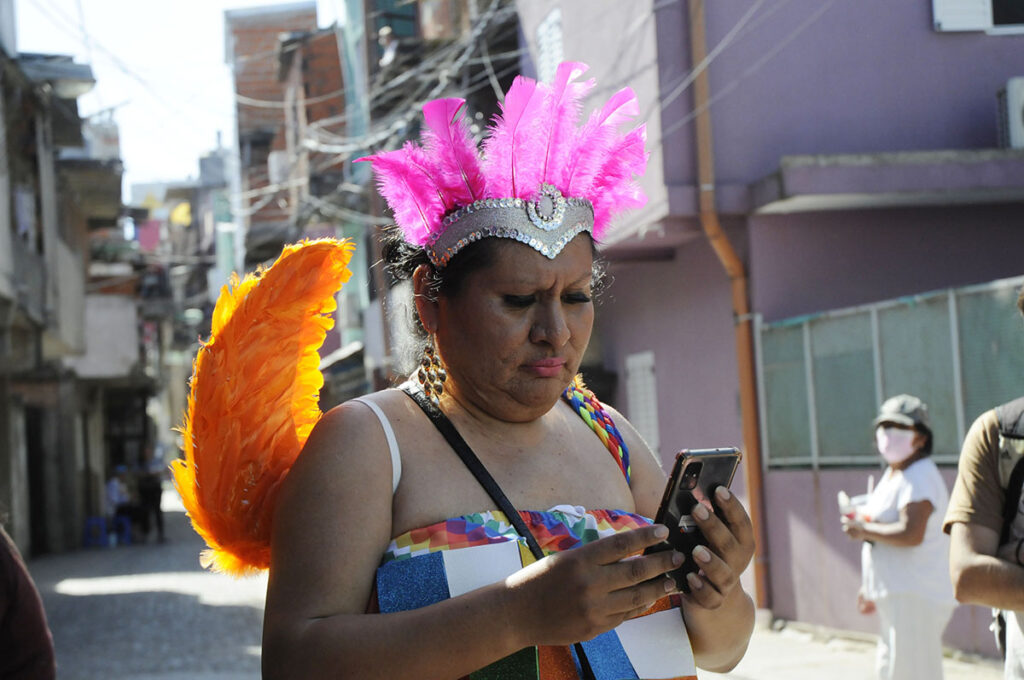
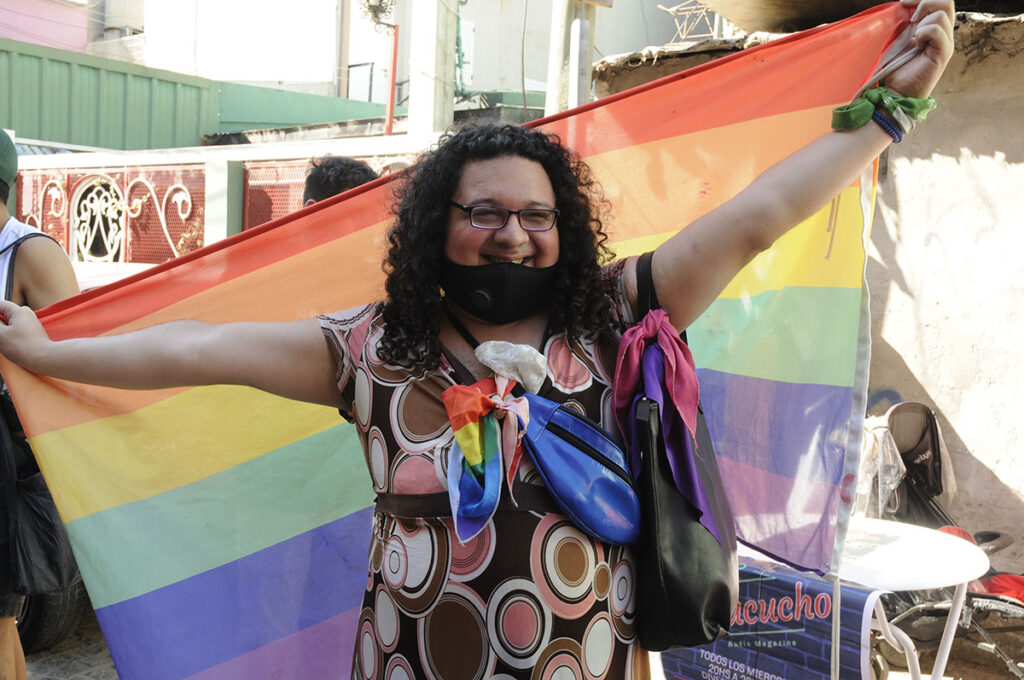
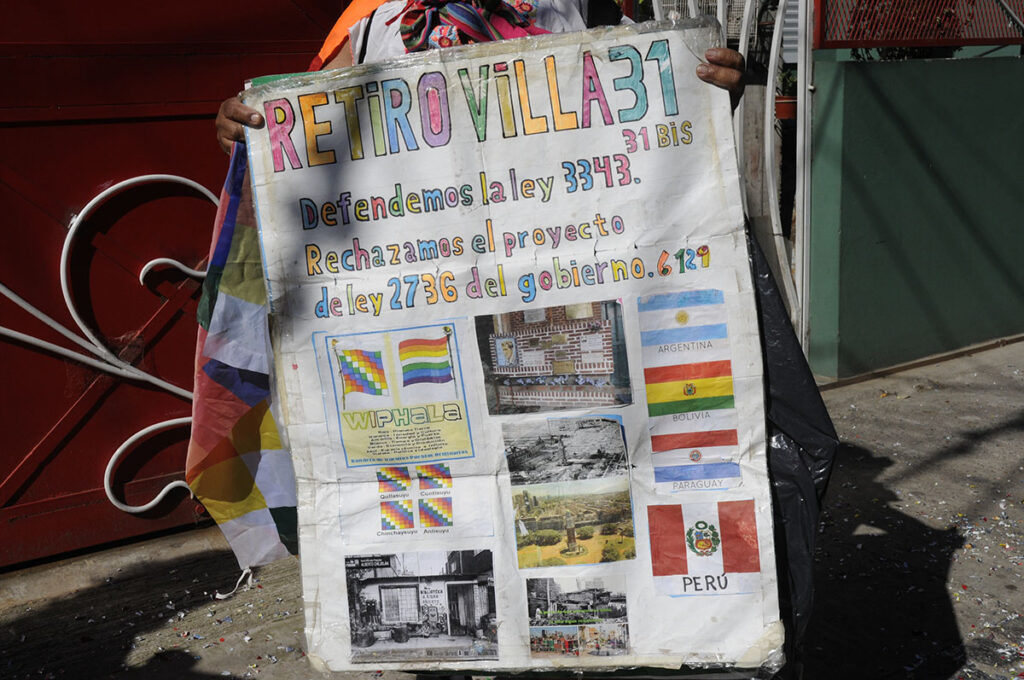
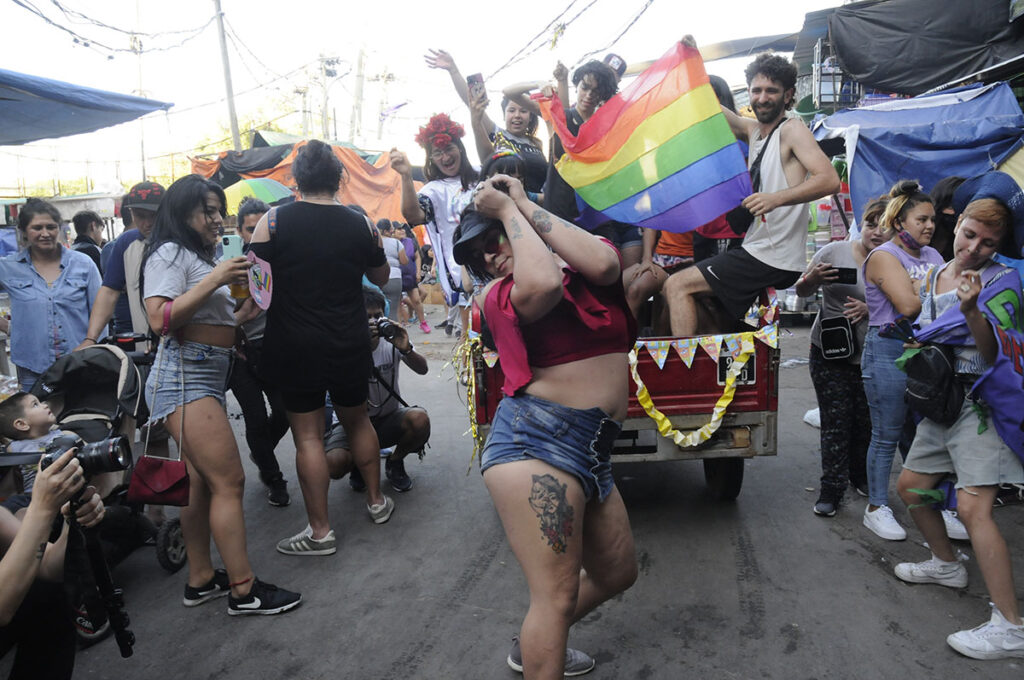
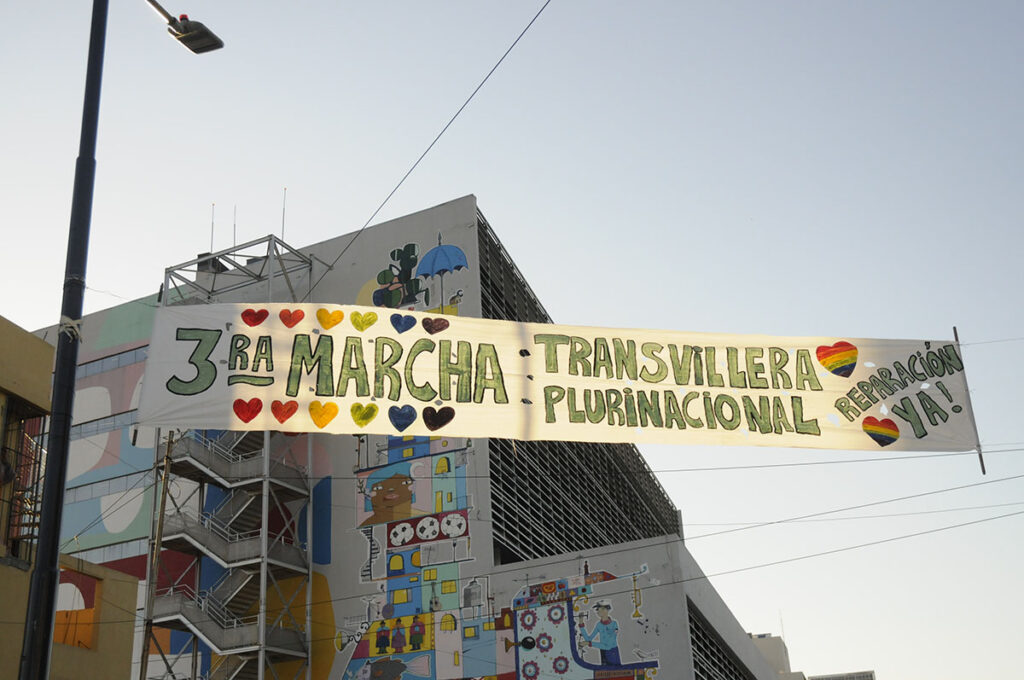
Various identities participated on Friday the 29th in the Third Plurinational LGBTTIQ Trans Pride March and walked through the streets of the Padre Mugica neighborhood, in the Villa de Retiro.


Share

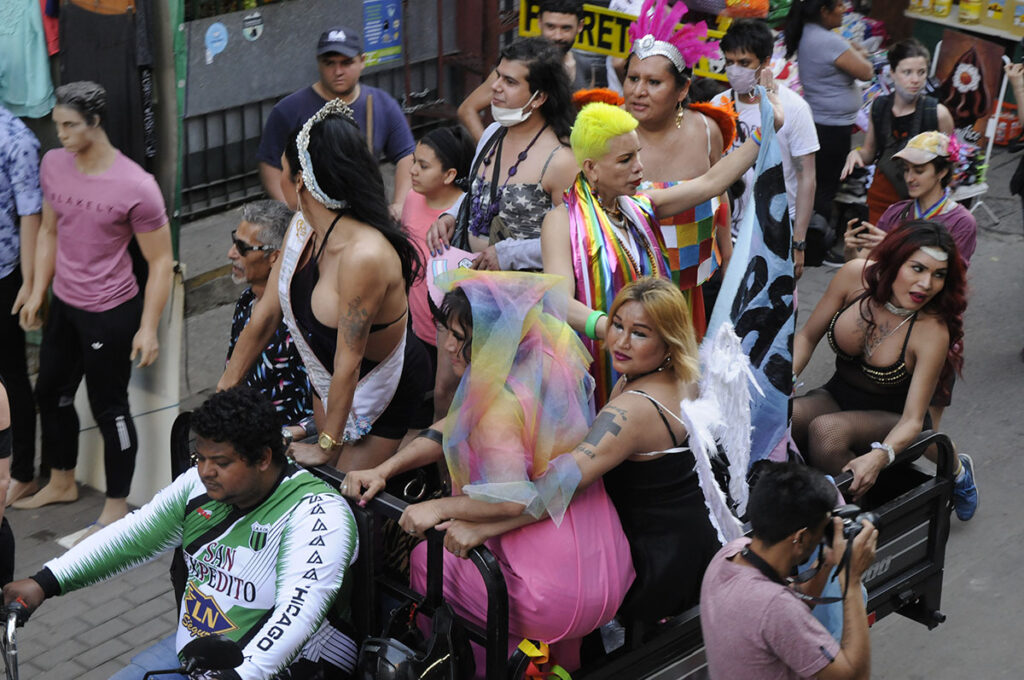
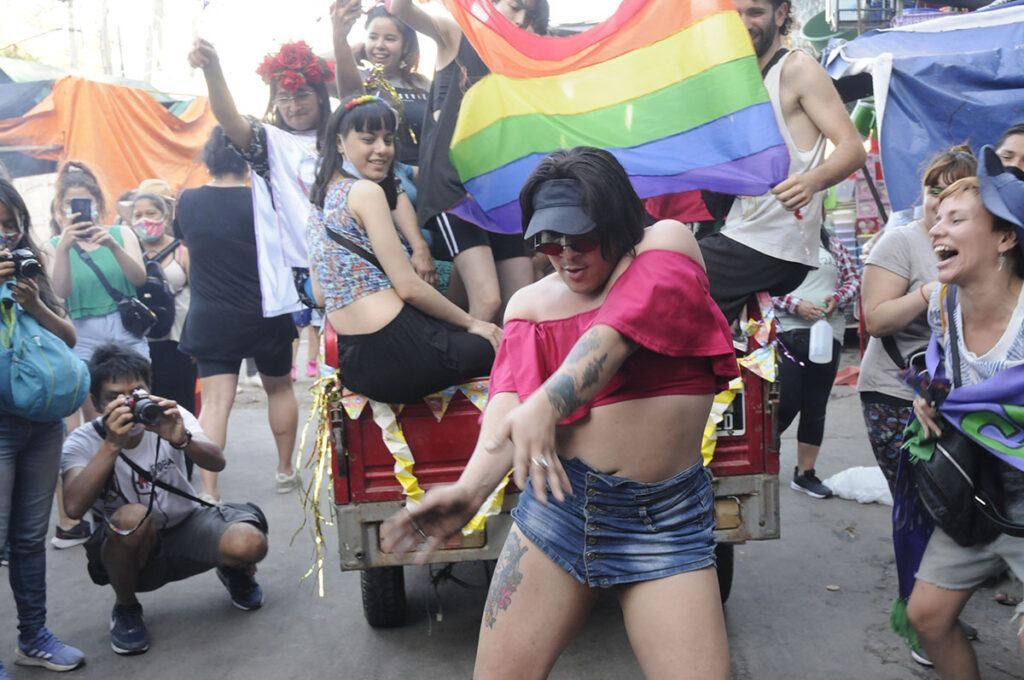
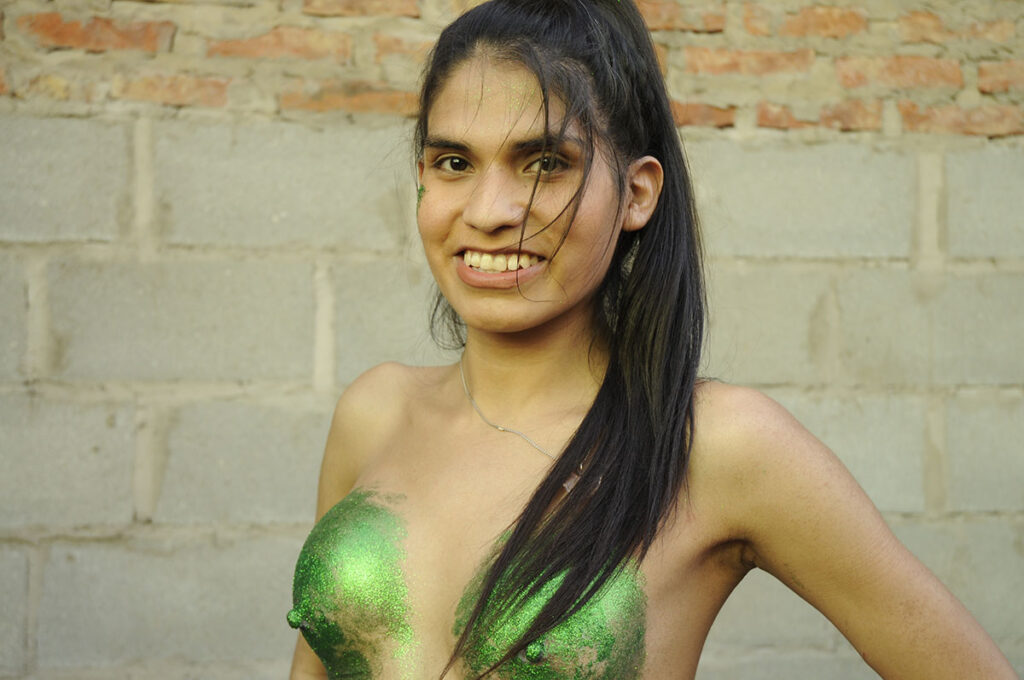
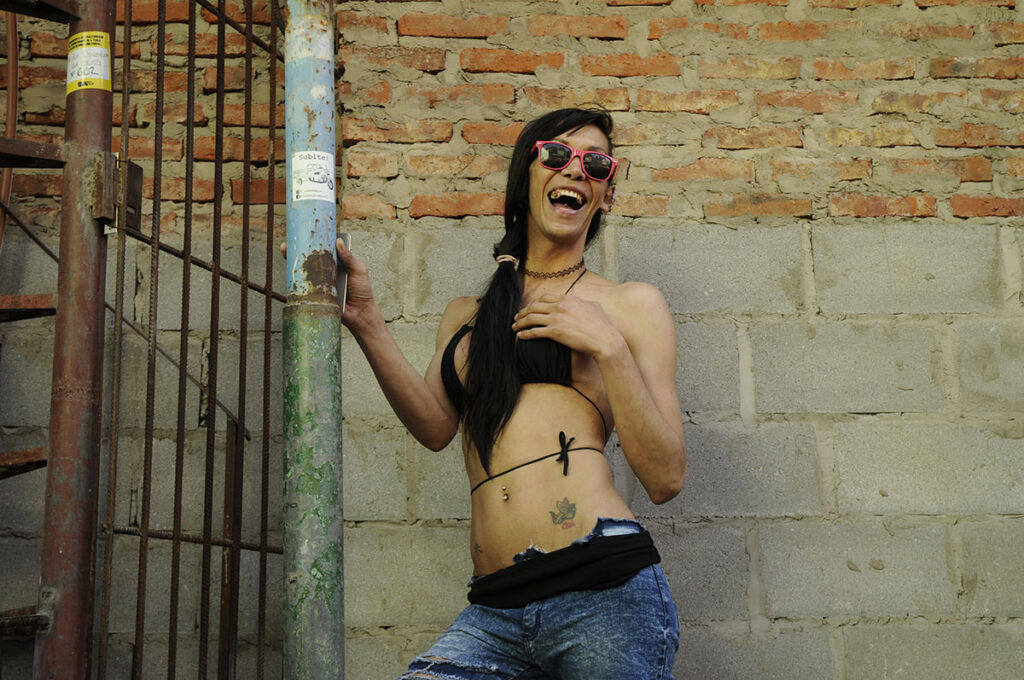
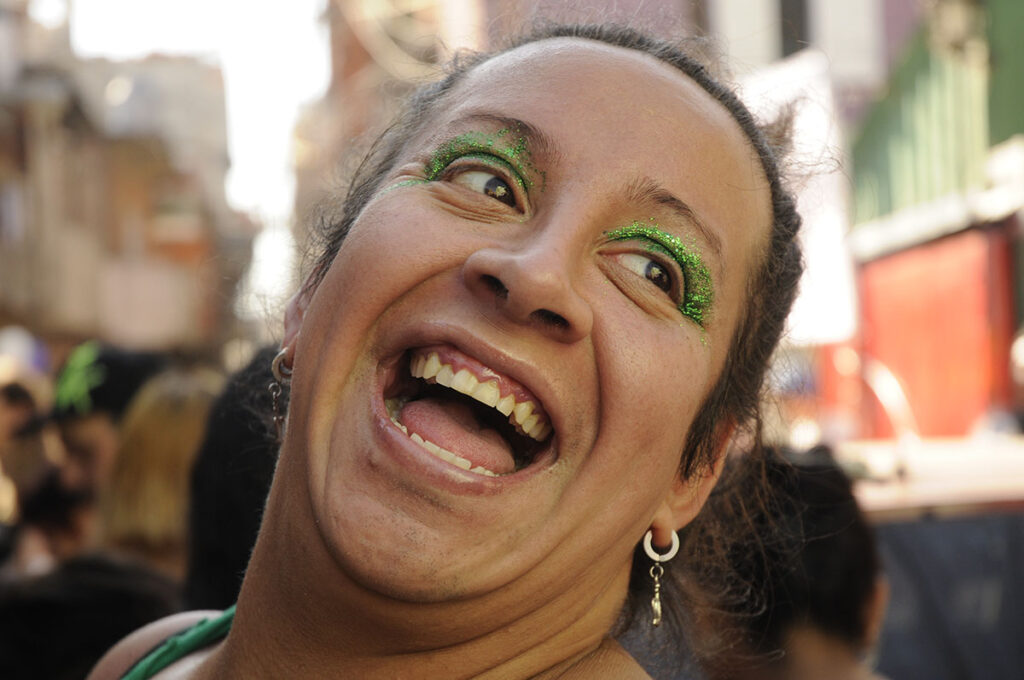
The Plurinational Trans Pride March bursts onto the scene at siesta time in Barrio 31, in Buenos Aires, the wealthiest city in the country. The sun blazes down, glitter accompanies the march, and the music for transvestites blasts with Santa Gilda. Neighbors applaud the transvestite and trans bodies from their windows and spiral staircases. Motorcycle taxis pile up, as do the hugs in my heart.
The trans women of the neighborhood wait (we wait!) for this day all year long, because they know that on this day the neighborhood embraces them and kisses them on the lips. Not only them, but also the lesbians, the gay men, the trans people, the non-binary people. It reminds them that they too belong to the emotional agenda of the neighborhood, if only for one day.
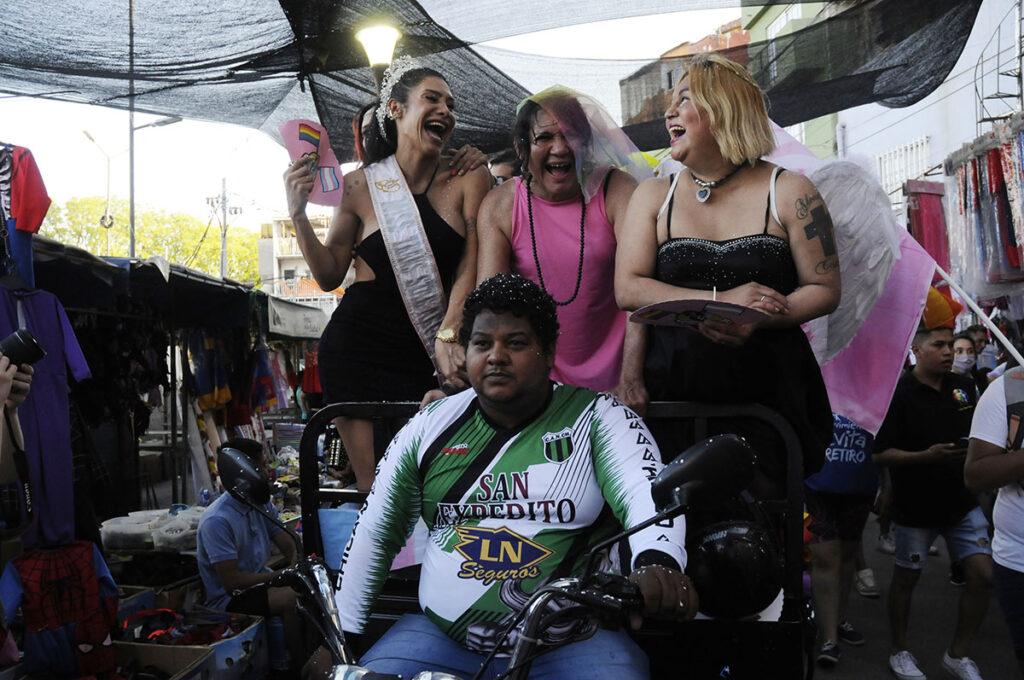
Since the first Pride march in 2019, things have happened in this area. To cite just two examples: urbanization for the few and the pandemic for everyone. The Pride march has become a neighborhood tradition, and that's what I'm proud of. This wouldn't be possible without the networks of organization and support that weave together here, thanks to the trans community and those who are part of the Villa 31 Feminist Assembly.
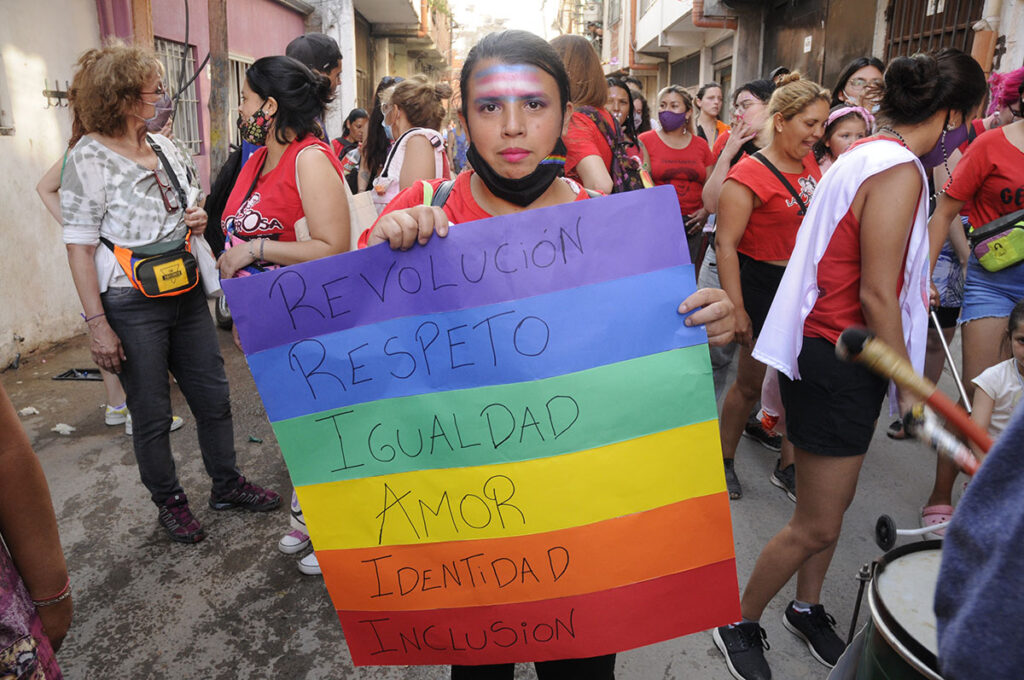
Trans pride from the slums
"What is your pride as a slum dweller?", we asked on October 29th as the march advanced through the streets of Villa 31 in its third edition.
Martina Pelinco is one of the organizers of this activity, which is taking place a week before the "official" call for the City of Buenos Aires.
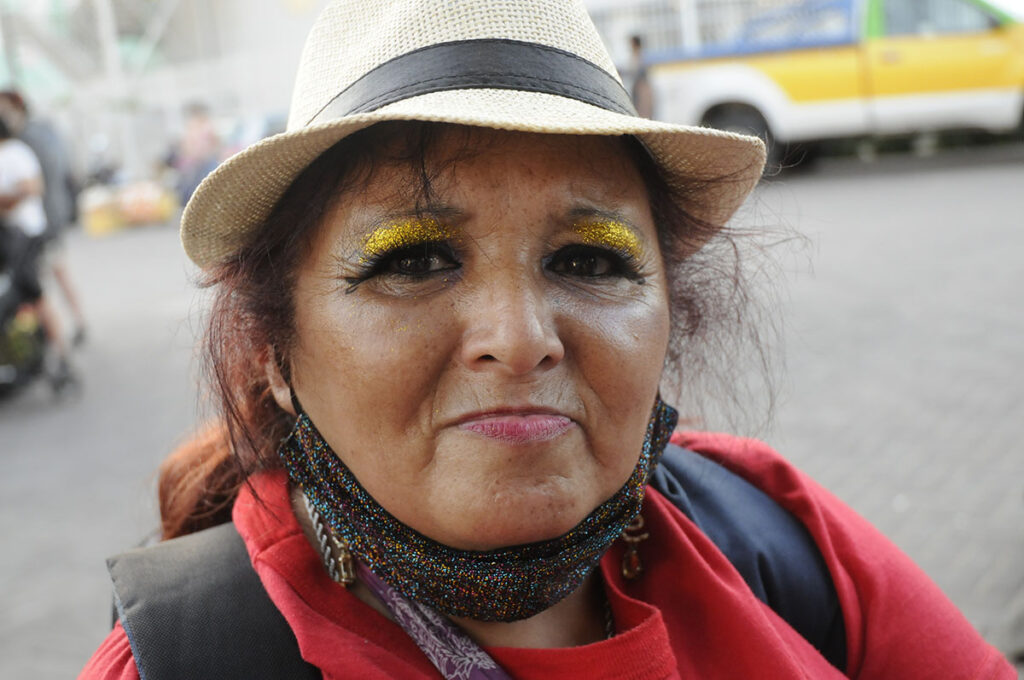
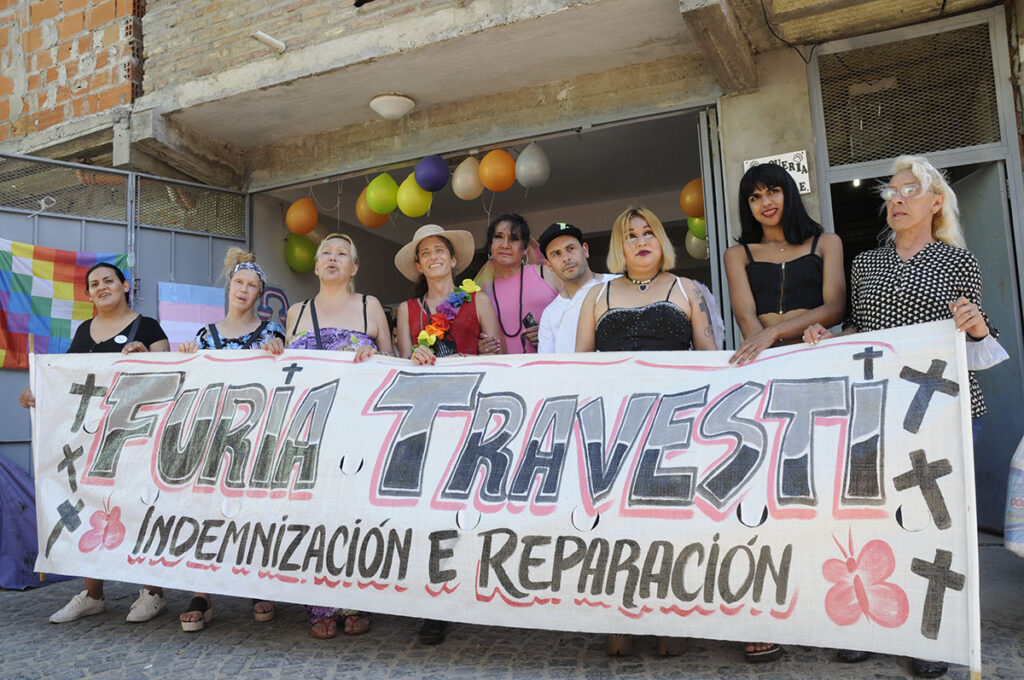
“For me, trans pride in the slums is the love of so many Argentinian sisters, migrants, Indigenous women, and those experiencing homelessness . All of that. And organizing the Pride march for the third time, because the neighborhood needed it. We stand up for the women who have lived in the slums for years. And today we want everyone to be here celebrating trans diversity in the slums, a plurinational, Indigenous diversity for all,” says Martina . “ We want reparations and compensation, we want a job quota for trans people that is accessible to everyone. We want no bureaucracy and for the law to be upheld: that the job quota be for everyone .”
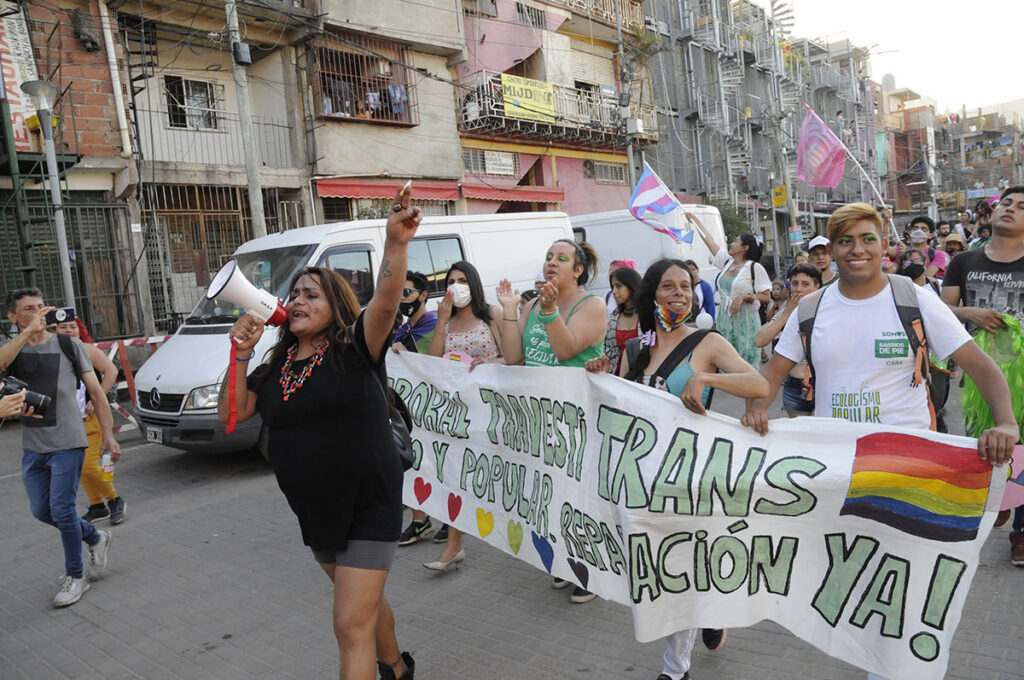
Resisting the pandemic: “Organization, love and struggle”
Martina says that the pandemic “taught us a lot about giving. About giving everything because that’s what we had to do because people were dying, not just trans women, but the entire Villa 31 was dying. We started making soup kitchens, looking for food everywhere when the City Government was absent. We were the ones who shouldered that burden to sustain the reality for everyone in this place. And we did it with organization, love, and struggle.”
The trans women and trans people fighting for historical redress shout, “Our revenge is to grow old.” With that same spirit, the older ones also march through the streets of the shantytown, with joy and with a great deal of trans fury.
“ Slum pride: to shout, to love, to be free”
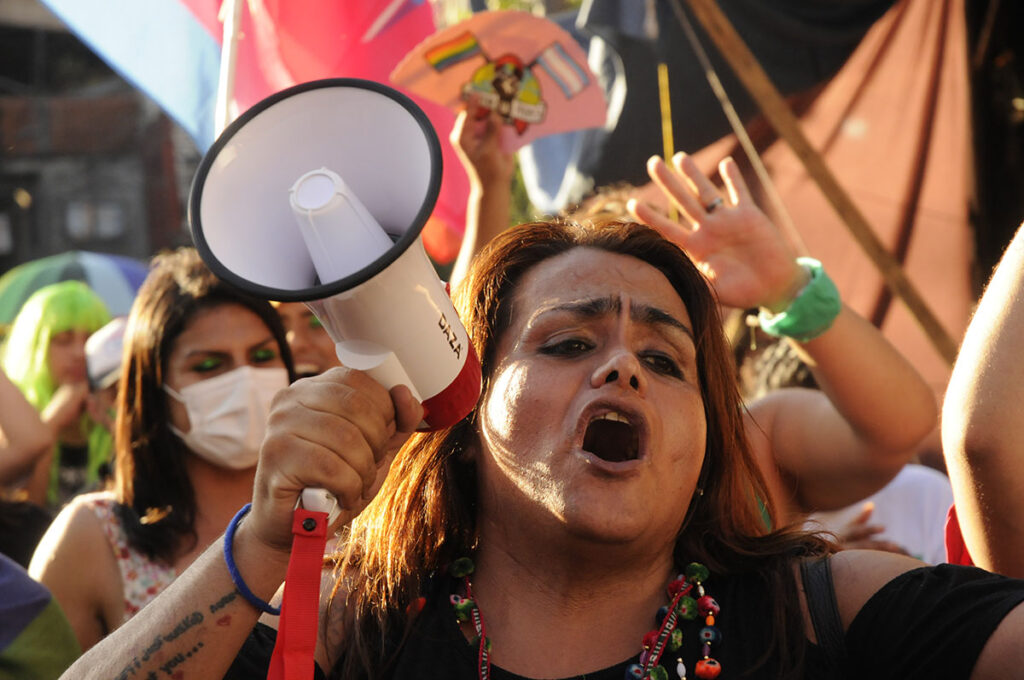
For María Luisa Domínguez, pride means “happiness, love, shouting, loving, being free. Showing that we can love each other without being judged. That just because we live in a slum doesn't mean we can't be loved. Love has to be universal for everyone. That's what love means to me.”
“ resistance ”
The Pride March for the Villa slums brings together sisters from all over. Among them walks Geraldine Lezcano, a leader of the Popular Feminist Tide movement in Merlo. She says, “Pride is being here today. I come from the West to resist, to support, and to share. Just like my comrades from Villa 31, because the trans-feminist, popular, dissident resistance also exists here in the villa . We mustn't make it invisible, because the trans, lesbian, bisexual, asexual, and intersex movement doesn't only exist in the City of Buenos Aires or the greater Buenos Aires metropolitan area, but also in the villas. This is a plurinational, anti-racist, South American movement. We have to start being here, sharing, supporting, and fighting alongside this trans-feminist resistance. From the popular and social movements, we will always continue to support the struggle .
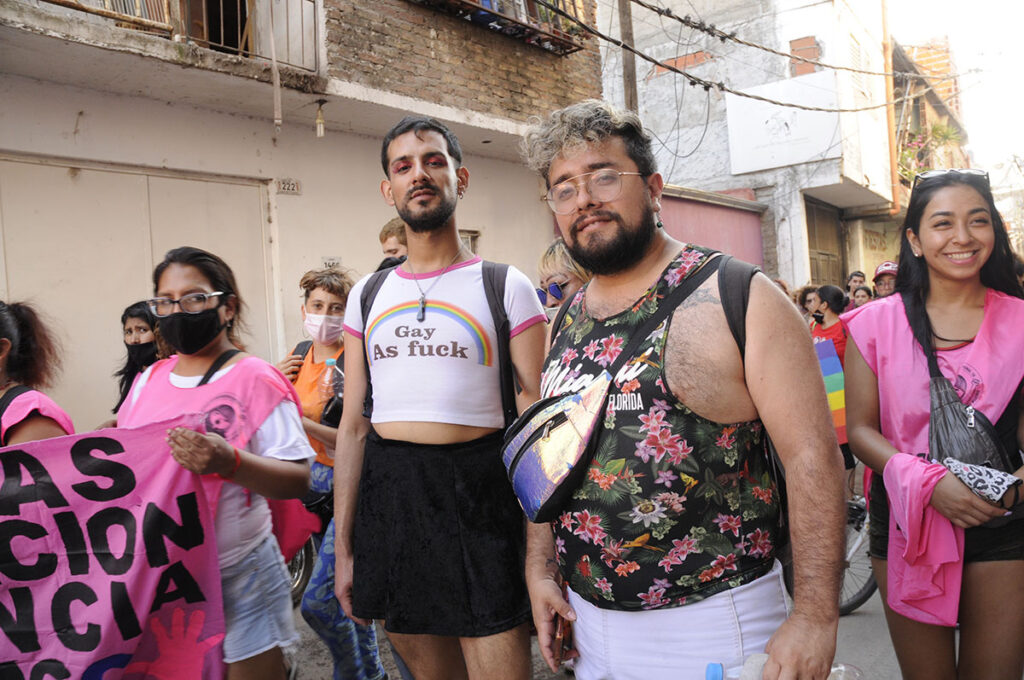
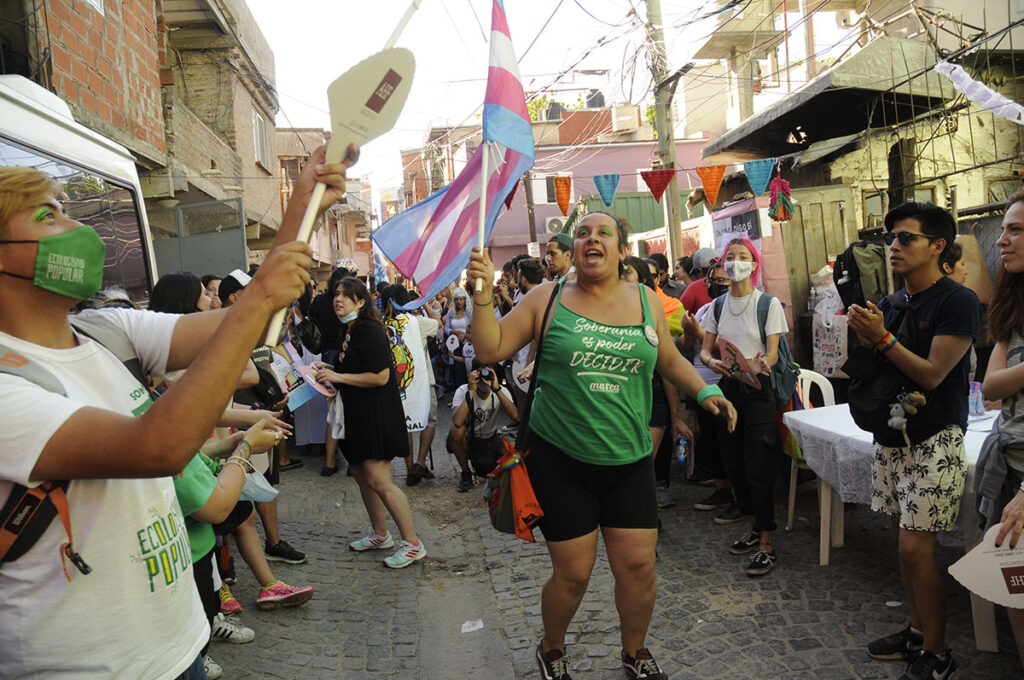
Another person present marching with the trans women was Buenos Aires legislator Laura Velazco. “For me, trans pride in the slums represents the reality of our working-class neighborhoods, shaped by a gender perspective and the right to identity. We want a grassroots and truly intersectional trans feminism, where many rights that are unequal due to gender, class, and ethnicity intersect. And that's where we need to prioritize public policies and grassroots organizing.” The legislator believes that enormous strength is being built from within these working-class neighborhoods: “I've been supporting this march since it began, and I'm leaving here full of energy and eager to work even harder for diversity.”
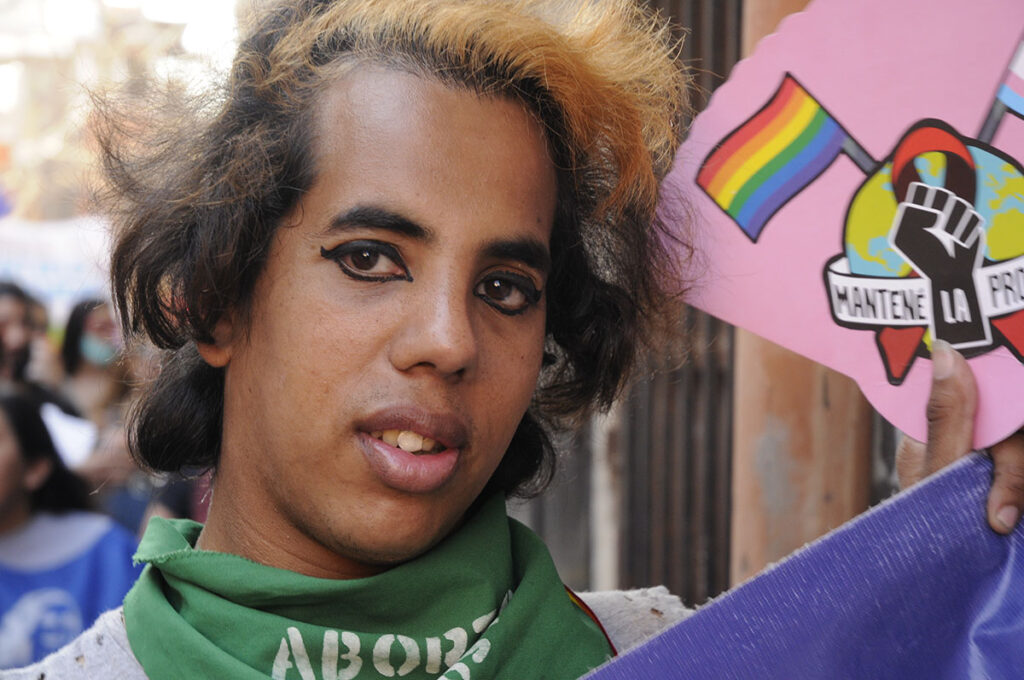
“"It's a source of pride to be a trans girl."
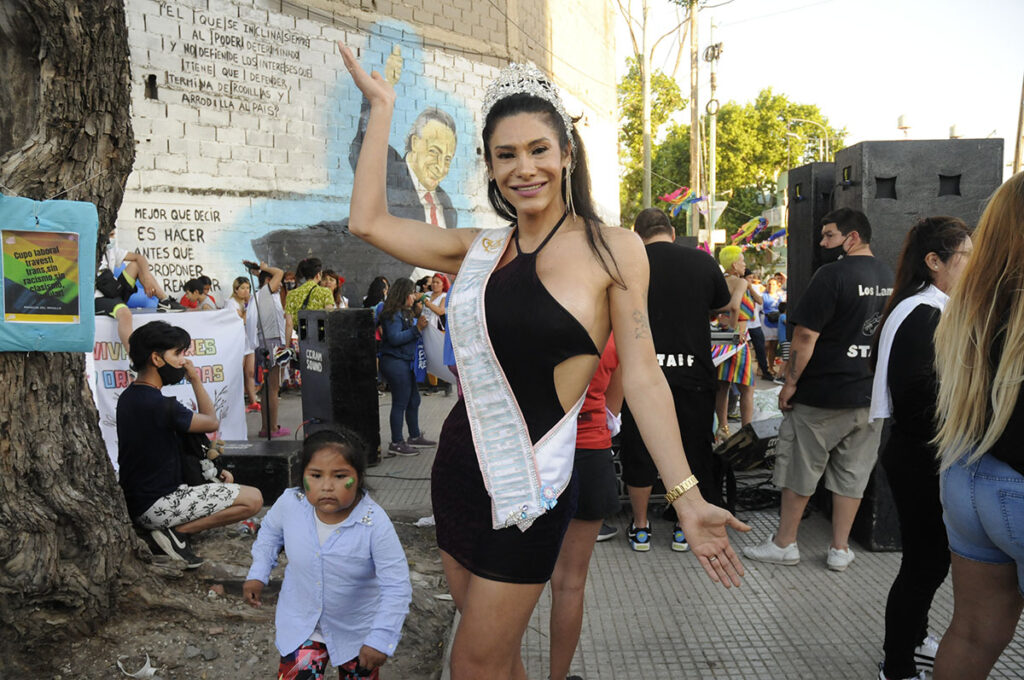
The slum march has a queen. Her name is Sofía Serrano, and she is Miss Trans Start Argentina. She says: “Being here today during Pride Month is incredibly important to me. For me, being a trans woman is a source of pride. I feel proud, and I would choose this a thousand times over, because it means facing the world head-on every day. And I do it with love and joy.”
The lesbians and queer people of the neighborhood, as they do every year, marched and chanted their slogans in front of their neighbors. For Lucia Alemán (LaChato), pride in the neighborhood means making the diverse communities that live there visible. “I’m so grateful to be here and that this is happening in the neighborhood. I hope we continue to be so united, fighting for the rights of all of us.”
“Pride of trans children from slums to transform the world”
Araceli is the mother of Jessica, a 9-year-old trans girl, and an activist with La Garganta Poderosa. She says, “Trans children from the slums are also here to transform the world as we go. Pride is everything: they are the trans aunts, the mothers of those trans girls who fight every day in the neighborhoods . The grandmothers, the aunts, the families who are behind those trans girls and families who sometimes don't have them in the neighborhood. Know this: their family is here.”
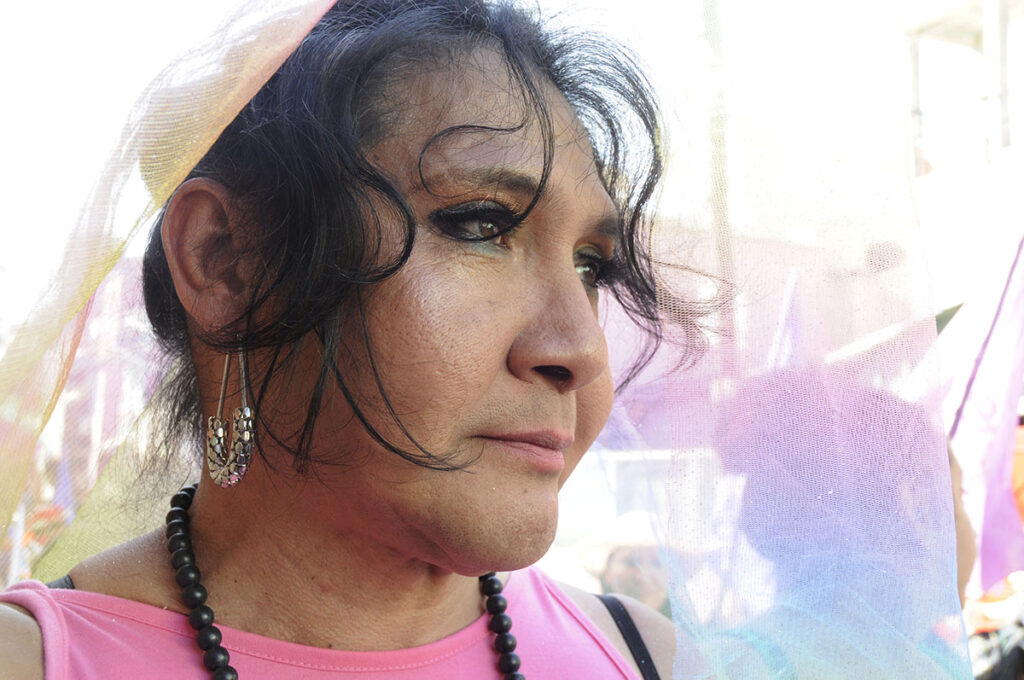
It is a source of pride to honor Ramona
The TransVilla Pride march continues its route through the community's historical landmarks, further building the trans, slum, and LGBTQ+ mystique. It does so through collective memory and struggles. Like when it passes by Ramona Medina's house, a way of continuing to exercise our collective and slum memory. There, the tribute to this slum lioness, taken from us by Covid-19, was to stop where Ramona lived and sing our slogans. To sing loudly, so that memory continues to be exercised and this never happens again.
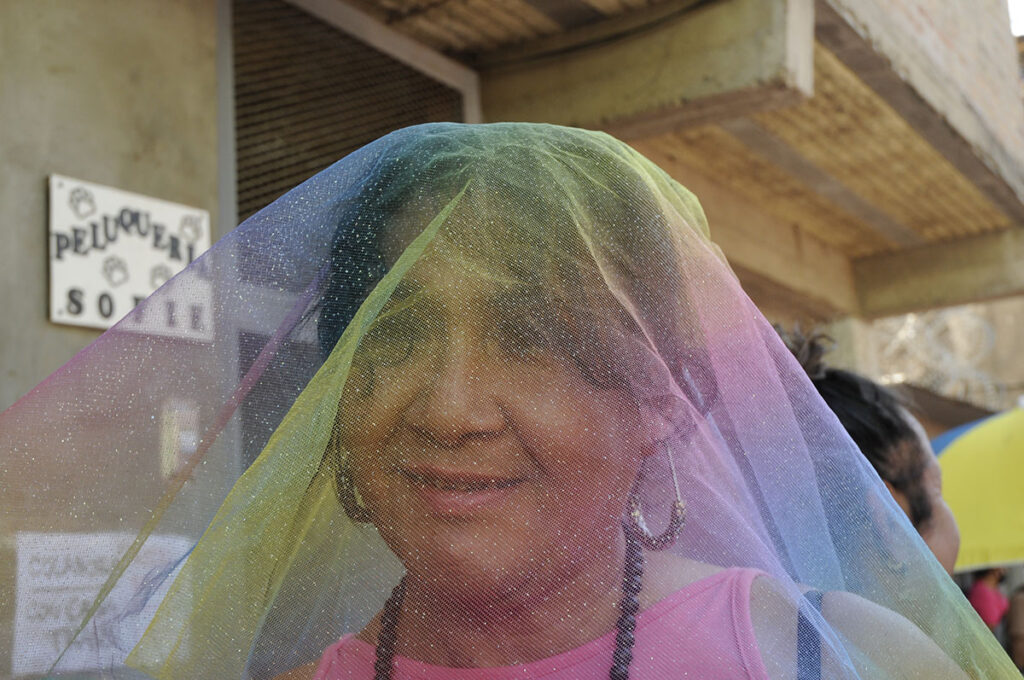
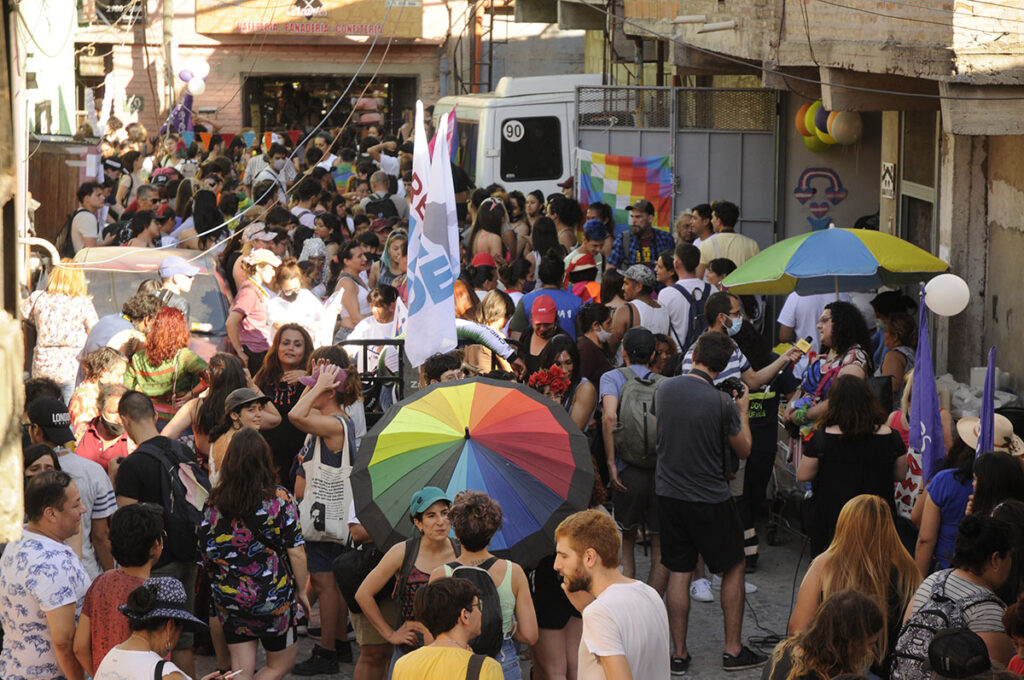
If we hug each other, the cold won't get in, and we know it. This celebration is for everyone, and our trans sisters from other neighborhoods are here too. Florencia Micaela is a trans woman from Villa 21/24 and an activist with La Poderosa. “Trans pride in the slums means a lot to me. I'm very proud to be part of my community and to come from working-class neighborhoods. The pandemic was very hard for trans women in the slums. There wasn't enough to eat. Being trans women from the slums made everything even harder. We need to be part of everything and all the discussions in our neighborhoods.”
Car horns blare in the streets of the neighborhood. The older women of the neighborhood wave and applaud the dissident bodies in a show of approval. Victoria Freire, coordinator of the Gender and Public Policy Observatory, a leading figure in Mala Junta and Patria Grande, and a key ally from the very beginning of the march, emerges from the crowd with great affection. “For me, trans pride in the slums is about reclaiming the right to be whoever you want to be and breaking with criminalization and persecution . It's about breaking with the stigmas that fall upon those who live in working-class neighborhoods and those who defy the hegemonic heterosexual norm . Trans pride in the slums is the space from which we must build another city and another way of inhabiting our sexuality, our identity, and our project of a dignified life,” Victoria concludes.
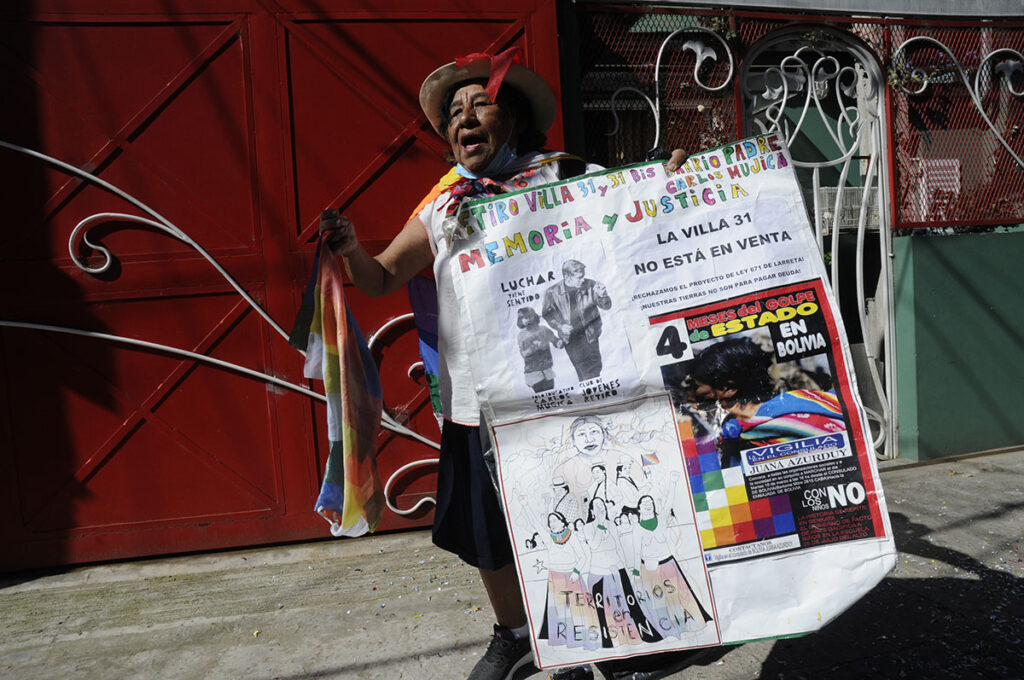
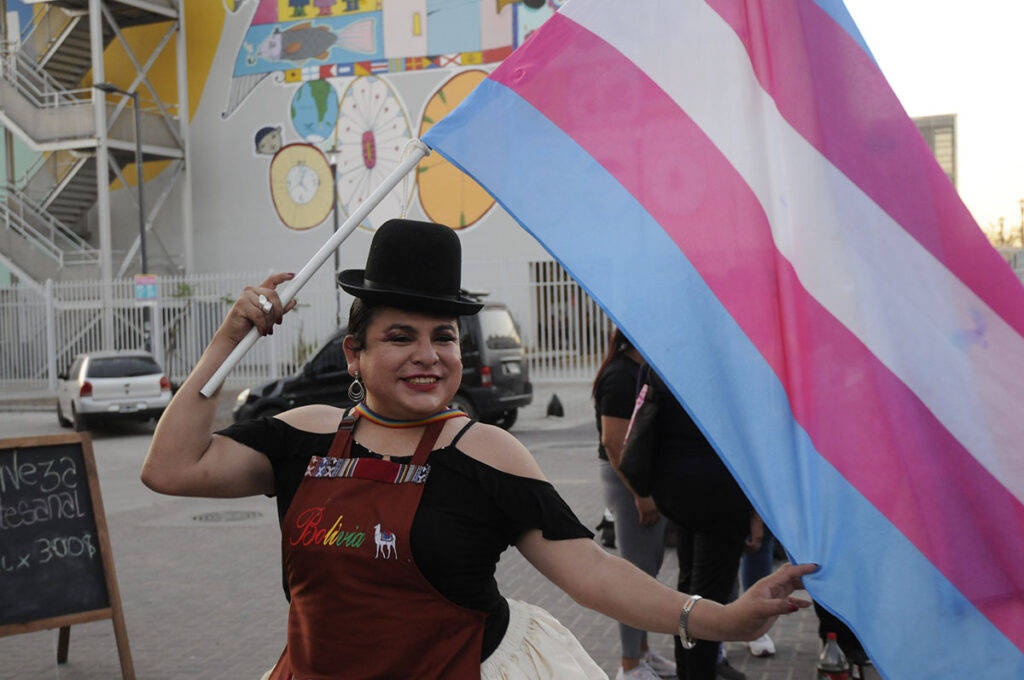
As the march nears its end, the stage awaits us where the document will be read. We dance and sweat with Sudor Marika and Karen Pastrana. The crowd begins to gather, and the great Quirquiña Montero, a Bolivian drag queen, arrives dressed in traditional cholita attire.
“I arrived in Argentina in 2011, so I’ve been here for ten years now. It’s a wonderful country; I found freedom here. I came out as a trans woman. Being invited to this Trans Pride March in the shantytowns makes me happy; it resonates with me. I believe that some people have the honor or the grace of God or the timing of their lives to be able to study, while others of us weren’t given that opportunity for various reasons. We didn’t have someone to give us that push,” she says. “So I believe that the law guaranteeing trans rights shouldn’t come from those with professions, it shouldn’t come only from those who are well-spoken. We have to build a society where it’s understood: you are trans, and you have to be included. Not just those who are nurses, sociologists, doctors, or lawyers: we are all part of this society.” And she illustrates, “A building is also built of bricks. In a house without bricks, the cold gets in. And there are many holes in this building of Argentine laws. Trans women from the slums are those bricks that will cover you up and that sometimes will be a wall for others to take refuge in. I want to be a brick that blocks the cold from a sister,” she concludes.
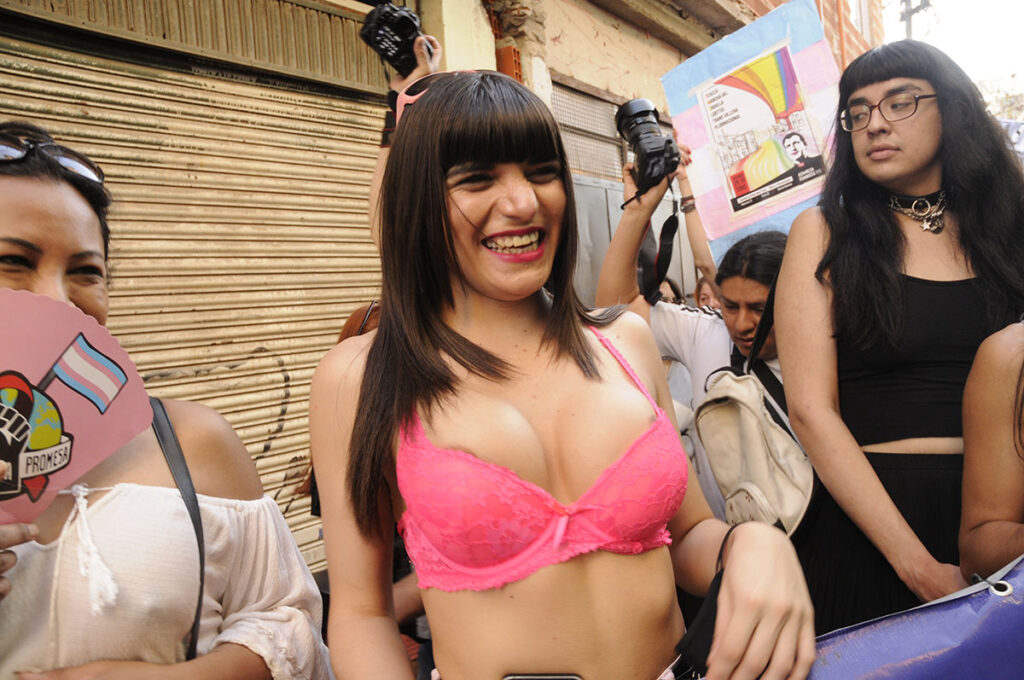
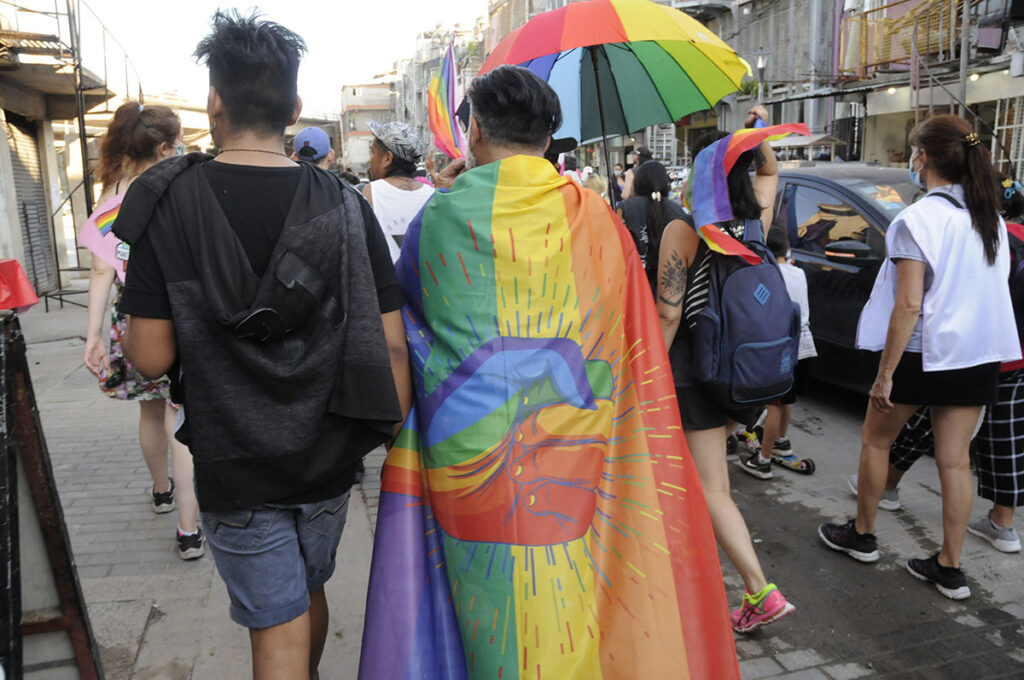
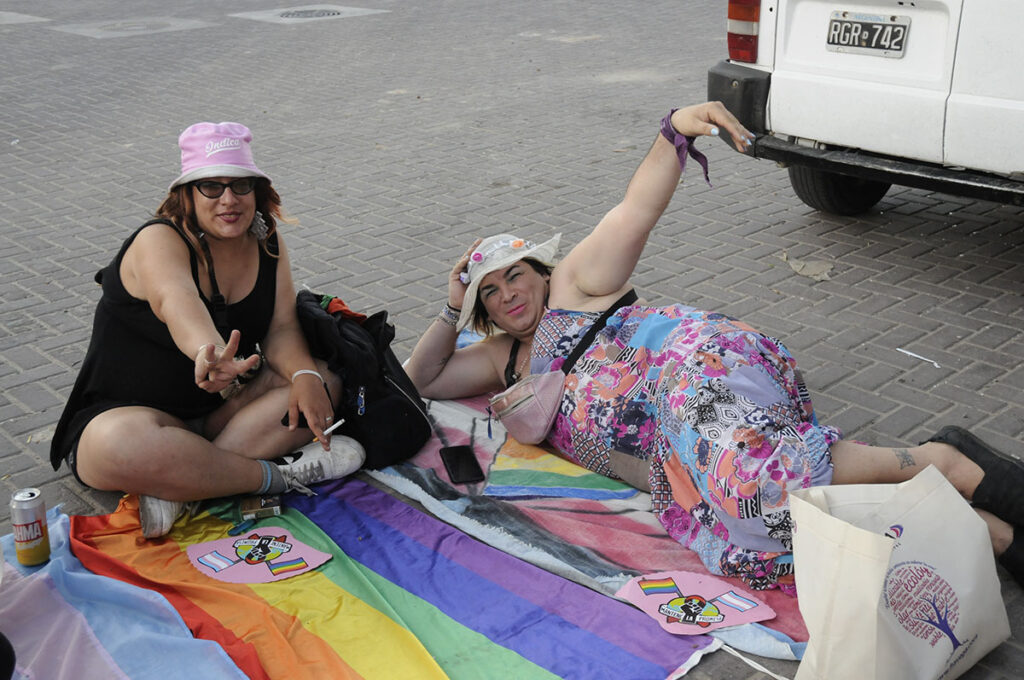
Night falls, and the younger ones and the curious, somewhat timidly, approach to dance and join the shantytown celebration. A celebration that belongs to them too, perhaps without realizing that the Trans-Slum Pride March is the first diversity march in the shantytowns of this city and this country.
Every year I return home with my heart overflowing with emotion after the trans women's march in the village, as if searching for colorful crayons to continue drawing the rhythm of my community's steps. And when this year's march ends, the queens and their assistants return to the box, just like the religious leaders and onlookers return to their homes. "See you next year. Trans fury!"
We are present
We are committed to journalism that delves into the territories and conducts thorough investigations, combined with new technologies and narrative formats. We want the protagonists, their stories, and their struggles to be present.
SUPPORT US

FOLLOW US
Related notes


We are present
This and other stories are not usually on the media agenda. Together we can bring them to light.
1 comment