

"Me, a girl, me, a princess": the story of the first trans girl to change her ID card has arrived in theaters
It is the world's first fictional work on the topic of transgender children and is based on the true story of Luana. In 2013, "Lulú" was a pioneer in Argentina in achieving recognition for her transgender identity on the National Identity Document (DNI).


Share

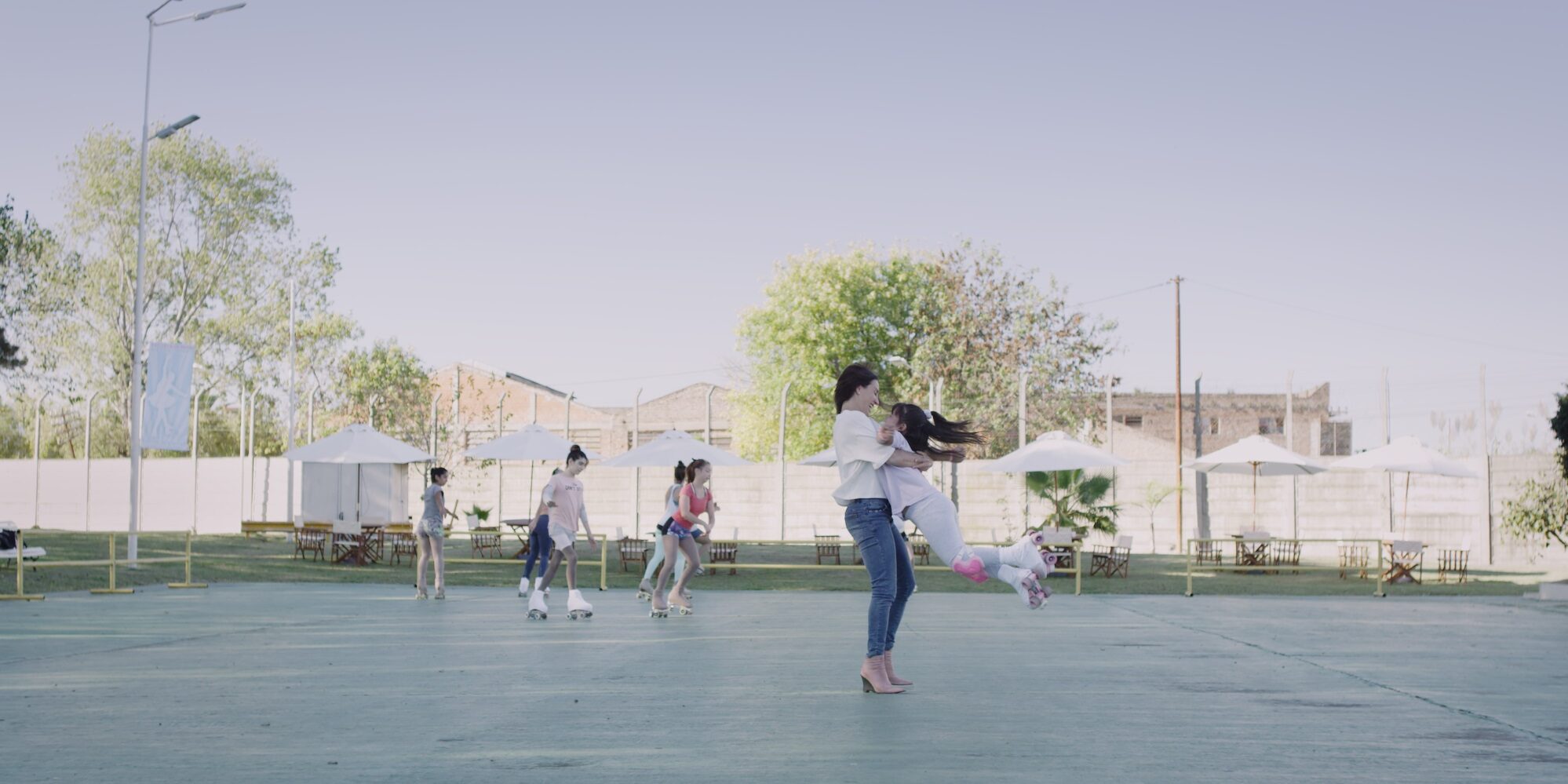
It is the world's first fictional film about transgender children and is based on the true story of Luana. In 2013, "Lulú" was a pioneer in Argentina in obtaining a National Identity Document (DNI) that reflected her gender identity, without having to take legal action. The film, directed by Federico Palazzo, is an adaptation of the book by Gabriela Mansilla, Luana's mother and an activist.
“Yo nena, yo princesa” tells the story of a mother’s struggle, first within her family and then in public life, to defend the rights of her trans daughter. It portrays the lack of understanding from doctors and psychologists who operate from a biological and pathologizing perspective. In this way, the film shows the experiences of transvestite and transgender people, their constant battle against societal expectations, and the importance of LGBTQ+ activism.
Throughout the film, the lack of public policies to support families in the early years is highlighted. It also reveals the difficulties in accessing education, healthcare, emotional support, leisure, and recreation, ultimately concluding that, in our society, the problem is structural and requires the collective creation of safe living spaces that do not endanger lives.
The film is a critical essay and a profound reflection on prejudices and established knowledge, raising the debate about the need to break with this cis-heteronormative, patriarchal and binary world, in order to think about forms of education that embrace diversity and normalize the "abnormal".
“It’s a love story that challenges the very notion of love itself, and the idea of family that is ingrained in society. They’re going to start rethinking what it means to be a man, what it means to be a woman. They’re going to encounter a girl who will not only open their minds. It’s a film that defends, from a very young age, ‘who I am’ against all the obstacles presented by this sexist, patriarchal, capitalist, binary, and biological culture, and it’s going to raise many questions. We long for the empathy and respect with which we envisioned this project,” Gabriela Mansilla told Presentes.
Building a character through love
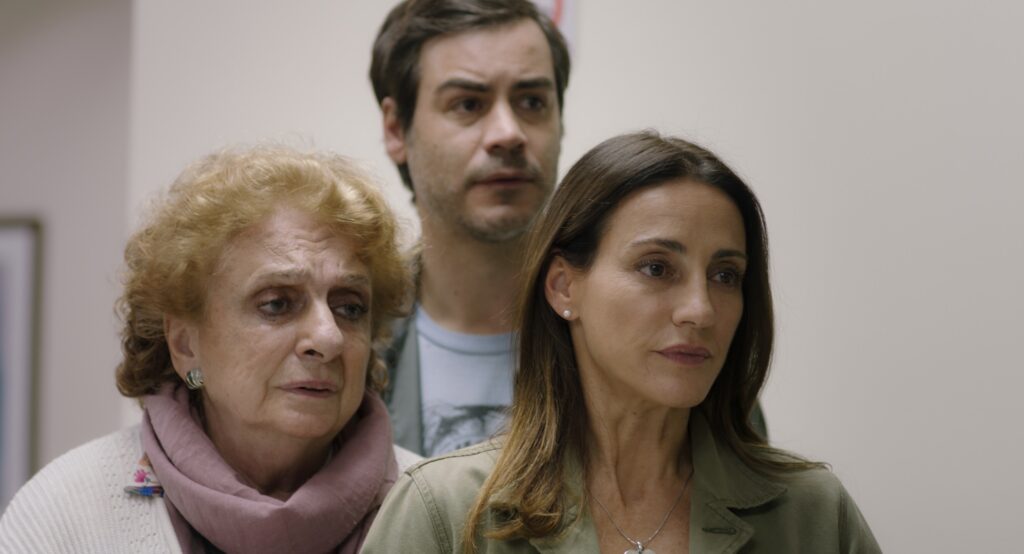
Actress Eleonora Wexler, who plays Luana's mother in the film, told Presentes:
“It’s historic in the world to address the story of a trans girl like Luana, especially one starring another trans girl like Isabella. It’s a huge social commitment because of everything there is to tell, to say, and to raise awareness about. Talking about trans children was truly a challenge; it meant entering an unexplored world, and I consider myself a very open-minded person, and suddenly I was confronted with all of this that exists and that I didn’t know.”.
To develop her character, she met with Luana and Gabriela at their home. She had planned to stay for an hour, but the meeting lasted four. “The challenge of the film has to do with educating through love and what it means to enable listening, with accompaniment, with what self-perception is and what it means, what happens in the early years of those childhoods, the importance of the family role there and the importance of identity to be able to have a place in society, and for that I had to be able to dialogue with them, it was absolutely necessary,” the actress added.
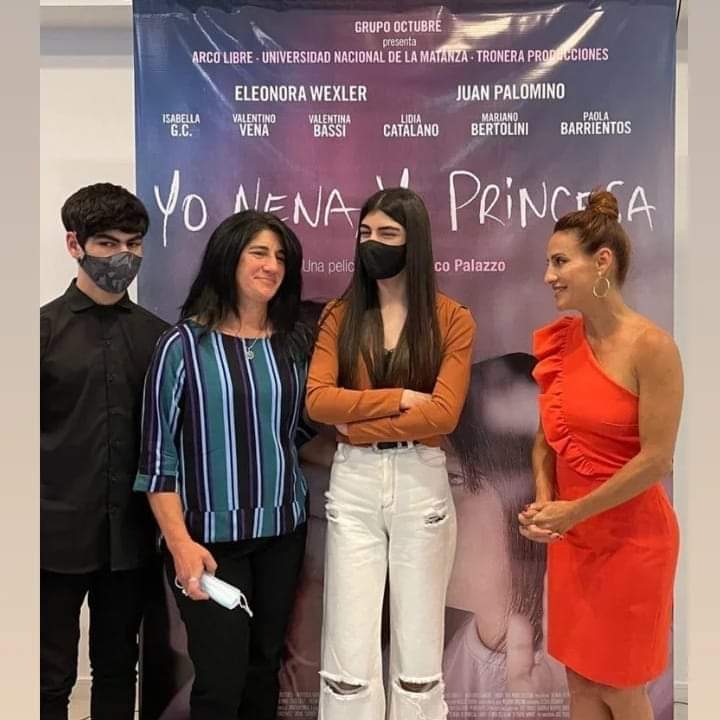
The cast included Wexler, Juan Palomino, Isabella G. C, Lidia Catalano, Valentina Bassi, Valentino Vena, Mariano Bertolini, Paola Barrientos, among others.
The Story of Lulu
The story begins in 2009, three years before the Gender Identity Law was passed. Luana's case became public in 2013, when Gabriela Mansilla spoke to the media about what she and her daughter were going through. That same year, after a sustained struggle, Luana received her national identity document (DNI) from her mother at an event attended by the then Chief of Staff of Buenos Aires Province, Alberto Pérez, and the late leader of the Argentine Homosexual Community (CHA), César Cigliutti.
Today, Gabriela is the founder and president of the Civil Association Free Childhoods. She defines herself as an activist for trans and gender-diverse children and adolescents. She is also a writer, speaker, and mother of twins Luana and Elías. Four years ago, the production company “Tronera” contacted her to adapt her book into a film.
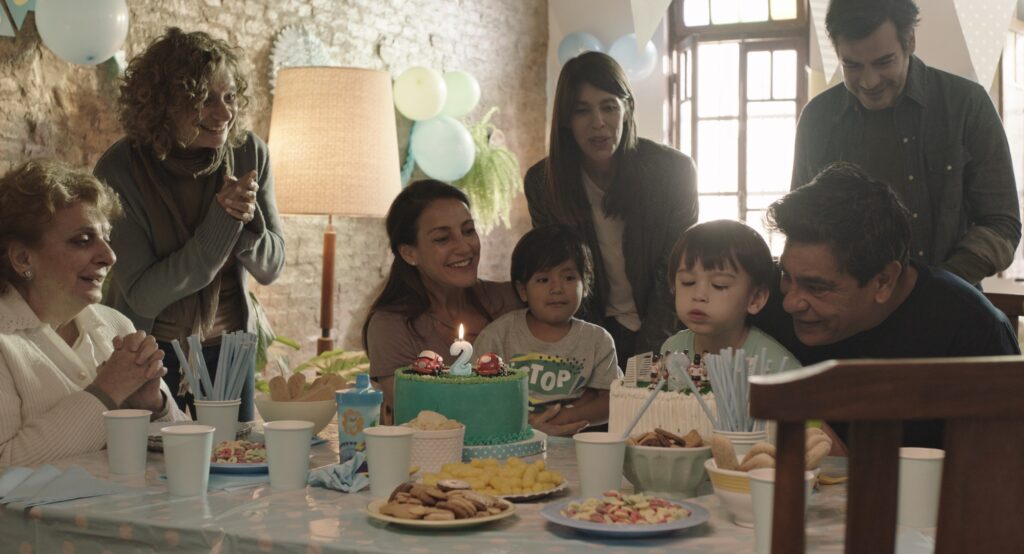
“I think it’s an important project, and there was great sensitivity and willingness on the part of the team. It was a learning experience for the entire cast, the technical team, and everyone involved because we had to understand what was going to be told and from what perspective, considering that it’s a contemporary story,” Gabriela told Presentes.
Luana was 6 years old when she received her National Identity Document; today she is 14. Her visibility helped other children: after this, 1400 children processed it in the country and we also managed to put a great debate on the political agenda.
“Yo nena, yo princesa” was produced by Grupo Octubre, Arco Libre, Tronera Producciones, and the National University of La Matanza. It was declared of Cultural Interest by the National Ministry of Culture, the National Ministry of Education, and the Cultural Authority of the Province of Tucumán.
We are present
We are committed to journalism that delves into the territories and conducts thorough investigations, combined with new technologies and narrative formats. We want the protagonists, their stories, and their struggles to be present.
SUPPORT US

FOLLOW US
Related notes



We are present
This and other stories are not usually on the media agenda. Together we can bring them to light.