

Transgender people demand that the Paraguayan judiciary recognize their identities
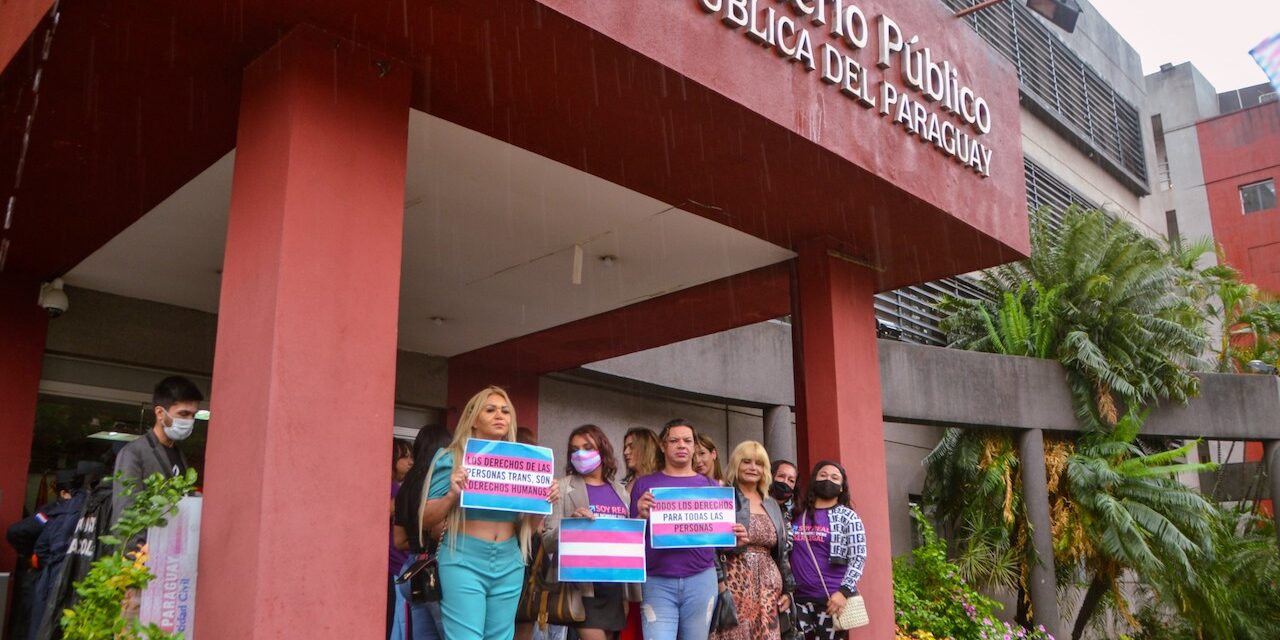
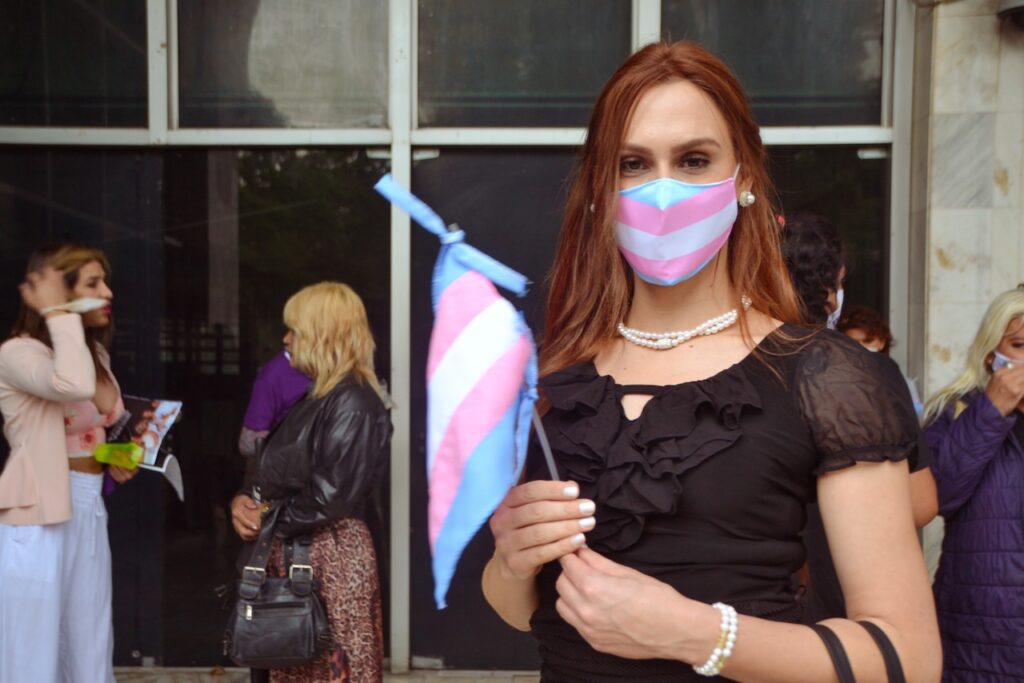
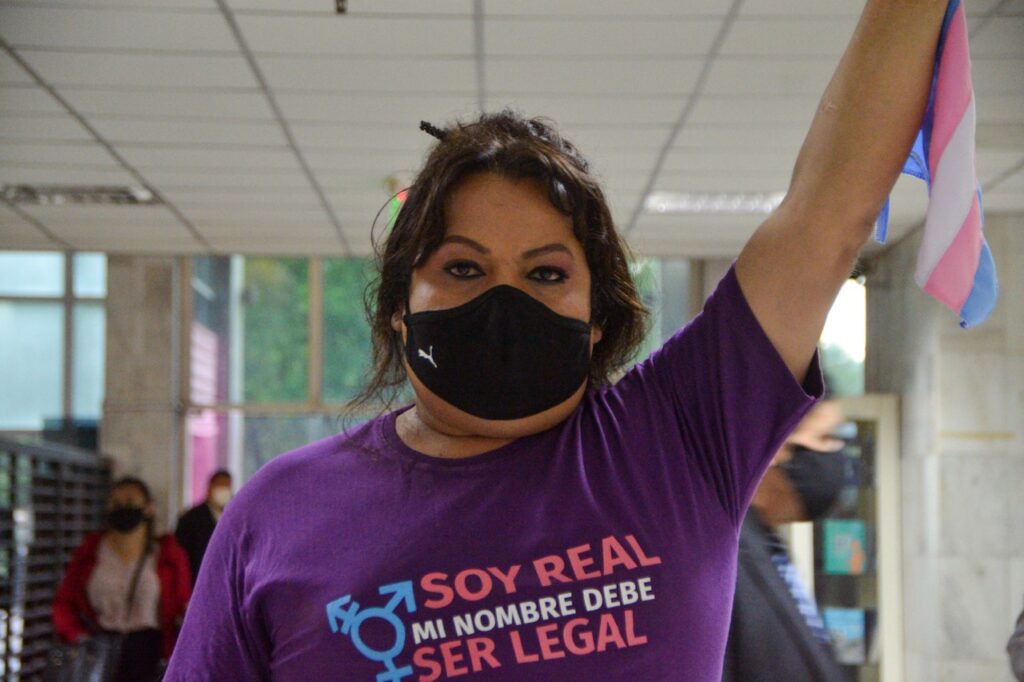
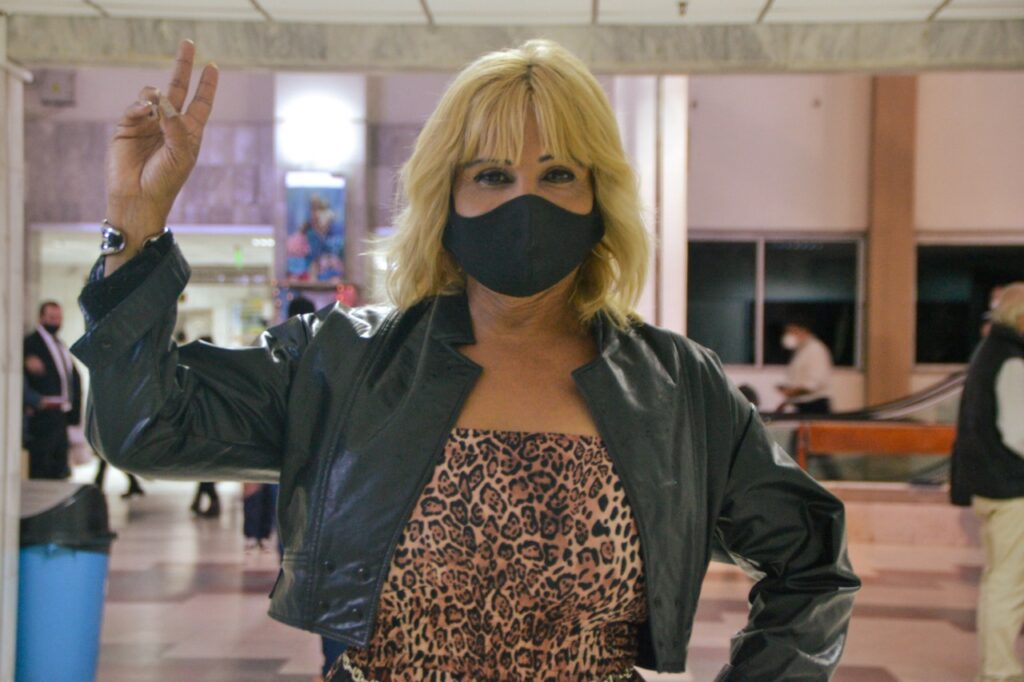
Ten trans people demonstrated this morning in front of the Paraguayan Judiciary to demand the approval of their name change as part of the campaign “I am Real #MyNameMustBeLegal”.


Share

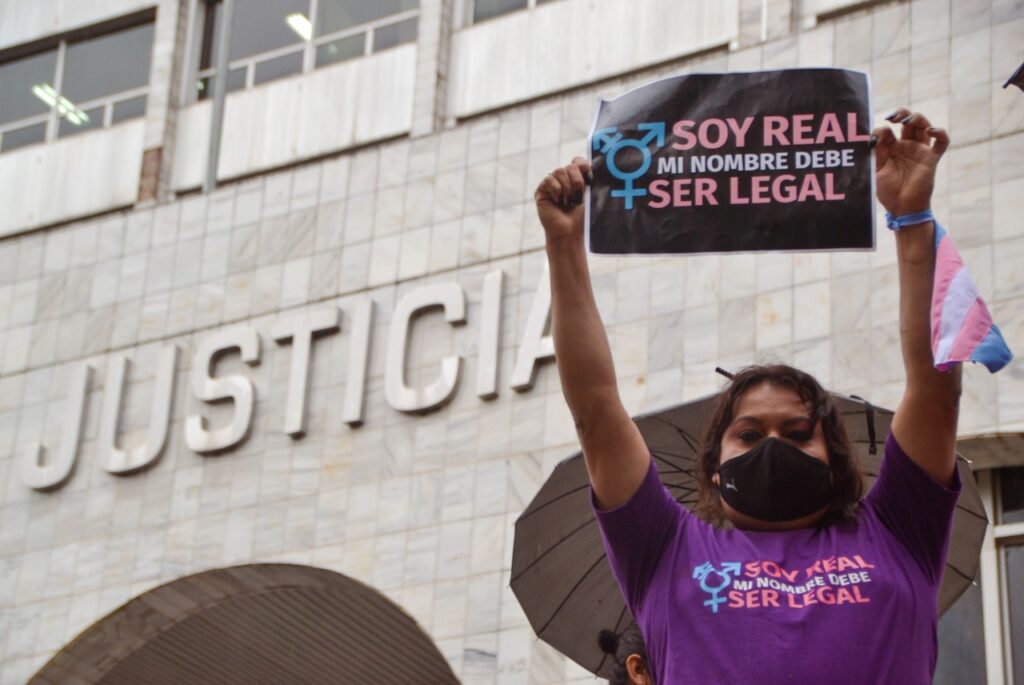
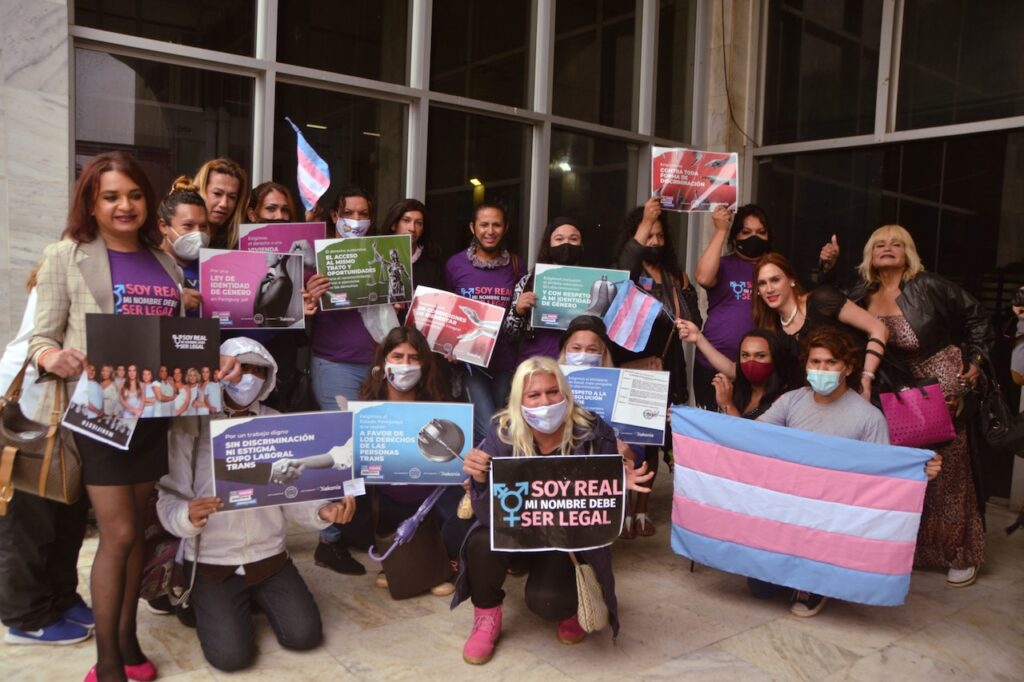
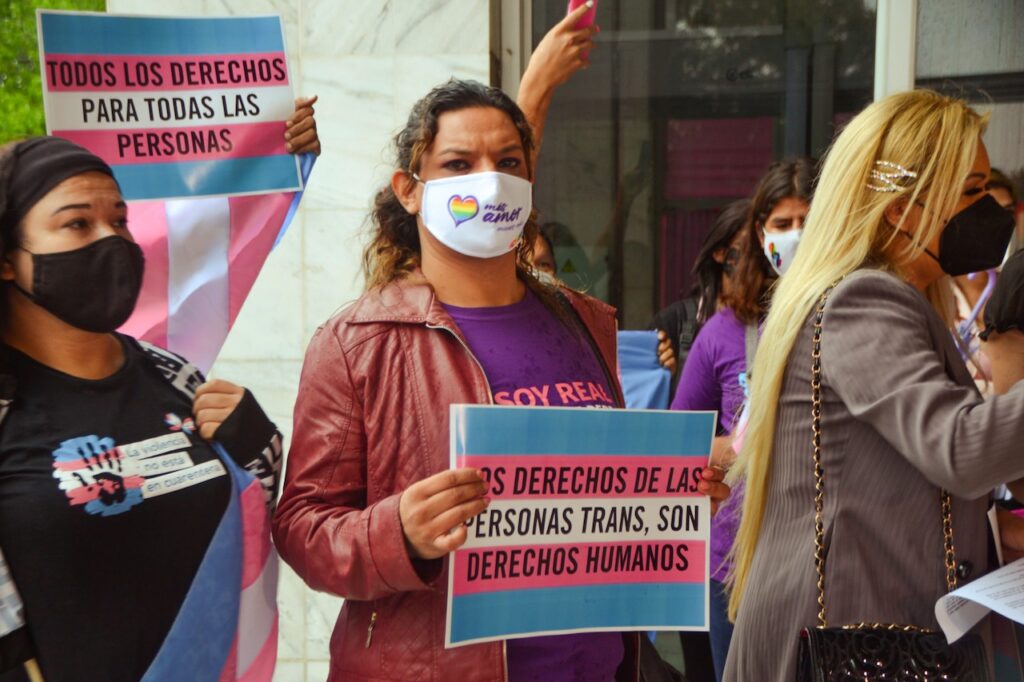
Ten transgender people protested this morning in front of the Paraguayan Supreme Court to demand the approval of their name changes. The campaign, “I Am Real #MyNameMustBeLegal,” aims to secure legal recognition for transgender people's chosen names. It is supported by Amnesty International Paraguay, the Paraguayan Human Rights Coordinator (Codehupy), and the Panambi Association.
The complainants come from various parts of the country: the capital, the Central Department, Caaguazú, Alto Paraná, and Amambay. For years they have been working collectively to assert their rights. One of these rights is that their personal documents reflect the name by which they identify. The procedure established by law should not take more than three months.
Article 42 of the Civil Code specifies that judges must authorize changes or additions to a name or surname and grants the right to request name rectification through legal channels by invoking "just cause." Kimberly Ayala was the first transgender lawyer in Paraguay ; last year she had to be sworn in using her birth name.
Activists making history
In December 2016, Mariana Sepúlveda and Yren Rotela filed a petition in an Asunción court to change their names on their official documents. Five years have passed since they initiated the process, and they have yet to receive a favorable ruling. In May 2017, Civil and Commercial Court Judge Julia Rosa Alonso granted Yren's request to change her name. In a landmark decision, Rotela became the first transgender woman to obtain Supreme Court approval to change her name on her identity card. The case was then referred to the Supreme Court for further review.
Trans people in Paraguay victims of violence
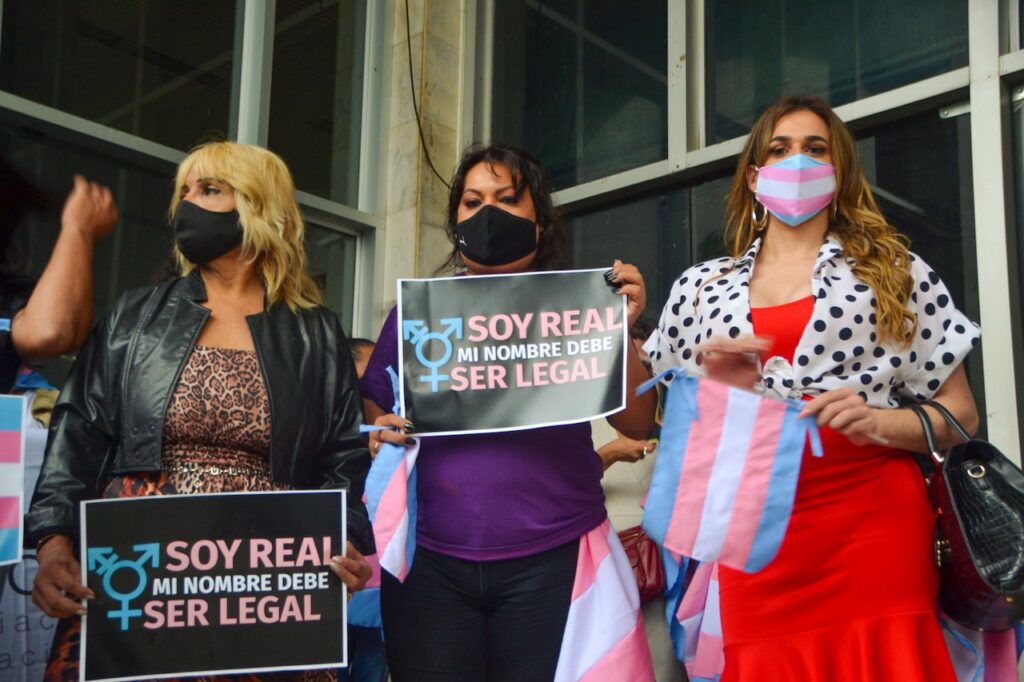
“We have been fighting for access to human rights for all people. Trans people in Paraguay are victims of violence, discrimination, exclusion, and systematic violations of all our human rights. Many trans people have been murdered, excluded from their homes, and denied access to justice, housing, and education,” says Kimberly.
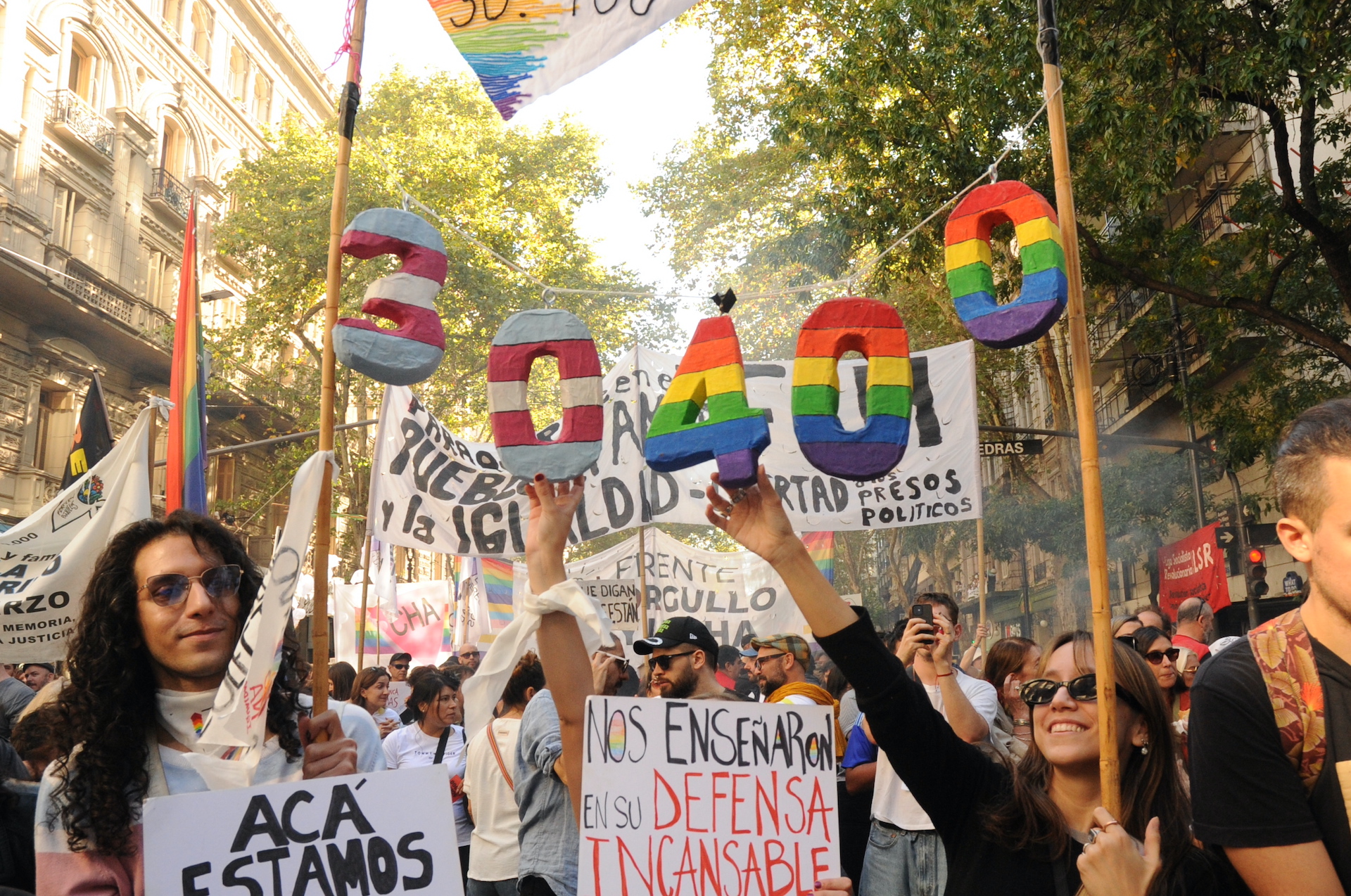
Lacking access to education, training, and skills development, sex work is currently the primary means of survival for transgender people. All of these factors contribute to a life expectancy of only 35 to 40 years for transgender individuals. Legal name change is essential for the recognition of their existence and their integration into Paraguayan society.
"The State refuses to respect and recognize us."
“Trans people, as citizens of the Republic of Paraguay, defending our autonomy, our freedom, and our essence, stand firm and united to fight against inequalities and social injustices. We are not a danger, but rather we are in danger,” Kimberly explained to Presentes.
Iris Leticia Brítez, from the organization Actuando in Pedro Juan Caballero, states: “As long as the State denies us this right, it will remain directly responsible for all forms of violence that trans people experience throughout our lives. Access to name change is the primary and fundamental way for trans people to achieve greater dignity from the State and society.”
The complainants and human rights organizations traveled from the Palace of Justice to the Attorney General's Office in Asunción. There, Attorney General Sandra Quiñónez was scheduled to meet with them to discuss the name change. However, after waiting for an hour, she refused to see them.
“The recognition and respect of our name is fundamental to our human development. This will help the Paraguayan State guarantee the right to identity as expressed in Article 25 of the Constitution. Meanwhile, as long as the State refuses to respect and recognize our name change and protect our lives, trans people will continue to be forced to survive in hostile spaces and environments,” Iris states.
We are present
We are committed to journalism that delves into the territories and conducts thorough investigations, combined with new technologies and narrative formats. We want the protagonists, their stories, and their struggles to be present.
SUPPORT US

FOLLOW US
Related notes


We are present
This and other stories are not usually on the media agenda. Together we can bring them to light.