

The Inter-American Court of Human Rights declared the Honduran State guilty of the transfemicide of Vicky Hernández
In an unprecedented decision, the Inter-American Court of Human Rights declared the State of Honduras guilty of the murder of trans activist Vicky Hernández.


Share

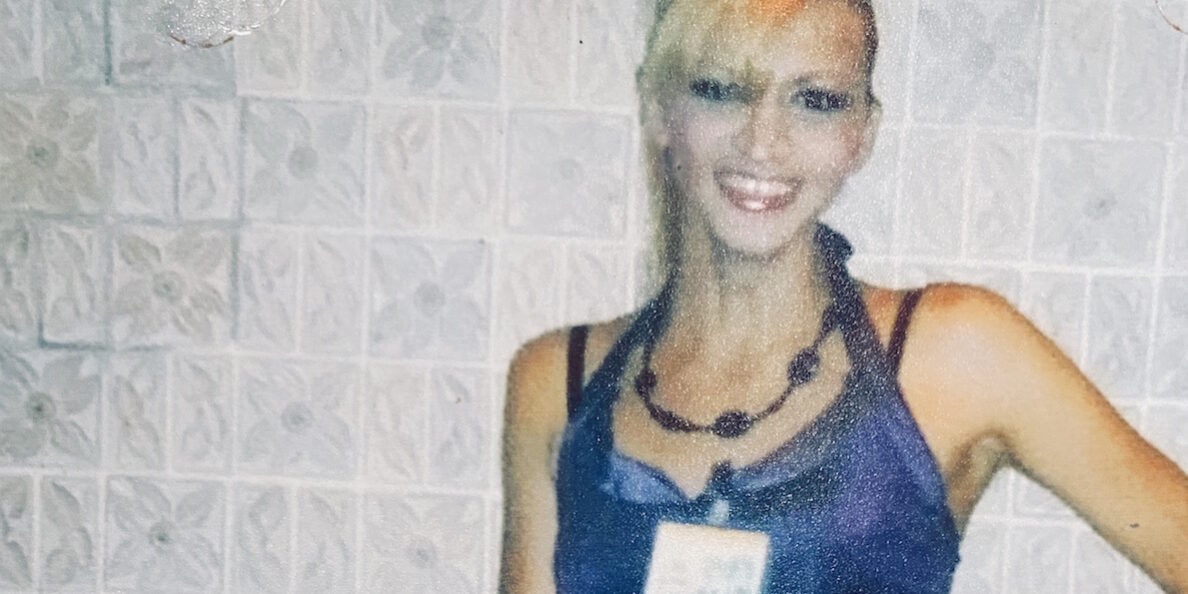
In an unprecedented decision, the Inter-American Court of Human Rights found the State of Honduras guilty of the murder of trans activist Vicky Hernández, which occurred on the night of June 28-29, 2009. The crime took place exactly 12 years ago, during a curfew imposed after the coup that ousted Manuel Zelaya and installed the de facto government of transportation magnate Roberto Micheletti. This ruling is a landmark in the history of justice in the country and for LGBTIQ+ communities in Latin America.
The case reached the Inter-American Commission on Human Rights (IACHR) following a petition filed by Cattrachas on December 23, 2012. Years later, the US-based organization Robert F. Kennedy Human Rights joined the defense. The hearings were held virtually.
What is being reported?
Vicky Hernández survived on the streets of San Pedro Sula by working as a sex worker. She was also a well-known activist with Unidad Color Rosa, a trans women's organization in that Honduran city.
On the night of June 28, she went out into the street, unaware of the curfew. That same night, Zelaya was taken from his house at gunpoint. The following morning, Vicky was found dead on a street in the Ruiz neighborhood, in northeastern San Pedro Sula. In the darkness of that night, the only people out and about in the city were members of the Honduran security forces.
The autopsy—carried out much later because the victim was denied that possibility at the time due to her gender identity and because she lived with HIV—revealed that Vicky was murdered with a firearm, according to a document from the Inter-American Commission on Human Rights (IACHR) issued in December 2018.
A 2010 amnesty decree protects those responsible for institutional violence. The lawsuit sought to overturn it in order to identify the chain of command behind the murder of the Honduran trans activist .
“It is alleged that the death of Vicky Hernández occurred in two relevant contexts. On the one hand, the alleged context of violence and discrimination against LGBT people in Honduras with a high incidence of acts committed by the public forces and, on the other hand, the alleged context of the coup d'état that occurred in 2009,” says the text with which the IACHR announced the news in September 2020.
With fear, but without backing down
The night Vicky was killed, her companions ran to escape death. But in the end, the witnesses who managed to flee were killed. “I still told Vicky, ‘Run, run, run,’” one witness told Rosa, Vicky’s mother. “When we turned around, we didn’t see Vicky, we only heard the gunshots.”.
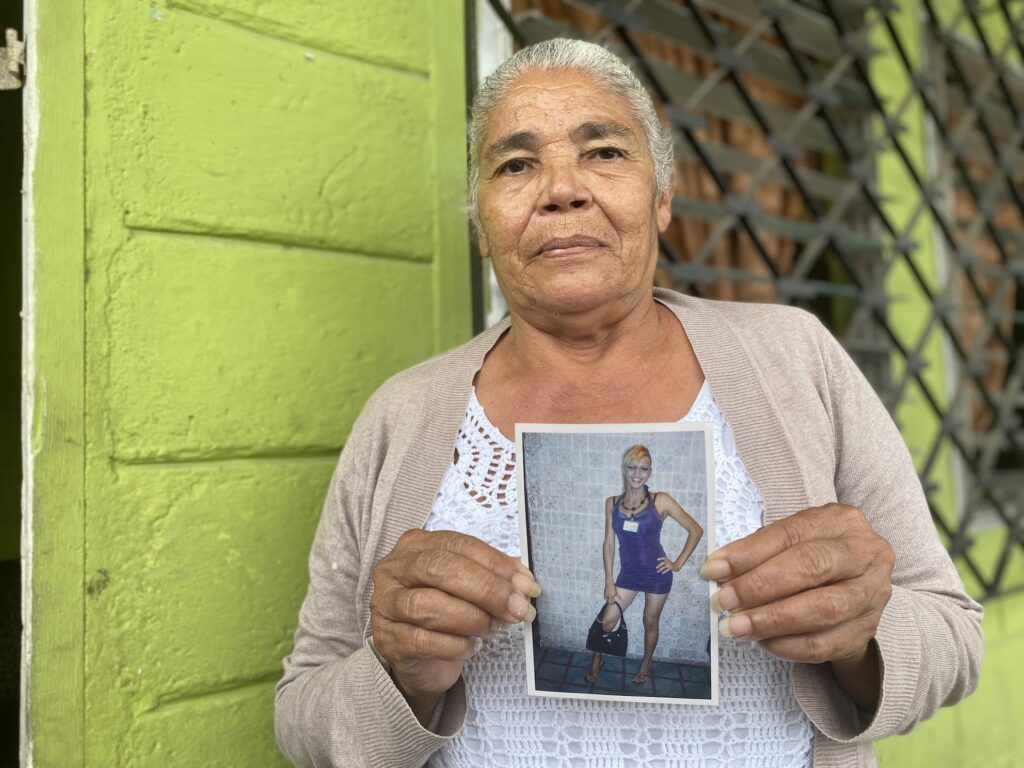
“They killed Lisa and the other one,” Rosa recalls. “There were no witnesses left, but I was assured that the police had killed Vicky.”.
“When we were at the hearing at the Inter-American Court of Human Rights, I received a call from the DPI,” Rosa recounts, her voice breaking. DPI is the acronym for the Honduran Police Directorate of Investigation, and the call, according to Rosa, was intended to intimidate her and make her abandon her desire to seek justice at the Inter-American Court of Human Rights hearings.
“I was scared because they kill people and they don’t even know who [does it]. That’s why I’ve been in a state of anxiety. I’m scared because maybe you have a lawsuit against the State and they’ll want to ruin you [kill you] because for them, a person’s life is worthless.”.
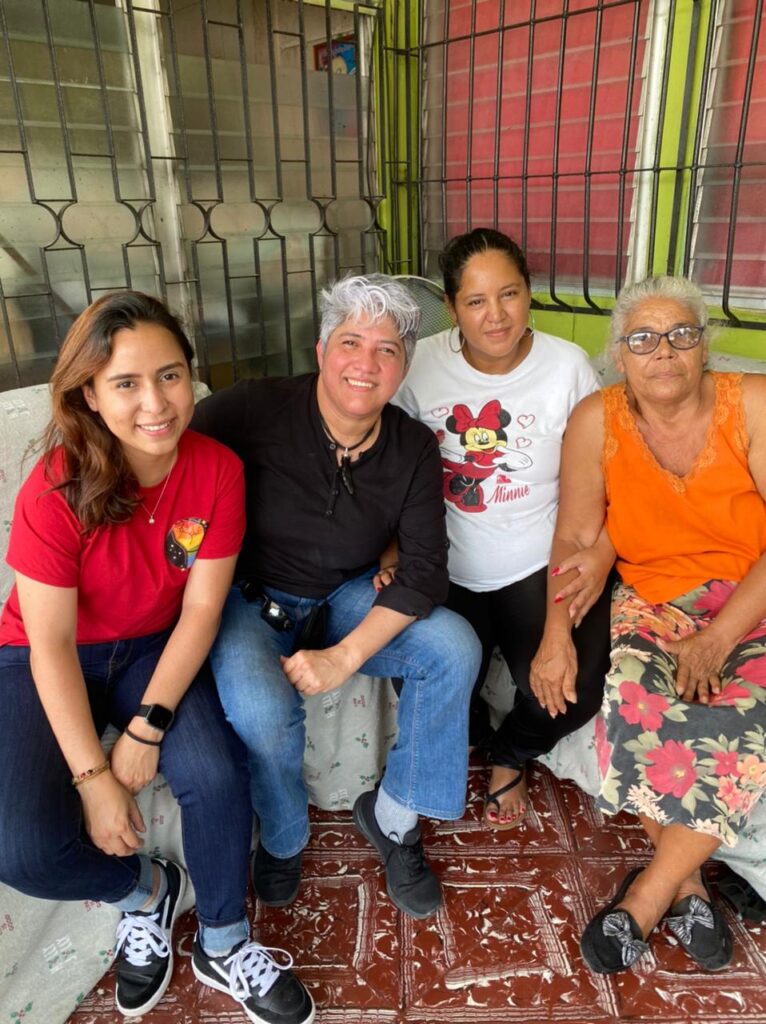
But with the help of Cattrachas and the other organizations that support them, Rosa and her family have found the courage to tell their story and continue fighting for over a decade. “They told me to fight and fight so that Vicky’s death doesn’t go unpunished,” Rosa says with a defiant look.
We are present
We are committed to journalism that delves into the territories and conducts thorough investigations, combined with new technologies and narrative formats. We want the protagonists, their stories, and their struggles to be present.
SUPPORT US

FOLLOW US
Related notes

We are present
This and other stories are not usually on the media agenda. Together we can bring them to light.