

The transvestite trans job quota is now law in Argentina
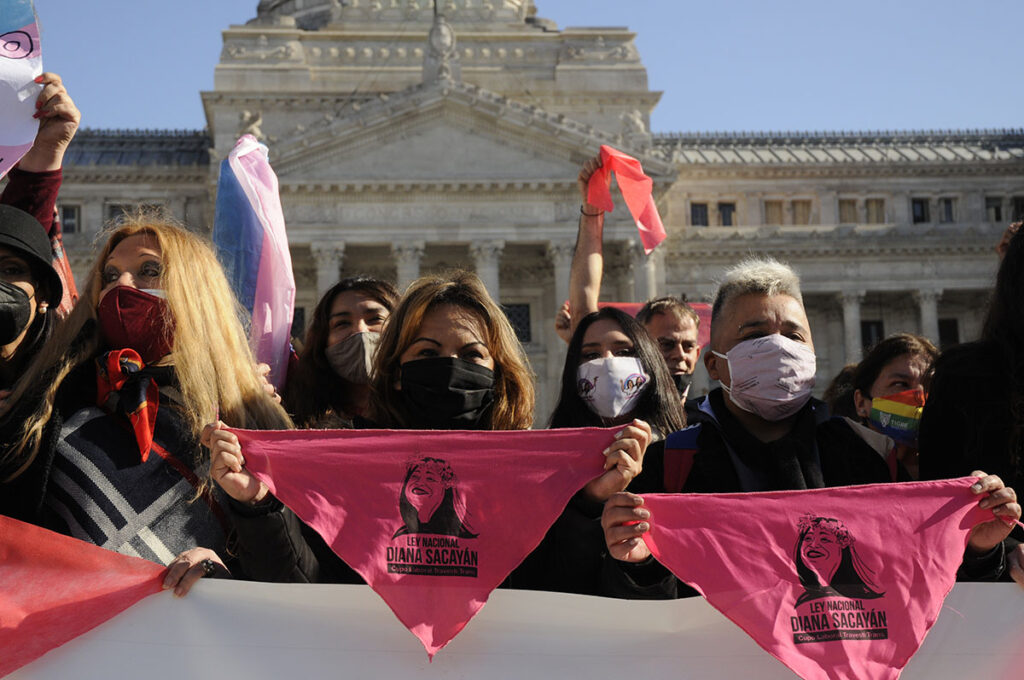
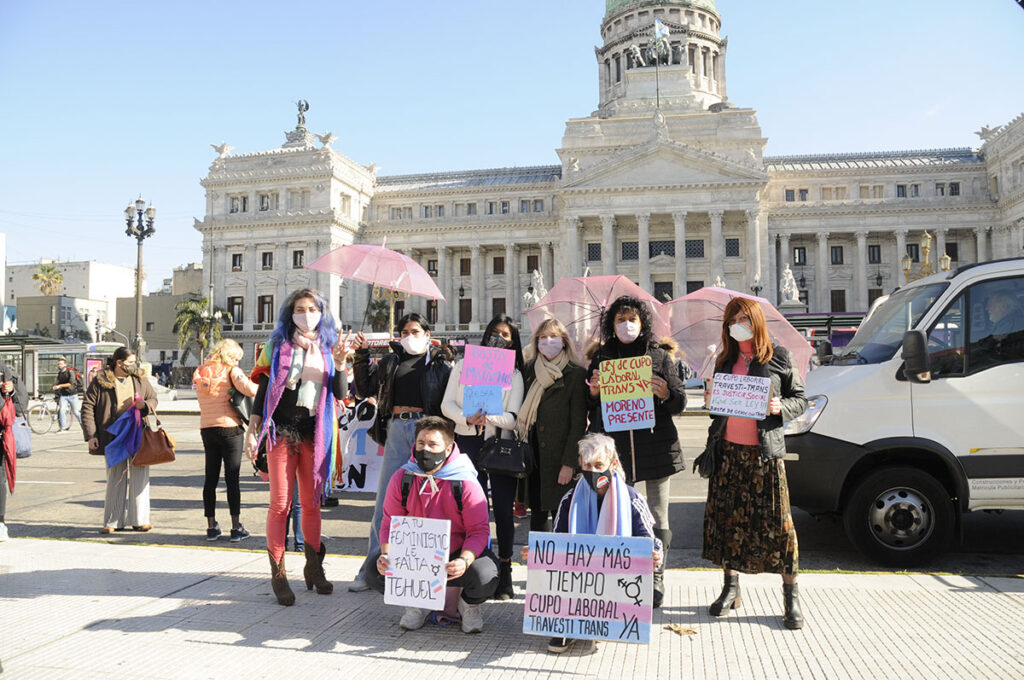
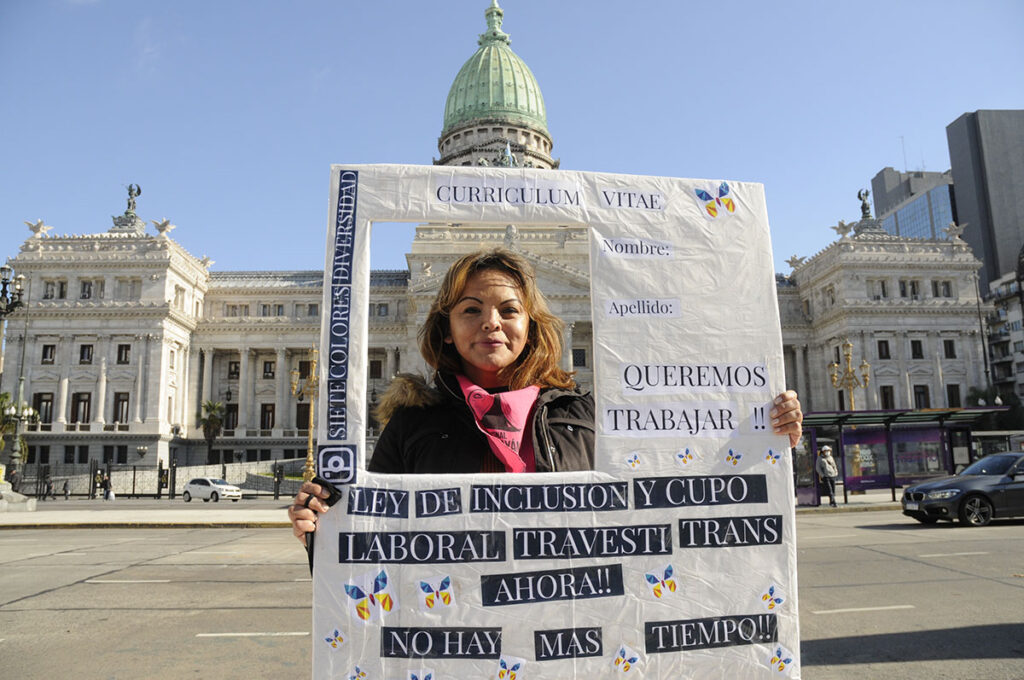
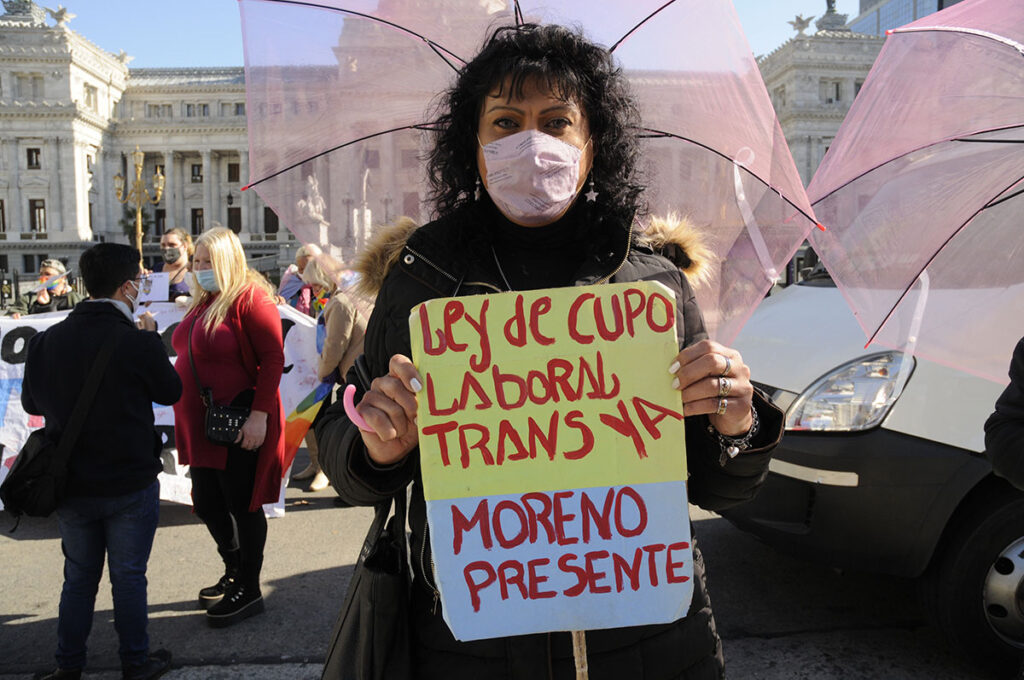
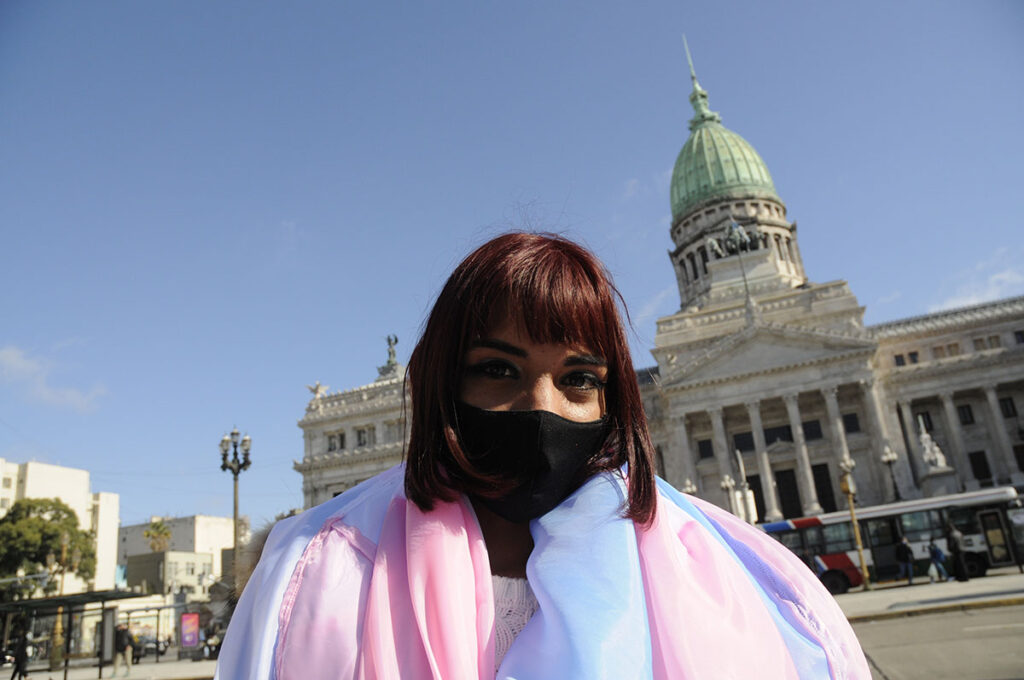
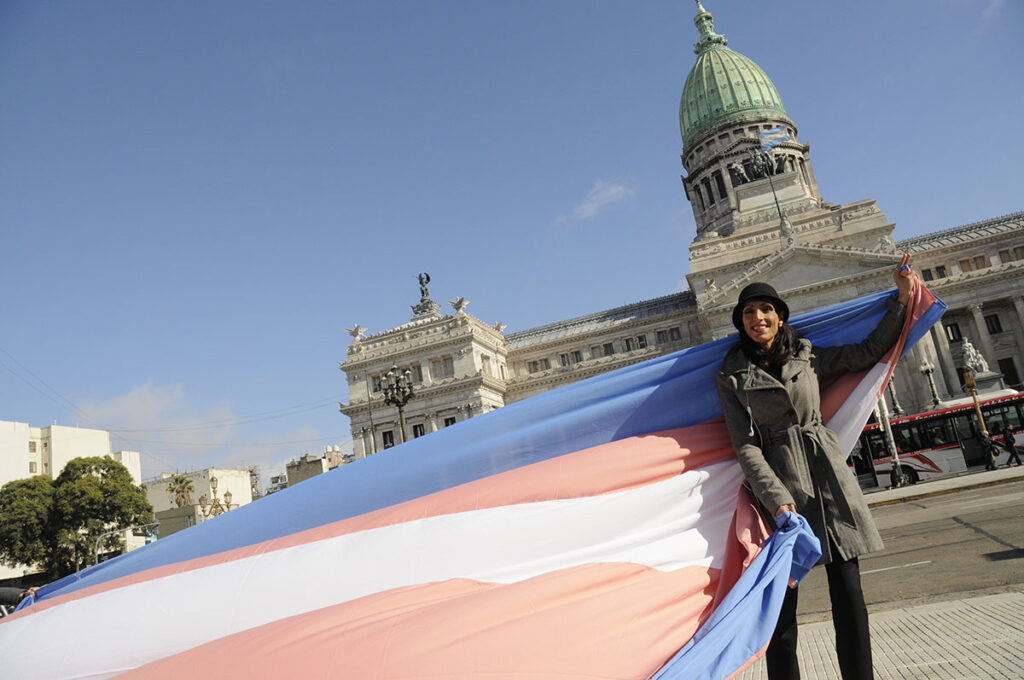
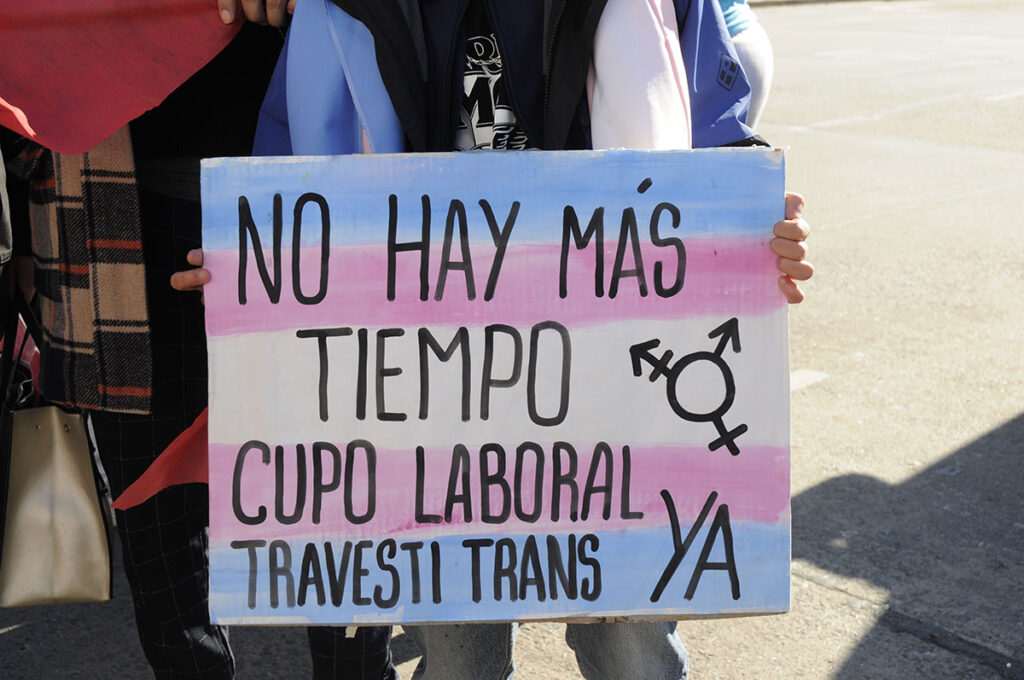
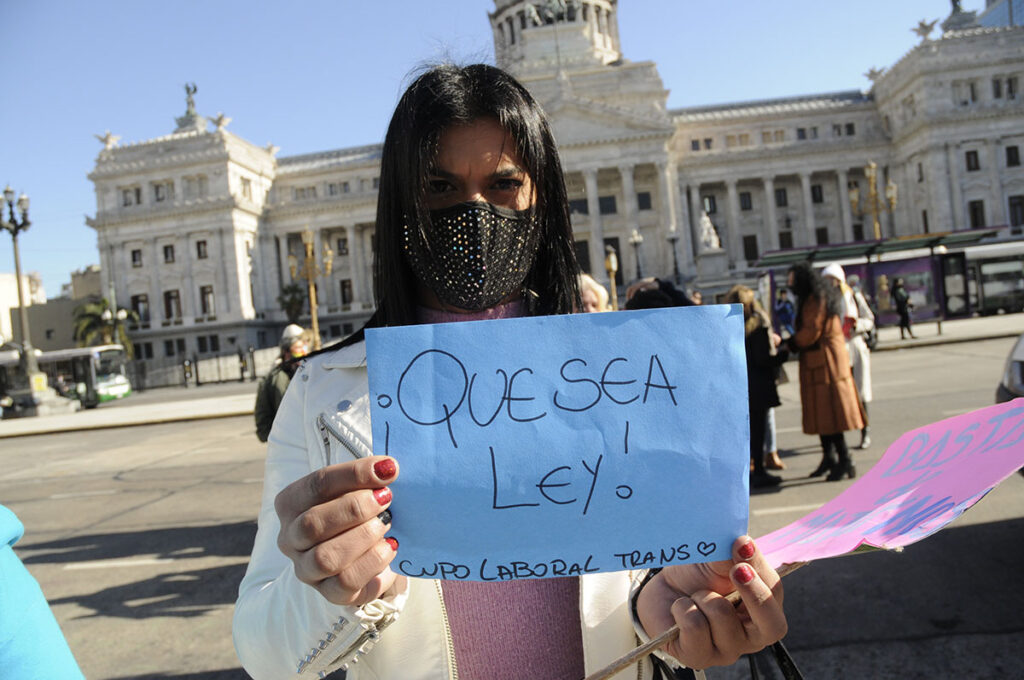
The Senate of Argentina turned into law a debt and a historic demand: the Transvestite Labor Quota and Inclusion Law “Diana Sacayán – Lohana Berkins” is a pioneer in the world.


Share

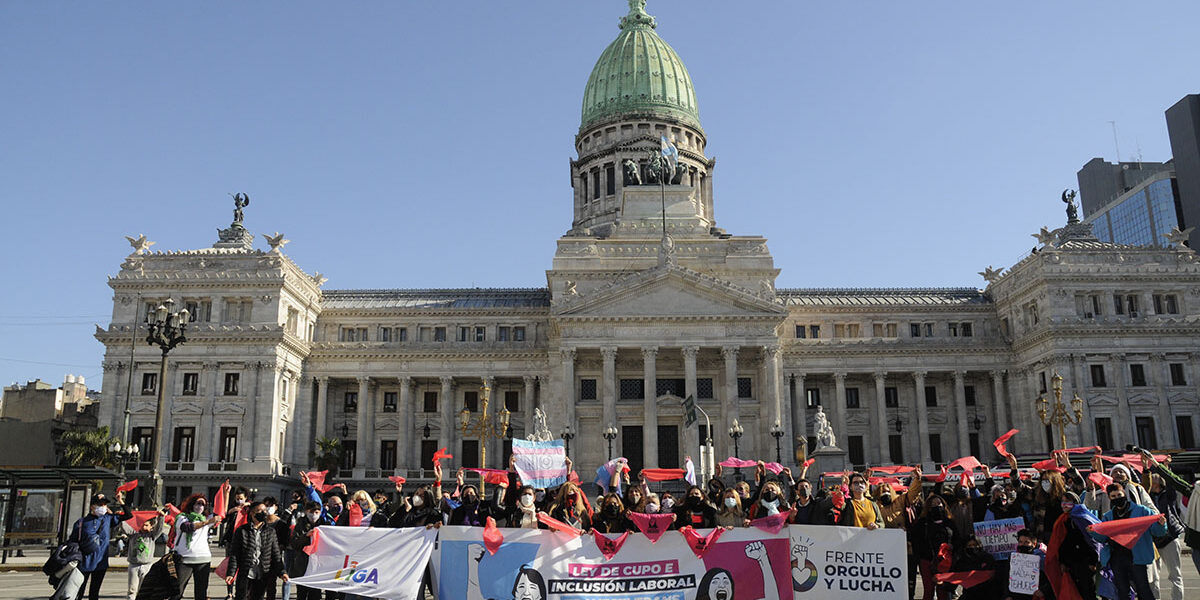
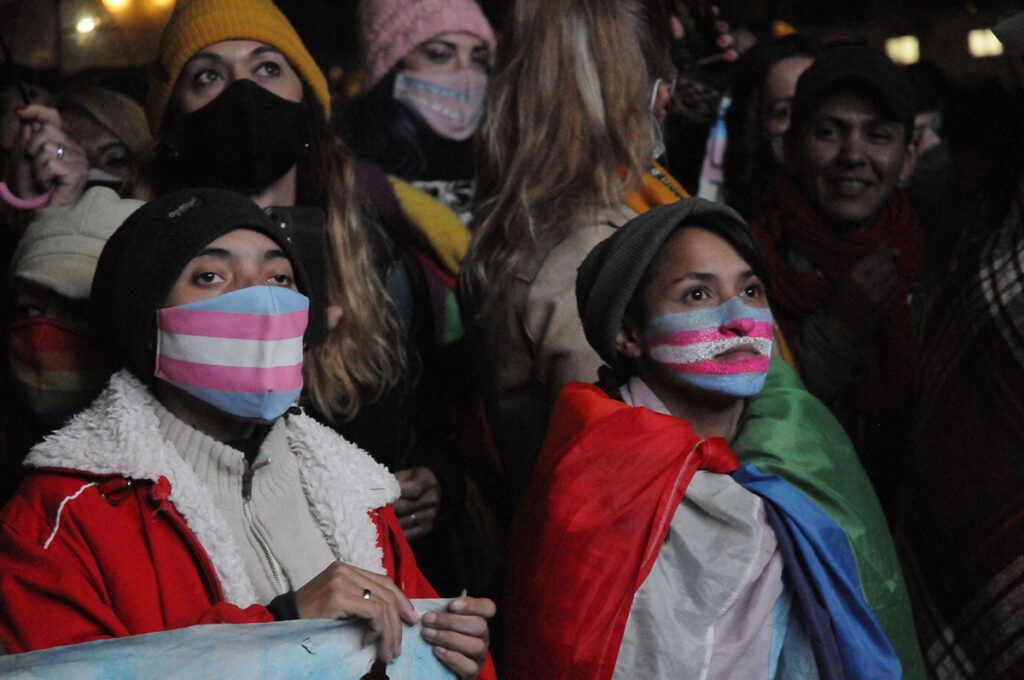
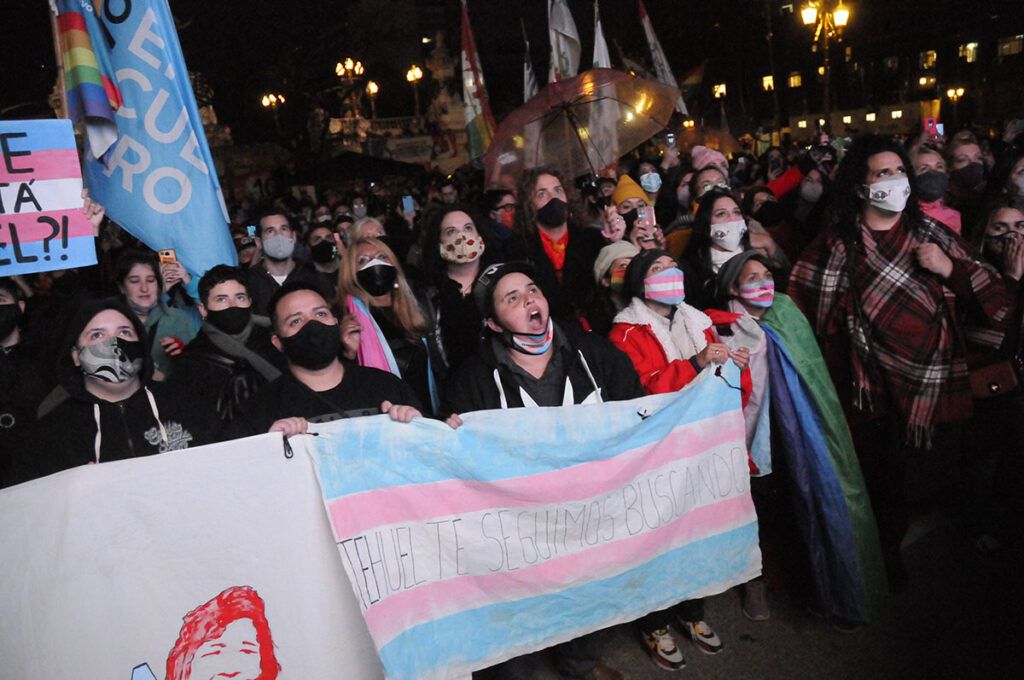
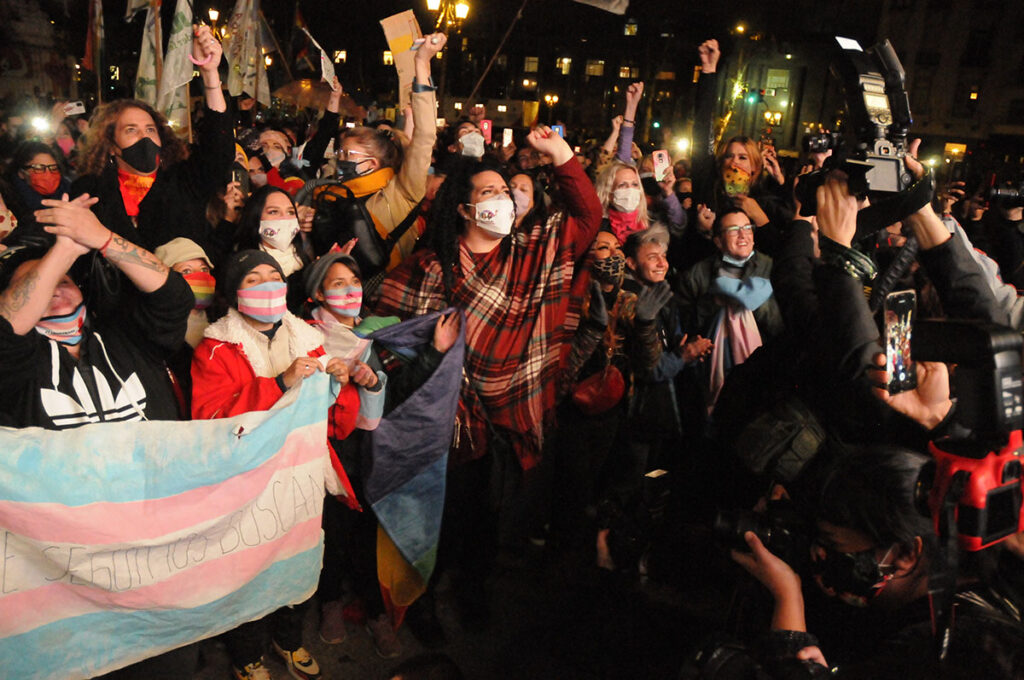
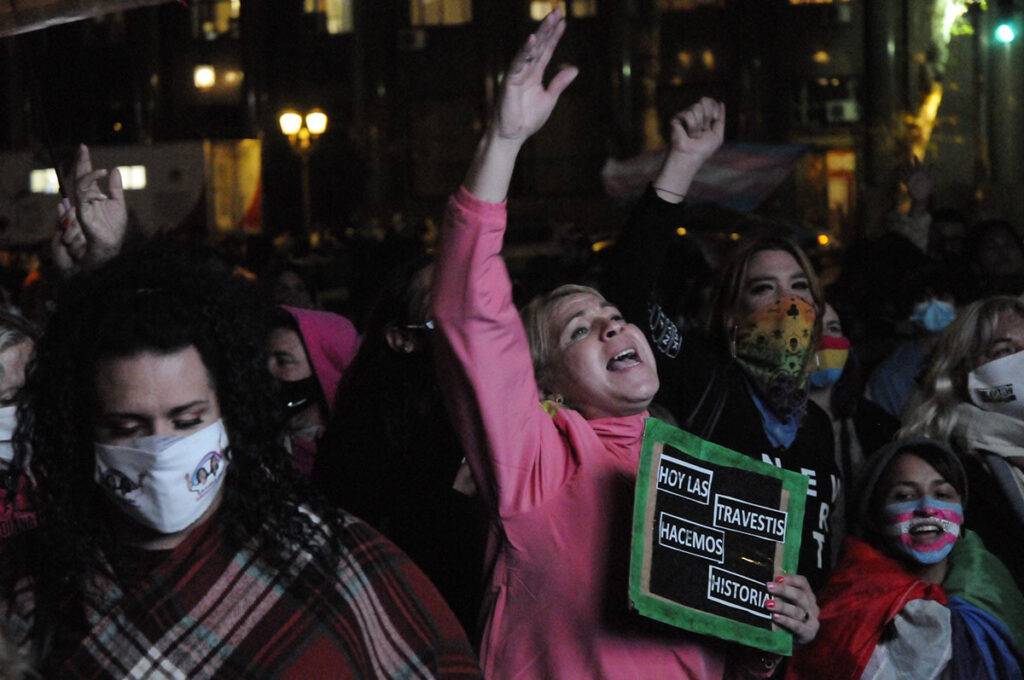
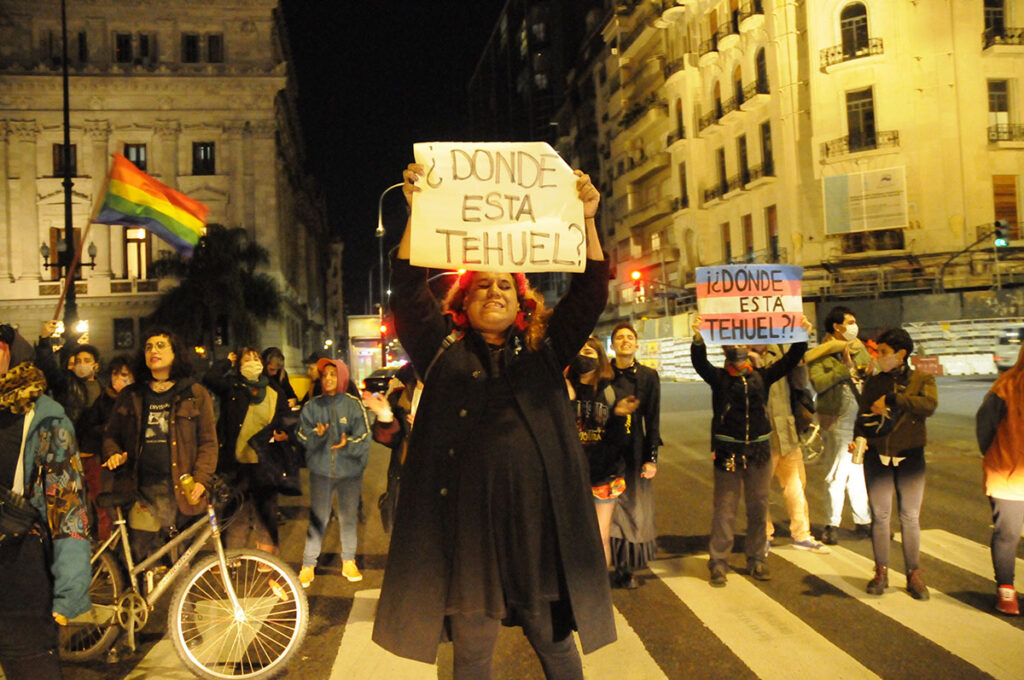
What for years was a long-standing demand has finally become law. By a majority vote of 55 in favor, 1 against, and 6 abstentions, the Argentine Senate approved the Transgender and Travesti Labor Quota and Inclusion Law “Diana Sacayán – Lohana Berkins.” The bill was the result of intensive work by LGBTQ+ organizations, who finally succeeded in getting it debated in the Chamber of Deputies on June 8, 2021, where it received preliminary approval (207 votes in favor, 11 against, and 7 abstentions), and in the Senate today.
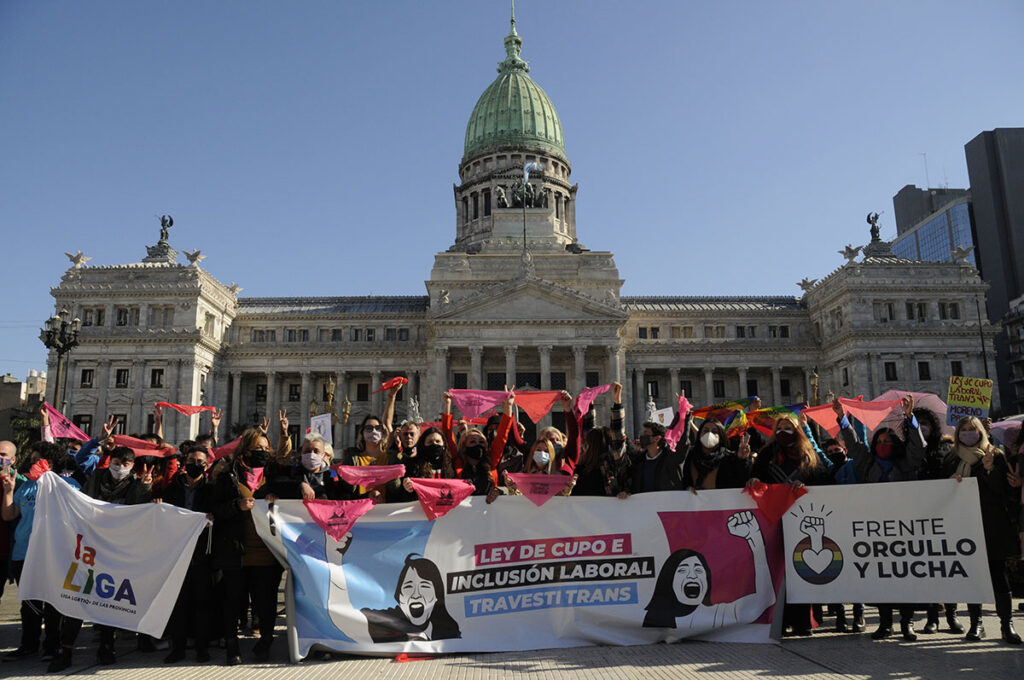
The session, which began shortly after 2 p.m. and was opened by Vice President Cristina Fernández de Kirchner, lasted several hours and featured 12 senators who spoke, all in favor of the bill. Several of them cited Lohana and Diana, as well as the life stories of other transvestites and trans people. Some apologized for the state's "late response." They also emphasized that simply enacting inclusion into law is not enough: a cultural shift and a commitment from the private sector are needed.
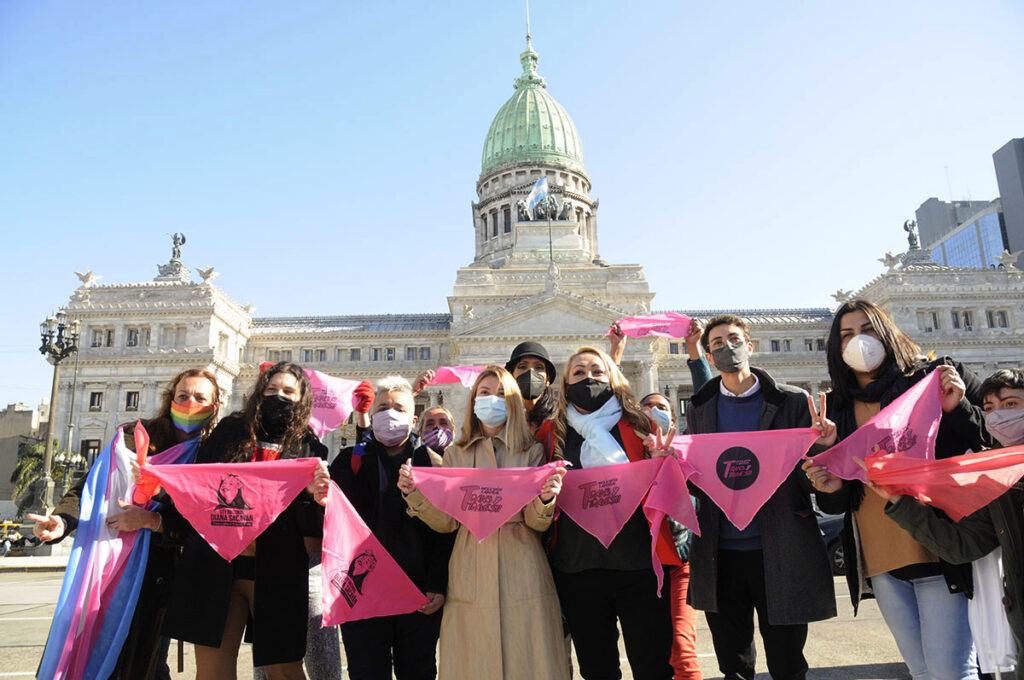
“The trans and travesti quota and inclusion law is thanks to activism and an unprecedented political alliance. The Gender Identity Law was a springboard in 2012 for demanding more rights. Work is a fundamental pillar of human development. Trans and travesti people were excluded from all fundamental human rights; today, Congress understood that it had to change our destiny of violence and death. I am sure that this access to formal, decent employment will have an impact on our life expectancy. We especially thank Representatives Gabriela Estévez, Vanesa Siley, Mónica Macha, and Cristina Álvarez Rodríguez,” commented Marcela Tobaldi, founder of the La Rosa Naranja Civil Association and member of the Pride and Struggle Front.
The Pride and Struggle Front, along with the LGBTIQ+ League of the Provinces and the Argentine Trans and Travesti Federal Network, had been working intensively on the project at the legislative level with national deputies Mónica Macha, Gabriela Estévez, Vanesa Siley, and Cristina Álvarez Rodríguez (Front for All). The bill that was passed into law today had been persistently in recent years by various members of parliament.
Mónica Macha was one of the legislators who worked tirelessly to bring this day to fruition. “We are transforming the everyday, real, and concrete lives of transvestites and trans people in our country. This law is historic for what it signifies, for its journey and the struggle behind it, but above all for its impact, for what it means for life plans and the transformation it brings to working life and the State ,” Macha told Presentes. “We are building a trans-feminist State. Work organizes, dignifies, and enables life projects. Our transvestite and trans sisters taught us to fight for a more honest society with a place for everyone . A world where all worlds fit—that is what this law is. We have lit a fire that cannot be extinguished.”
"From today onwards we live in a fairer country"
“From this moment on, we live in a more just country ,” said Thiago Galván, trans activist and Vice President of the LGBTIQ+ League of the Provinces. “After a long history of neglect, today the State is once again legislating for our rights. Today our demands are being met, and we are closer to achieving a society where being trans or gender-diverse does not mean violence, fear, indifference, or punishment. This law is a beacon of hope for children and adolescents . Today, a huge debt in Argentina is being paid: access to work means being able to plan, choose, and embark on a life project. We celebrate the political will of a State that actively listens to us, but above all, we celebrate ourselves, our strength, our activism, and our right to live fully .”
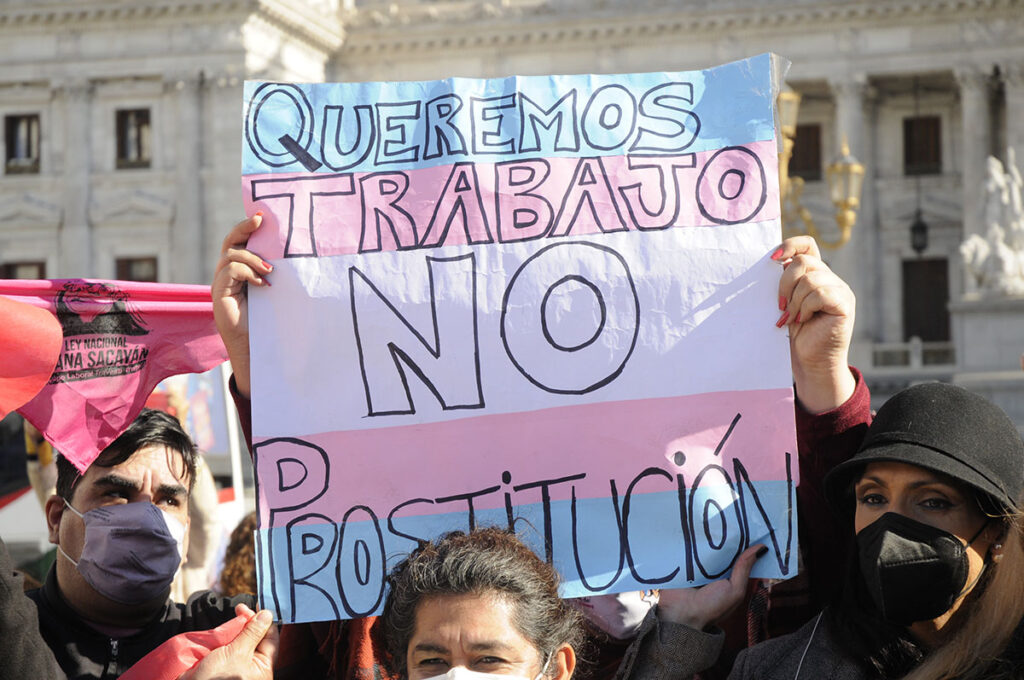
“We are beginning to write another chapter in our history, the history of a more egalitarian Argentina . Our community will be able to access formal employment. This will have repercussions both individually and collectively. But we will also culturally transform a society that has historically associated and confined transvestites and trans people to prostitution and crime ,” stated Claudia Vásquez Haro, president of Otrans Argentina and the Argentine Trans and Travesti Federal Coalition. “We did not remain in the position of victims; we transcended it through organization, action, and struggle. We became political subjects . We achieved unity among three federal coalitions with more than 250 organizations. This law is legitimate from its inception because it was built from the ground up and represents our voices and demands firsthand.”
What does the Transvestite and Transgender Labor Inclusion Law say?
Mónica Macha, president of the Gender and Diversity Commission of the Chamber of Deputies, presented it several times , working on it both before and after its introduction in collaboration with LGBT+ groups . It also incorporates initiatives from other legislators who presented bills, such as Gabriela Estevez and Cristina Alvarez Rodríguez. In 2020, as president of the Commission, Macha convened several meetings where activists from different parts of the country worked on each article through virtual gatherings.
Unlike Alberto Fernández's presidential decree, which allocates 1 percent of public sector jobs to transgender people , the proposed law—which still needs to be enacted and regulated—is much broader. The "Diana Sacayán-Lohana Berkins Law for the Promotion of Access to Formal Employment for Transvestite, Transsexual, and Transgender People" sought to go beyond the idea of a quota, proposing " affirmative action measures aimed at achieving the effective labor inclusion of transvestite, transsexual, and transgender people, in order to promote real equality of opportunity throughout the territory of the Argentine Republic ."
- It aims to include transvestite, transsexual and transgender people who are authorized to work, whether or not they have accessed the registration change provided for in article 3 of Law 26.743 on Gender Identity.
- In his articles he proposes affirmative action measures: labor inclusion in the National State through a minimum quota of 1% in the three branches that comprise it, the Public Ministries, the decentralized or autonomous agencies, the non-state public entities, the State companies and corporations, in all forms of contracting.
- In one of its articles, the bill definitively establishes the principle of non-discrimination , stating that all transvestite, transsexual, or transgender people have the right to decent and productive formal employment, equitable and satisfactory working conditions, and protection against unemployment. It further stipulates that, to ensure this right, prior criminal records cannot be considered . Therefore, the bill states that the criminal records of applicants "that are irrelevant to accessing the job cannot represent an obstacle to employment and continued employment, considering the particular vulnerability of this group."
- The proposed law is not limited to quotas. It proposes measures to guarantee educational attainment and training, so that the difficulties in accessing education that so many transvestite and trans people have faced do not prevent them from accessing employment.
- Among its articles, it contemplates cross-cutting and federal inclusion, awareness actions and priority in State contracts ( at equal cost and in the manner established by the regulations, the purchase of supplies and provisions from legal or natural persons in the private sector that include in their workforce transvestite, transsexual and transgender people).
- It also mentions incentives for the private sector to hire transvestites and trans people.
- The proposal is to guarantee access to credit for productive ventures (through Banco Nación).




We are present
We are committed to journalism that delves into the territories and conducts thorough investigations, combined with new technologies and narrative formats. We want the protagonists, their stories, and their struggles to be present.
SUPPORT US

FOLLOW US
Related notes



We are present
This and other stories are not usually on the media agenda. Together we can bring them to light.