

Living with HIV in Paraguay: the lack of support has worsened and is hitting women and LGBT+ people hard.
"Why continue bringing people into the world under these conditions?" a doctor asked Pilar when she was about to give birth at the Caaguazú District Hospital. Pilar's story is not unique.


Share

Before the Covid-19 pandemic, people living with HIV in Paraguay faced difficulties accessing employment and healthcare due to stigma and a lack of information. The health crisis exacerbated this situation, leading to an increase in workplace violence, discrimination in healthcare facilities, and gender-based violence related to HIV status.
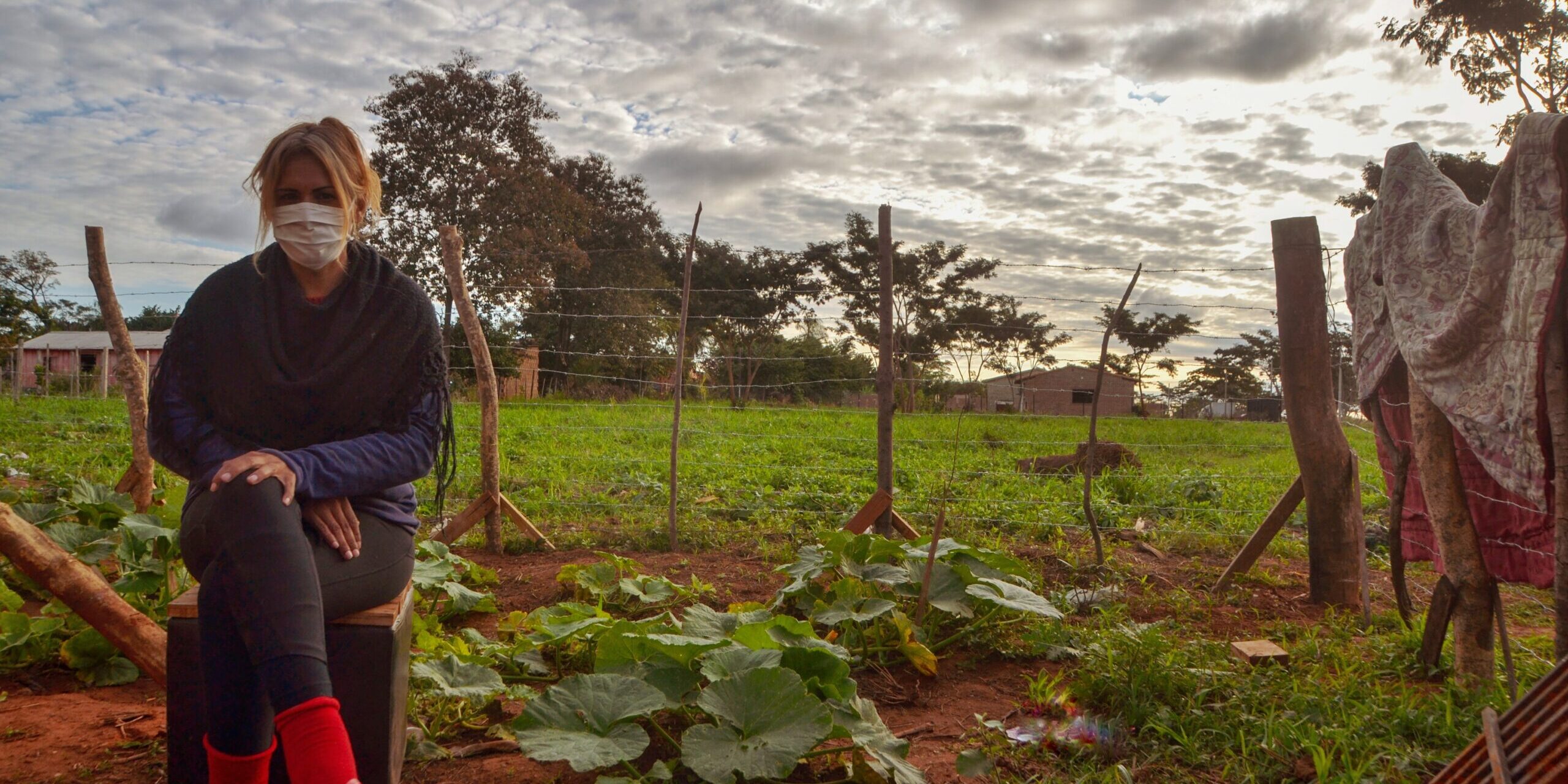
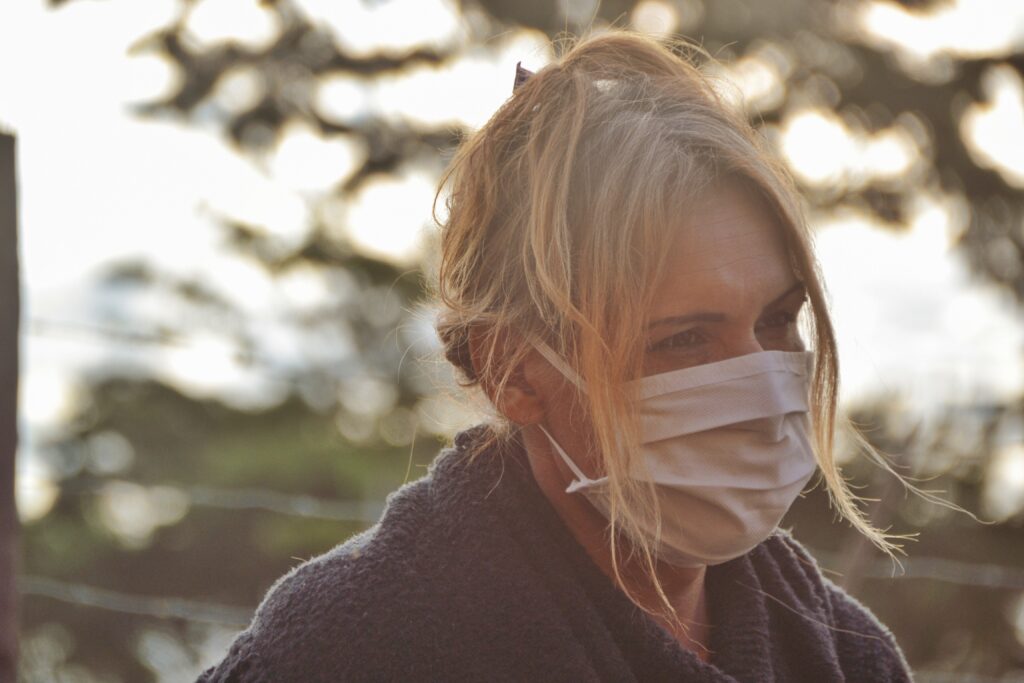
In the midst of quarantine last year, Pilar gave birth to her daughter at the Caaguazú District Hospital. That day, she went to the Emergency Room with her husband because she had already gone into labor. Her baby was about to be born, but from the moment she arrived at the hospital, she informed all the doctors that she couldn't have a vaginal delivery. In their haste, they took her to a ward and prepared her for a vaginal birth. "Nurse, I can't have my daughter through a normal delivery because I'm HIV positive," Pilar told the nurse.
“This is the list of medications you need to ask your husband to buy,” the doctor told her. It was almost $300 (2 million guaraníes) worth of medication. And they left her alone on a stretcher, not allowing her husband into the room. She felt that her daughter could be born at any moment.
When she entered the operating room, the doctor read her the request for a tubal ligation and told her, " Honestly, it's the best decision because why keep bringing people into the world in these conditions?" Pilar was scared because it wasn't the first time she had been mistreated at that hospital. Three months earlier, she had gone there because of bleeding, and the same surgeon had told her that if she couldn't make it to her appointment, she would have to return her baby to her in a bag.

“The things they say hurt a lot. When you’re about to give birth, the last thing you want to hear is nonsense. I asked her how she was going to cut me because it was my first surgery, and she said, ‘Do you want me to draw you too?’ And I feel that’s why they cut me the way they did. If you see the incision they made. Vertical, on purpose, like in the 70s. It was skin to skin, and I was devastated for months,” Pilar told Presentes.
Pilar's story is one of many that remain invisible and normalized among the at least 15,888 people living with HIV in Paraguay, according to figures published in 2019 by the Ministry of Public Health.
Mariana Iacono, a feminist, social worker and member of the secretariat of the International Community of Women Living with HIV/AIDS ( ICW Latina ), believes that violence appears from the moment a woman or pregnant person with HIV decides that she wants to give birth.
“ It’s different when tubal ligation or infertility is non-consensual than when it’s done under duress. It ’s one thing to wake up and find your tubes tied, and another to be convinced and end up asking for it, believing you made the decision,” Mariana points out. The violence experienced by women and pregnant people with HIV covers a wide spectrum: it ranges from violations of patient confidentiality and verbal abuse (expressions like, “you brought it on yourself”) to physical violence that acts as punishment on the bodies of people with HIV.
“Verbal violence is incredibly powerful. Often it’s not direct and explicit, but rather much more symbolic and subtle. So, someone who isn’t paying attention to it at the time might not perceive it as such, and it only hits you later. ‘ Since I brought this on myself, I’m putting the person I’m giving birth to at risk,’ so the violence becomes a sacrifice and payment for sin. That’s when religion and the cultural influences that religions instill in us without us even realizing it come into play,” Mariana reflects.
Most of the people diagnosed and receiving treatment are located in the departments of Amambay, Itapúa, Alto Paraná, Caaguazú, Asunción, and Central. For many, their already vulnerable situation worsened: some lost their jobs and could no longer afford food. Users of antiretroviral (ARV) treatments contacted Vencer to have their medications delivered to their homes.
When the pandemic began, both the National HIV/AIDS and STI Control Program (Pronasida) and the Vencer Foundation (an NGO that works with people living with HIV) implemented a home delivery system for medications so that people could continue to access their medication without having to go to health services.
Juan Sebastián Cabral, coordinator of Monitoring and Evaluation at the Vencer Foundation, explains that they cross-referenced information with Pronasida to ensure that no one was left without treatment.
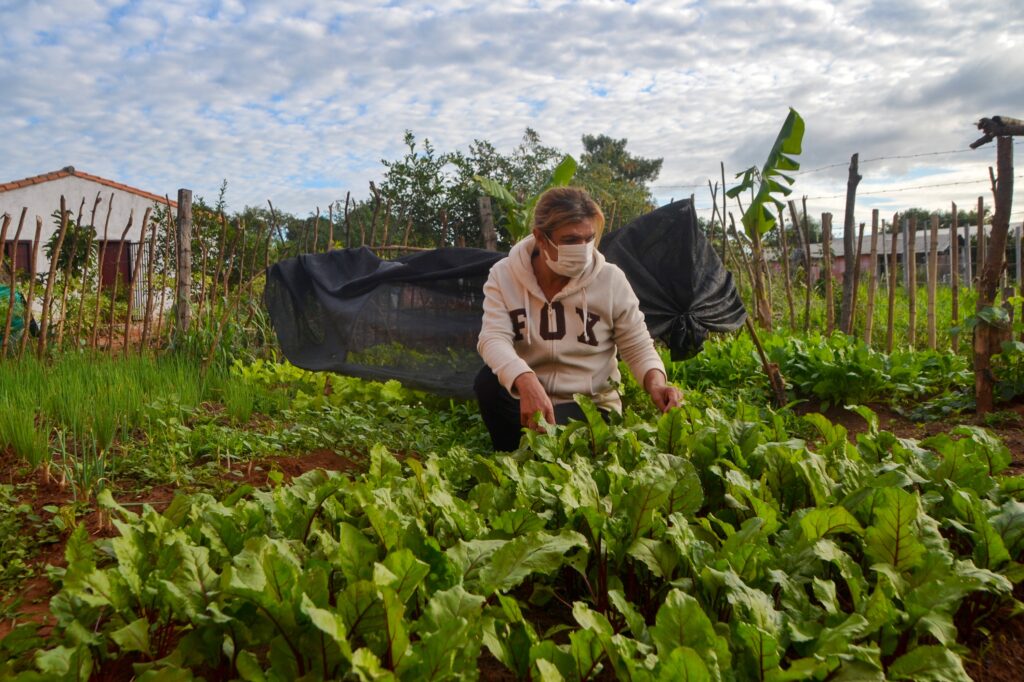
Andrea is an HIV/AIDS counselor at the Dr. José A. Samudio Regional Hospital in Coronel Oviedo. She lives in the city of Caaguazú and used to travel 46 kilometers to Coronel Oviedo every day to see patients. She says there are about 60 people living with HIV in Caaguazú. Many have families, and most have to continue working to support their households, but they were afraid of contracting the virus at health centers and bringing it home. So, for more than three months, Andrea delivered medication to 40 people in Caaguazú, right to their doorsteps.
“At first, it was said that people living with HIV were the most vulnerable to catching the virus quickly. But as we learned more and more, we realized that was a lie. Most of us had already had COVID, and it wasn't bad for us; they were mild cases. Misinformation was what scared us the most at first. We weren't more vulnerable than anyone else, as the news said,” Andrea states.
Workplace discrimination
The HIV/AIDS and Human Rights Counseling and Complaints Center of the Network of NGOs working on HIV in Paraguay - made up of organizations such as the Vencer Foundation and Panambi - received 266 complaints of discrimination between 2019 and 2020.
Among the 51 people who suffered workplace discrimination, 9 cases involved wrongful termination, 26 involved being required to take an ELISA or HIV test, 14 involved discrimination based on serological status, and 2 involved breaches of confidentiality. Because the "Julio Fretes" Law Against All Forms of Discrimination has not yet been passed , there is no established complaint mechanism. The bill is currently under consideration in the Senate. It has not been debated since 2014, although it has received two favorable reports from two advisory committees.
Cabral explains that in the workplace, people are fired from their jobs once their HIV status is revealed. They are denied employment and excluded from academic and family settings. “It’s an everyday occurrence. Many people were ostracized by their families once they learned they were living with HIV. They are no longer invited to birthday parties, they are not allowed to share meals with them, and they even have their personal belongings kept separate,” Cabral says.
Among the reports of workplace violence received last year by Vencer was a case involving two applicants to the Military Academy (Academil), a government institution. A requirement for applicants was that they undergo HIV testing. These two individuals confirmed that they were removed from the application process after testing positive for HIV.
Article 21 of Law 3.940/09 HIV/AIDS prohibits “arbitrary acts, harassment, violation of confidentiality regarding serological status, dismissals or other forms of discrimination in employment, as well as exerting any type of pressure or coercion on the same to make the laboratory test for the diagnosis of HIV infection, and conditioning access, promotion or permanence in jobs on the performance or result of the test .”
Sex workers and LGBT people: stigma and resistance
According to the 2016-2017 Stigma and Discrimination Index for People Living with HIV discrimination is not only due to a person's HIV status but also to factors such as gender identity and sexual orientation. Approximately 45% of those diagnosed belong to one of the three most vulnerable populations affected by HIV: men who have sex with men (MSM), transgender people, and female sex workers. This leads to significant prejudice and denial of access to essential goods and services, particularly housing, education, employment, and healthcare.
The only assistance HIV-positive individuals received from the state was medication provided by Pronasida, in conjunction with the Vencer Foundation. However, social organizations addressed the food insecurity, the risk of exposure to the virus through sex work, and the lack of personal protective equipment.
The Paraguayan sex workers' association Unidas por la Esperanza (UNES), Panambi, Vencer, Casa Diversa, and many others organized to provide food. Sometimes, they organized collections to pay for the supplies or ingredients needed for community kitchens. These initiatives reached different parts of the country, striving to ensure that no person living with HIV, nor their families, went without a meal.
Transgender people did not benefit from any of the government programs : Ñangareko and Pytyvõ. This is related to the fact that the national identity card contains the information from the birth certificate, which is perceived as "not matching" the image of the transgender applicant. Through their own efforts and private donations, transgender organizations were able to distribute bags of non-perishable food and hygiene products.
Both Emilia and Carla lost their jobs at the beginning of the pandemic. They worked as health promoters for a trans rights organization. Gradually, they began to notice that their colleagues in different cities no longer needed condoms or hygiene products because the demand for sex work had plummeted. They themselves had to leave the streets.
“We have to eat, pay our debts, and it wasn’t enough. We often had to go very far for work: Areguá, Ypané, and we lived in San Lorenzo. I always traveled by bus, and that was always unsafe because that’s where the main focus of contagion is,” says Carla, adding that sometimes she would wait up to three hours at the bus stop the next morning.
“For us, trans people living with HIV, what affects us most is health, housing, and employment . The State was absent, and that became even more noticeable during the pandemic. But the State has to provide for the Paraguayan people in general. We shouldn't be excluded just for being gay, trans, or lesbian. That always happens; because we're considered strange, it's not our turn. So-called 'normal' people have health, education, and housing, and we have nothing,” Emilia adds.
In the case of cisgender women living with their male (also cisgender) partners, violence is rooted in gender stereotypes and is further exacerbated when one partner has a positive HIV diagnosis. Partners don't always assume responsibility in these situations. In many cases, the man is unaware of his HIV status for fear of the result, and when he finds out, he automatically shifts the blame to the woman. This was another issue that intensified during the pandemic.
We are present
We are committed to journalism that delves into the territories and conducts thorough investigations, combined with new technologies and narrative formats. We want the protagonists, their stories, and their struggles to be present.
SUPPORT US

FOLLOW US
Related notes



We are present
This and other stories are not usually on the media agenda. Together we can bring them to light.