

Indigenous women in urban areas create media outlets to combat racism
The Sisas share their experiences of communication with identity. And the organization of an indigenous community in Buenos Aires province: “Sisa Pacha”.


Share

The pandemic has exacerbated various problems faced by Indigenous women in urban areas. In the face of these adversities, strengthening community organization is key to developing communication channels that combat structural racism.
The Buenos Aires Metropolitan Area (AMBA) is home to Indigenous communities and people who identify as members of Indigenous Peoples. It also has a significant Afro-descendant population and migrants from South American, African, and Asian countries. Despite the province's cultural, ethnic, and racial diversity, many people still perceive it as a racially white city of European descent.
Within this context, Indigenous women living in urban areas often have family histories of forced migration from other provinces of Argentina or from South American countries. Upon arriving in Buenos Aires, Indigenous families were categorized as belonging to the “popular sectors” or “working classes.” Thus, ethnic and racial identity was subsumed under the variable of class.
Institutional violence, precarious and/or exploitative labor, and the lack of access to decent housing are some of the persistent problems faced by racialized women. In urban areas, the violence experienced by Indigenous women is similar to that experienced by women from low-income communities.
This situation has worsened during the pandemic for Indigenous women living in the city, due to structural racism that manifests as discrimination in various spheres. For example, the lack of translators and interpreters in Indigenous languages and the lack of intercultural and bilingual training among state agents hinder Indigenous women's access to education, healthcare, and justice .
Racism, social media and media during the pandemic
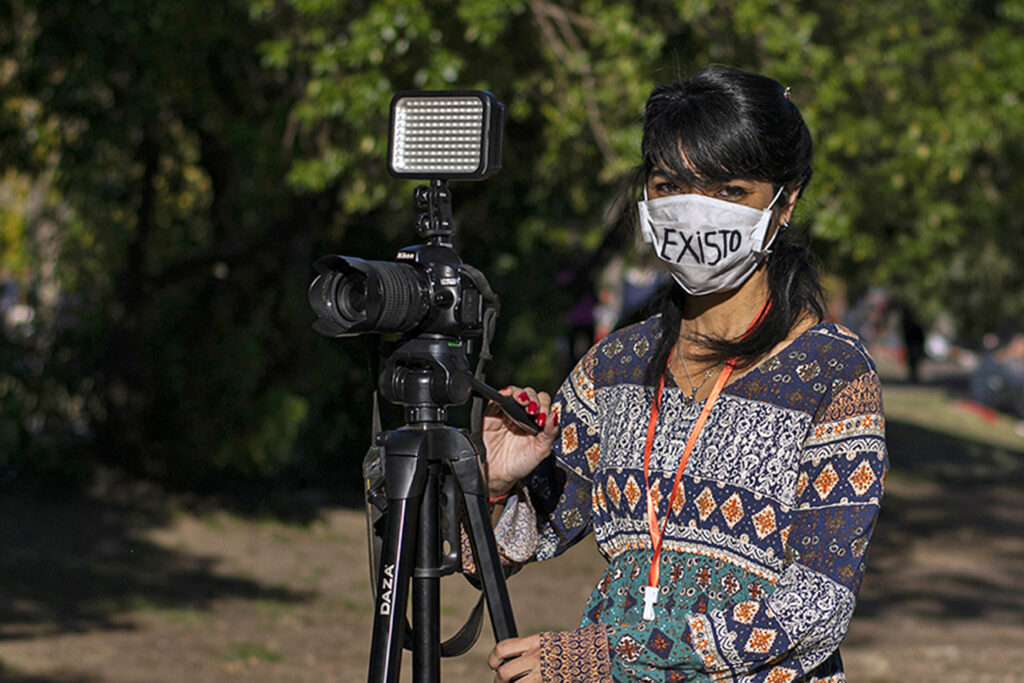
During the COVID-19 pandemic, racism spread like a virus both within and outside the media and on social networks. One example: the increase in xenophobic insults and racial discrimination stemming from government measures implemented to address the health emergency, such as the Emergency Family Income (IFE). Some of the recurring derogatory terms and phrases on social media included: "bolita" (a derogatory term for Bolivians), "paraguas" (a derogatory term for Paraguayans), "negros de mierda" (fucking blacks), "volvete a tu país" (go back to your country), and "los indígenas no existe más" (indigenous people don't exist anymore).
Daily insults and stigmatization perpetuate racial stereotypes that ultimately lead to death by discrimination and racial hatred . For example, the cases of Franco Zarate , murdered with the words "fucking Bolivian"; Marcelina Meneces and her baby , thrown from a train with shouts of "fucking Bolivian, go back to your country"; and the case of Clara Celeste, a nine-year-old girl who committed suicide after being insulted with terms like "fucking Indian" as part of racist bullying at school .
The media reinforces stereotypes and stigmas that influence how people think, express their opinions, and act. For example, it is common to see the reproduction of 19th-century racial stereotypes that portray Argentina as a white country where "we all came from the ships," "there are no Indigenous people or Black people," and where migration is only welcomed if it comes from Europe and dismissed if it comes from South American countries.
Furthermore, femicides and disappearances of racialized people are often less visible than those of white women . There is no media coverage that highlights the difficulties these populations face in accessing institutions and the justice system to report these crimes.
This racist discourse circulating in the media and on the streets has a profound impact on the identities of racialized youth in Buenos Aires. It is for this reason that, in an urban context with deeply entrenched racist structures, the media outlet and production company TeleSISA was born, founded by Indigenous women living in the city. Its name refers to Bartolina Sisa, an Aymara woman and symbol of anti-colonial struggles.
“We saw the social and political need to occupy the media: to reclaim our Indigenous identity, which was historically taken from us under a colonialist, racist, and extractive gaze from a country that considers itself white and European. We want to demystify the non-existence of Indigenous nations in the present day and in urban areas, to break down barriers that keep us in inequality and that seek to silence and make us invisible,” says Laki Quispe, a Quechua social communicator and producer.
Telesisa: anti-racist and anti-patriarchal community communication
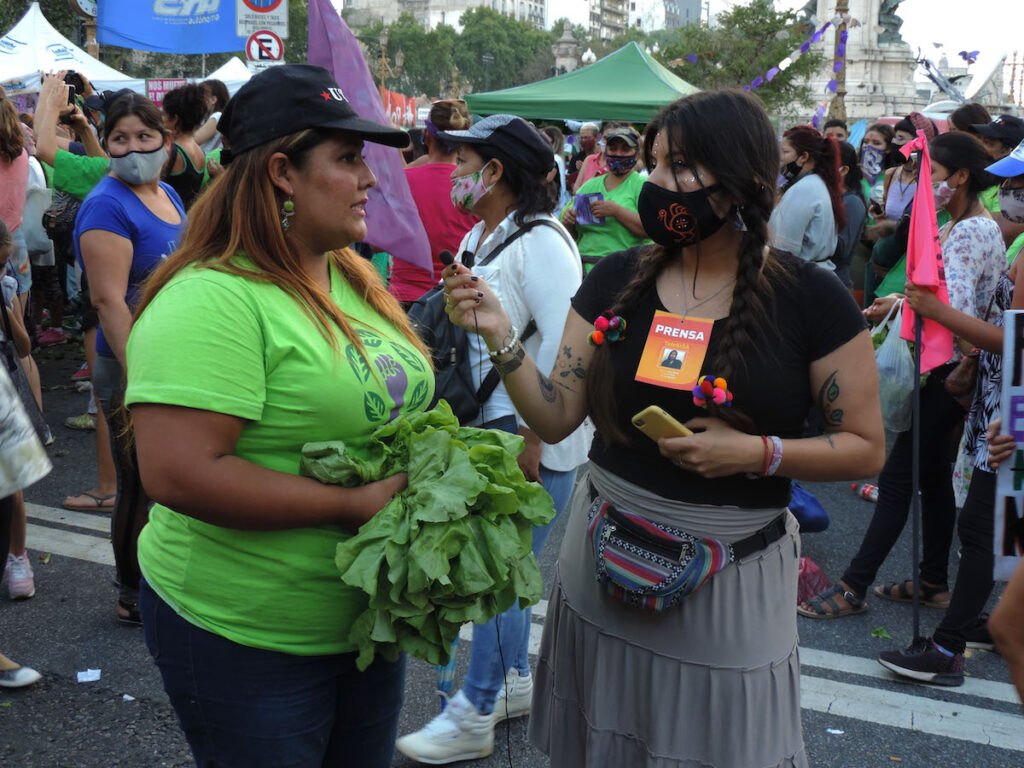
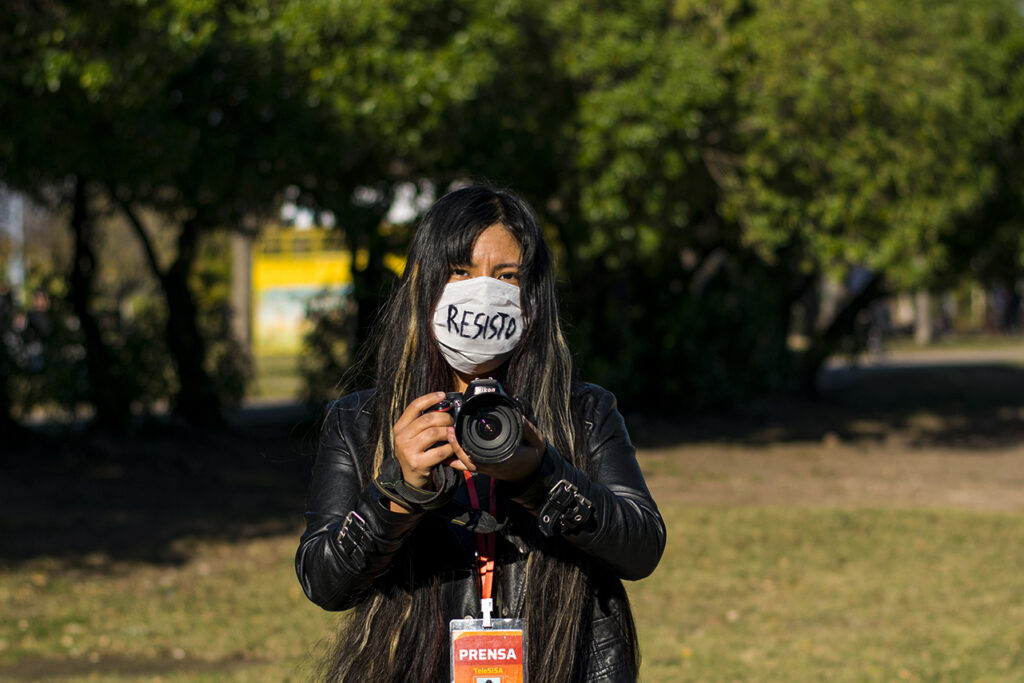
community media outlet and and the mail-order magazine TERRORINDIES , both with an anti-racist, decolonial, and anti-patriarchal perspective. Our team includes communicators, journalists, illustrators, photographers, graphic designers, audiovisual producers, a lawyer, a sociologist, a historian, and a social worker. We are self-managed and our organizational structure is community-based and horizontal.
We are organized by area into groups of 7 to 9 people: audiovisual production, writing, press, magazine, treasury, social media, gender and care, correspondents, streaming, and events calendar. Our media outlet originated in Buenos Aires on March 8, 2020, days before the pandemic spread in Argentina. It emerged in the context of the Bolivian people's resistance against the November 2019 coup d'état, which intensified hate speech against the population and Indigenous peoples, the burning of the Wiphala flag, repression, murders, and violence against women in traditional dress.
Telesisa 's objectives is to challenge racist stereotypes, cultural homogenization, and the folklorization of indigenous identities, as well as to promote the political participation of indigenous people .
“Communication that is identity-based, anti-racist, and anti-patriarchal is not only a vehicle for denunciation, but also a means of generating political and transformative proposals. Our communication must transform the colonized and patriarchal reality, to instill a proactive vision of the people and contribute to Buen Vivir (Living Well) ,” Quispe points out.
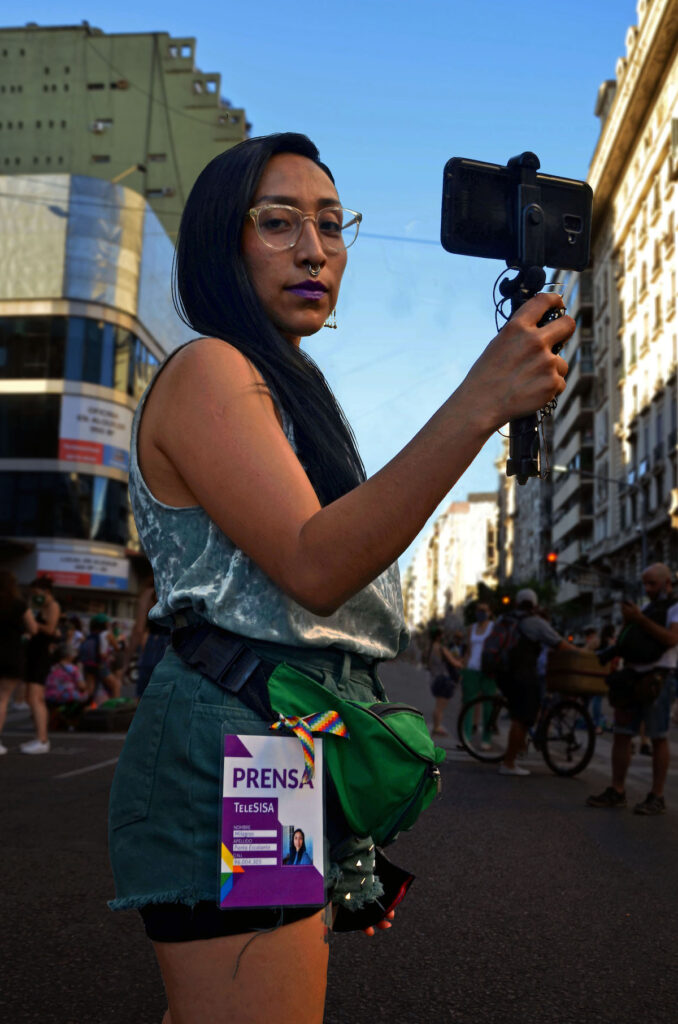
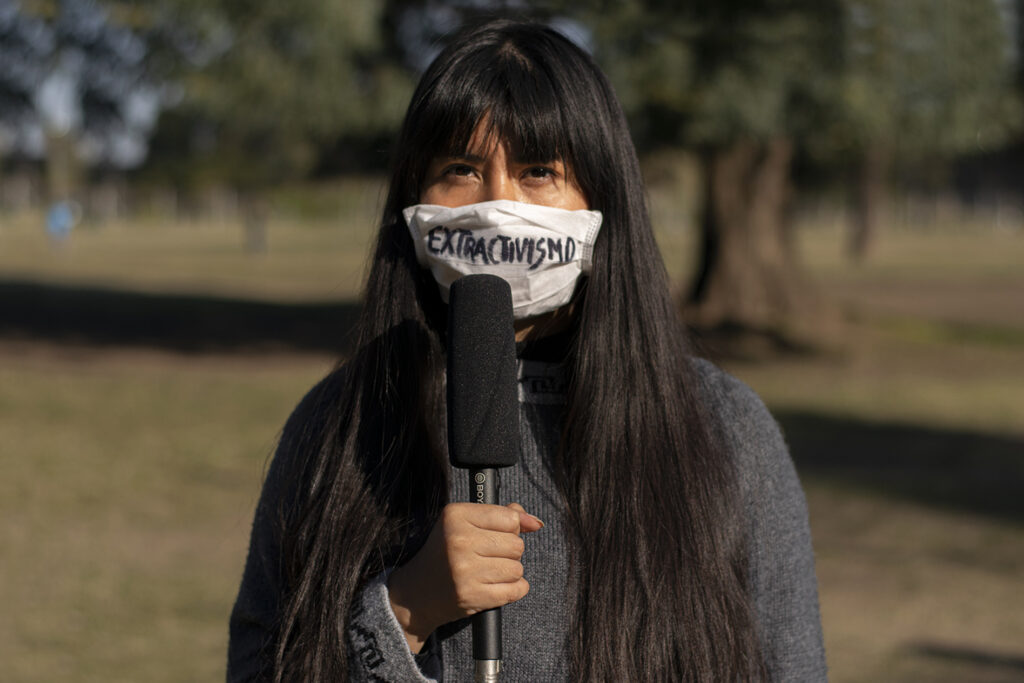
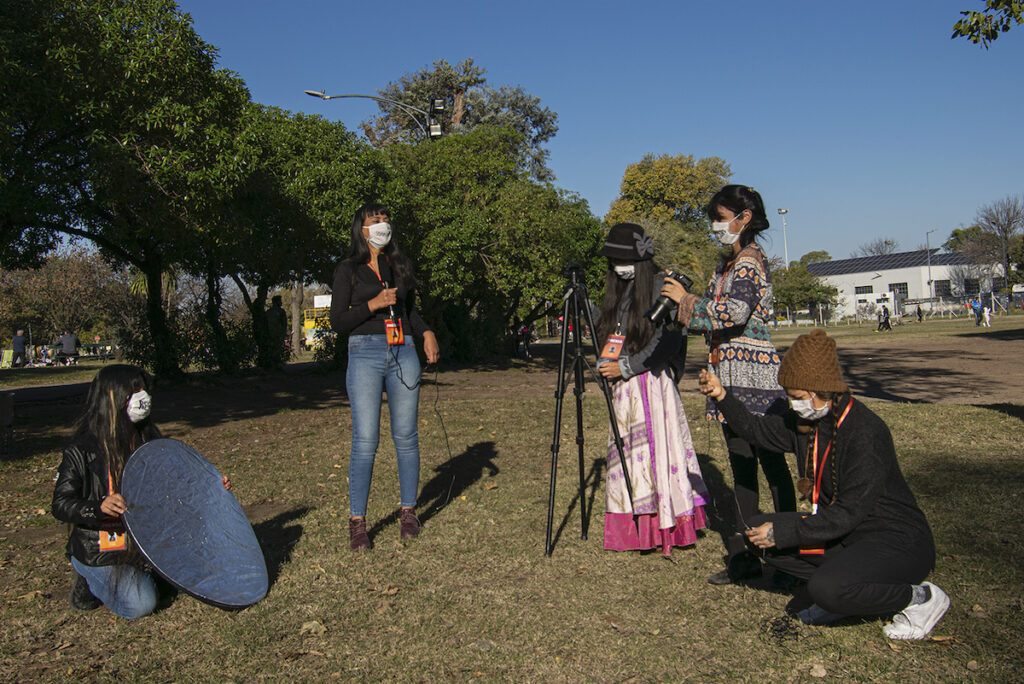
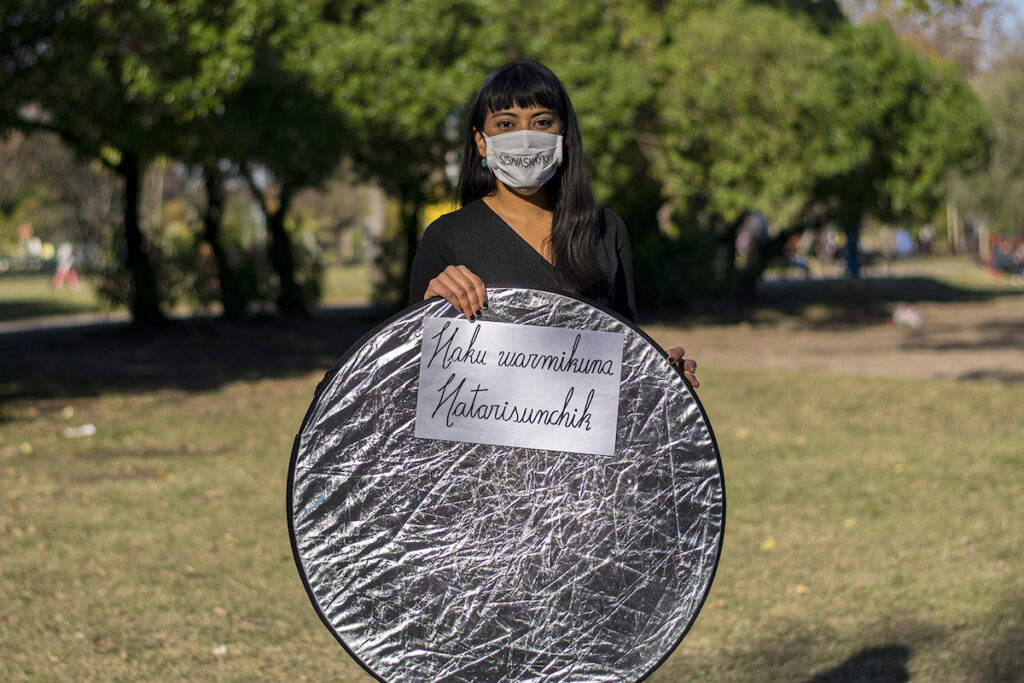
We want to use the media, our pens, our cameras, and our microphones to communicate the realities of our Indigenous Peoples and Communities. It is a political stance to be recognized by one's own Nation and/or Indigenous People in the media. For the Indigenous women of TeleSISA, communication with identity means embracing their Indigenous identity (Quechua, Aymara, Kolla, Mapuche, Diaguita, Guaraní) first and foremost, and moving away from categories like "descendants," "brown," "Latin American," etc., since they consider one of the strongest legacies of colonialism to have been forcing them to deny their identity and adopt universal categories that render cultural diversity invisible.
“Asking myself about my identity as Kolla and Ava Guaraní was like reopening a wound left by racism. Accepting that I am Indigenous was also painful because we were raised to reject our history, culture, and features,” says Mayra Juarez, a Kolla Guaraní and historian.
Our community organization seeks to restore the ancestral values of Indigenous Peoples as an alternative to the individualism of the capitalist, colonial, and patriarchal system. “We are committed to creating a society where the ayllu (the community), ayni (reciprocity), and Sumaq Kawsay (good living) are the foundation of social construction,” says Josefina Navarro, a Kolla woman and Quechua language teacher.
We have decided to take a further step and organize ourselves as an indigenous community called “Sisa Pacha” (a Quechua term that can be translated as “The moment when the earth blossoms” or the “space and time” of Bartolina Sisa). This is an unprecedented event in the current territory of Buenos Aires.
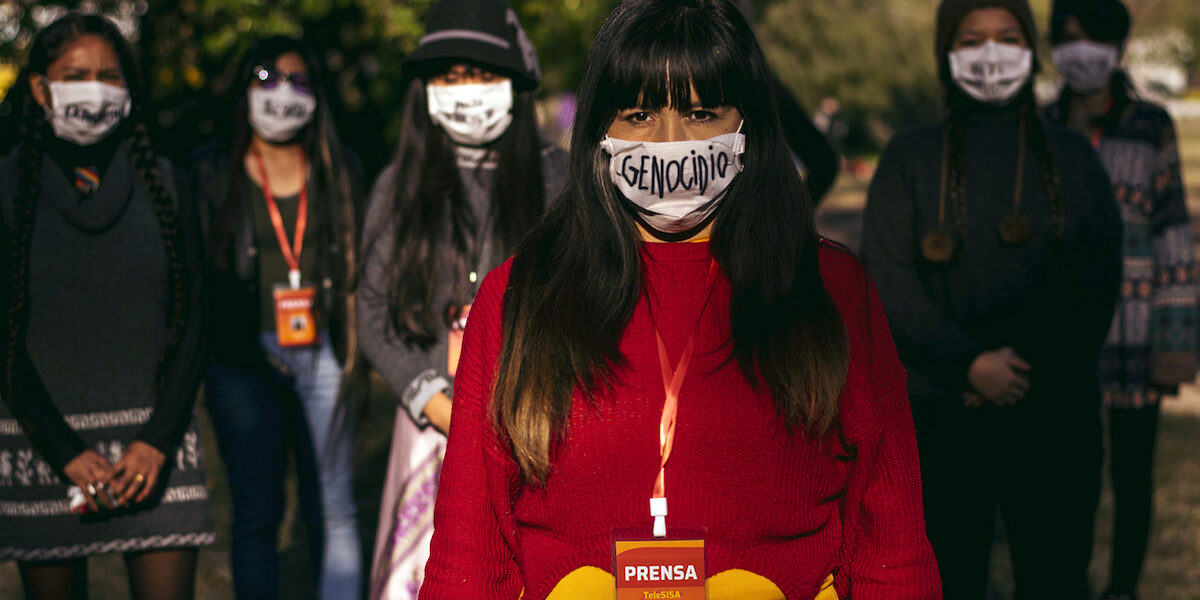
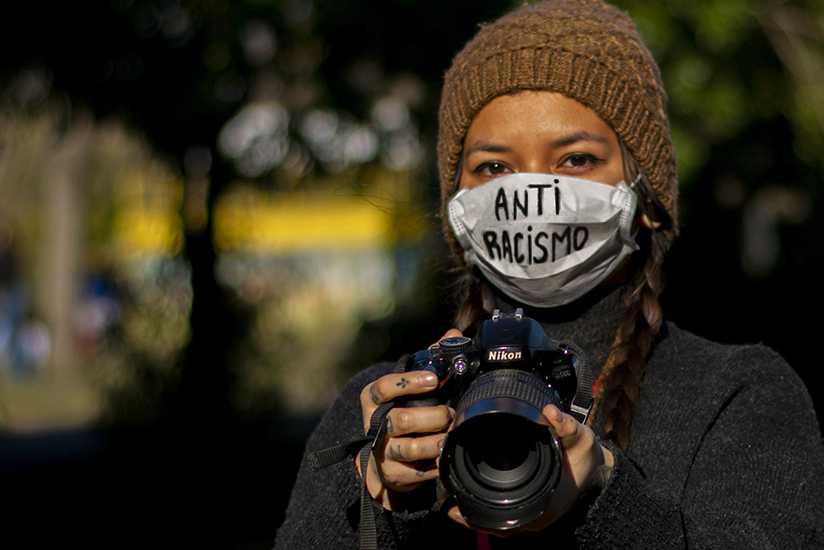
In the midst of social isolation and at a time when structural racism has deepened, Indigenous women in Buenos Aires have committed to building our own media outlet and rebuilding our community. Despite limitations and economic and mobility obstacles, our aim is to heal the wounds of racism that weigh on our bodies, families, and communities, flourishing together. Today, wearing masks but not silenced against the virus of racism, we remain in resistance even though the State and much of society render us invisible, discriminate against us, and dehumanize our existence.
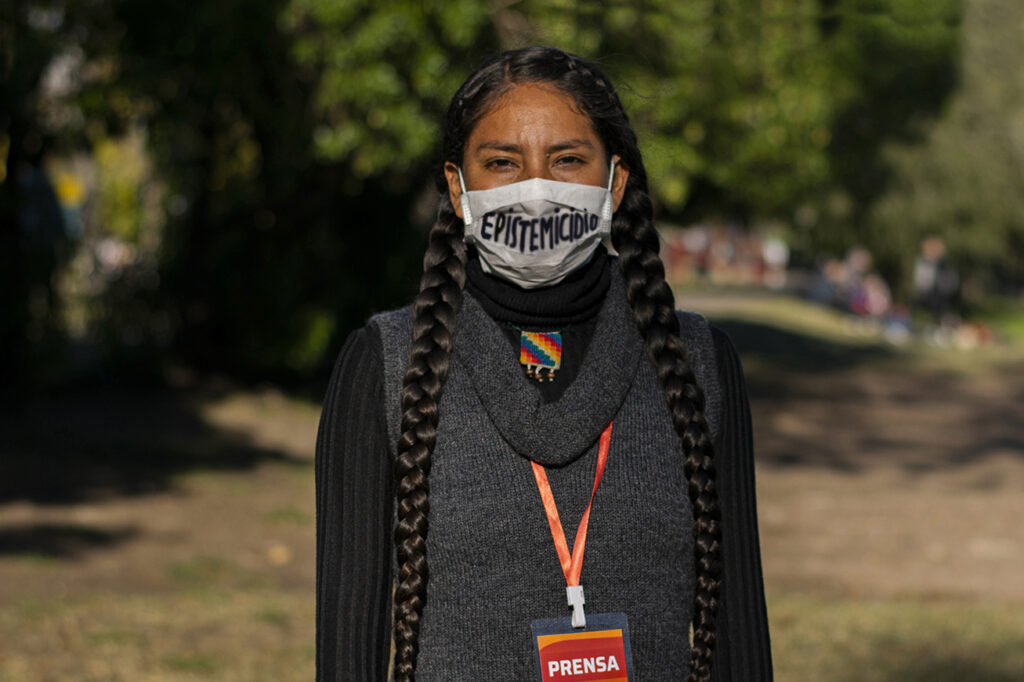


We are present
We are committed to journalism that delves into the territories and conducts thorough investigations, combined with new technologies and narrative formats. We want the protagonists, their stories, and their struggles to be present.
SUPPORT US

FOLLOW US
Related notes


We are present
This and other stories are not usually on the media agenda. Together we can bring them to light.