

Feminism and sexual diversity stand up to authoritarianism in El Salvador
President Bukele seized total control of the state. Hundreds of people took to the streets to protest one of the most serious institutional crises since the civil war.


Share

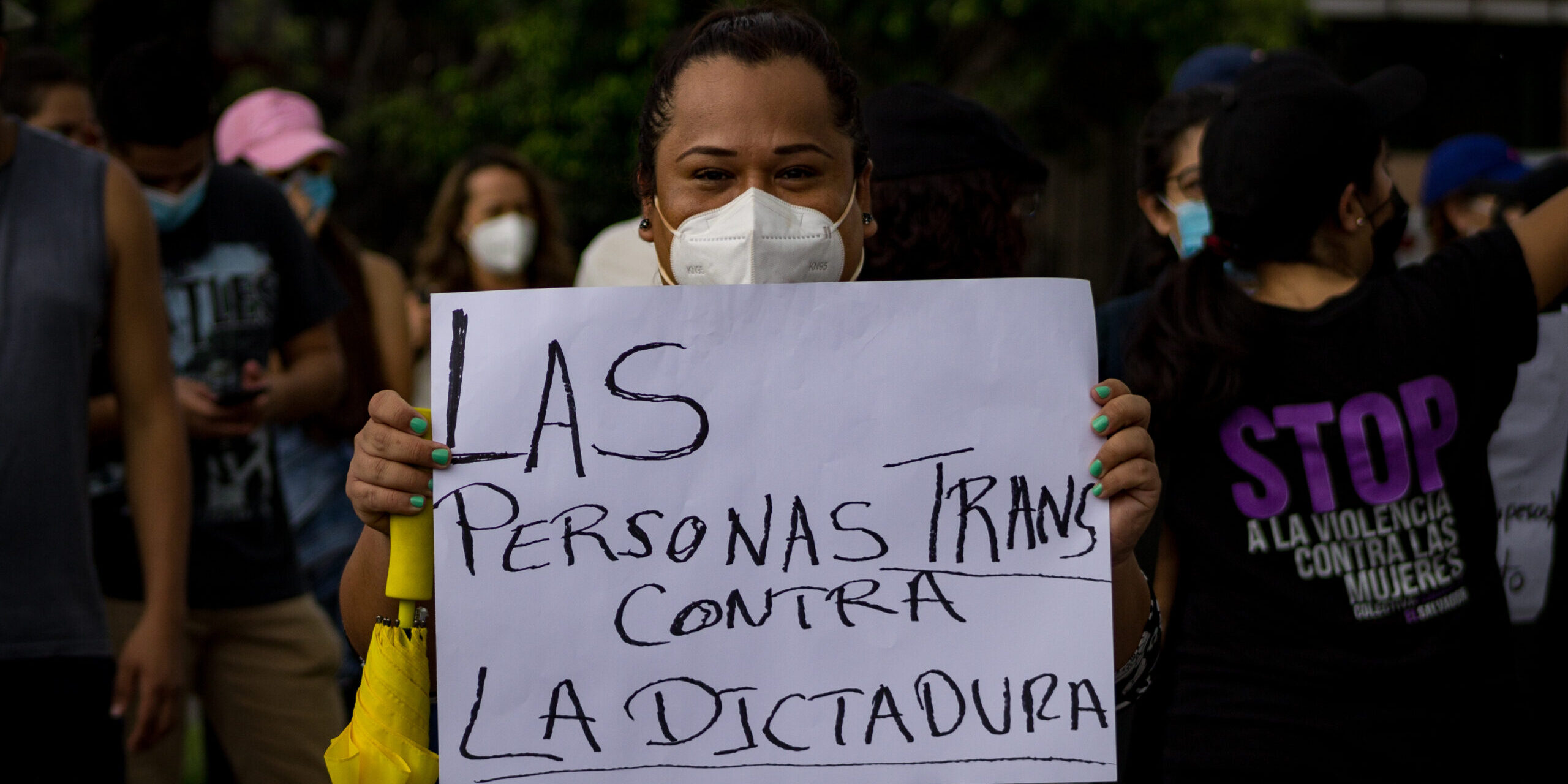
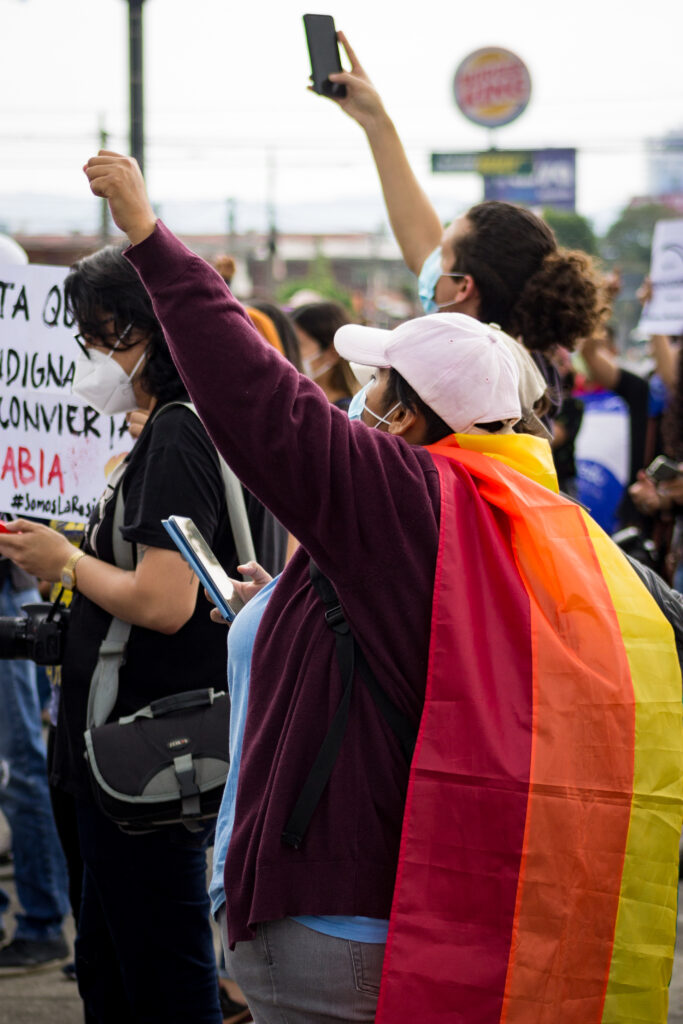
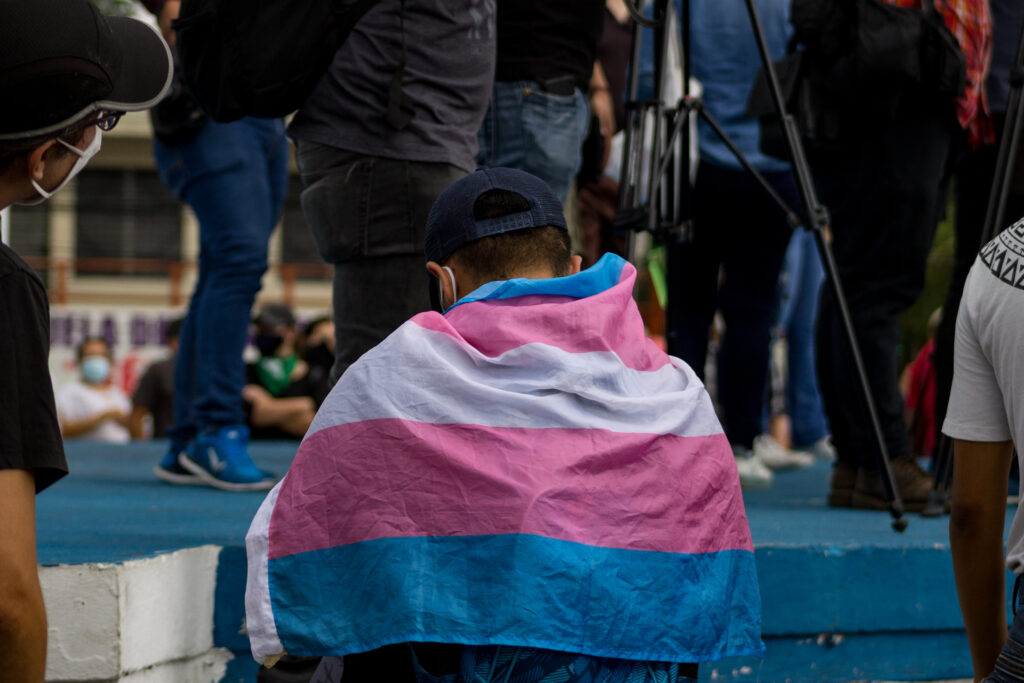
The deputies of the Nuevas Ideas party, El Salvador's ruling party, disregarded the Constitution and the rule of law to remove five justices from the Constitutional Chamber of the Supreme Court and the Attorney General. This surprise maneuver allowed President Nayib Bukele to seize total control of the state. This prompted hundreds of protesters to take to the streets against one of the most serious institutional crises since the civil war (1980-1992). Feminist and LGBTQ+ groups made their presence felt, viewing the Bukele administration and its actions as a serious setback for their rights.
“We are facing the country’s greatest democratic setback since the post-war period, and this will affect everyone, but especially those in vulnerable situations and those already part of socially excluded and marginalized sectors,” Erick Iván Ortiz, a former candidate for the Legislative Assembly in the last elections for the Nuestro Tiempo party, told Presentes. Salvadoran LGBTI Federation for ten years .
On May 1, the new Legislative Assembly was installed in the Central American country for a three-year term. The Nuevas Ideas party had won a resounding victory in the February midterm elections, securing, along with its allies, a supermajority in the assembly: 64 out of 84 seats. This majority allows them to govern and pass legislation without opposition.
However, the judges of the Constitutional Chamber, the country's highest court, and the Attorney General, Raúl Melara, were the strongest checks and balances on his policies and actions. Bukele was not comfortable with them.
For that reason, in the first plenary session of Congress, Nuevas Ideas and its allies dismissed the magistrates and the Attorney General, skipping all procedures.
Standing up to the rollback of rights
Landres believes the risks of setbacks in LGBT+ rights are high. Since Bukele took office on June 1, he eliminated the Office of Sexual Diversity, which handled complaints of human rights violations against the LGBTI population. He also repealed Presidential Decree No. 56, which prohibited discrimination based on gender identity and sexual orientation in all state institutions.
The popular leader militarized the Congress hall in February 2020 and was accused of violating the human rights of hundreds of people in his health policies to contain the COVID-19 pandemic.
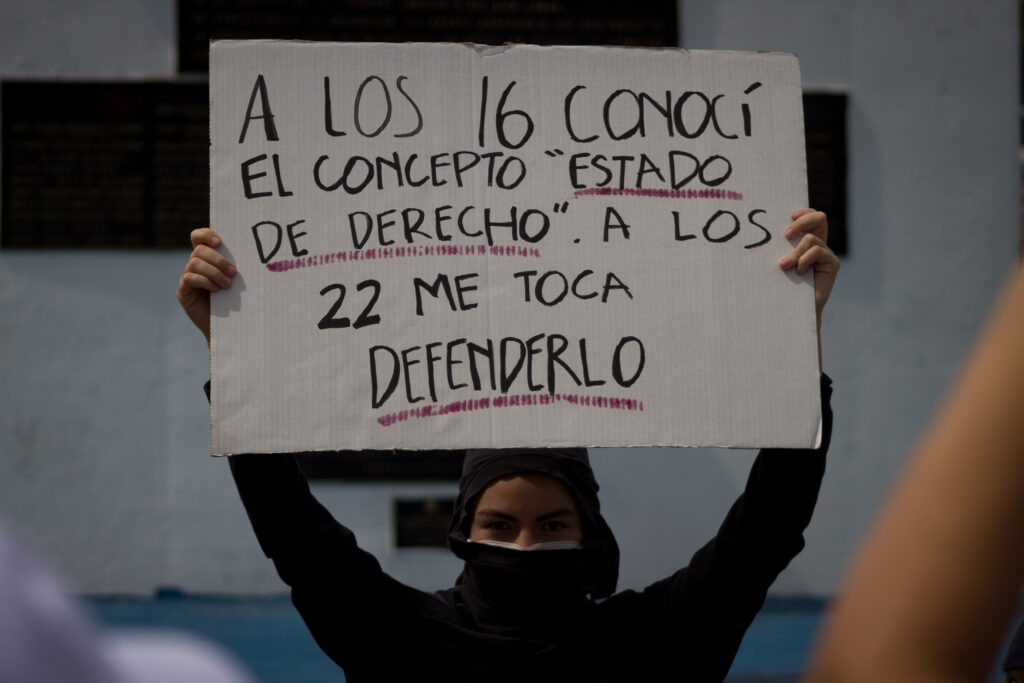
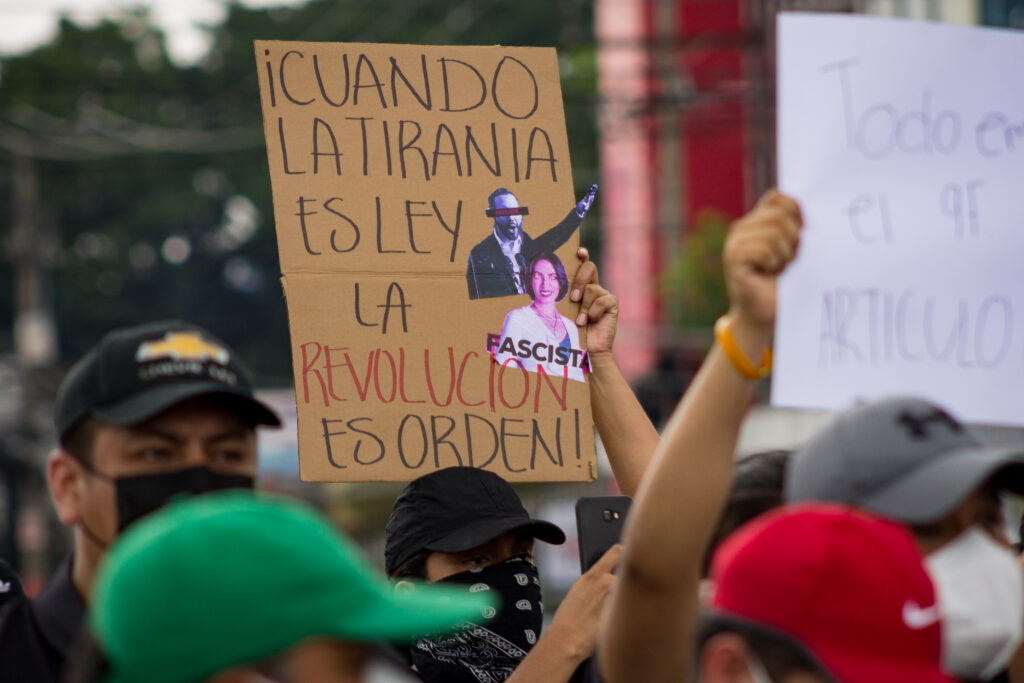
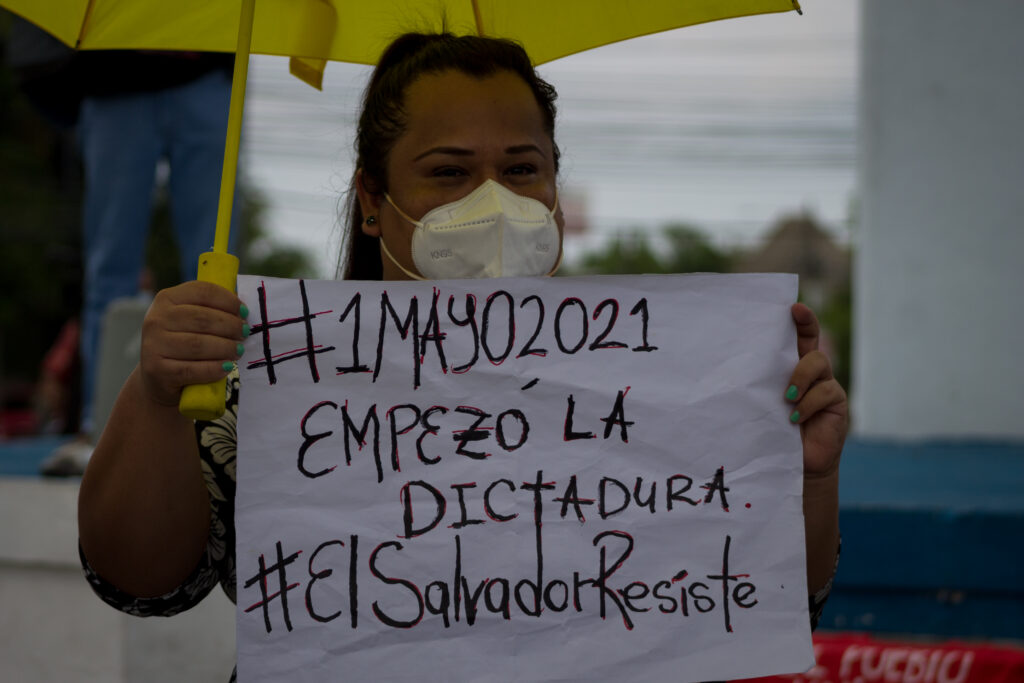
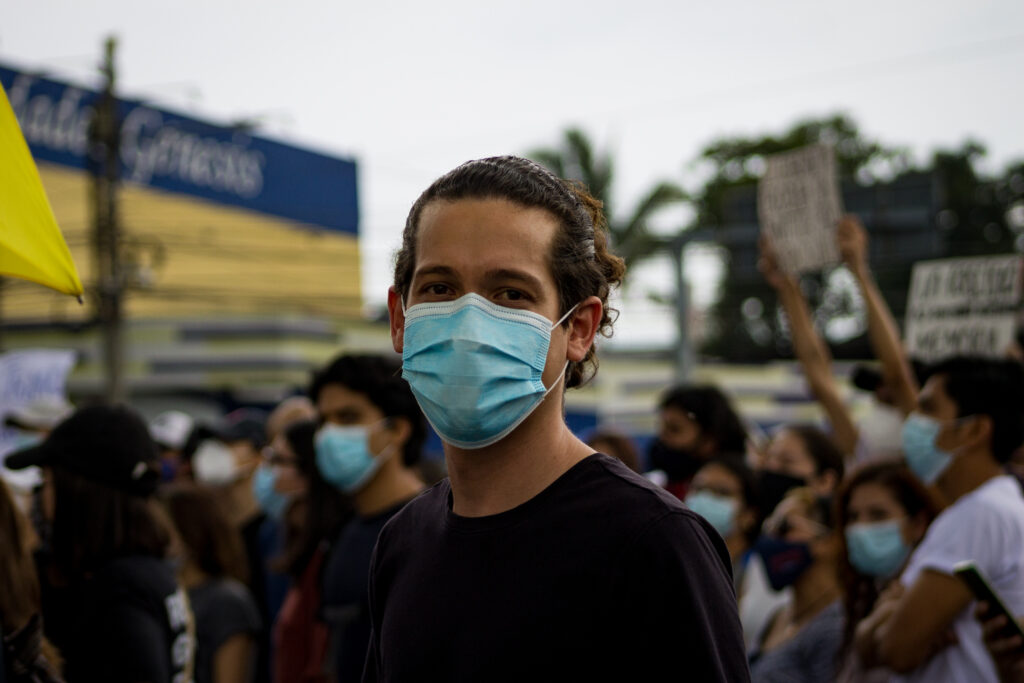
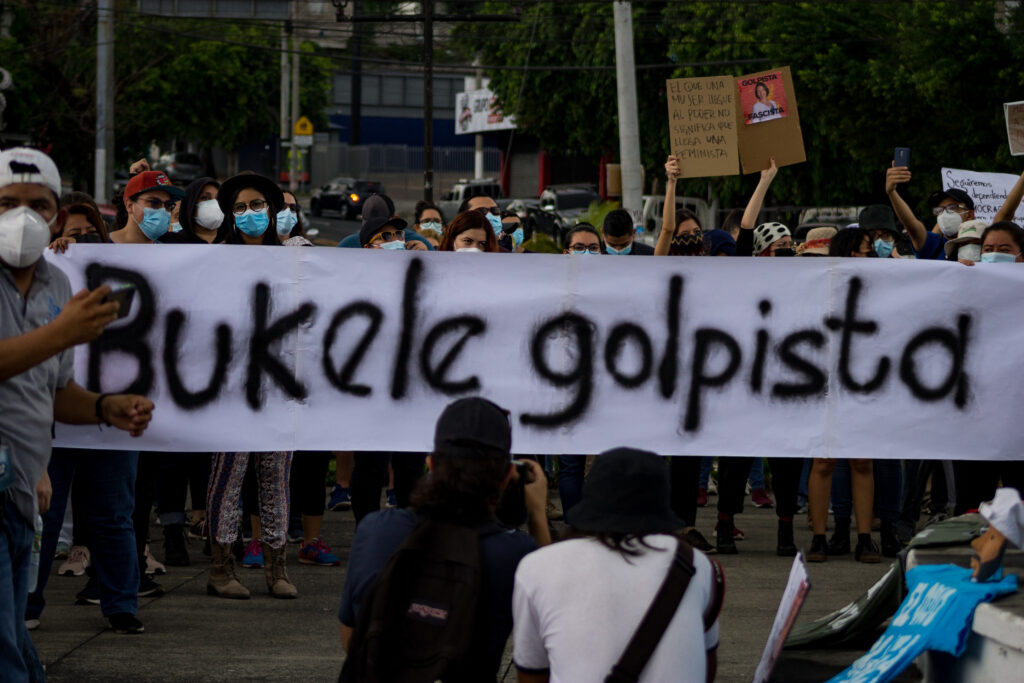
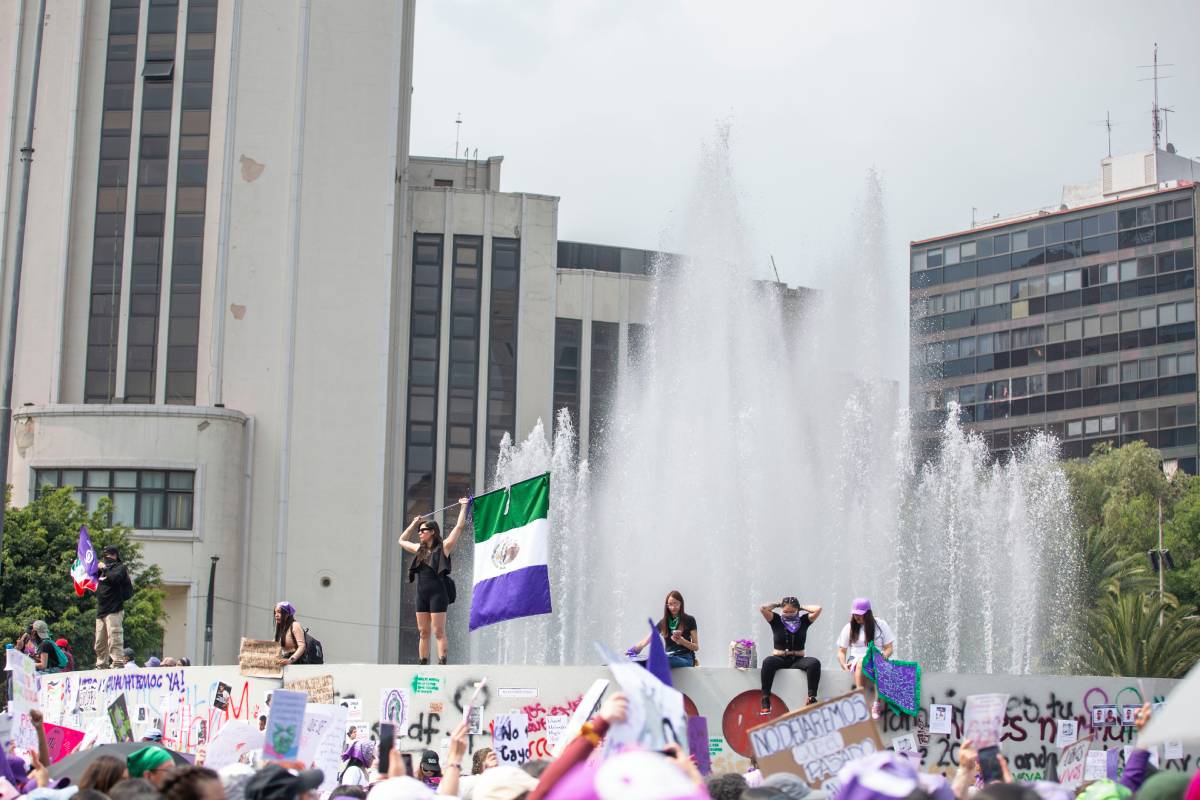
Around 300 people gathered at the Monument to the Constitution on Sunday to protest the controversial movement. Holding signs, the demonstrators proclaimed: “When tyranny is law, revolution is order,” “Nayib, fascist, you are the terrorist,” “No to absolute power.”.
“Nuevas Ideas represents a manifestly anti-rights bloc, with spokespeople who use misogyny and homophobia/transphobia as a tool for political attack against adversaries. The president himself has positioned himself against the advancement of LGBTI rights, and among his first measures upon assuming the presidency, he eliminated the Secretariat of Social Inclusion and, with it, the Directorate of Sexual Diversity. In this scenario, LGBTI people face three latent risks: the passage of laws that restrict rights (such as the prohibition of same-sex marriage); the criminalization of civil society organizations (which are our only spaces for visibility); and the annulment of constitutional guarantees against human rights violations, due to the dismantling of the Attorney General's Office and the Constitutional Chamber ,” added Erick Iván Ortiz of the LGBTI Federation.
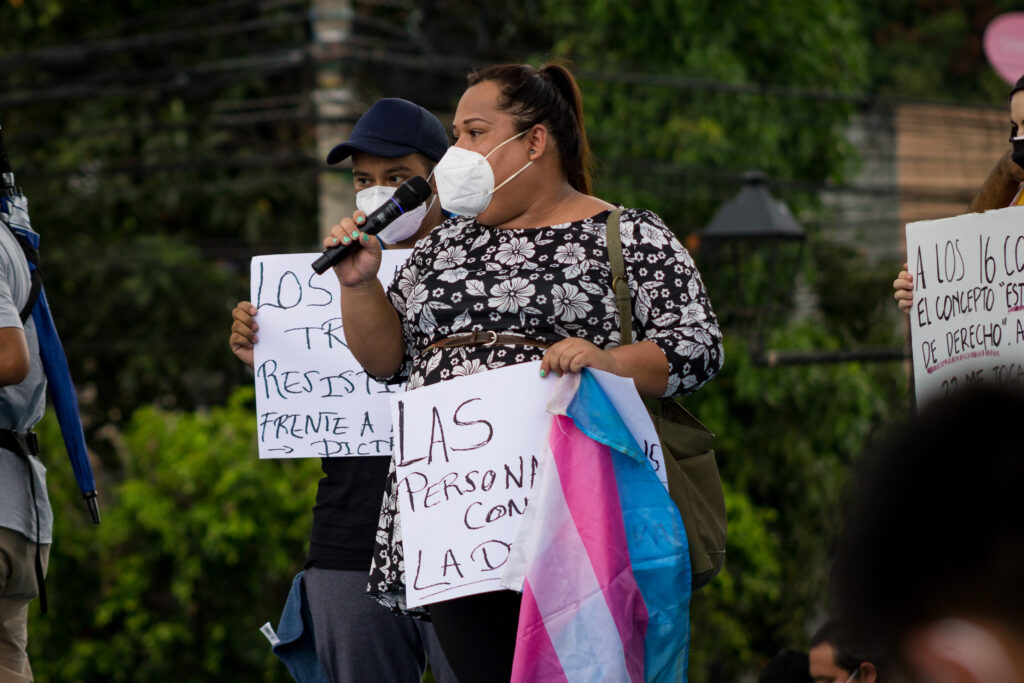
“We are here to make it known that there are people who are against this abuse of power by the central government, because that is definitely what it is: an abuse of power, and it cannot be allowed to happen because history is clear and we cannot allow it to be repeated,” Ambar Alfaro, a human rights defender for trans people, told Presentes.
A blow to the institutions
The criteria for the election of magistrates and prosecutors are established in the constitution, therefore, experts point out that the dismissal and the hasty appointment of the new authorities lacks legality.
The deputies believe it has legitimacy due to the large number of votes they obtained in the February election.
“We have begun the real transformation of our country. We represent the people, not elites, not national or international organizations, not parties of the past,” wrote Ernesto Castro, president of Congress, on his Twitter account.
However, constitutional experts, academics, and human rights defenders strongly rejected the dismissal of the officials and believe it jeopardizes the independence of the branches of government.
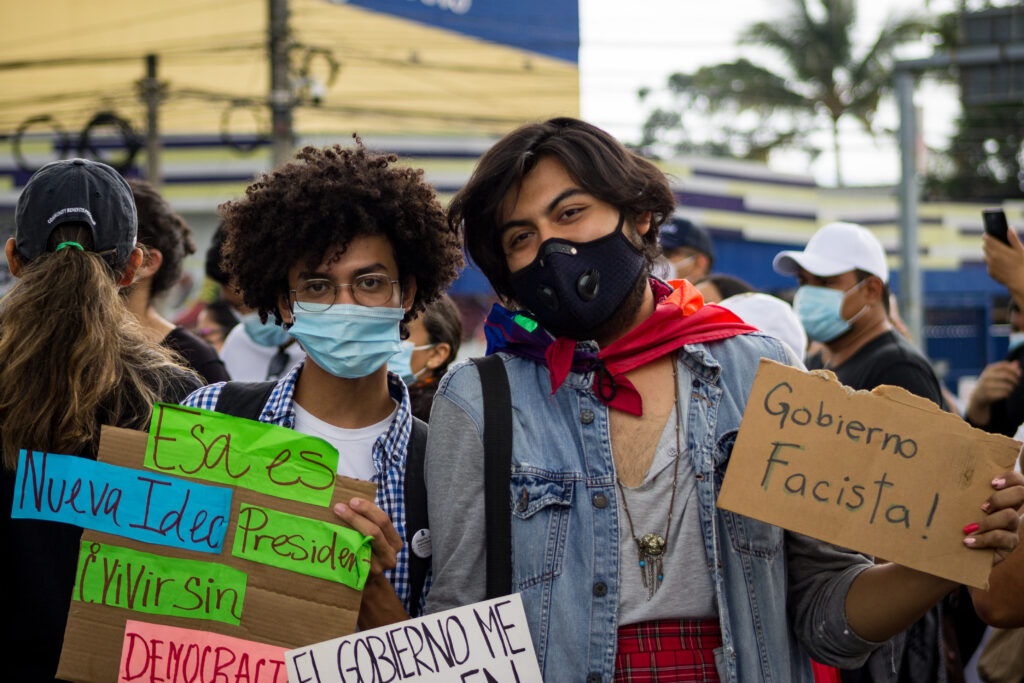
“This illegal and unconstitutional act is dangerous and intentional, aimed at accumulating power in one person and one political party against the common good. We know from our own experience that the concentration of power only generates pain and suffering for the people, and it is something we do not want to see repeated,” Keyla Cáceres, a feminist activist from the Amorales Collective, told the press.
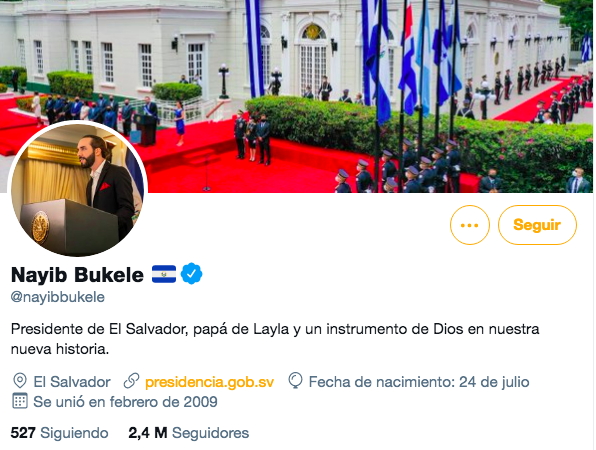
Characterized by a governing style similar to that of former US President Donald Trump, he uses his social media to attack the press, mock the opposition, and provoke fierce fights between his detractors and supporters.
“Judicial independence is fundamental to a healthy democracy and a robust economy. We must respond to all advances, including this one,” said US Vice President Kamala Harris, referring to the Salvadoran case.
We are present
We are committed to journalism that delves into the territories and conducts thorough investigations, combined with new technologies and narrative formats. We want the protagonists, their stories, and their struggles to be present.
SUPPORT US

FOLLOW US
Related notes

We are present
This and other stories are not usually on the media agenda. Together we can bring them to light.