

Four men attacked Rebeca Lara, a 59-year-old Honduran trans woman: deep wounds and several broken ribs
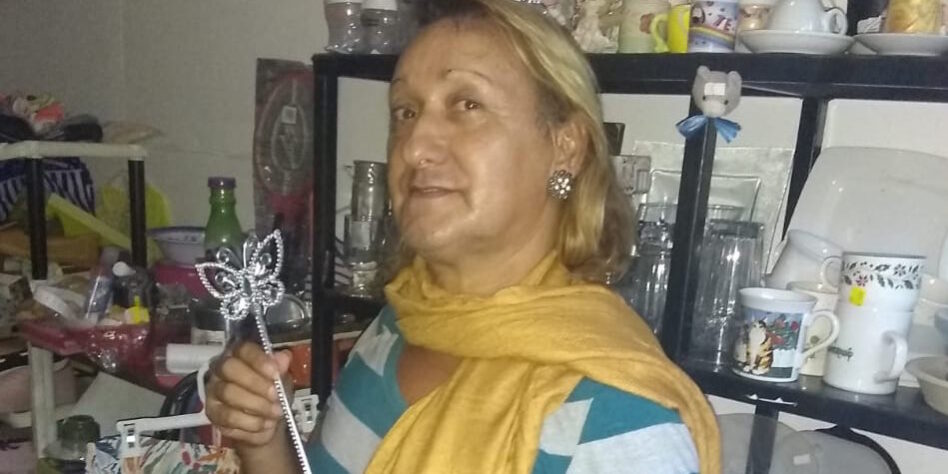
Rebeca Lara, a 59-year-old trans woman, is recovering from the blows she received on April 29.


Share

Rebeca Lara, a 59-year-old transgender woman, is recovering from the beating she received on April 29. She was attacked by four men in the municipality of Santa Bárbara, in western Honduras. The attack occurred at 10:00 p.m. in the city center when she tried to defend other women who were being harassed.
Among the women was a friend of hers, whom Rebeca advised not to go with them. “I spoke to them quietly, without them noticing. ‘Let’s get out of here,’ I said, ‘because I don’t see those men as very good,’” Rebeca tells Presentes.
Rebeca and her friend started walking, and the men began following them in a pickup truck. At one point, a police patrol car pulled up to question them but then drove on. The men continued their pursuit.
“Before I knew it, all four of them were on top of me and they beat me all over, and they say the police took me to the hospital,” Rebeca says.
The blows left her with deep wounds and bruises, and broke several ribs. Rebeca was taken by police officers to the hospital to be treated for her serious injuries.
“My chest is bruised, I have a black eye and some stitches in my jaw. My arm is scraped,” says Rebeca.
This is the second time Rebeca has been beaten. The first time was years ago, when she was mugged.
“We assisted her and provided her with medical attention. We are in the process of reviewing the case. It has not yet been determined whether the attackers were from Santa Bárbara or elsewhere,” Daniel Molina, the deputy commissioner of the Honduran National Police assigned to the department of Santa Bárbara, explained to Presentes.
According to Molina, the police assigned the case to an officer and an investigation was launched to determine who attacked Rebeca.
On the other hand, the trans women's association 'Rainbow Dolls' said that there are no LGBTI associations in Santa Barbara to assist Rebeca, but that they are working to offer her assistance.
They also denounced the media for the way the news of the beating was handled: “We call on the mass media to respect the gender identity of trans women in Honduras, recognizing their chosen name, and using inclusive LGBTI+ language.”
Beloved by her community
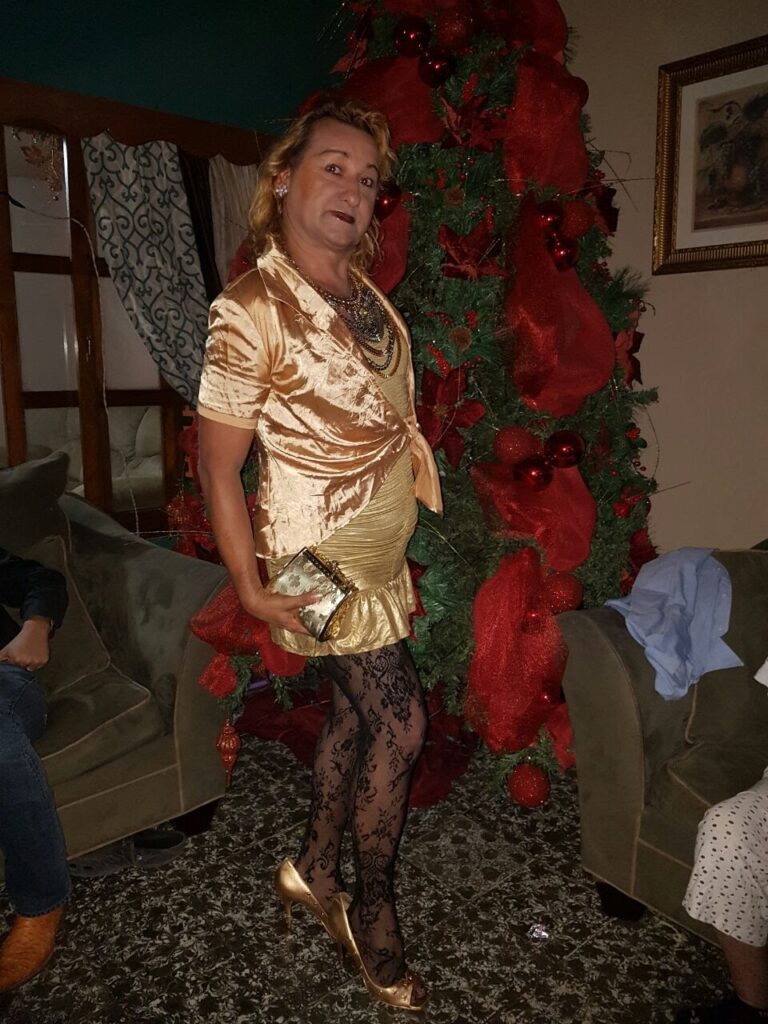
“She’s very well-loved. She’s a community figure,” Rebeca’s friend, Flor de María García, tells Presentes. “She gets together with groups of friends to sing songs by Rocío Dúrcal and other famous singers. She also does lip-syncing.”
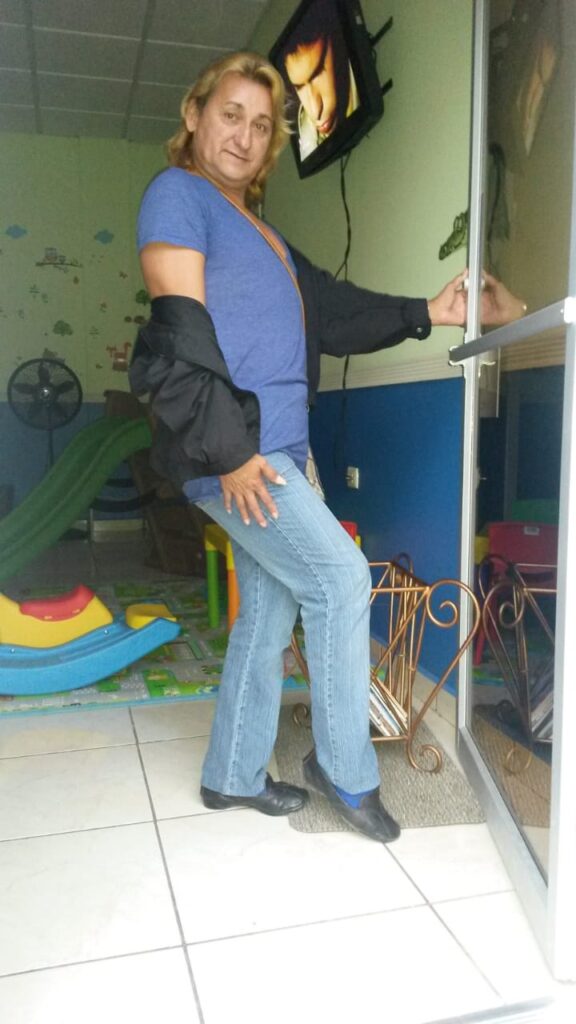
The community knows her because Rebeca sells used clothing and lottery tickets. “We never imagined something like this would happen to her,” adds Flor de María, who considers Rebeca a respectful and helpful person.
Social media users and organizations have also spoken out to condemn the attack that left the well-known trans woman from Santa Barbara seriously injured.
The Office of the United Nations High Commissioner for Human Rights ( OHCHR ) condemned the attack suffered by Rebecca and called on Honduran authorities to conduct an investigation into the events, including the hypothesis of a hate crime based on her gender identity.
“The OHCHR reaffirms its commitment to LGBTI people and reiterates the State’s duty to guarantee the right to equality and non-discrimination, enshrined in the Constitution and in the human rights treaties ratified by the State of Honduras,” they wrote in a tweet.
Crimes go unpunished
The attack against Rebeca comes just over a month after the murder of trans woman Vanessa Zúniga , who was beheaded in the city of Tela, on the Atlantic coast of Honduras.
The attacks and murders against trans people continue. Vanessa's death and the beating of Rebeca add to a long history of hate crimes against the LGBTIQ+ population in Honduras.
According to the Violent Deaths of LGBTI People Observatory of the Cattrachas Lesbian Network , 2020 ended with 20 murders . So far in 2021, two murders of gay men and one of a trans woman have been recorded.
From June 2009 to the present, there have been 373 violent deaths , 119 of which were transgender people. There is a 91% impunity rate in these cases. Despite the inclusion in the new Penal Code of the aggravating circumstance of violence based on sexual orientation, gender expression, and gender identity, no sentence in this country has taken it into account.
Awaiting a key ruling
the Inter-American Court of Human Rights (IACHR) is expected to issue its ruling Vicky Hernández, the 26-year- old trans woman murdered between June 28 and 29, 2009, during the curfew imposed by the coup in Honduras that deposed then-President Manuel Zelaya.
Vicky's murder remains unpunished. The Inter-American Court of Human Rights deliberated last March on the case of Hernández versus the State of Honduras. The announcement will be made in the coming days. If the Honduran State is found guilty of Vicky's death, it will be the first ruling on violence against transgender people in Latin America and will serve as a precedent for countries in the region.
Lack of rights and emergency
In mid-January, more than 300 LGBTQ+ people from Honduras fled in the first migrant caravan toward the United States. Many of them were unable to reach their destinations because they were detained by immigration authorities in Guatemala and Mexico and then deported back to Honduras.
On January 21, the Honduran National Congress banned abortion under any circumstances, as well as same-sex marriage , and there is no legal recognition of civil unions for the LGBTQ+ community in Honduras. Unions performed in other countries are also not recognized.
At the end of March, the Supreme Court of Honduras accepted a constitutional challenge filed by Cattrachas against the reform of Articles 67 and 112 of the Honduran Constitution regarding abortion and same-sex marriage. The acceptance of the challenge was the first step.
We are present
We are committed to journalism that delves into the territories and conducts thorough investigations, combined with new technologies and narrative formats. We want the protagonists, their stories, and their struggles to be present.
SUPPORT US

FOLLOW US
Related notes



We are present
This and other stories are not usually on the media agenda. Together we can bring them to light.