

Congress protects legal abortion and same-sex marriage in Honduras
In a political maneuver by anti-rights groups, the Honduran Congress approved a constitutional lock to prevent same-sex marriage and abortion.

Share

By Dunia Orellana. Illustrations: Cattrachas
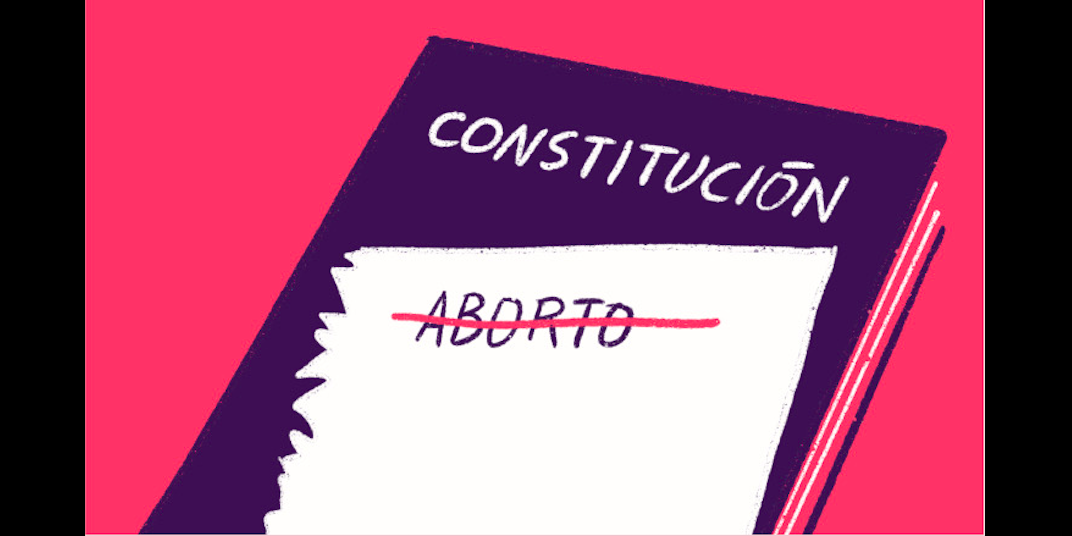
In a bold move by anti-rights forces, the Honduran National Congress approved a constitutional amendment on Thursday, January 21, to prohibit same-sex marriage and abortion. Although both rights are currently prohibited, this political maneuver acts as a constitutional lock, making any progress even more difficult.
From now on, 96 of the 128 total votes in Congress will be needed to change articles 67 and 112, which refer to abortion and same-sex marriage respectively, the congressmen determined yesterday.
What do articles 67 and 112 say?
In Honduras, constitutional reforms must be approved by a two-thirds vote. Until yesterday, 86 votes were needed, according to the Honduran Constitution. But to change the prohibitions against abortion and same-sex marriage, more will be required: three-quarters of Congress (96 votes). This amendment still needs to be ratified in a new legislature in 2022.
The reform to Article 67 of the Constitution of the Republic of Honduras, established by members of Congress, aims to prevent the legalization of abortion in the country. They also modified Article 112 regarding the recognition of same-sex marriage. Article 67 of the Constitution of the Republic of Honduras states that "the practice of any form of interruption of the life of the unborn is prohibited and illegal, and the life of the unborn child must be respected at all times."
Article 112 prohibits same-sex marriage, stating that it recognizes “the right of men and women, who naturally possess the status of such, to marry each other, as well as the legal equality of spouses. Only civil marriages celebrated before a competent official and with the conditions required by law are valid.”
A sad day for human rights
“Today is an extremely sad day for human rights in Honduras,” said Indyra Mendoza, coordinator of the Cattrachas Lesbian Network. “It’s appalling to be at the mercy of such perverse politicians and politicians.”
According to Cattrachas's advocate, “the rights of women and LGBTI+ people have always been bargaining chips, but this time they went too far. Not only by strategizing to destroy each other, since the National Party tried to steal the Liberal Party's banner of struggle. It's not fair that they trade our lives for votes and power .”
“ If they continue with these policies, there will be more caravans, not just of women and the LGBTIQ+ community . The truth is, Honduras is going to be lost,” lamented the coordinator of Cattrachas. She added, “They introduced Article 112 without any discussion and without any explicit mention of it in the ruling. Honduras will be punished by the Inter-American Court of Human Rights for this discriminatory law.”
Shield against abortion
With the reform called "Shield against abortion", approved in a single debate, Honduras becomes one of the four countries in Latin America that prohibit abortion in all cases.
This disregards international recommendations on reproductive and sexual rights. “Abortion should be guaranteed when the woman’s health is at risk, the pregnancy is the result of rape or incest, or it is incompatible with life outside the womb,” according to international human rights standards cited by the Center for Reproductive Rights.
Honduras has one of the highest rates of teenage pregnancy in Latin America. One in four births in Honduras is to a mother under 19, according to the United Nations. Based on local data, it is estimated that more than 30,000 girls between the ages of 10 and 19 give birth in Honduras each year. And while no one knows exactly how many women and girls undergo clandestine abortions in the country, estimates from the Women's Rights Center suggest that between 50,000 and 80,000 abortions are performed annually.
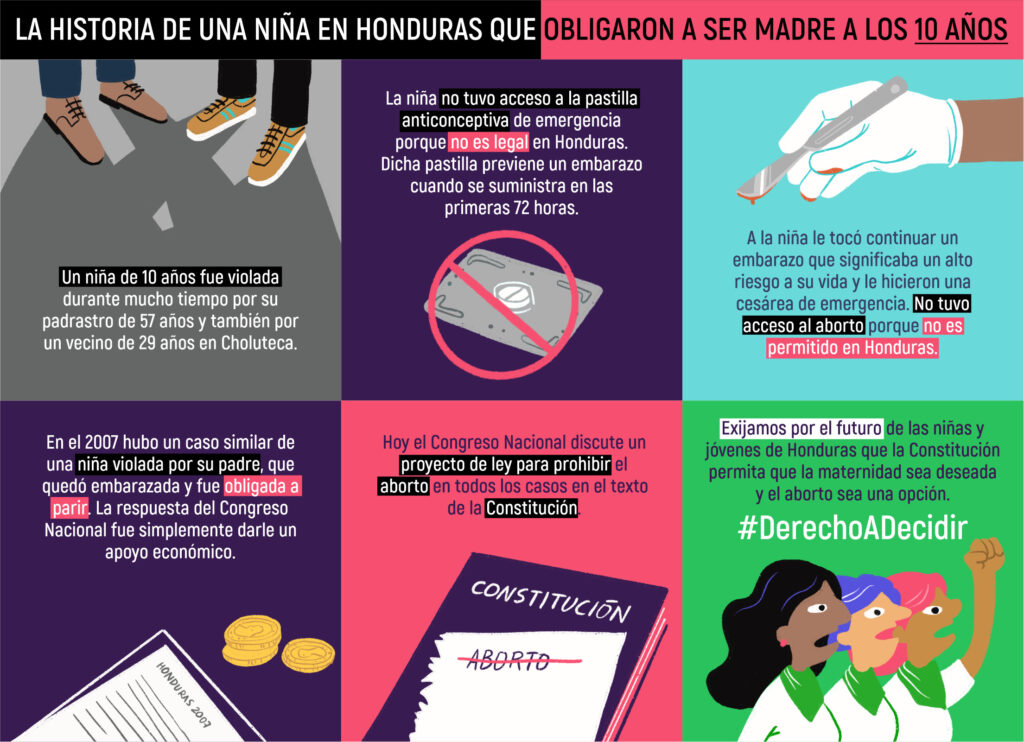
Every 22 hours, a woman dies violently, and at least one in four women in Honduras has suffered physical or sexual abuse from a partner, according to a 2011-2012 government survey. It is estimated that at least 40% of pregnancies were unplanned or unwanted at the time they were conceived. Some unwanted pregnancies are the result of rape.
“We have returned to the caves.”
“There is no other country that restricts women and diverse populations as much,” says Vanessa Siliezar, a lawyer and coordinator of the non-governmental organization Women and Family Development Unit (Udimuf). “We have gone back to the Stone Age. Or worse.”
The reforms passed against the freedom of women and LGBTIQ+ groups in Honduras are a way in which the government silences groups that demand rights.
According to human rights defenders in the country, Juan Orlando Hernández is using these tactics to distract attention from the accusations of drug trafficking and the ineffectiveness of his government in solving the problems that cause the mass exodus of Hondurans abroad.
With the reforms approved, “what was a smokescreen becomes a chastity lock for women in Honduras,” adds Vanessa Siliezar.
International institutions have been speaking out for days against these reforms that violate the freedoms of Honduran women and minorities. According to the European Parliament , “the criminalization of abortion in Honduras forces women and girls to seek clandestine abortions or to carry pregnancies to term. This results in Honduras’s high rates of maternal mortality and morbidity.” https://twitter.com/OACNUDHHN/status/1352451477869129730
“We feminists knew this could happen, what we didn’t know is that they would have the nerve to do it in seven days,” said Indyra Mendoza.
Against the green wave that triumphed in Argentina
According to Honduran nationalist congressman Mario Pérez, it is "left-wing" governments, like Argentina's, that have legalized abortion. Honduras, Pérez adds, will not follow Argentina's example.
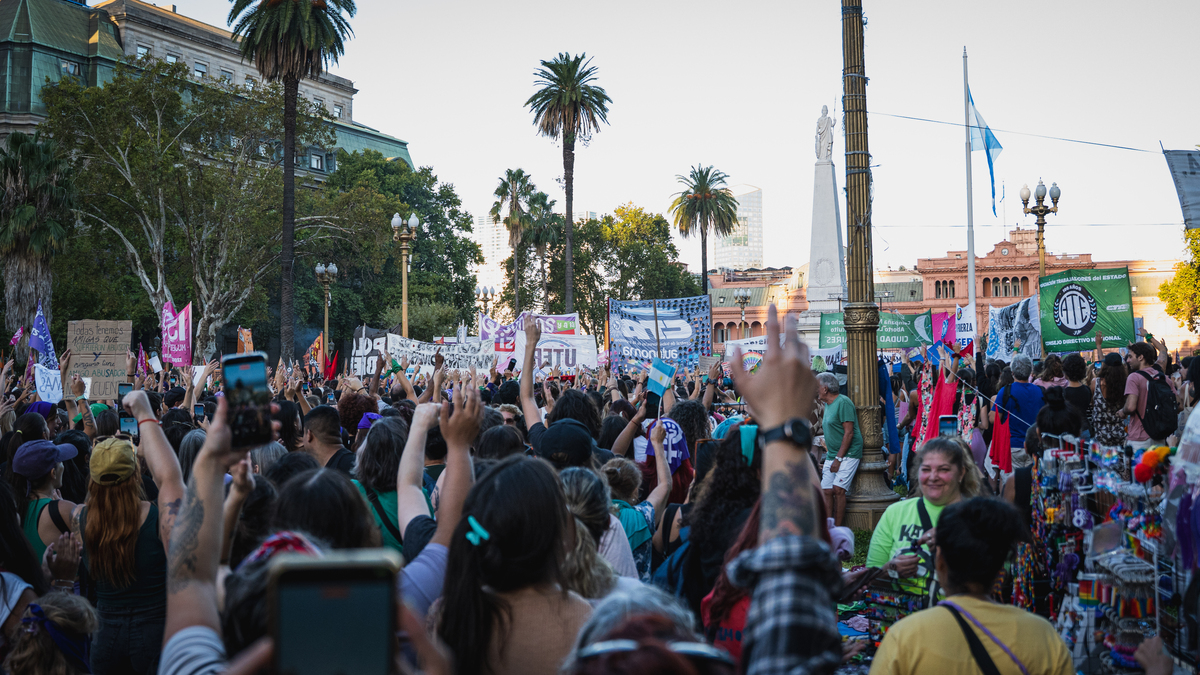
The Argentine Congress approved legal, safe and free abortion in the early hours of December 30, 2020, amid praise from human rights groups and feminist organizations in Honduras and the rest of Latin America.
Although the United Nations condemned the Honduran Congress's reform on Tuesday, what happened in Argentina "cannot happen in Honduras," added Pérez, who is part of the conservative groups that criticize the legalization of abortion in the South American country.
We are present
We are committed to journalism that delves into the territories and conducts thorough investigations, combined with new technologies and narrative formats. We want the protagonists, their stories, and their struggles to be present.
SUPPORT US

FOLLOW US
Related notes

We are present
This and other stories are not usually on the media agenda. Together we can bring them to light.