

A trans woman was stoned to death in Honduras: she was 23 years old
Luz Clarita Zúniga, a 23-year-old trans woman, was stoned to death on the afternoon of Friday, May 1.

Share

By Paula Rosales
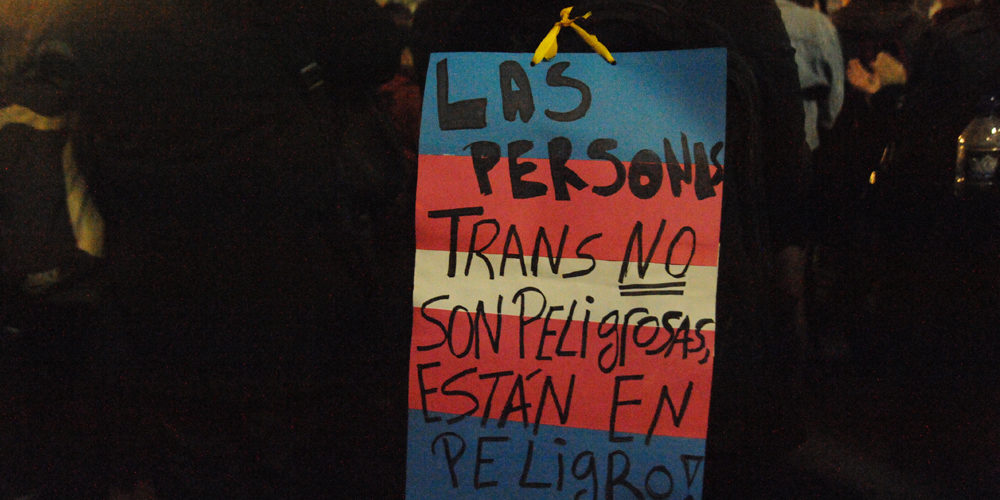
Luz Clarita Zúniga, a 23-year-old trans woman, was stoned to death on the afternoon of Friday, May 1, in one of the streets of the coastal city of La Ceiba, in Honduras, making it the first hate crime during the coronavirus health crisis.
According to the Honduran National Police, Luz Clarita was homeless and was attacked after allegedly arguing with another person on a street in the coastal city, 394 kilometers north of the capital Tegucigalpa.
“Preliminary investigations suggest that the young trans woman was fighting with another person. I can’t tell you why, but according to people who knew him, he was wandering the streets and was involved in an argument,” Marcos López of the Honduran police told Presentes.
[READ ALSO: Honduras: Trans activist arrested while out looking for food: “This is not an isolated case”]
López confirmed to Presentes that they are investigating the murder.
"The police investigation unit has already resumed the case to continue the investigations to find the perpetrator, the person allegedly responsible for the act," he added.
The Pro-Union Organization of Ceiba (OPROUCE) condemned the murder and demanded justice for the crime.
“Once again, our transgender community mourns another act of escalating violence against our vulnerable population. A crime based on gender and hate. Luz Clarita thus joins an endless list of transfemicides in our country,” they expressed in a statement published on their social media.
"They are killing us because of discrimination"
The Observatory of Violent Deaths of the LGBTI Community in Honduras, of the Cattrachas Lesbian Network, has registered six crimes against LGBTI people in 2020; from January to May, 4 gay men, 1 lesbian, and 1 trans woman were murdered.
“She was stoned to death in La Ceiba. She was homeless, and almost all the historical information we have from the homeless observatory indicates that homeless people kill each other. She is the only LGBTI person murdered in Honduras in two months; we had zero murders from the start of the pandemic until now,” Indyra Mendoza, director of the Cattrachas organization, told Presentes.
In the last ten years, organizations have reported approximately 317 hate crimes, 92 percent of which have gone unpunished. Of these, 180 victims were gay men, 37 were lesbians, and 100 were transgender people.
“They kill us because of discrimination, because of hatred towards our population. With this pandemic, we become more vulnerable due to poverty, and even more so if they are sex workers because right now they can't work to feed themselves or pay rent,” Gabriela Redondo, director of the Pink Unity Collective based in the city of San Pedro Sula, told Presentes.
Northern Triangle: a hostile region for the LGBTI population
The Northern Triangle of Central America, made up of Guatemala, Honduras and El Salvador, continues to be one of the deadliest regions for LGBTI populations on the continent.
In 2019, organizations recorded at least 67 murders of LGBTI people in the northern region of Central America. This figure already exceeds the number of murders committed the previous year by six cases, according to a count compiled by the institutions.
[READ ALSO: 2019: 67 murders against the LGBTI+ population in Central America]
According to the report, Honduras tops the list in the region with 34 hate crime cases, followed by Guatemala with 24 and El Salvador with nine. Only two of these murders have gone to trial in El Salvador: those of Camila Díaz and Anahí Miranda.
In Honduras, the number of femicides increased by 36 percent compared to 2018, when there were 25 cases. The majority of the crimes were committed against gay men, with 19 cases; nine transgender women and six lesbians died violently, according to the organization Cattrachas.
The president of Honduras, Juan Orlando Hernández, won re-election in 2017 with the support of the right-wing and conservative National Party of Honduras, which opposes same-sex marriage and promotes Bible reading in schools.
“They kill us because of discrimination, because of hatred towards our population. With this pandemic, we become more vulnerable due to poverty, and even more so if they are sex workers because right now they can't work to feed themselves or pay rent,” Gabriela Redondo, director of the Pink Unity Collective based in the city of San Pedro Sula, told Presentes.
All our content is freely accessible. To continue producing inclusive and rigorous journalism, we need your help. You can contribute here.
We are present
We are committed to journalism that delves into the territories and conducts thorough investigations, combined with new technologies and narrative formats. We want the protagonists, their stories, and their struggles to be present.
SUPPORT US

FOLLOW US
Related notes

We are present
This and other stories are not usually on the media agenda. Together we can bring them to light.