

COVID-19 – COUNTRIES
In recent weeks in Latin America, human rights organizations have reported several instances of increased human rights violations against LGBT+ people in the context of the Covid-19 pandemic. This is due either to these populations being more vulnerable, or to the fact that mandatory isolation measures and street controls subject them to violence…

Share



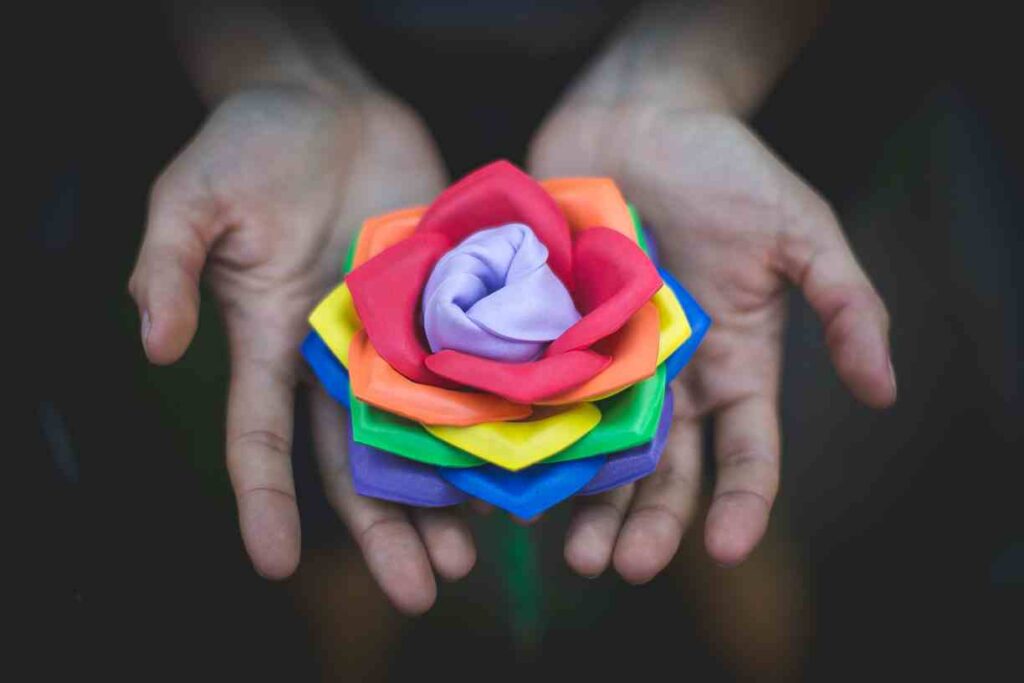
In recent weeks in Latin America, human rights organizations have reported an increase in human rights violations against LGBT+ people in the context of the Covid-19 pandemic. This is due to the increased vulnerability of these populations, as well as the fact that mandatory isolation measures and street controls subject them to domestic violence or discrimination by security forces. In the case of trans and gender-diverse people, this situation is exacerbated by the housing crisis.
For these reasons, the Inter-American Commission on Human Rights (IACHR) called on States to guarantee the rights of equality and non-discrimination of lesbian, gay, bisexual, trans and intersex (LGBTI) people in the care and containment measures adopted.
“In this regard, the Commission has stated on several occasions that the police and other security forces of the States in the region often share the same attitudes and prejudices against LGBTI people that prevail in society at large. Considering the functions that the police and other security forces perform during the period of containment measures, the IACHR calls on States to adopt awareness-raising policies for law enforcement and judicial authorities regarding gender identity and expression, taking into account that trans and gender-diverse people frequently do not have a personal identification document that adequately reflects their gender identity and/or expression.”
For its part, ILGA LAC called for the adoption of “an anti-discrimination and rights-based perspective in the implementation of measures taken by the region’s states in response to the COVID-19 pandemic, taking into account the inequality experienced by LGBTI+ people in our countries.” In its statement , the organization warns that “most LGBTI+ people work in the informal sector and without health insurance, and given this, it is essential to adopt public and private measures to prevent the economic impacts on LGBTI+ people from becoming even more severe.”
The Latin American and Caribbean Network of Trans People (RedLactrans) estimated that "95 percent of trans women engage in sex work" and are excluded from the formal economy, and demanded that ministries and governments in the region create programs for support and socioeconomic assistance. "Trans people do not own their own homes; they must pay rent, buy food, and maintain preventative measures." The network also estimated that "due to poverty and exclusion, they are a high-risk population during the coronavirus pandemic."
Share
We are present
We are committed to journalism that delves into the territories and conducts thorough investigations, combined with new technologies and narrative formats. We want the protagonists, their stories, and their struggles to be present.
SUPPORT US

FOLLOW US
Related notes

We are present
This and other stories are not usually on the media agenda. Together we can bring them to light.