

The Ministry of Health published recommendations on COVID-19 and transgender people.
They advocate for respect for gender identity even if it doesn't match the information on one's ID. They also include recommendations on HIV and hormone treatments.


Share

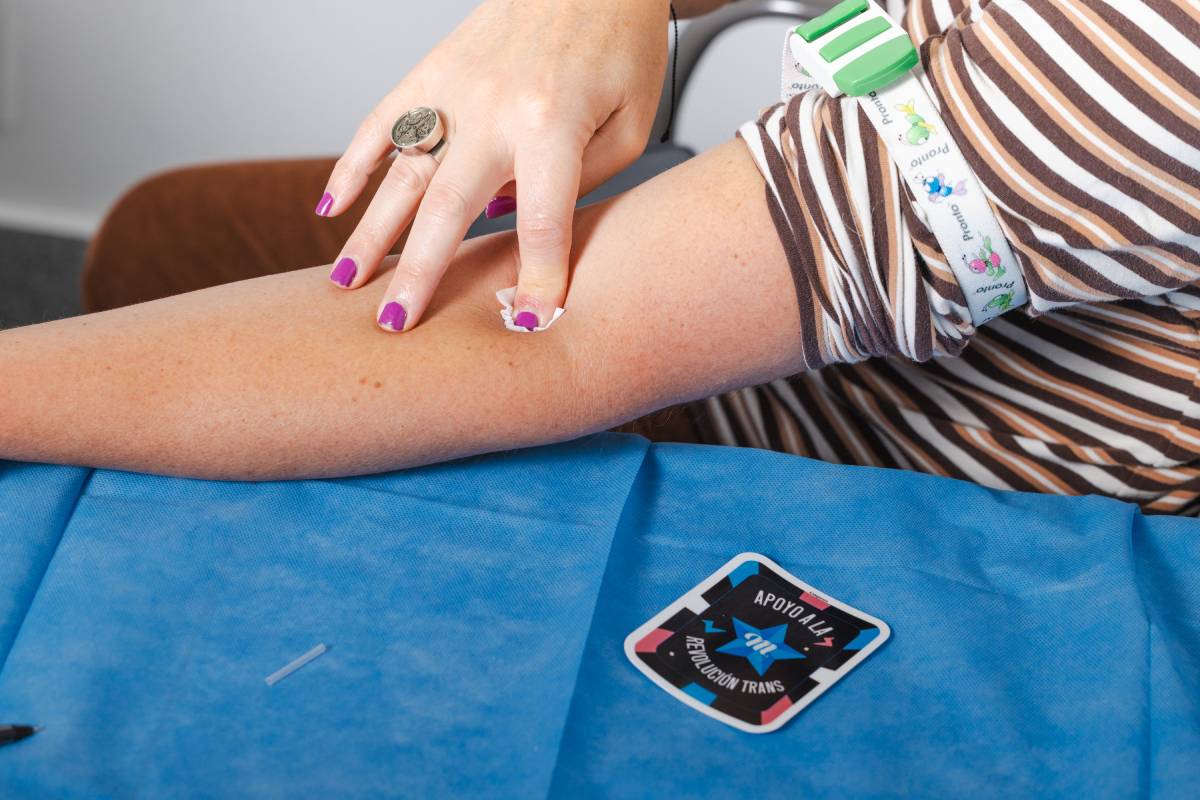
Photo: Ariel Gutraich/Presentes Archive
Access to healthcare for transgender, transvestite, and non-binary people faces restrictions due to the need to navigate binary and exclusionary systems. In the context of the Covid-19 pandemic, several of these vulnerabilities have been exacerbated. Following a call to action by the International Lesbian, Gay, Bisexual, Trans and Intersex Association for Latin America and the Caribbean (ILGALAC) urging states to ensure access to healthcare for transgender people, the Argentine Ministry of Health today issued a statement with recommendations:
[READ ALSO: Stories of dissident quarantines ]
“It is important to remember that we are facing an exceptional, dynamic and transitory situation that obliges us to make the greatest efforts to maintain good practices, dignified and non-discriminatory treatment,” says the text issued by the Ministry of Health.
[READ ALSO: Transvestites and trans people in quarantine: evictions and housing emergency ]
Argentina has had a Gender Identity Law since 2012. The recommendations invoke this law to ensure that the gender and name a person identifies with are respected, even if it differs from the name on their National Identity Document (DNI). In cases of hospitalization, the recommendation is that the patient be admitted to the ward that corresponds to their gender identity. The recommendations also suggest avoiding intramuscular injections and venous access in areas where liquid silicone has been applied.
Regarding hormonal treatments, they recommend administering hormones or medication for a period of two to three months. Follow-up should be conducted virtually or by telephone, and, as with other health situations, every effort should be made to minimize the burden on the healthcare system.
HIV+
As with people undergoing hormone therapy, it is suggested that people on antiretroviral therapy avoid visiting hospitals and health centers whenever possible. To this end, they can obtain their prescriptions electronically, as outlined in Resolution 696/2020 of the Ministry of Health, which includes text messages, web-based messages, email, or fax as valid methods.
The latest epidemiological bulletin issued by the Ministry estimates that 139,000 people are HIV-positive in the country. 63% of them receive care through the public health system.
[READ ALSO: Covid-19: Bachi Trans Mocha Celis created a network to help fellow trans women ]
HIV+ people with undetectable viral load and CD4 counts above 350 do not present a greater risk from Covid-19 than a negative person.
The Ministry's statement also indicates that social security organizations and private health insurance companies must provide medication for more than a month and extend the validity of recently received prescriptions. This is all in accordance with Resolution 281/2020 of the Superintendency of Health Services .
The recommendations also provide online resources on mental health for adolescents and young adults. They also share communication recommendations for healthcare teams and the general public.
Contacts:
-HIV: For inquiries regarding how and where to obtain antiretroviral medication, please contact the following phone numbers: (011) 4379-9000 extension 4841; (011) 4379-9017, 0800-3333-444. You can also email consultasdsyets@gmail.com and contact us through the social media channels of @direcciondesida.
-Inmates: You can call the following toll-free and confidential lines (collect call): HIV/AIDS, STI, Viral Hepatitis, and Tuberculosis Response Directorate: (19) 011 4379 9204. Prison Health Program: (19) 011-4379-9223. -For inquiries regarding sexual health, legal abortion, and contraception, please contact
We are present
We are committed to journalism that delves into the territories and conducts thorough investigations, combined with new technologies and narrative formats. We want the protagonists, their stories, and their struggles to be present.
SUPPORT US

FOLLOW US
Related notes


We are present
This and other stories are not usually on the media agenda. Together we can bring them to light.