

Young gay man shot in Guatemala: he was helping investigate another hate crime
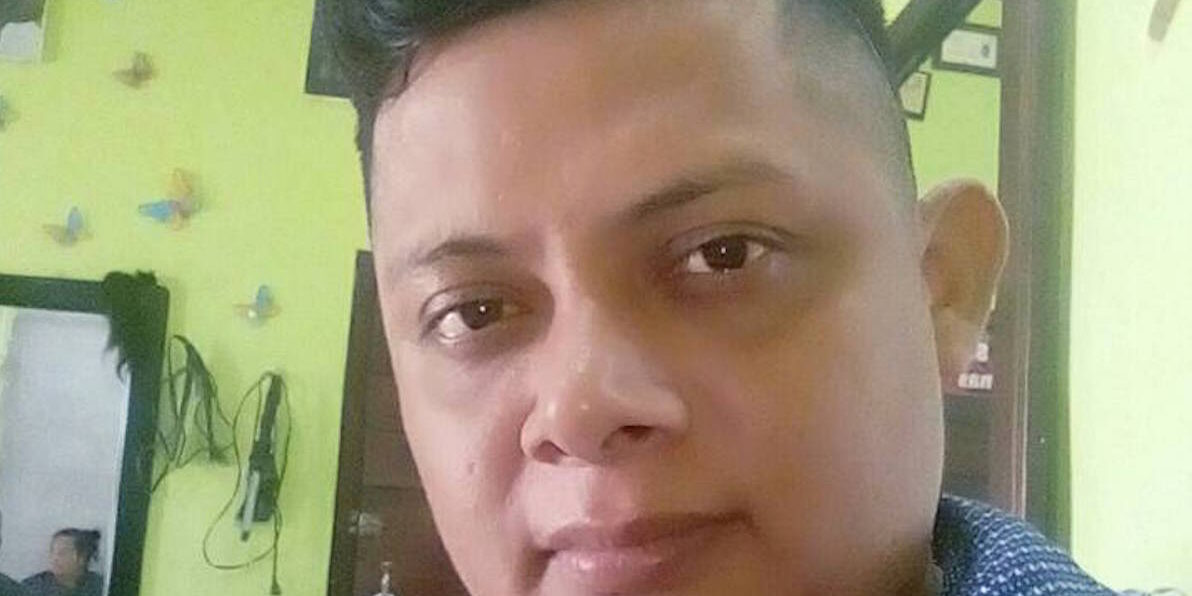
Luis Fernando Reyes García, 26 years old, was a young gay man, a transvestite, originally from the village of Entre Ríos.

Share

By Pilar Salazar
Luis Fernando Reyes García, 26, was a young gay man and transgender woman from the village of Entre Ríos, in the department of Izabal, municipality of Puerto Barrios, 287 kilometers from Guatemala City. He was murdered with eight gunshots on the morning of April 1st while working at his barbershop near his home.
The Office of the Ombudsman for Sexual Diversity, within the Human Rights Ombudsman's Office, told Presentes that they requested the collaboration of the Izabal Departmental Office to follow up on the case of Luis Fernando, open a file, and link him to the investigations of the Public Ministry.
According to someone close to the victim who spoke to Presentes, Fredy was cooperating with authorities in the case of the transfemicide of Luisa Sandoval Lemus, which occurred in the same village on March 2nd. He lived with his mother and three siblings.
[READ ALSO: Transfemicide in Guatemala: Wicha was shaved and mutilated ]
Luis Fernando was the brother of Karla Reyes, a trans woman who was murdered by her partner on April 19, 2016, whose case was emblematic, because although a trial for transfemicide could not be carried out, it has been the first and only case that has had a sentence for homicide against people of the LGBTIQ+ population.
"He was a humble, simple, and helpful person," a friend told Presentes. Luis Fernando was buried in the cemetery of Colonia Las Flores in La Aldea, Entre Ríos.
According to Carlos Romero, from the National Diversity Network and the Observatory for Violent Deaths, Izabal has been identified as one of the departments of Guatemala with recurring patterns of violence towards the LGBT population.
“In less than a month, two LGBTQ+ people have been murdered in the village of Entre Ríos, in Puerto Barrios, Izabal. Luis Fernando Reyes García was the brother of a trans woman also murdered in Puerto Barrios three years ago. The municipality of Puerto Barrios and the villages of Santo Tomás de Castilla and Entre Ríos have been the scene of several murders of LGBTQ+ people, and the documentation of these events has provided irrefutable evidence of criminal patterns based on prejudice. Therefore, we again demand that the National Civil Police, the Public Prosecutor's Office, and the Office of the Ombudsman for Sexual Diversity of the IPDH (Peruvian Institute for Human Rights) take seriously the identification and punishment of those responsible,” the Network stated in a press release.
Domestic violence during curfew
As of yesterday, Presentes had received reports of two LGBT+ individuals assaulted during the Covid-19 crisis. These include a trans woman and a 16-year-old gay boy who were victims of violence perpetrated by their families.
Amnes is a 26-year-old trans woman who, until two days ago, lived with her father and sister. She left her home on Saturday, seeking help despite the curfew, due to an emergency involving violence. She is a constant victim of mistreatment and denial of basic needs because of her family's transphobia. Amnes makes a living through informal work and is now staying at a friend's house, where she feels safer than with her family, as she told Presentes.
Marvin* is a 16-year-old boy from San Antonio Sija, part of the municipality of San Francisco el Alto, in the department of Totonicapán, located 173 kilometers from the capital city. He told his family a few months ago that he is gay, and since then he has been subjected to constant violence. The situation escalated on Tuesday when he was physically assaulted by family members.
Visibles, an LGBTIQ+ civil society organization, received a complaint from a friend of Marvin* who contacted the Office of the Ombudsman for Sexual Diversity of the Human Rights Ombudsman, which, together with the Attorney General's Office (the PGN is responsible for representing children, adolescents, the elderly, and people with disabilities before any court of law when they lack legal representation), proceeded to visit his home and verify the situation.
[READ ALSO: How Covid-19 affects LGBT+ people in the region: data and assistance ]
“We held a dialogue with his family and informed them that if this situation were to repeat itself, Marvin* would be placed under the protection of the State of Guatemala. We suggested they enroll in the “Parents' School” program to avoid the institutionalization of the minor,” Henry España of the Ombudsman's Office told Presentes.
Marvin* can currently only communicate through a close friend.
#YouAreNotAlone
Since Covid-19 entered the country, the diversity organization Visibles has been developing a campaign called “#NoEstasSolx” (You Are Not Alone) , which states that home is not always a safe place for LGBTQ+ people. It also addresses leisure and free time, as well as the economic and employment impact of the crisis.
Daniel Villatoro, Executive Director of the organization, told Presentes that this campaign aims to remind people that LGBTQ+ individuals continue to be victims of violence and that response efforts must also include this vulnerable group. In a time when the times we live in and the conditions in which we work are no longer the same, it is necessary to strengthen reporting mechanisms during periods of isolation and confinement.
According to unofficial data, since the Covid-19 crisis there have been 5 complaints of violence at the Office of the Ombudsman for Sexual Diversity.
All our content is freely accessible. To continue producing inclusive journalism, we need your help. You can contribute here .
We are present
We are committed to journalism that delves into the territories and conducts thorough investigations, combined with new technologies and narrative formats. We want the protagonists, their stories, and their struggles to be present.
SUPPORT US

FOLLOW US
Related notes

We are present
This and other stories are not usually on the media agenda. Together we can bring them to light.