

A trans woman was shot and killed in El Salvador: she was 28 years old
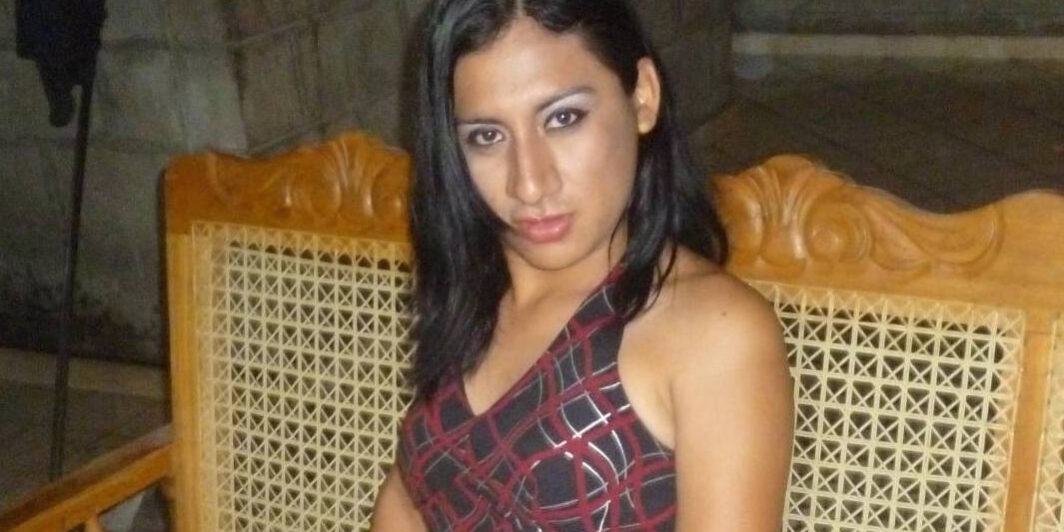
Cristi Conde Vásquez, a 28-year-old trans woman, was murdered on Thursday, December 19.

Share

Cristi Conde Vásquez, a 28-year-old transgender woman, was murdered on Thursday, December 19. She was chased and taken to a location where she was shot approximately five times, according to a report by the National Civil Police. This is the eighth murder of a transgender woman recorded in 2019. Police were slow to confirm the murder to a local journalist, and the justice system has not yet begun investigating the case.
Carlos Rodríguez, Deputy Attorney General for the Defense of Civil and Individual Rights, told Presentes: “As the Human Rights Ombudsman's Office, we have expressed our deep concern regarding the ineffectiveness of the authorities responsible for guaranteeing access to justice. In these cases, we have pointed out that the authorities' actions are slow or negligent.”
[READ ALSO: Camila's last night, a trans woman persecuted by gangs and murdered by the police ]
“In cases like Anahy’s, the prosecution chose not to classify the crime as a hate crime. In almost all cases, the prosecution fails to apply the aggravating circumstance of hate crime,” he added.
Bianka Rodríguez, director of the Association Communicating and Empowering Trans Women (COMCAVIS TRANS), told Presentes that Cristi Conde was originally from Las Isletas, in the department of La Paz, 53 kilometers southeast of El Salvador's capital. She worked as a street vendor, one of the main sources of income for the trans population.
[READ ALSO: 2019: 67 murders against the LGBTI+ population in Central America ]
The study “Without Equal Rights: Unequal Access to Social Security for the LGBTQ Population in the San Salvador Metropolitan Area,” prepared by the association Acción por la Memoria y Apoyo al Trabajo para la Equidad en El Salvador (AMATE), indicates that 50 percent of the trans women surveyed are self-employed, meaning they work in the informal sector without social benefits such as access to healthcare or pension savings. The report was based on a survey of 384 people.
Trans rights organizations indicate that access to education and employment is limited for this population; in many cases, they join the informal economy or risk engaging in sex work on the harsh streets of San Salvador and in the main cities of the Central American country.
“How terrible and how painful and powerless it is to see and live through these cases where they continue to take the lives of our TRANS population. Today our sister La Costeñita, as she was known, was murdered,” wrote Odalys Araujo, a human rights defender, on her personal account.
Murders increased in the last quarter of 2019
From January to December 2019, eight transgender women and one gay man were murdered, according to cases registered by human rights organizations. Only the cases of Camila Díaz , allegedly murdered by police, and Anahy Miranda have gone to court.
The alleged perpetrator of Anahy's murder was given a $10,000 bail to continue the process while free.
October and November 2019 were the most difficult months; in one month and three days, four crimes against the trans population of the Central American country were reported.
[READ ALSO: Trans woman attacked in El Salvador and police refused to take her report ]
Anahy Miranda Rivas, 27, was murdered in the early hours of Sunday, October 27, on a busy avenue in San Salvador. On November 9, Jade Camila Díaz, a trans activist, was found dead in the department of Morazán, in northeastern El Salvador.
On Saturday, November 16, Victoria Pineda was brutally murdered on a street in the Cara Sucia canton, Ahuachapán department. Rosa Granados, a 28-year-old trans activist, was murdered in her home, shot four times in the head. She lived in the Loma Larga canton, La Unión department, 182 kilometers east of San Salvador.
]]>Share
We are present
We are committed to journalism that delves into the territories and conducts thorough investigations, combined with new technologies and narrative formats. We want the protagonists, their stories, and their struggles to be present.
SUPPORT US

FOLLOW US
Related notes


We are present
This and other stories are not usually on the media agenda. Together we can bring them to light.