

A trans woman was stoned to death in Guatemala: she was 35 years old
Jennifer Ávila was sexually assaulted and stoned to death. She was 35 years old.

Share

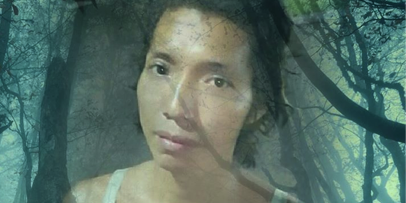
Jennifer Ávila, a 35-year-old transgender woman, was sexually assaulted and stoned to death. Her body was found by volunteer firefighters on January 1st on 4th Avenue, Obregón neighborhood, in the municipality of Mazatenango, 160 km from Guatemala City.
She was taken to the Mazatenango National Hospital, where she died, according to Ángel Romeo Cabrera of the Volunteer Fire Department, who spoke to Presentes. She is the second transgender person murdered in the municipality in less than two months .
[READ ALSO: 2019: 67 murders against the LGBTI+ population in Central America ]
Jennifer's body was taken to the National Institute of Forensic Sciences (INACIF) at 2:42 p.m., and according to the autopsy, she died from a traumatic brain injury, Mirna Zeledón, a spokesperson for the Institute, confirmed to this news outlet. She showed signs of torture and sexual violence.
“It breaks my heart to see the way they killed her.”
Jennifer, or "Bubble, " as she was affectionately known, enthusiastically participated in activities such as marches, forums, and human rights workshops in the city. She had been expelled from her family at a young age, and, according to a friend who spoke to Presentes on condition of anonymity, this led her to alcoholism. Jennifer traveled periodically to Escuintla (120 kilometers from Mazatenango) to work as a sex worker. "It breaks my heart to see how they killed her," she added.
[READ ALSO: A lesbian and a gay man were murdered in the same region of Guatemala ]
The organization “Otrans Queens of the Night” and the “Observatory for Violent Deaths” of the National Diversity Network issued statements on the matter:
“OTRANS-RN deeply regrets the cruel stoning murder of our comrade Luisa Ávila Sumpala, affectionately known as “Burbuja.” We send our condolences to her family and friends and strongly condemn the ongoing gender-based violence against us.”
[READ ALSO: A bill seeks to penalize discrimination against LGBT people in Guatemala ]
"We demand clear actions from the Public Prosecutor's Office and the National Civil Police, as well as the LGBTI Ombudsman's Office of the Human Rights Ombudsman (PDH) to follow up on the case, the second in less than two months in the municipality," said the National Network.
In 2019, the gaps for the LGBTIQ+ community in Guatemala were significant, but compared to 2018, civil society organizations perceive a more visible and informed population. And for the first time this year, two openly gay members of parliament were elected: Aldo Dávila and José Hernández.
READ MORE: Guatemala adds two gay congressmen: progress and impacts
But organizations in Guatemala are worried. On the one hand, they are concerned about the rise of the incoming president, Alejandro Giammattei, as they believe his conservative rhetoric could increase attacks and hate crimes.
Giammattei was accused by the now-defunct International Commission Against Impunity in Guatemala (CICIG) of extrajudicial killings of prisoners at the Pavón prison. Imprisoned in 2010 and acquitted by a court citing lack of evidence, his case has now been closed.
During his election campaign, Giammattei stated his opposition to same-sex marriage and abortion. His party, Vamos por una Guatemala Diferente (VAMOS), will govern until 2024 and is pushing for the strengthening of the armed forces and the reinstatement of the death penalty.
]]>We are present
We are committed to journalism that delves into the territories and conducts thorough investigations, combined with new technologies and narrative formats. We want the protagonists, their stories, and their struggles to be present.
SUPPORT US

FOLLOW US
Related notes

We are present
This and other stories are not usually on the media agenda. Together we can bring them to light.