

Pride March: a celebration of 500,000 people in the streets of Buenos Aires
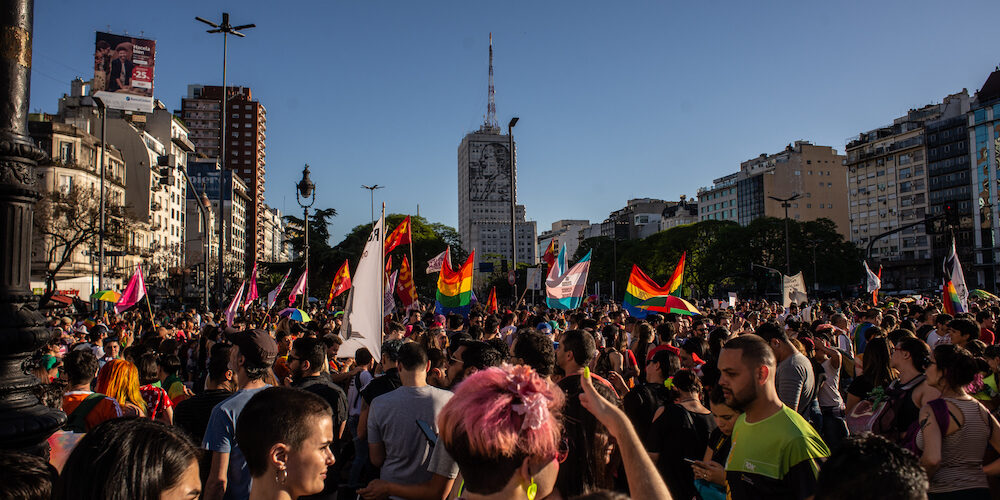
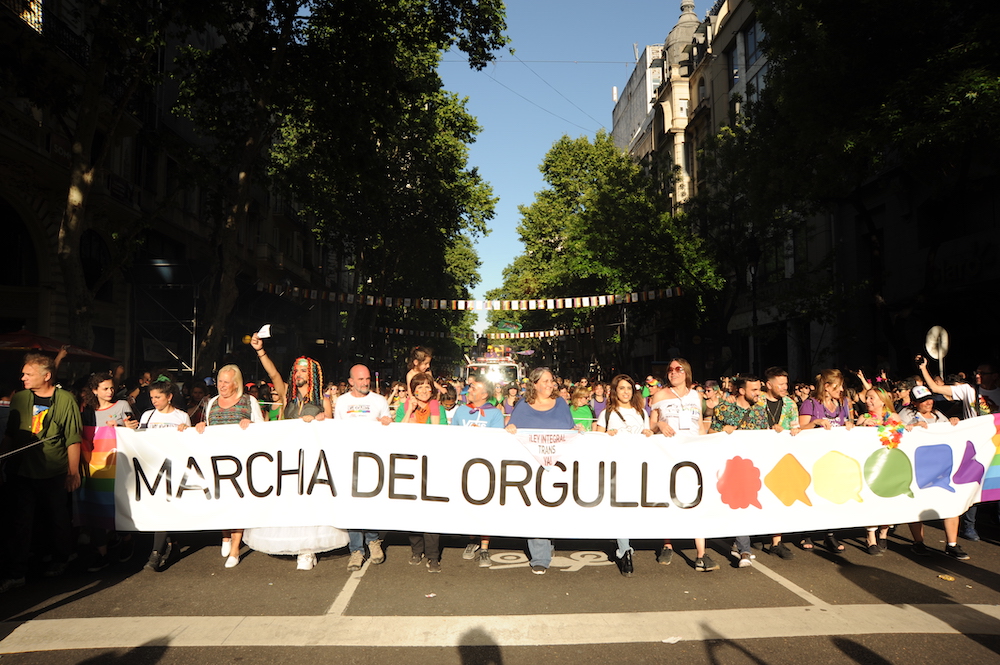
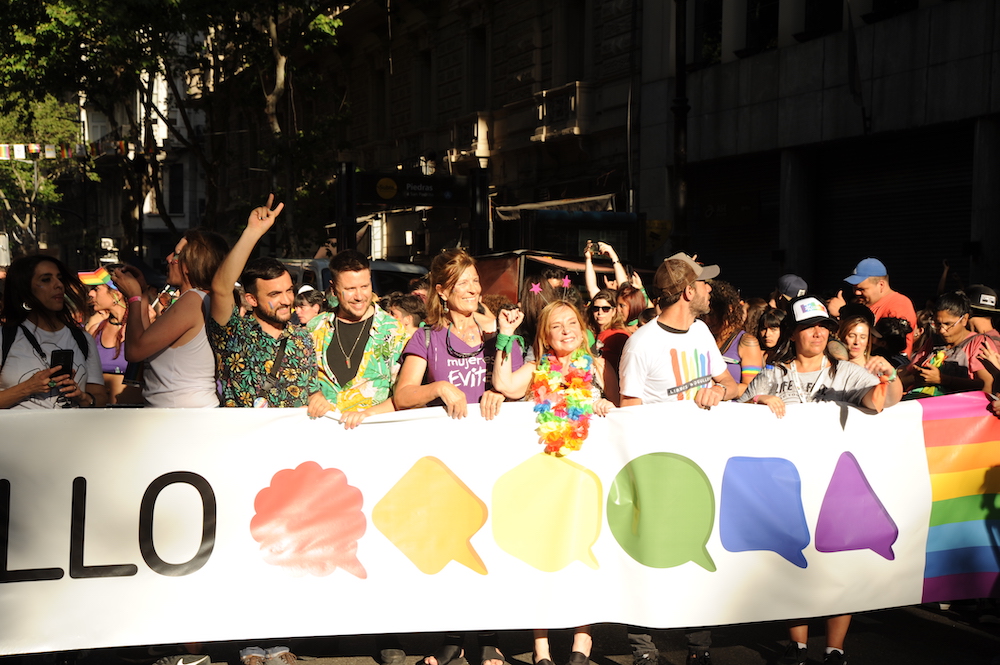
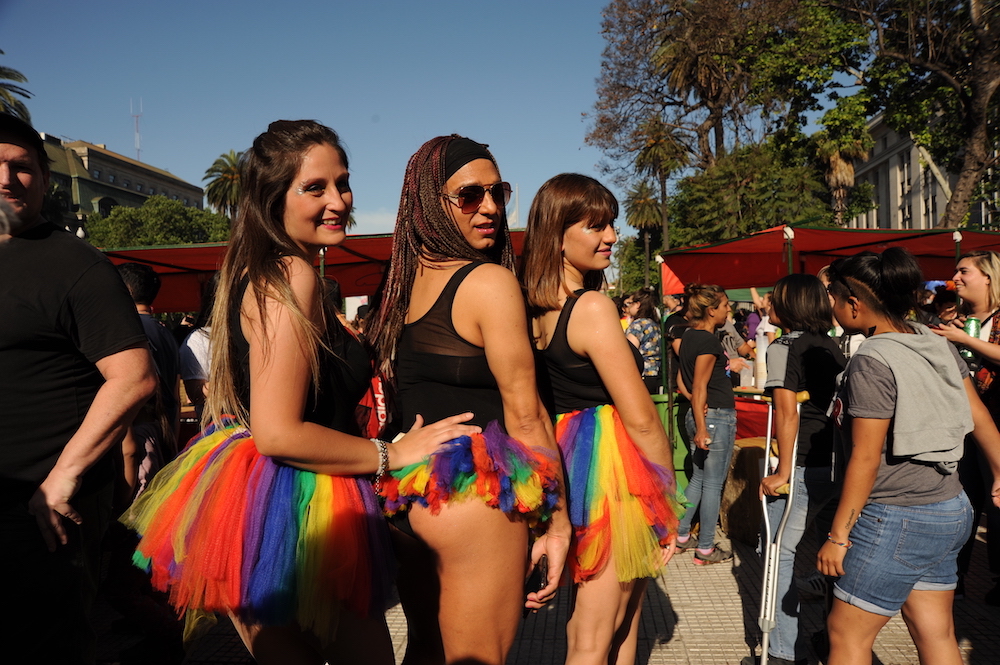
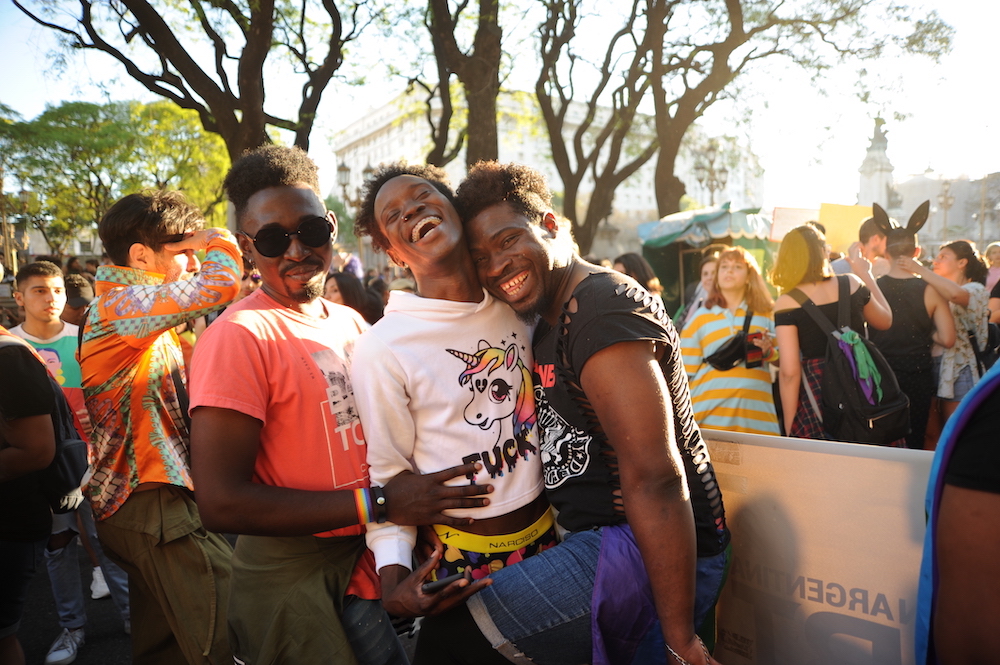
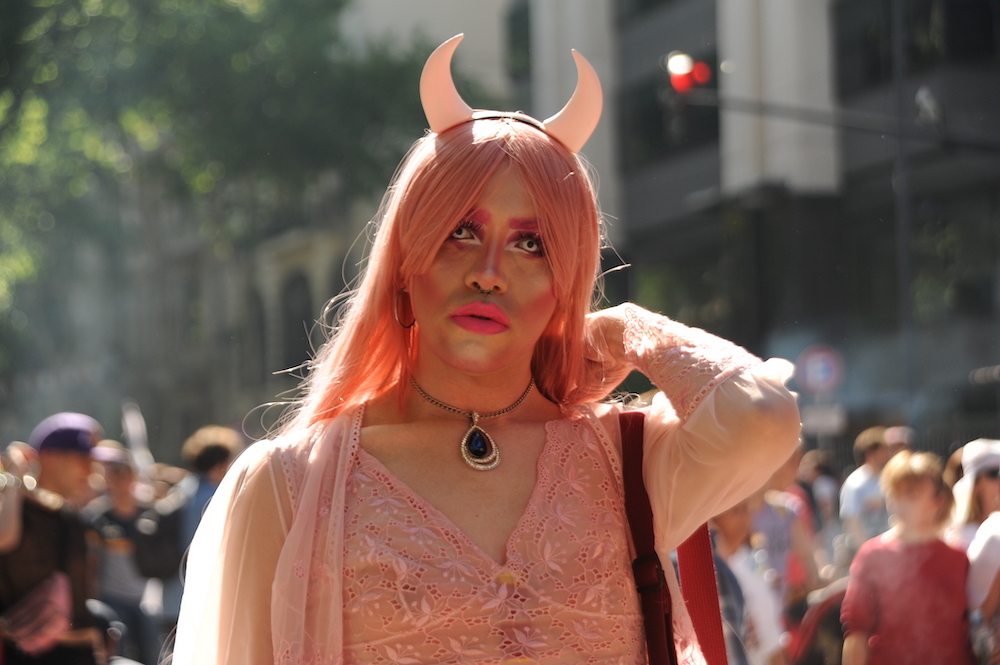
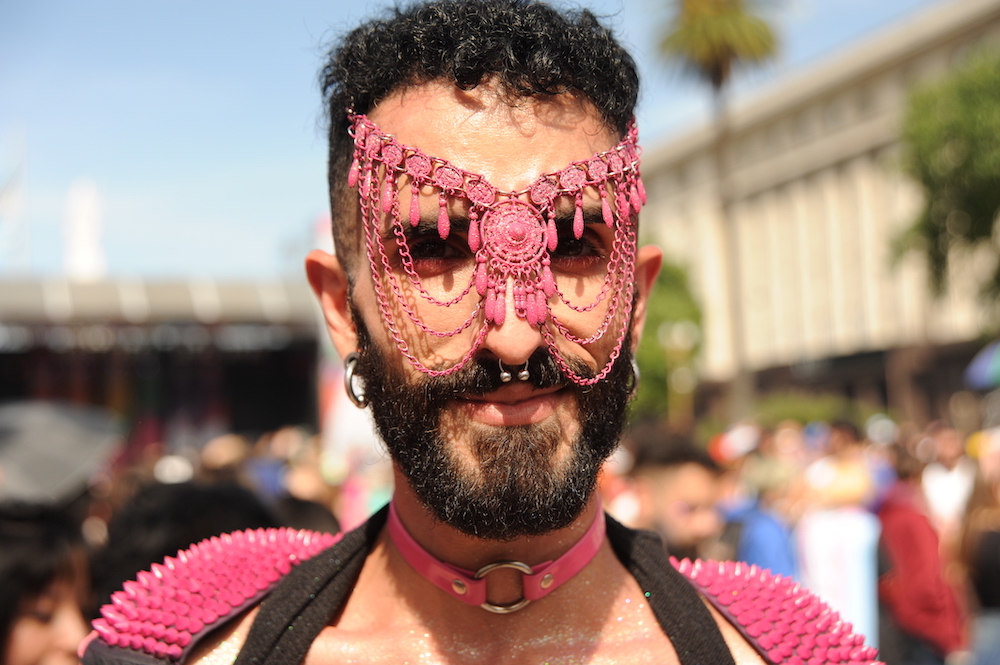
The 28th Pride March in Buenos Aires was historic: 500,000 people danced, sang, and marched from Plaza de Mayo to the National Congress for 9 hours.

Share

Photos: Ariel Gutraich/Estefanía Cajeao and Mariana Leder Kremer for Legüera ProduAcciones
Chronicle: Agustina Ramos
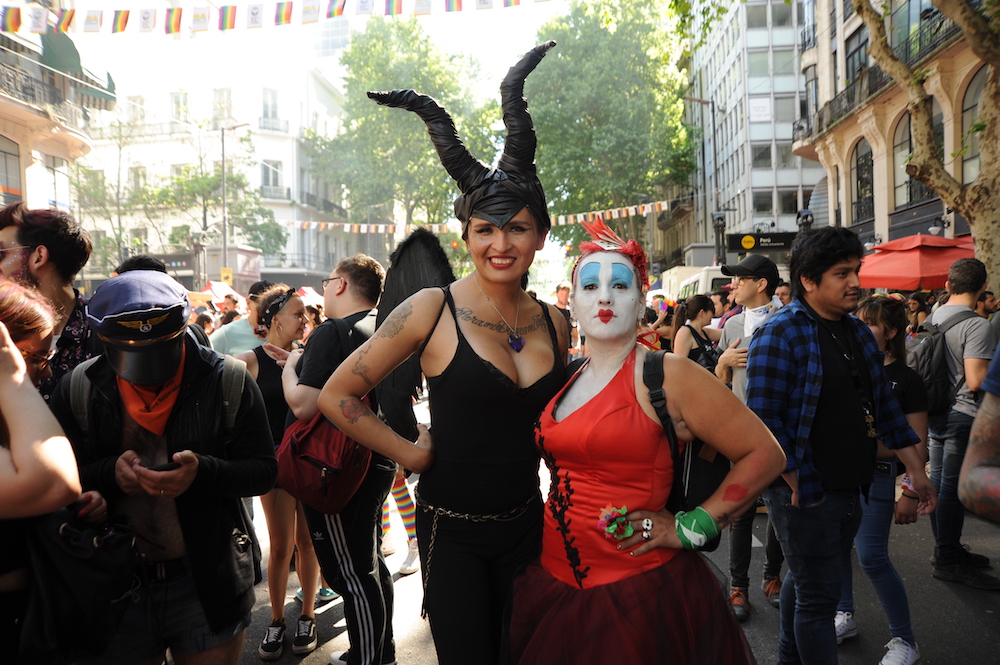
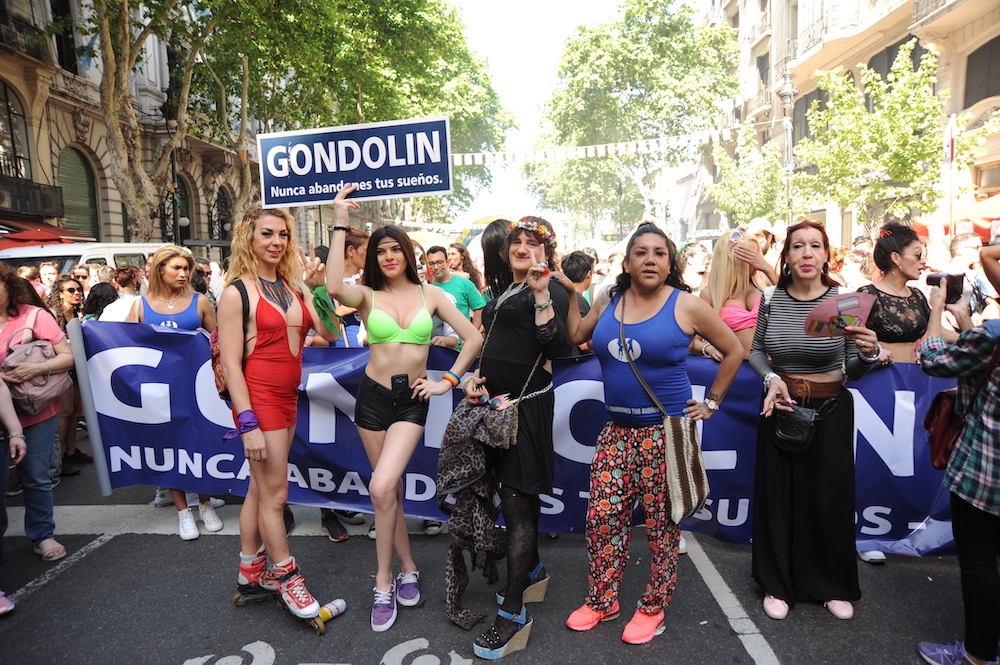
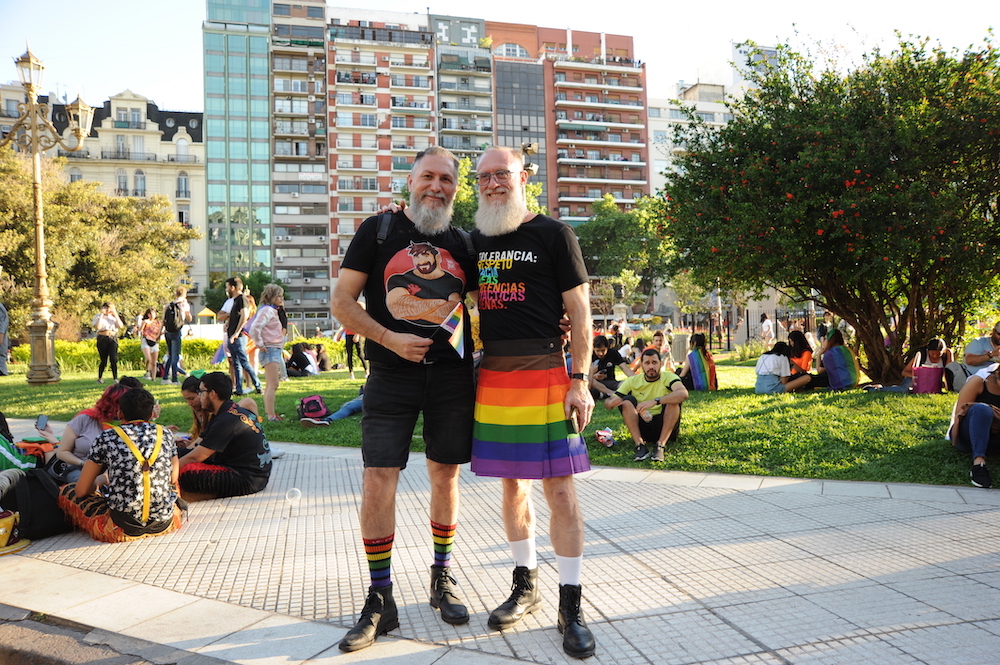
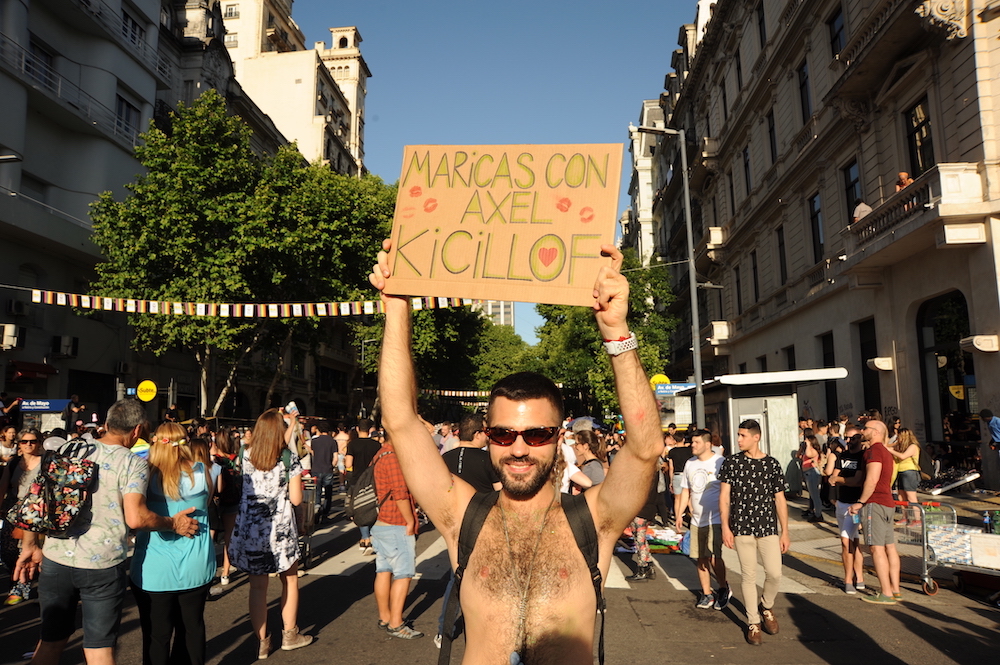
The 28th Pride March in Buenos Aires was historic: some 500,000 people danced, sang, and marched from Plaza de Mayo to the National Congress for nine hours. The main slogan was "For a country without institutional or religious violence. Stop hate crimes," amidst a post-election context where President-elect Alberto Fernández reiterated his support and commitment to sexual diversity in a tweet that went viral.
In that sense, Ezequiel Rabines, a gay activist from La Cámpora and responsible for security at the March, told Presentes: “I experienced this march as a huge popular celebration. There was a desire to take to the streets again freely, without feeling the repression that existed under the Macri government. I experienced it with immense joy at resuming the path toward the recognition of our rights and having public policies guarantee our freedom.”
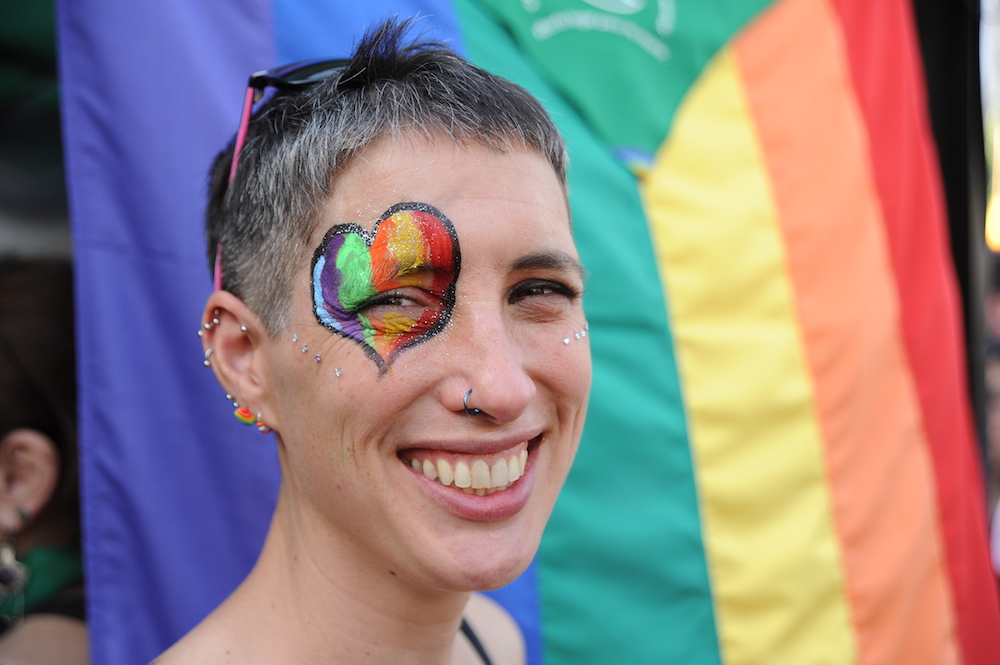
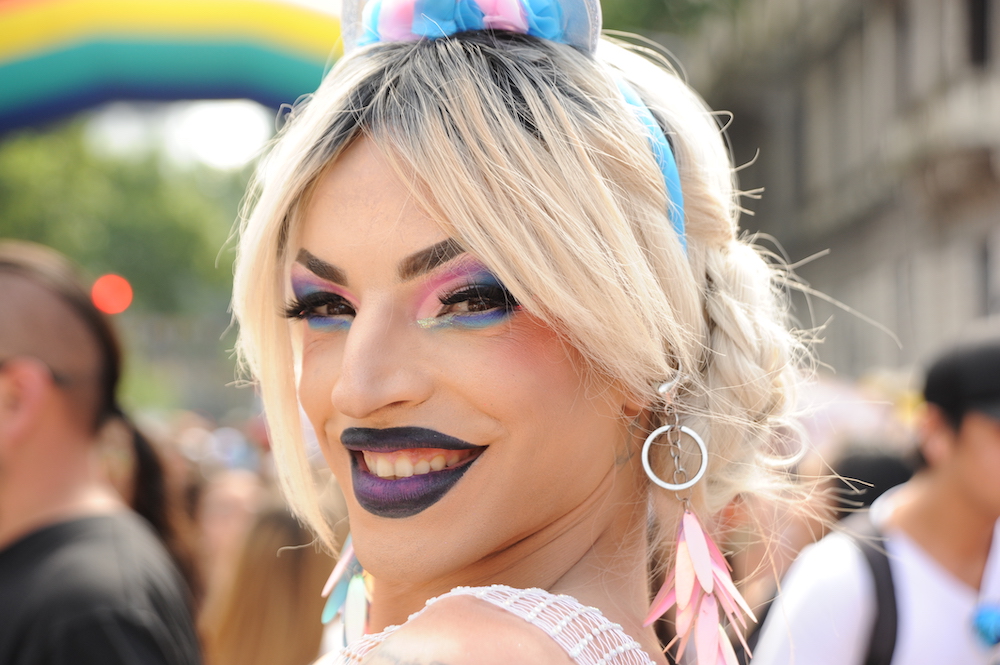
From midday thousands gathered in Plaza de Mayo for the Pride Fair with music from DJ Alan Fabulous and DJ Fabian Jara in the background.
🇦🇷🏳️🌈🎉🌈🎊The music kicked off on stage at the 2019 Pride March Buenos Aires with the trap artist La Queen!!! pic.twitter.com/7K2iogfSRP
— Presentes Agency (@PresentesLGBT) November 2, 2019
A new addition to this year's fair was the presence of the vulva condom project, a demand that has been gaining traction in recent months and aligns with one of the March's 22 sub-slogans: “Cuts to healthcare kill. Stop the medicine shortages. We demand a new HIV law.” Regarding this, Isma, a young trans man, told Presentes: “Without hormones, there is no pride. It's very difficult to be happy in a context like this. For me, this space is a space for struggle.”

🇦🇷🌈🎉🏳️🌈 We're still in Plaza de Mayo until 4 PM for the #PrideMarch 🎊🖤 Mala Fama is still to play and @MarilinaBrtoldi 🏳️🌈🎉 Then we'll march to Congress!!! pic.twitter.com/veJnXj2xjY
— Presentes Agency (@PresentesLGBT) November 2, 2019
Among the crowd, seated on the grass, was a group of twenty people dressed in fuchsia and violet uniforms and multicolored knee-high socks: they were the Ciervos Pampas Rugby Club. Quique, the president of the first LGBTQ+ rugby club in Latin America, told Presentes that “rugby has historically been built as a macho and elitist sport. We are building a new sport without homophobia and without any kind of discrimination. We are tackling homophobia.”

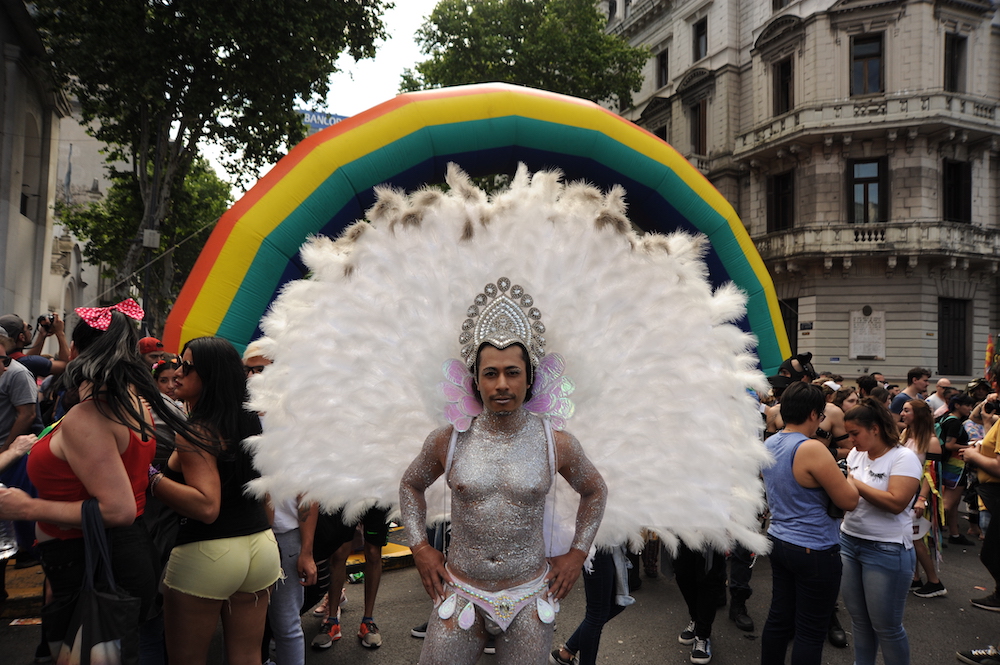
At 4 p.m., after La Queen and Mala Fama, it was Marilina Bertoldi's turn to close the show. "I hope you enjoy it. This march is ours," she said mid-performance to a cheering crowd. Bertoldi invited Benito Cerati to join her for a cover of a Virus song.
“There was no payment from the national government for the artists; they went with a minimal, symbolic allowance. They were there putting themselves on the line because they are also convinced of what we are doing and how important that moment is,” said Spagnuolo, from COMO.
🇦🇷🎉🌈🏳️🌈 #Now @MarilinaBrtoldi on stage at the #PrideMarch in #BuenosAires pic.twitter.com/WmAzTS2BKG
— Presentes Agency (@PresentesLGBT) November 2, 2019

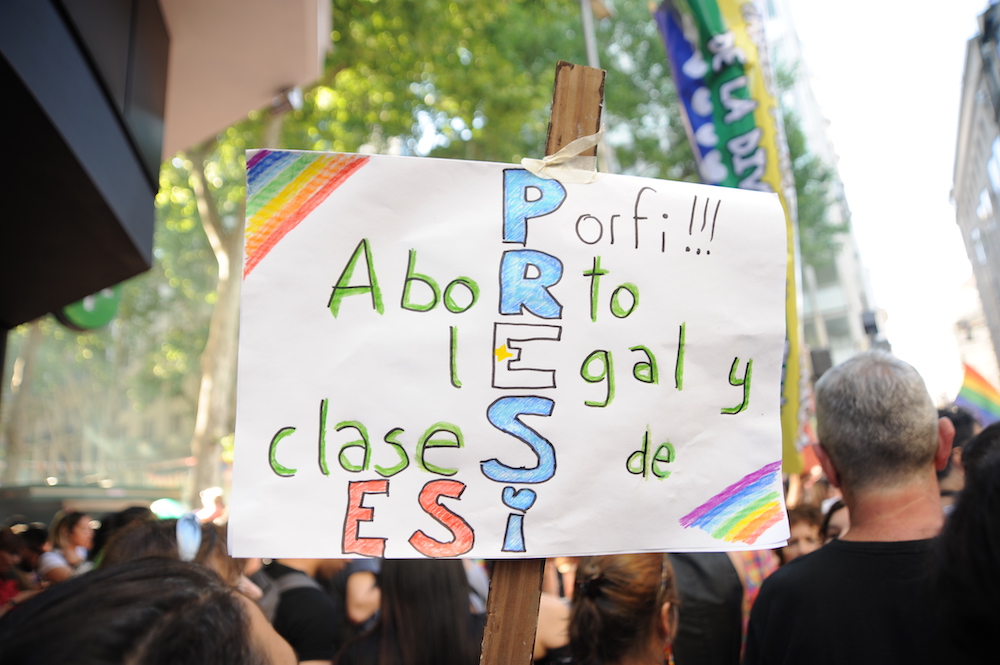
The Organizing Committee's speech was delivered from a stage in Plaza de Mayo because the national government did not respond to their request for a stage in Congress, according to the organizations. From there, they announced the main slogans of each sector. Among them: “Leave Comprehensive Sexuality Education (CSE) alone,” “Political, economic, and symbolic separation of Church and State,” “Comprehensive Trans Law,” “Stop racism, xenophobia, and sexism,” “Non-binary people exist,” “Proudly bisexual and pansexual,” and “Out with the IMF.”
Marian Spagnuolo, a representative of the LGBT Federation in the region and a member of the Pride March Organizing Committee (COMO), explained to Presentes: “There wasn't a refusal from the national government, they simply left us hanging, without a response.”
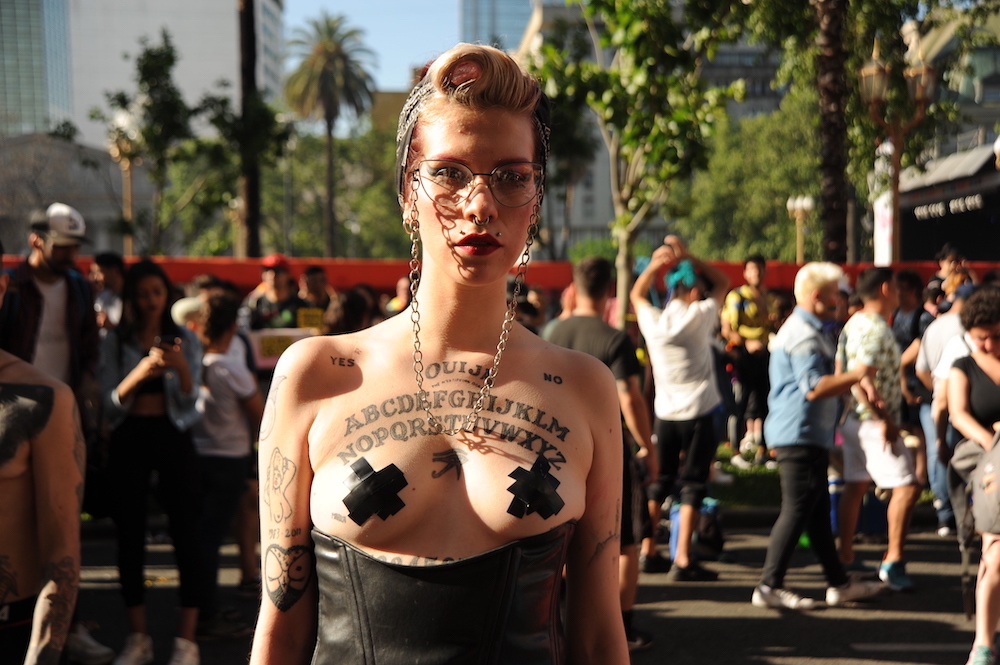

#PrideMarch 🇦🇷 “My daughter is a lesbian and I don’t want any more injustice. I started coming to the marches when Macri took office because I knew LGBT people would be greatly harmed by his government,” says Jorge. pic.twitter.com/ufDIk8I0C8
— Presentes Agency (@PresentesLGBT) November 2, 2019
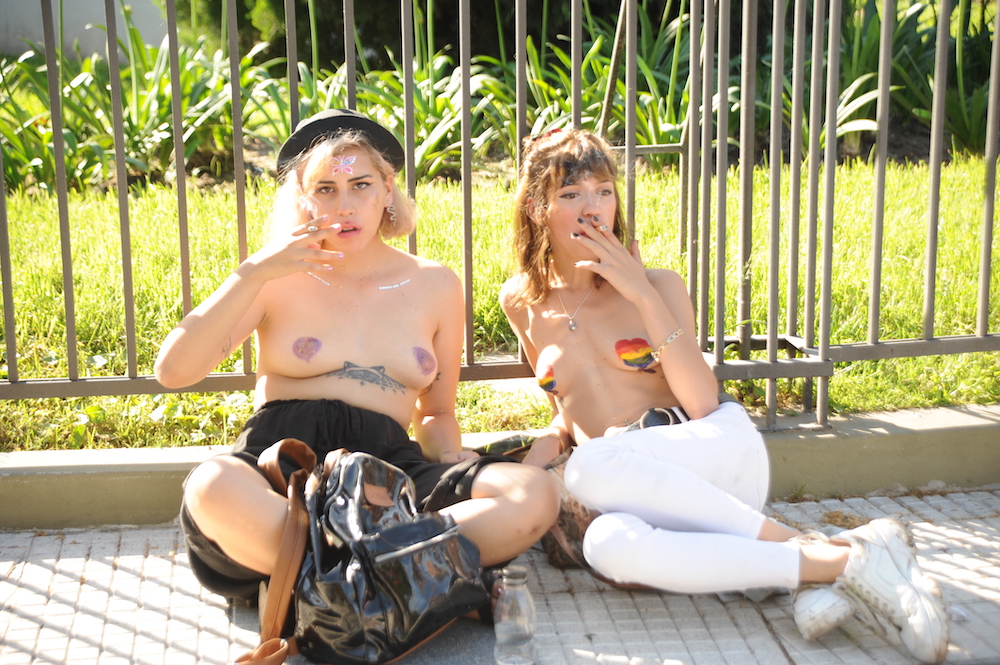
It's official! The 28th Pride March in Buenos Aires, and every step is both a celebration and a political statement. For what we've already achieved and what remains to be fought for, today we march, dance, and sing. pic.twitter.com/hpH6oV2gaG
— Presentes Agency (@PresentesLGBT) November 2, 2019


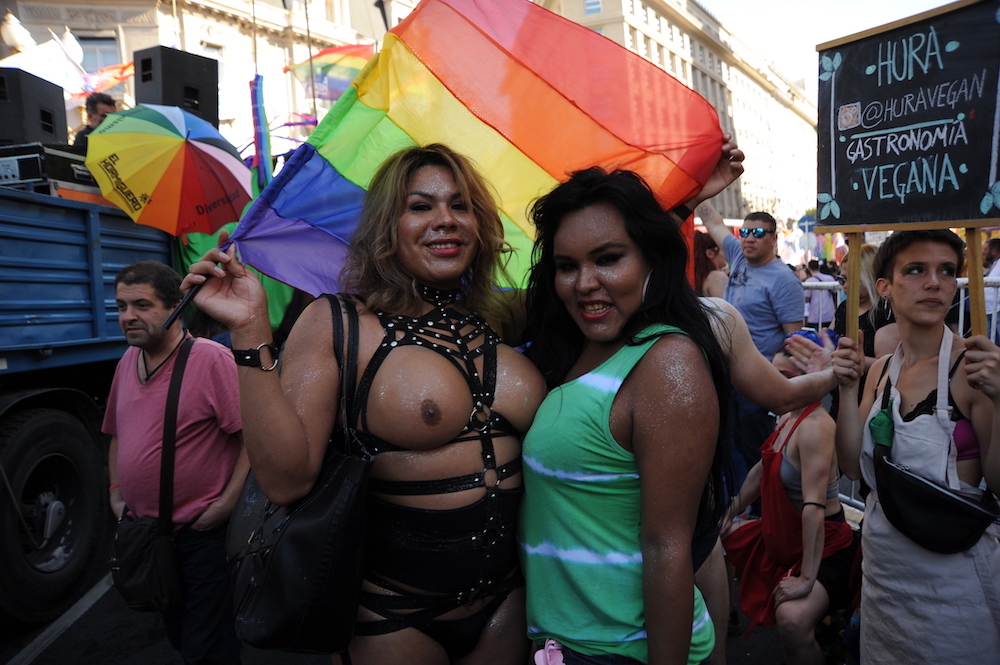
Sandra Chagas, an anti-racist and lesbian activist belonging to the Anti-Racist Column of Black, Indigenous, Racialized, Lesbian, Trans, Transvestite, Non-Binary, and Gordex Women, told Presentes: “The fact that we are all lesbians, gays, trans, etc., doesn't make us any less racist. From our perspective, we understand that racism is practiced within the LGBT community, and the community has to take responsibility for that and figure out how to repair it.”
🇦🇷“My #pride is being a non-binary, Afro-feminist, Afro-Indigenous, anti-speciesist, and anti-fascist lesbian,” says Estefanía Camera of Black, Indigenous, Racialized, Lesbian, Transvestite, Trans, Bisexual, Non-Binary, and Fat People #PrideMarch pic.twitter.com/wm8IVEcqpO
— Presentes Agency (@PresentesLGBT) November 2, 2019
Organizations such as La Rosa Naranja, Conurbanos por la Diversidad, 100% Diversidad y Derechos, and the Argentine Homosexual Community (CHA), among others, were not part of the Commission but actively participated in the march. Madeleine Valverde, a trans activist with La Rosa Naranja, spoke about the situation of the community she belongs to: “Today is an important day for our community: enough with the deaths, enough with the continued stigmatization and discrimination. Enough with the lack of work and the lack of rights.”
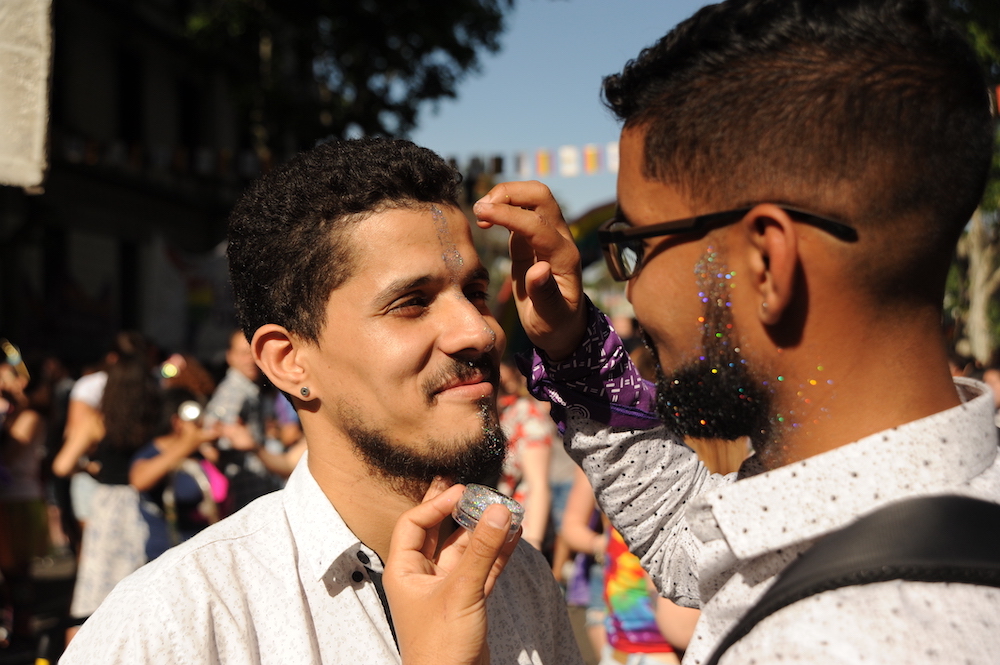
The trans activist Daniela Ruiz told Presentes, “I’m here first as an abolitionist, second as a trans woman, third as a brown woman, fourth as a plurinationalist, and fifth as a feminist.” She added, “We are at a moment not only of deconstruction but also of building pride and struggle. We believe in the need for a trans employment quota – Diana Sacayán. Trans women want dignified work, not only to be present but to be a transversal part of this cultural change.”
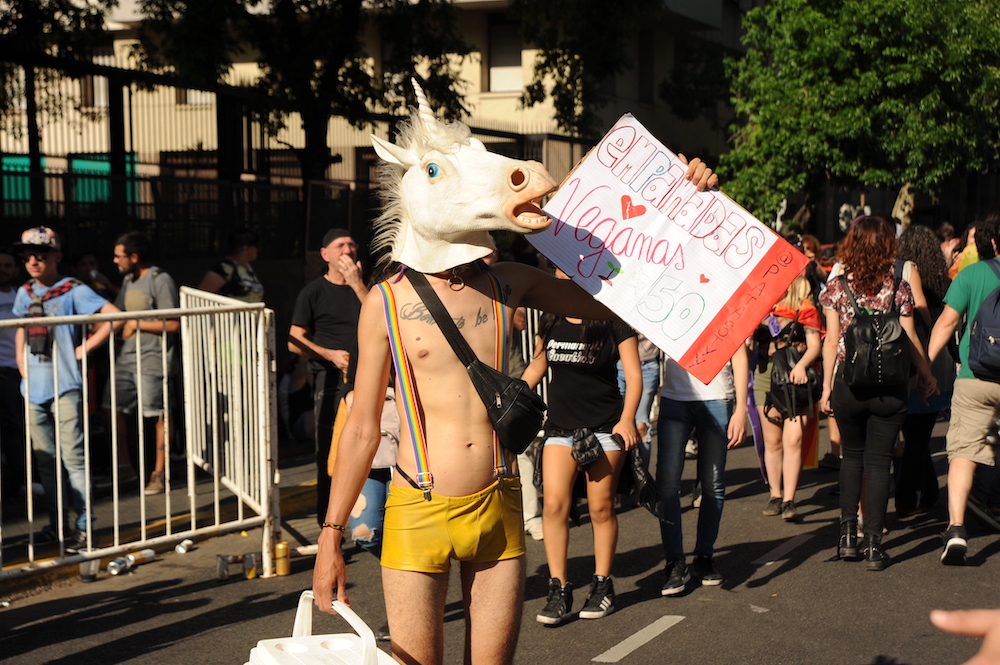
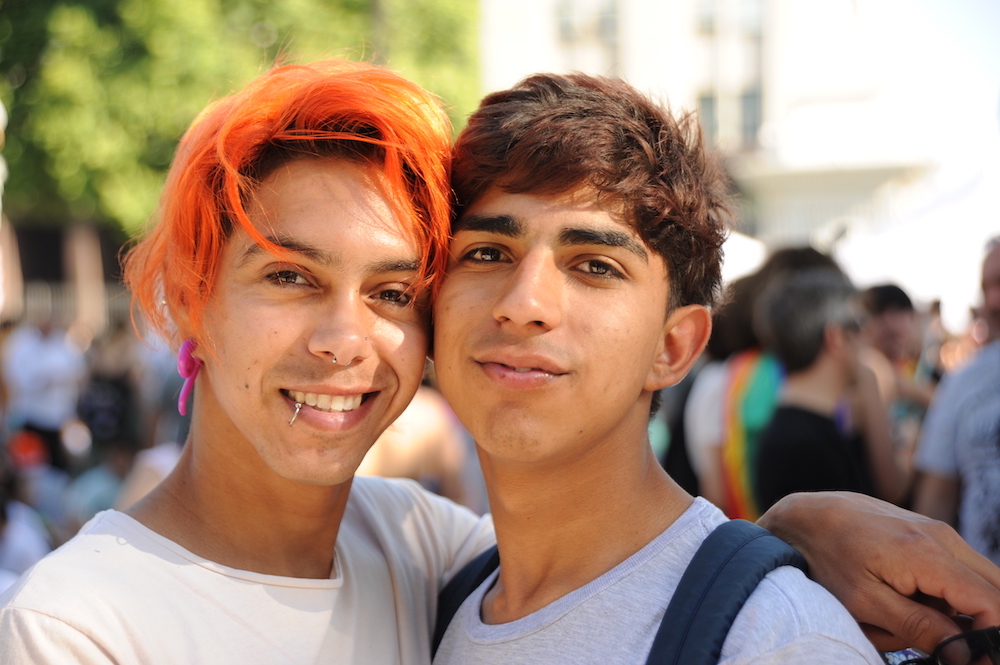
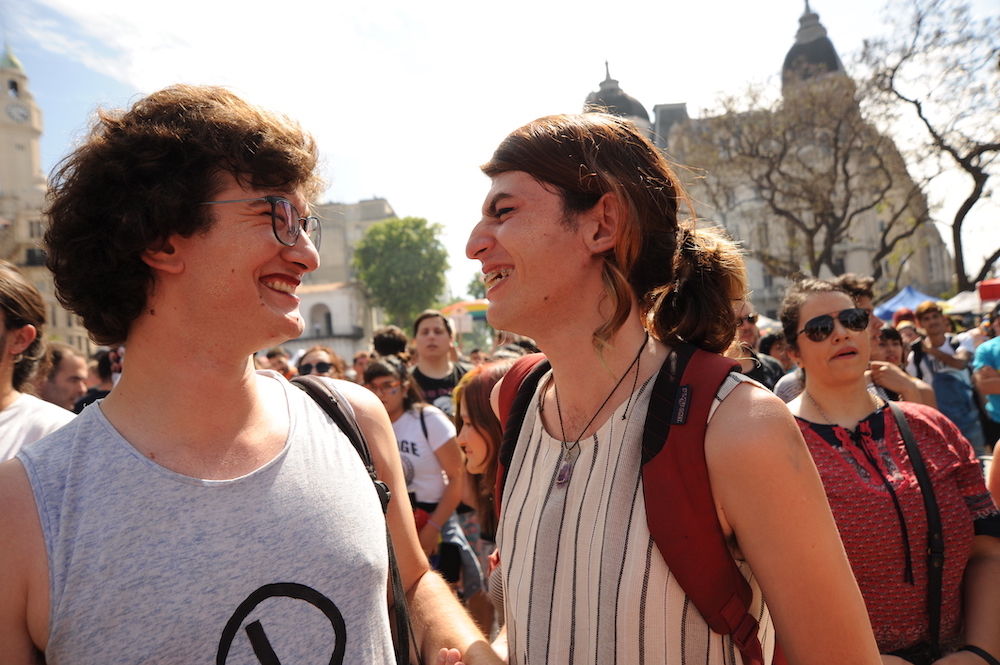


In light of the results of the national elections on October 27th, Florencia Feldman, president of the organization 100% Diversity and Rights, analyzed the situation: “The past four years have been very difficult for the entire country and, of course, for our community, especially for our trans and gender-diverse sisters. Institutional violence, exclusion, and poverty have hit us very hard. We hope to recover at least some of what has been lost and we trust that a new era of progress and guaranteed rights is beginning. The way to do this is to be many, to stand together, to build collectively, and that is why the march is the most important event we have.”
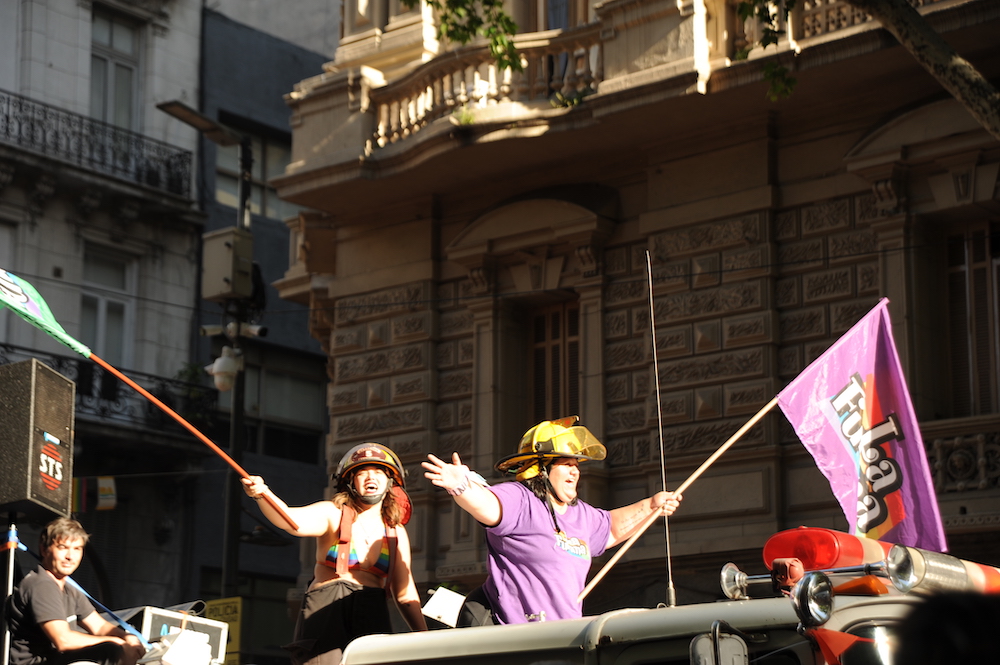


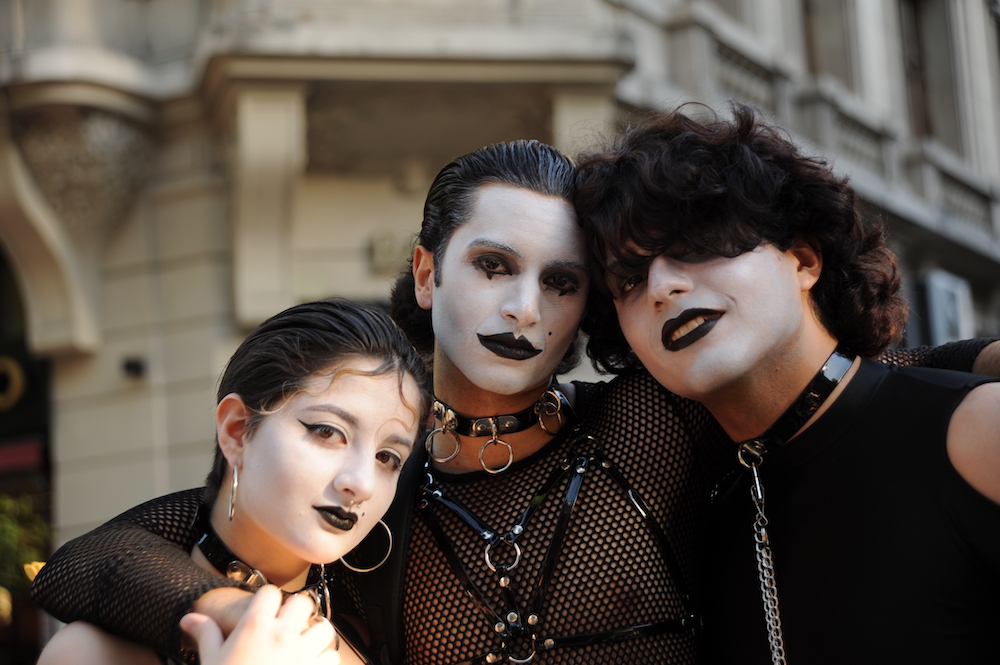
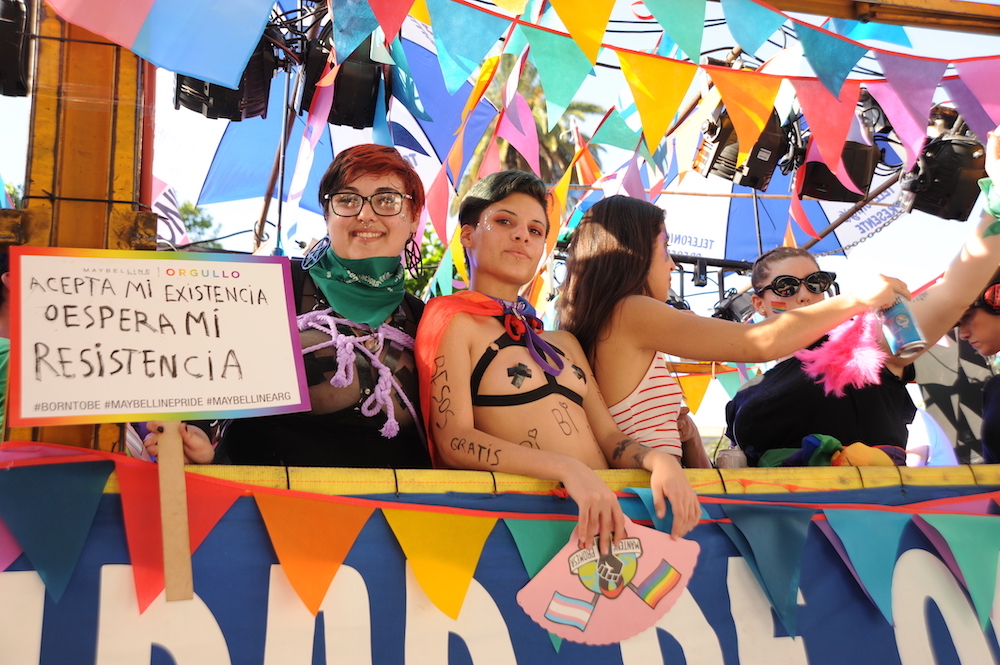
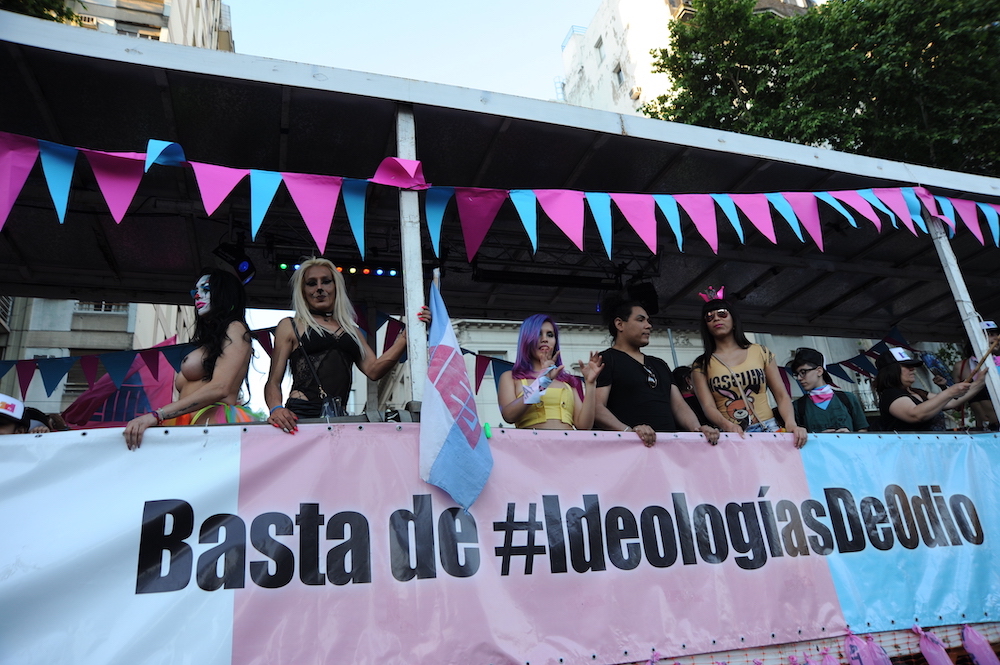
The march was so crowded that the floats didn't enter Congress Square until after eight o'clock. The festivities continued in the side streets, and Callao Avenue remained packed well into the night in an atmosphere of celebration, struggle, and joy that hadn't been seen for a long time.
#PrideMarch 🇦🇷 And we've arrived at Congress 🌈✊🏽💜 to demand all the rights that remain to be recognized. pic.twitter.com/4Uqt6wfACJ
— Presentes Agency (@PresentesLGBT) November 2, 2019
🇦🇷 “My #pride is being a lesbian and resisting. And being here today with Indigenous and Afro-descendant women,” says Alicia Caf of Sueños de Mariposas 🦋 #LesbianAging #PrideMarch pic.twitter.com/42bsfC74ZB
— Presentes Agency (@PresentesLGBT) November 2, 2019






We are present
We are committed to journalism that delves into the territories and conducts thorough investigations, combined with new technologies and narrative formats. We want the protagonists, their stories, and their struggles to be present.
SUPPORT US

FOLLOW US
Related notes


We are present
This and other stories are not usually on the media agenda. Together we can bring them to light.