

Chronicle and photos: First Pride March of the slums and plurinational
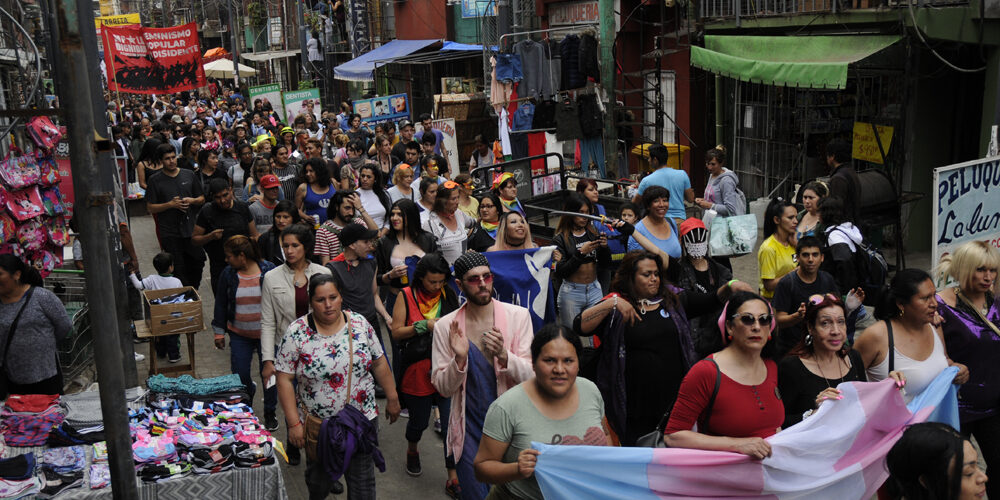
This is how the first plurinational LGBTTIQ+ trans Pride march in the slums was experienced, convened by the feminist assembly of Villa 31 and 31 bis in Retiro.

Share

This is how the first plurinational LGBTTIQ+ trans Pride march in the slums was experienced, convened by the feminist assembly of Villa 31 and 31 bis in Retiro.
By Alma Fernández
Photos: Ariel Gutraich and Betiana Aguirre
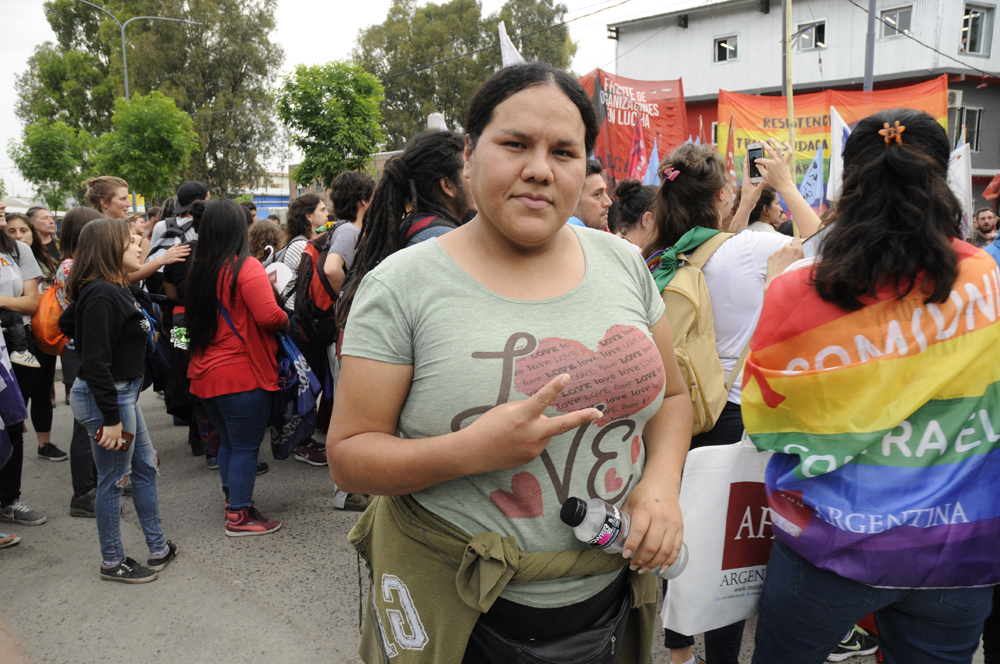
The slums aren't for everyone, as they say. On Friday, November 1st, in Villa 31 of Retiro, hundreds of people participated in the first Plurinational LGBTTIQ+ Trans Pride March in the slums. Starting at 3:00 PM, people began arriving at the Latin American and slum trans training and education center. From there, the march began towards El Playón, one of the busiest places in the daily lives of those who live in Villa 31.
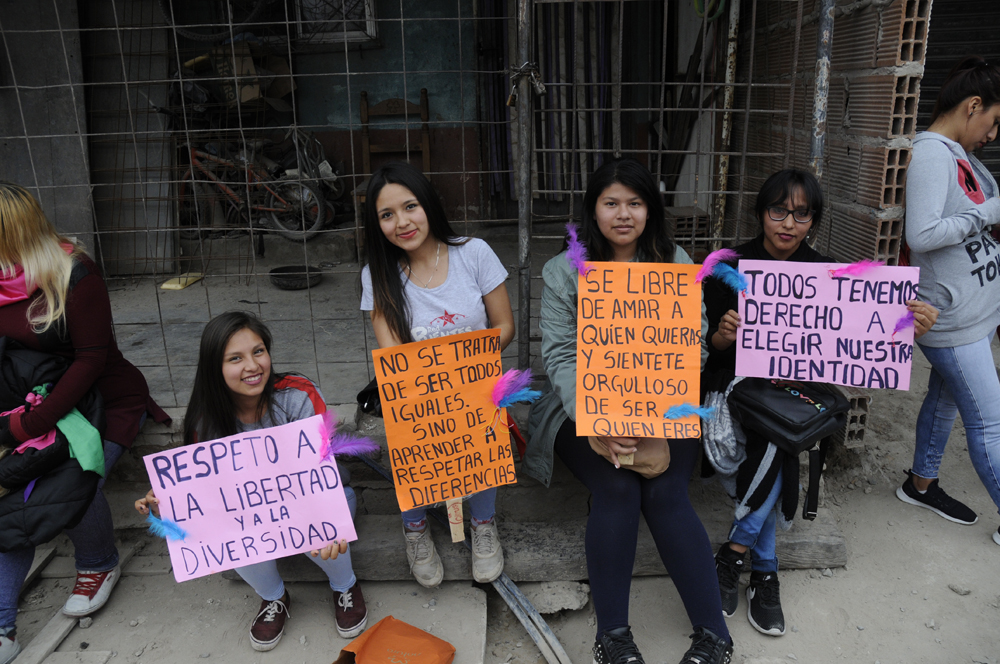
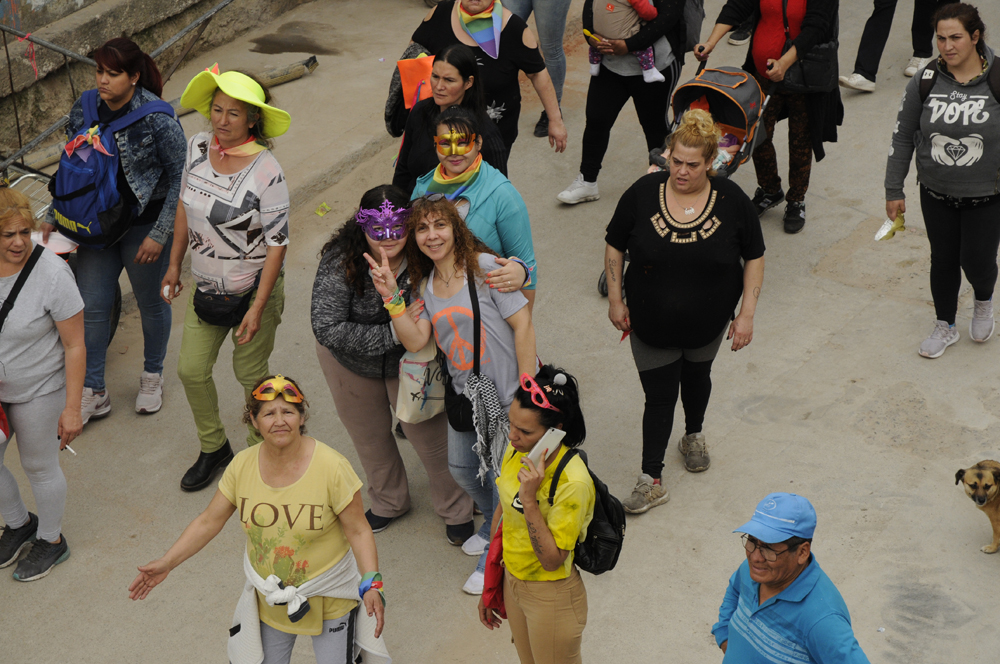


My eyes fill with tears seeing so much support and struggle from everyone who came out to walk and march through the streets and alleyways of the neighborhood alongside the trans women neighbors and other residents. Gabriela Villanueva is a trans woman who has lived here for more than ten years, on the 31 bis side. "It's beautiful to see these things happening in the neighborhood," she says.
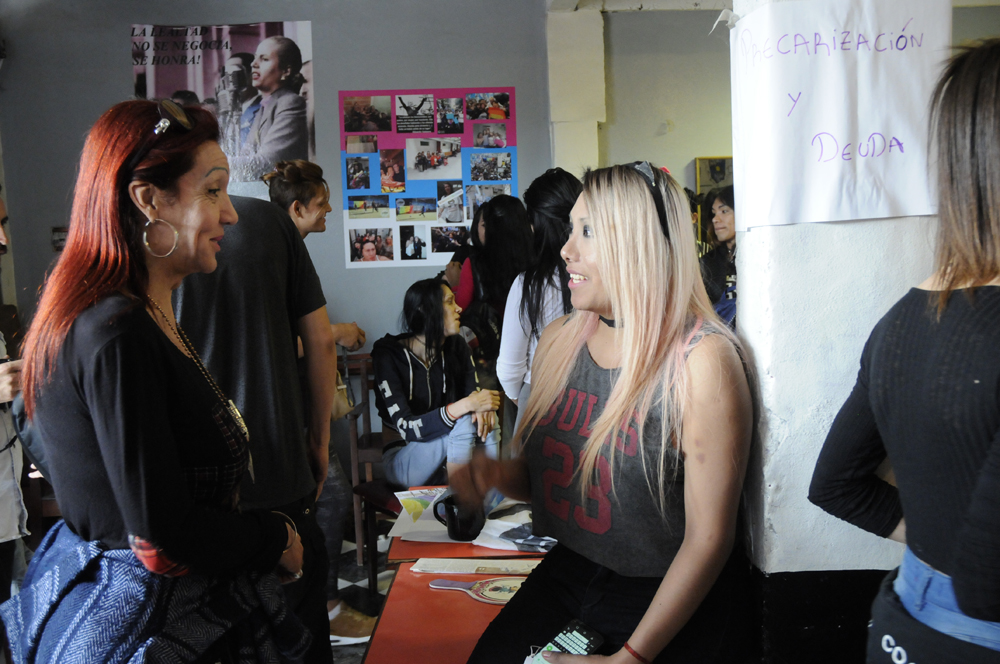
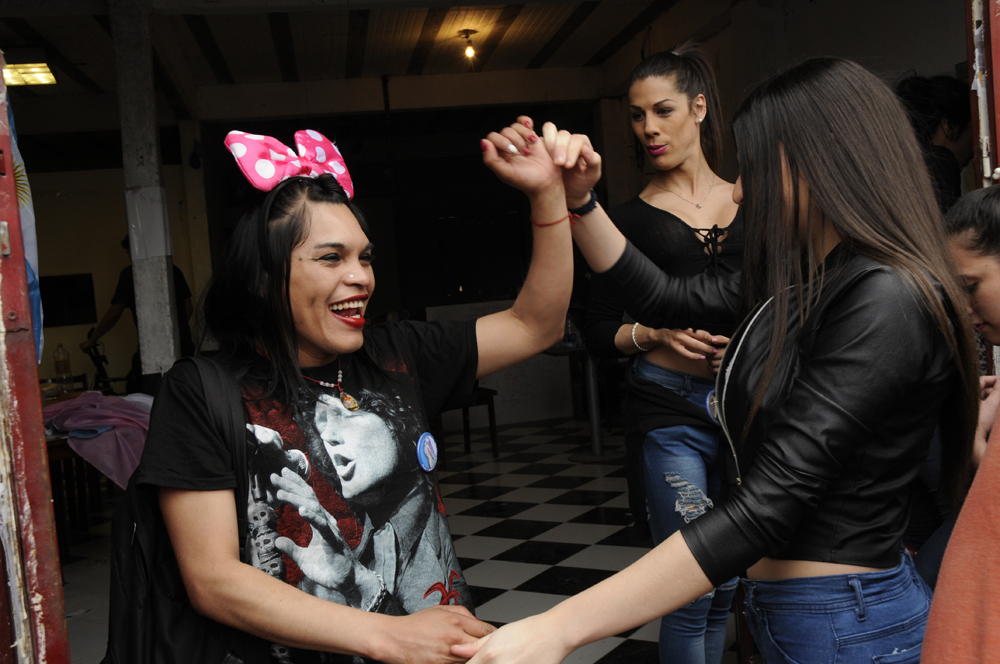
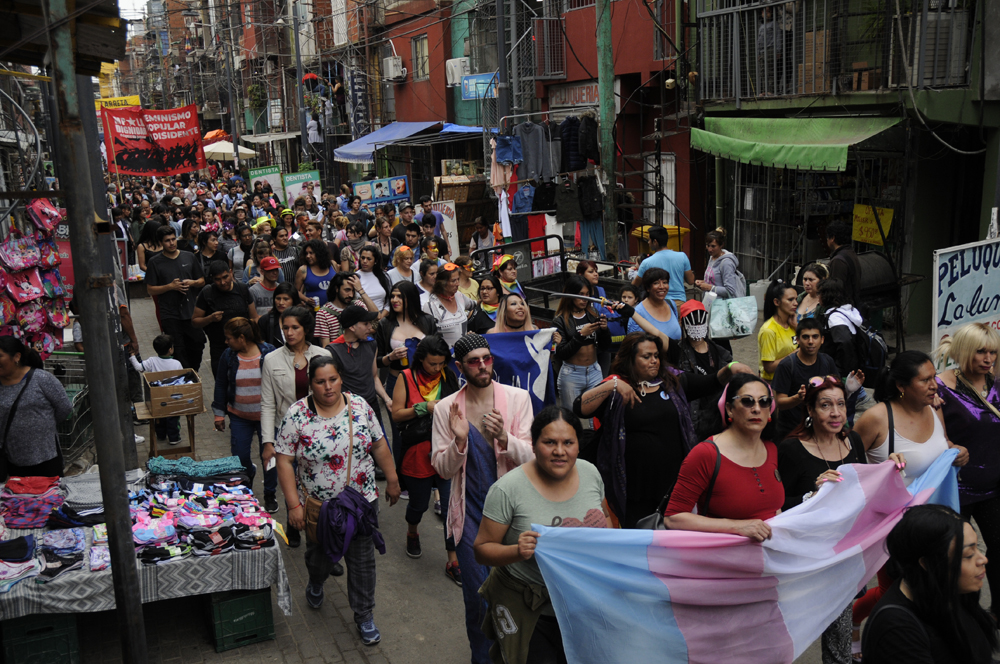
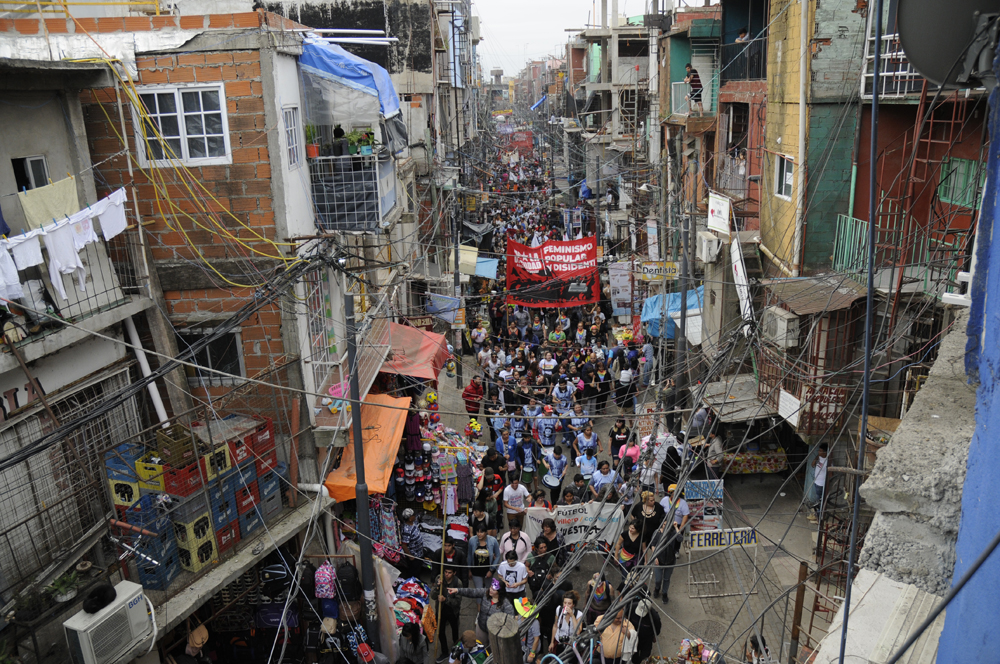
Tamara Cabañez is one of the more than 80 transvestites and trans people who live and march in her neighborhood. "I'm here because this is where I need to be, my neighborhood," she tells me as the bass drums, the percussion, and the loudly trans murga begin to arrive.

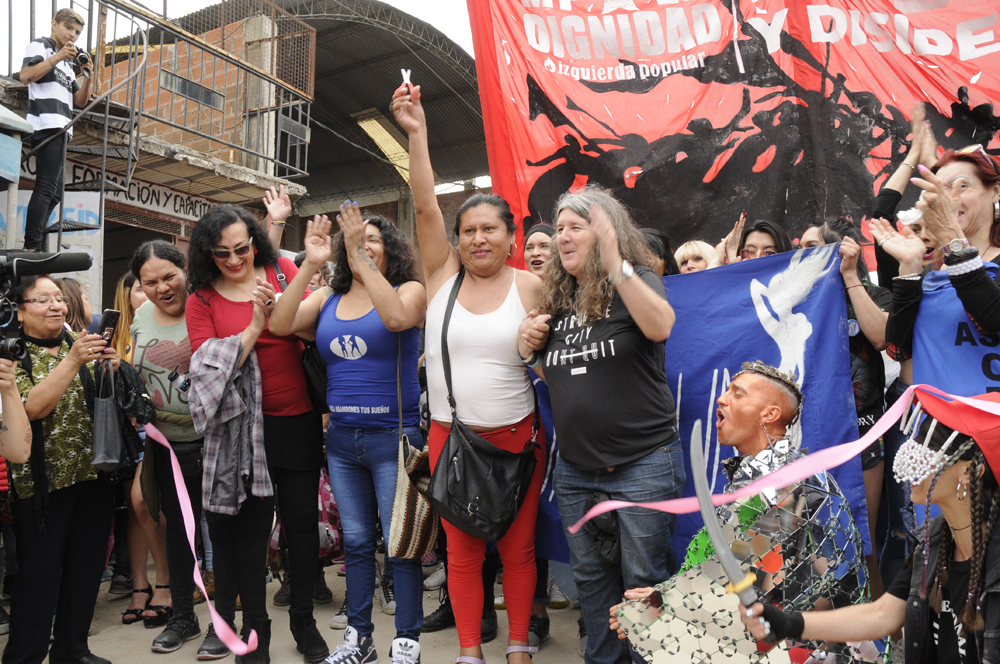
Children gaze in bewilderment from the colorful windows of their little houses. They wave their small hands and welcome the arriving shantytown march. The first ever Trans-Slum Pride march has taken to the streets, disrupting siesta time. It is at this moment that I am overcome with emotion. I see the trans bodies reclaiming the space. I think: right now, the periphery becomes the center.
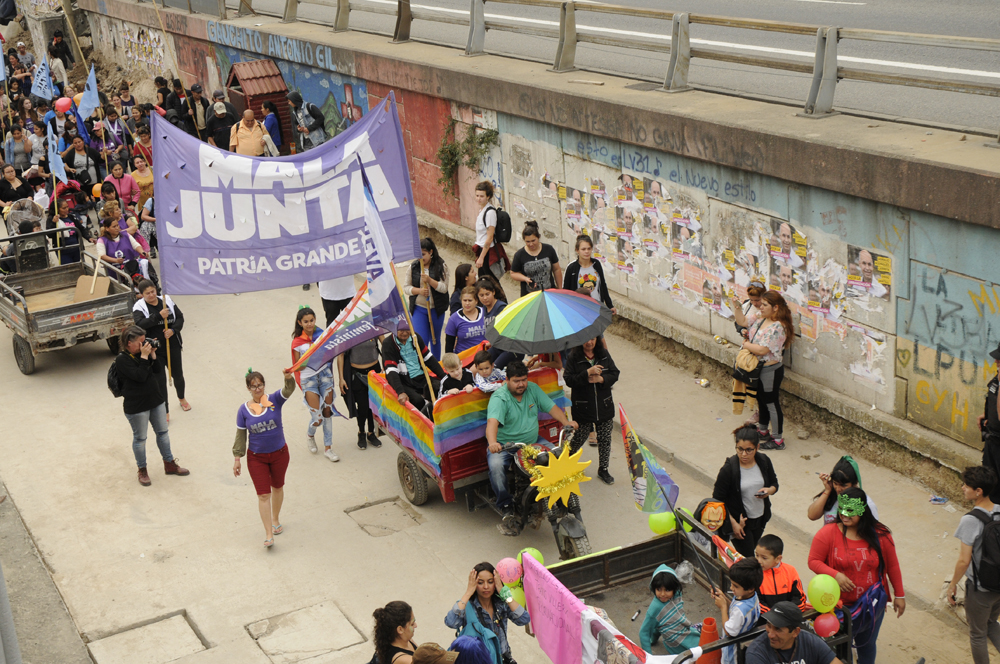
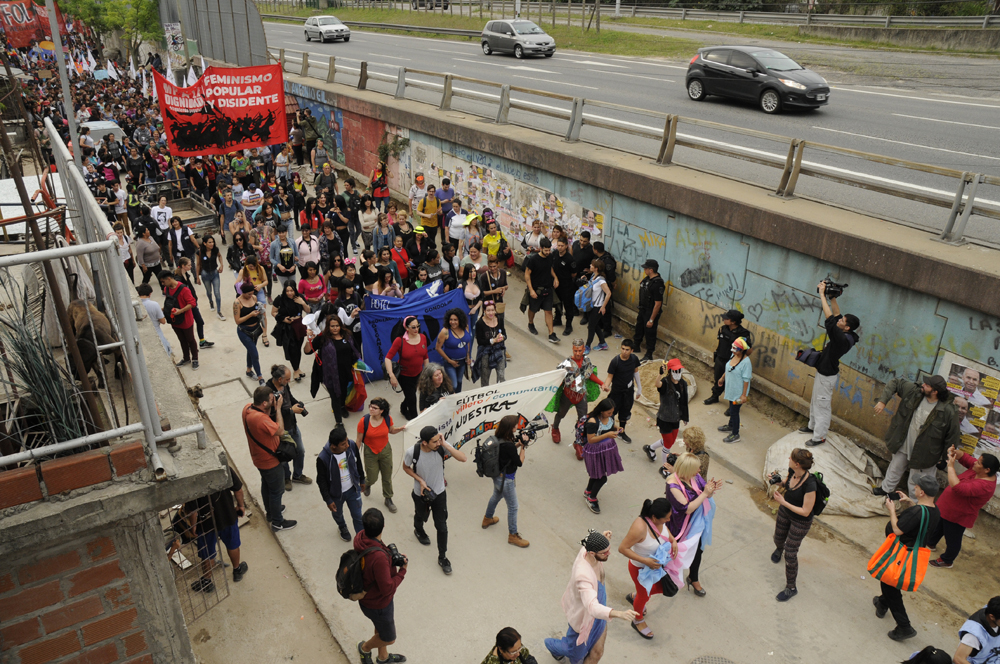
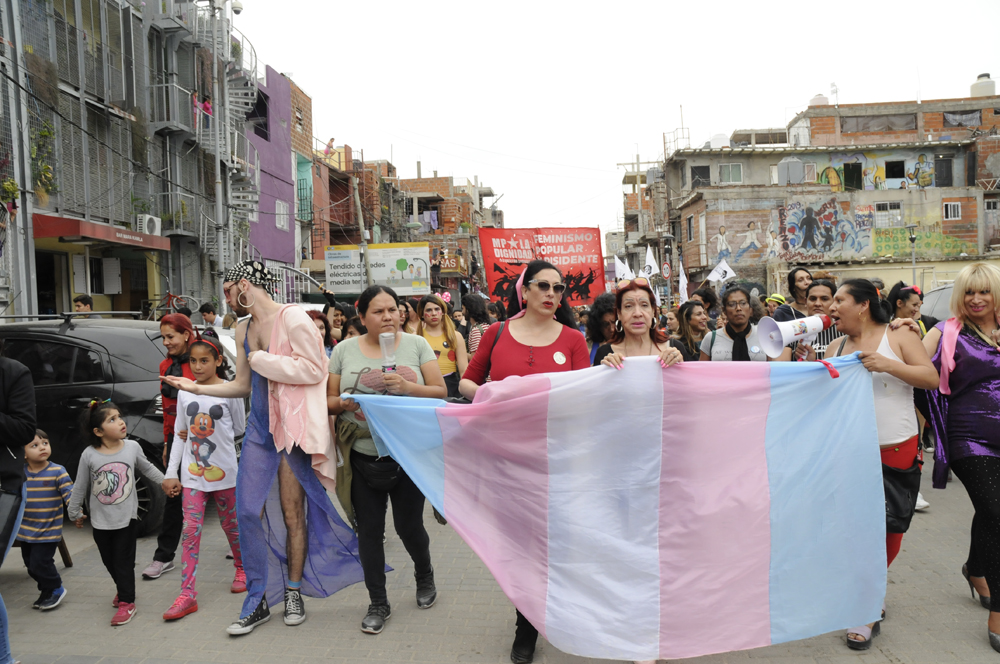
The theory gets lost amidst the concrete, the iron spiral staircases, and the cheap labor. Once again, I have to understand that we survive without that theory, which perhaps many of us never even read. And there I see the transvestites and trans women from the slums, infecting everything so that this humanity that kills us every day will die or change forever. They are marching, and that fills me with pride.

This has a key figure behind this historic afternoon for our community and our collective Latin American trans and travesti memory. She is Martina Pelinco, one of the founders of the slum-based trans and travesti training and vocational center.
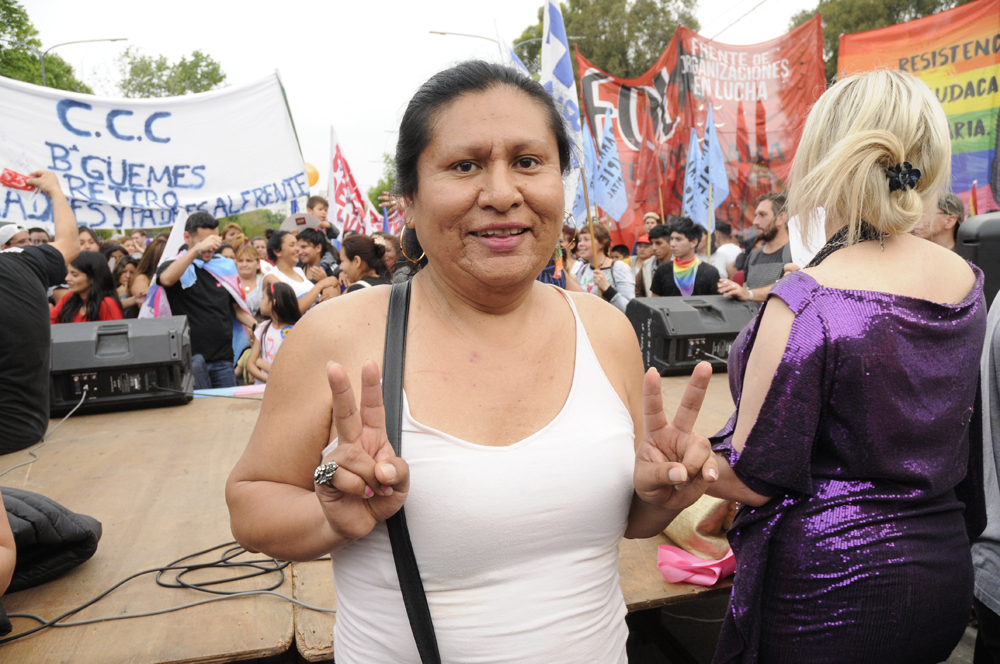
Martina says: “We’ve been organizing within the shantytown for a long time, together with our comrades, asking for spaces to carry out our activities and to be part of the community. Because we are very clear that we are part of this place. And we condemn Horacio Rodríguez Larreta’s urbanization project.”
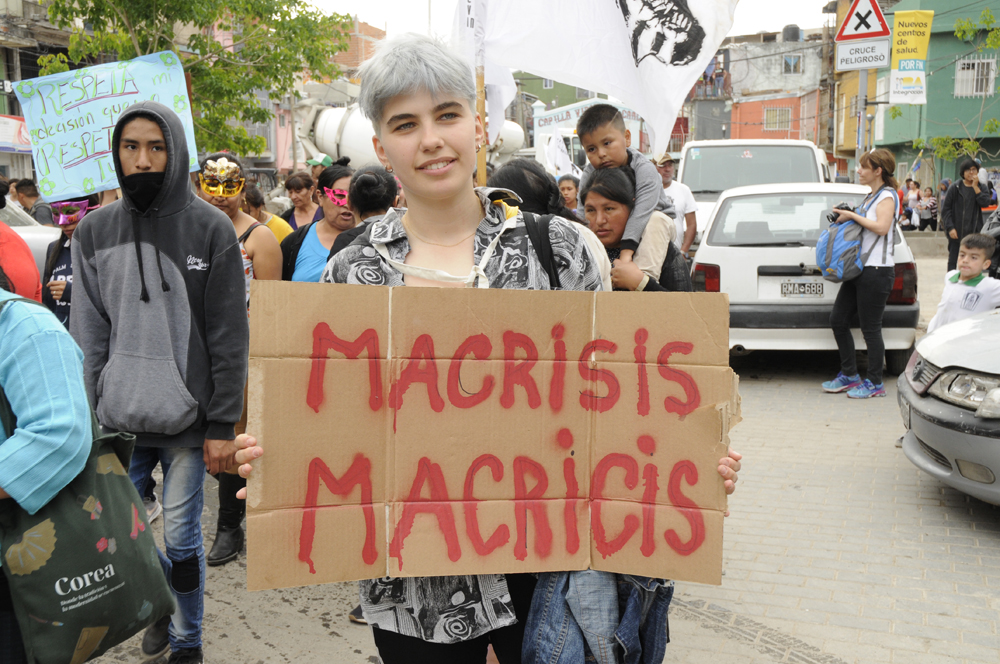
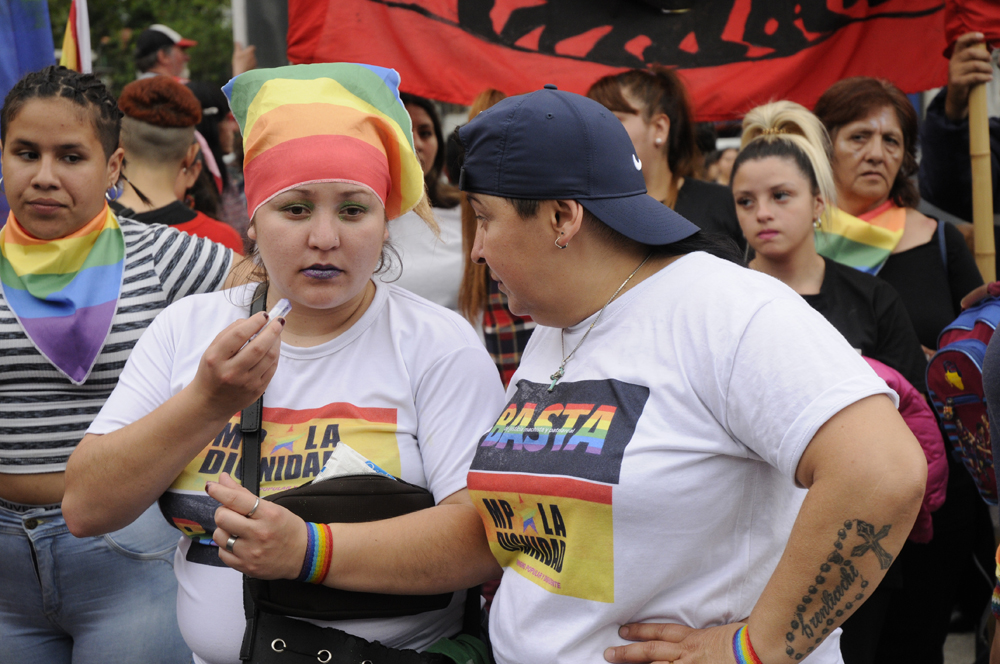
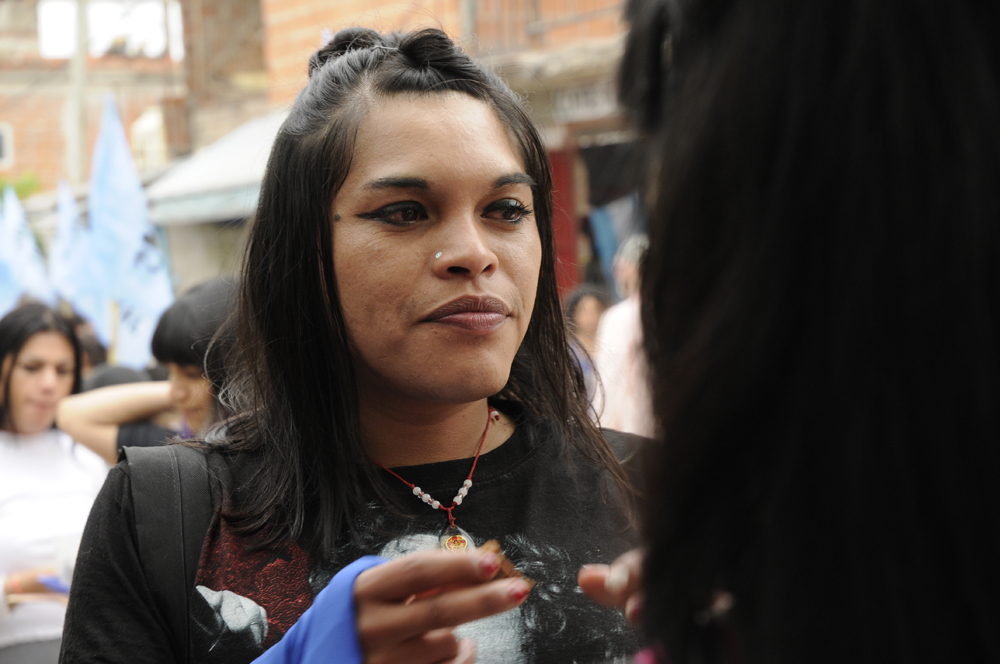

The women from the civil association "El Gondolín" also arrived at the 31st Street this afternoon, bringing all their glamour and stunning figures. "We are very happy to be here. We thank Martina and we always strive for more. We think the response from the diverse community of the town is important," commented Zoe Lopes, one of the founding members of El Gondolín.
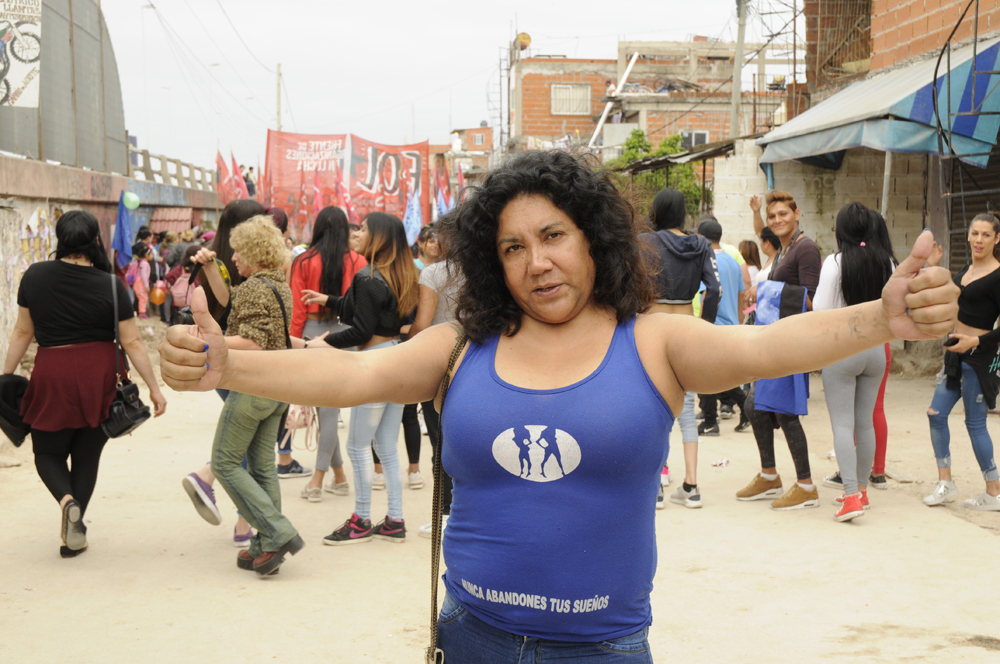
Another of the founders, and one of those who always looks out for the girls who arrive from the north, is Marizita, the mother. She tells me that her heart belongs to the shantytown, and so does her story. She also feels part of this and celebrates it. She tells me this while giving me a warm hug, the kind that transvestites and trans people need so much. Solange Fabián from Fundación Huésped emphasizes: “It’s very important to be here supporting this cause. It opens up and expands diversity even further from the shantytown.”
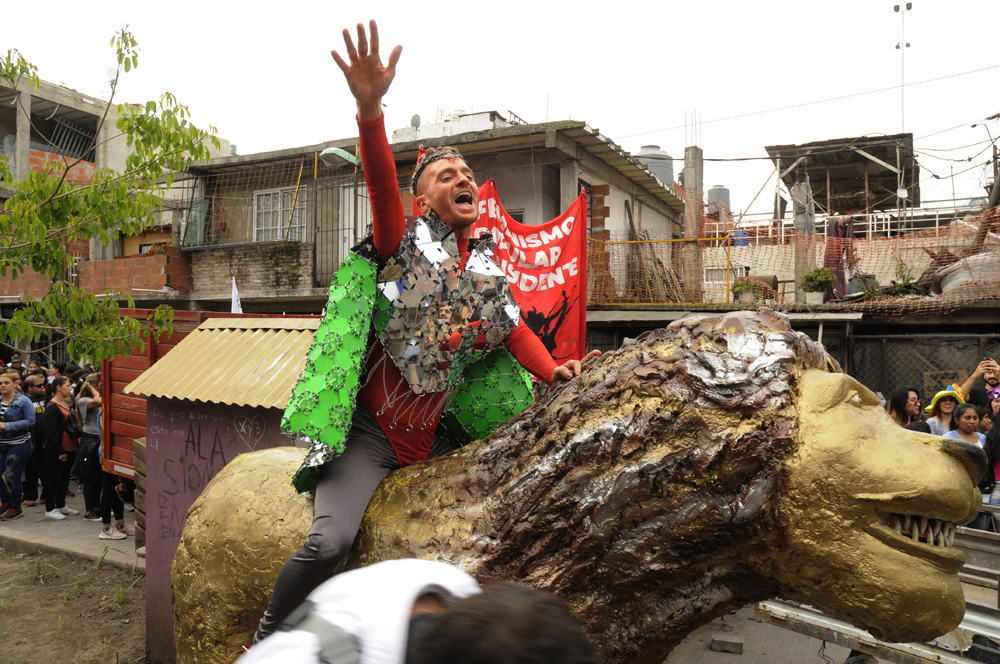
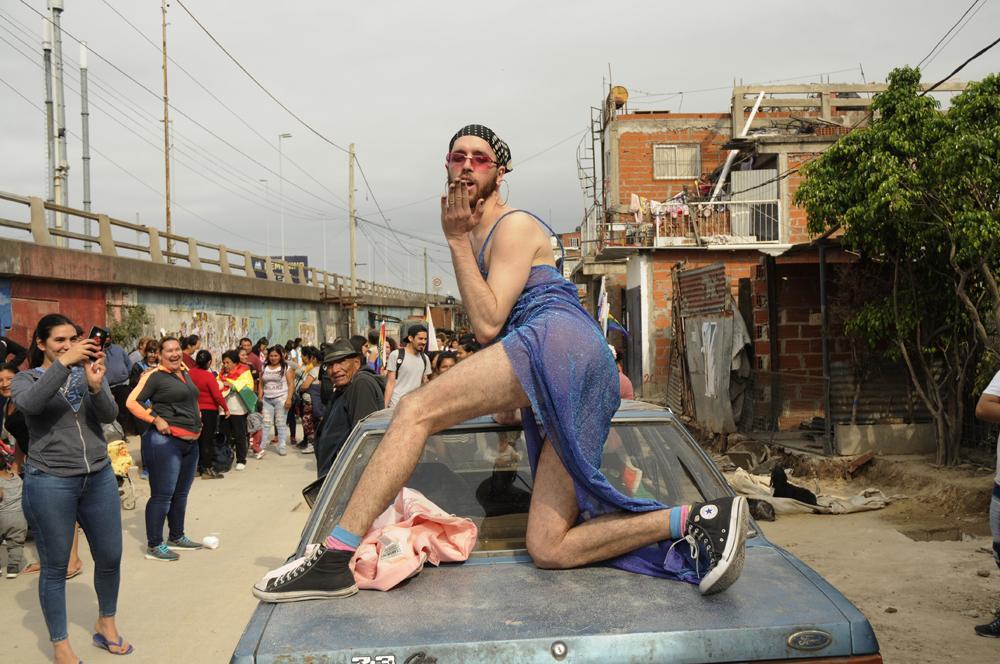
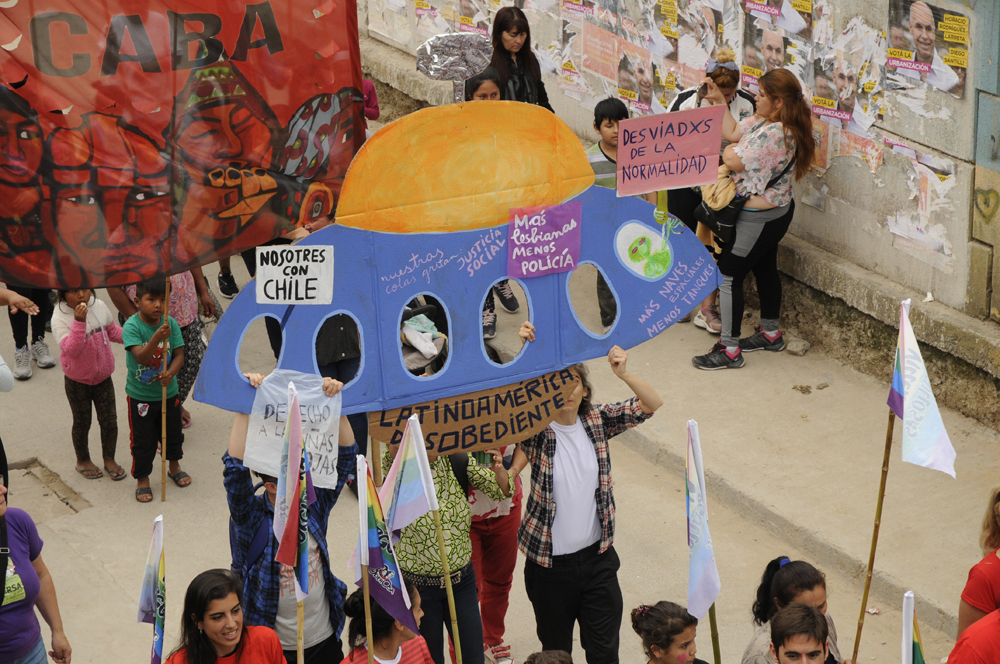
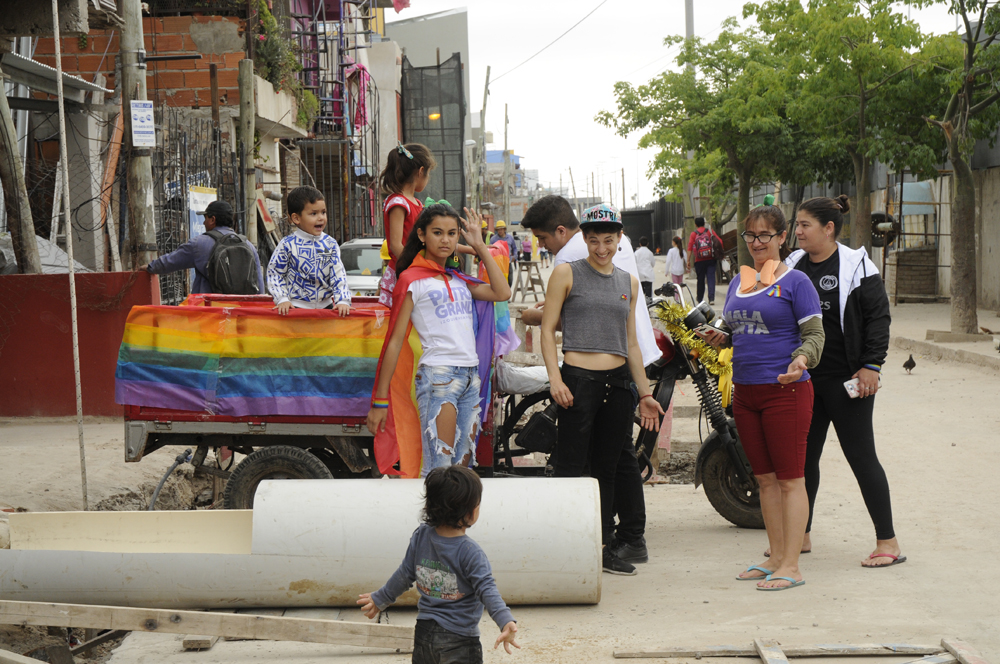

With much noise and struggle, the march advanced toward the shantytown and dissident stage. Trans activist Paula Arraigada was also there. “I appreciate and support the organization of the women from the shantytown. It’s the first time a march of this kind has been organized from a working-class neighborhood. We have to be here to make it visible that trans and travesti women live everywhere. They suffer the same needs: stable employment, regular work, social security, decent housing, healthcare, and above all, a life plan,” said Paula.
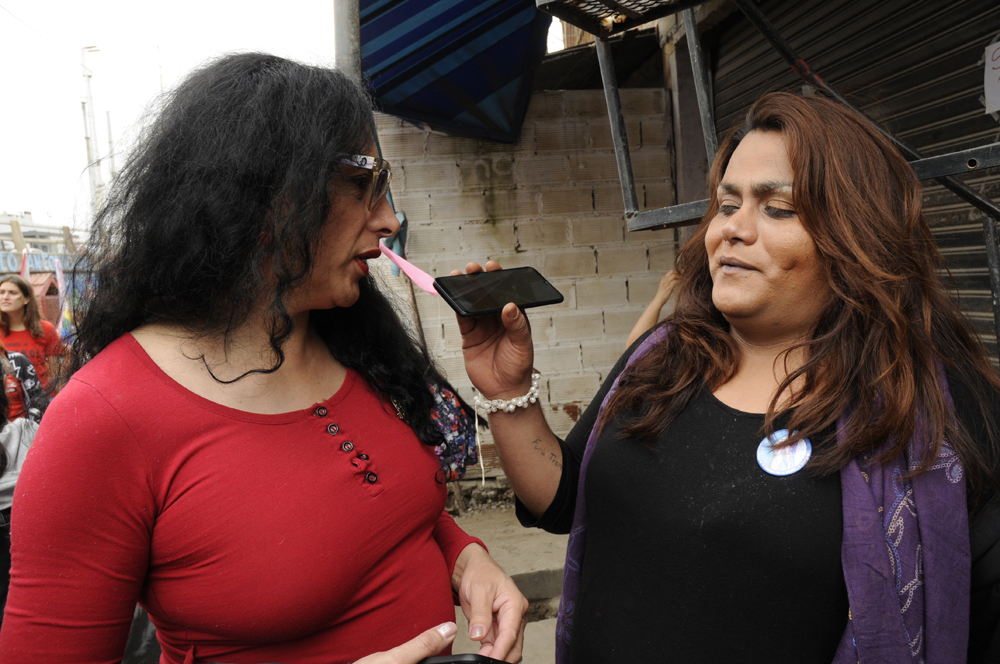
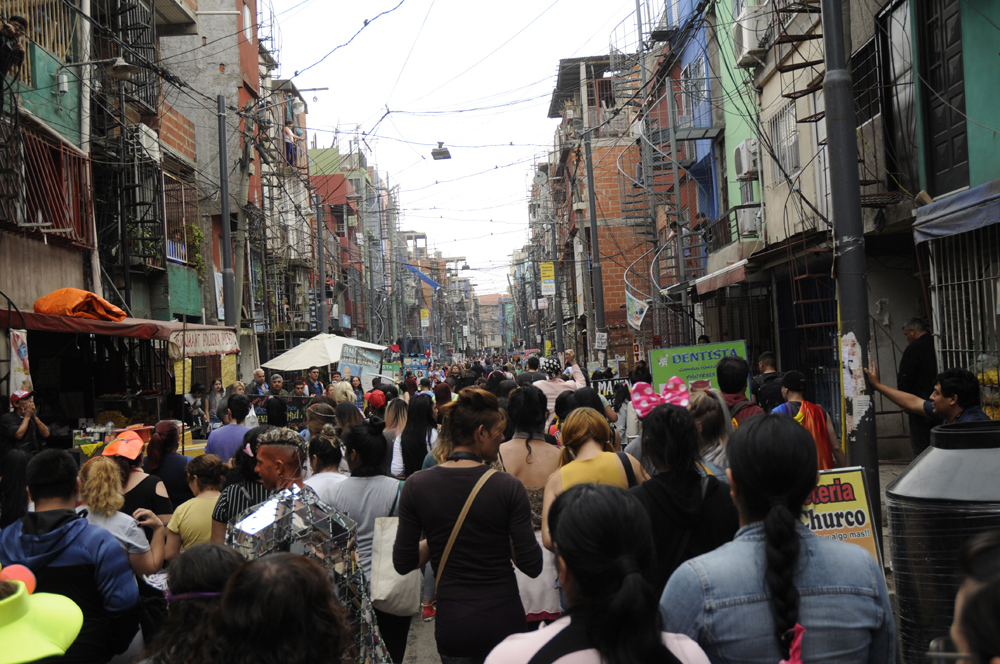

As we settled in front of the stage, with a sky full of dark clouds in the background, we met Anahí Posas, a leading figure in the Evita Movement's National Front for Equality. "I'm here for the struggle of everyone. It's an honor to be part of this community because, even though I don't live in a slum, this society places me and us within it. Let's just say that for many in this city, I'm from the slums, Black, and poor. Just for being trans."
Atenas Santana, a 23-year-old from Mendoza who lives in the Gondolín Hotel, says: “I can’t speak from the perspective of slum pride because I don’t inhabit those bodies. But I see many trans and travesti women who, because they live in slums, suffer doubly from societal violence. Because of the social class that separates us and the pressures we experience every day, simply for living in these spaces.”
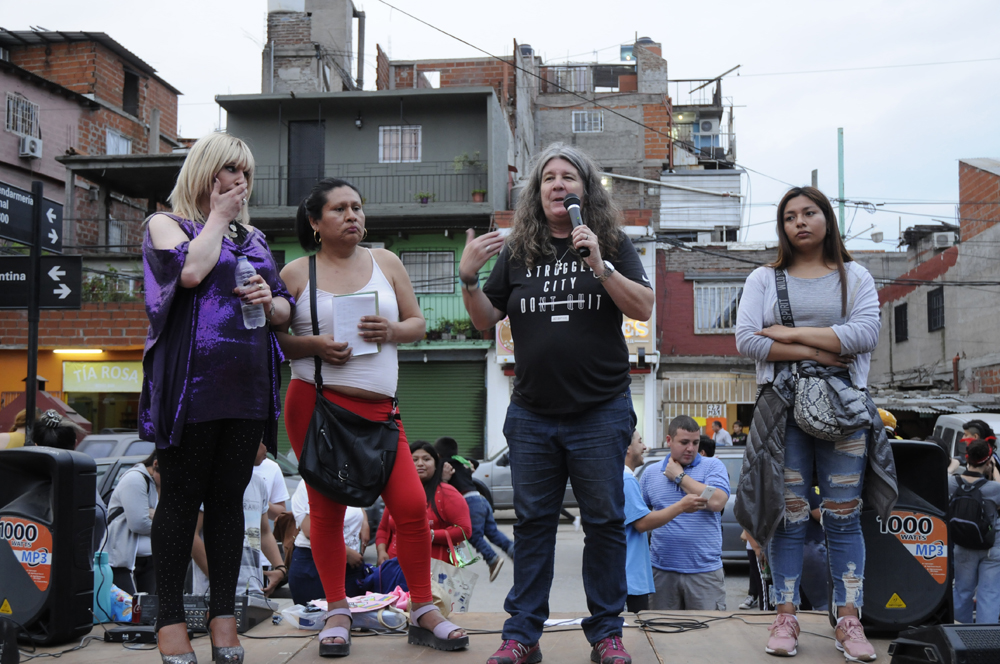
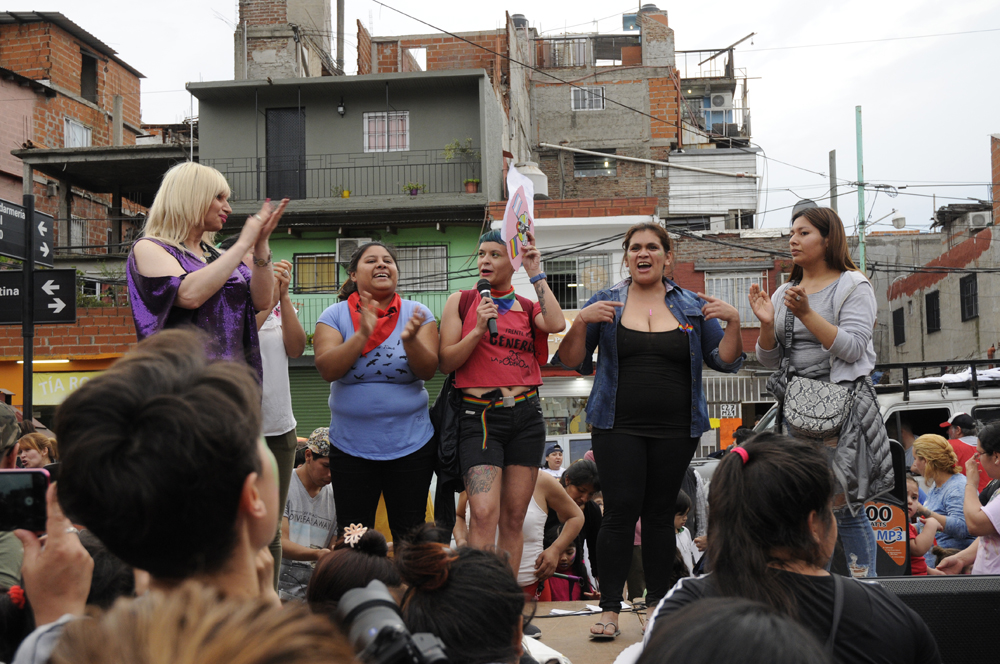
On stage, the performances and artistic numbers are met with enthusiastic applause from the trans community. Feminist sociologist Victoria Freire of Mala Junta, who came to march for the trans women of the slums, adds: "It is very important to continue contributing so that this feminism represents and is for everyone."
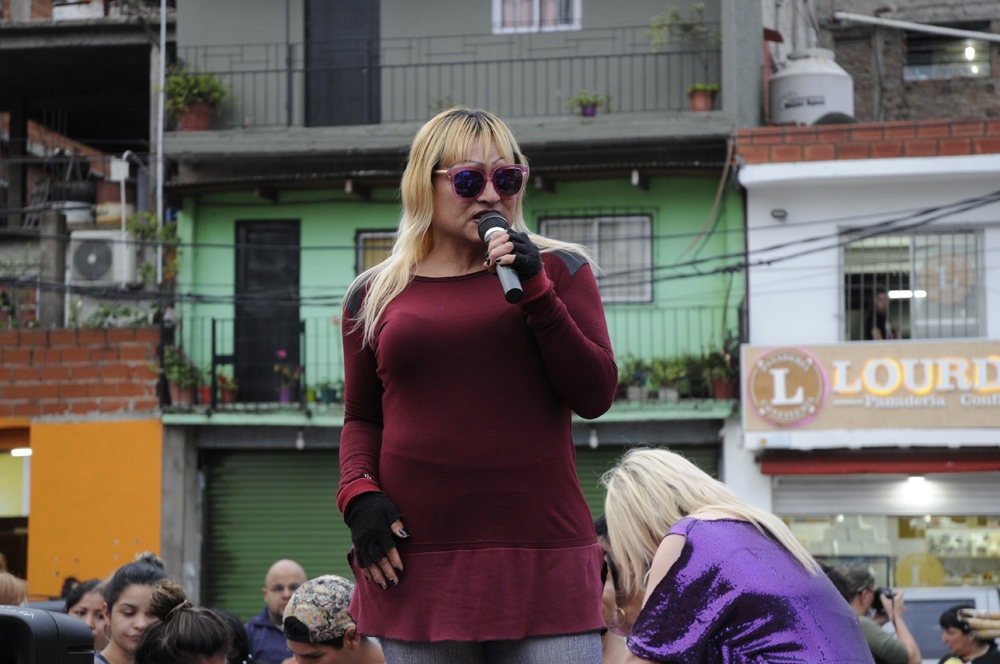

Mariano Altamirano—better known in the neighborhood as Cartón Pintado—has worked for the National Registry of Persons (Renaper) for ten years. He's one of the many allies of trans people in the neighborhood. Cartón Pintado takes care of making documents for many of us, and at the same time accompanies and assists us in any way he can. This year, more than thirty transvestites and trans people had the opportunity to get their first national ID cards and approach these institutions that are exclusionary for many of us. “Today I came to the trans march for the first time. With Néstor and particularly with Cristina, since the Gender Identity Law, the girls from the neighborhood started to come forward, and that's when I understood the realities of many of them. As a gay man born and raised, I understand that we are all part of this. As a human rights activist, I think that the dictatorship swept away and erased the identity of many people. That's why I'm here today,” he tells me.
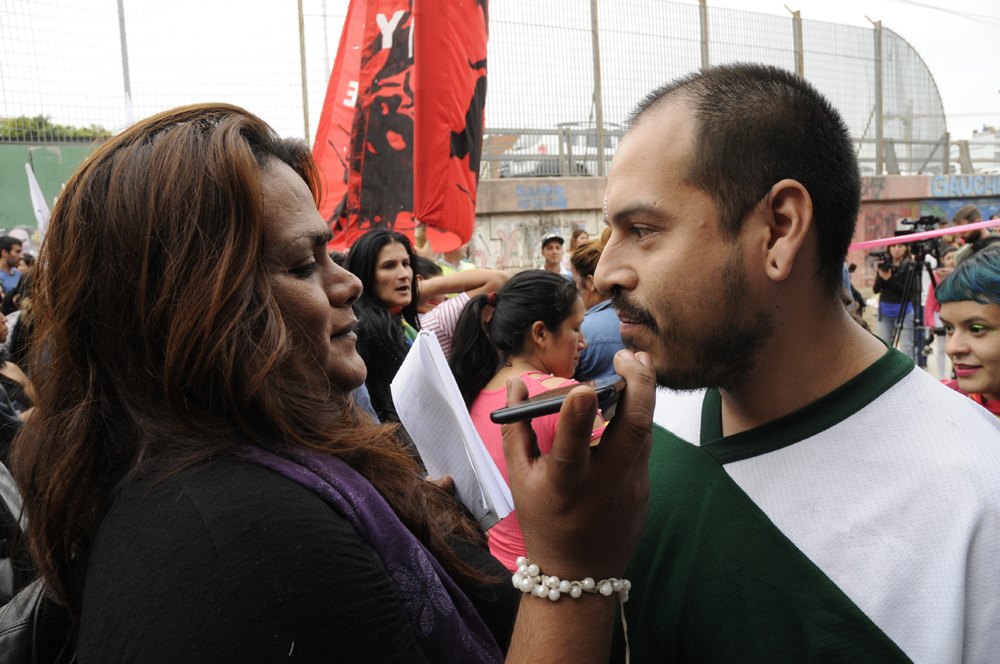
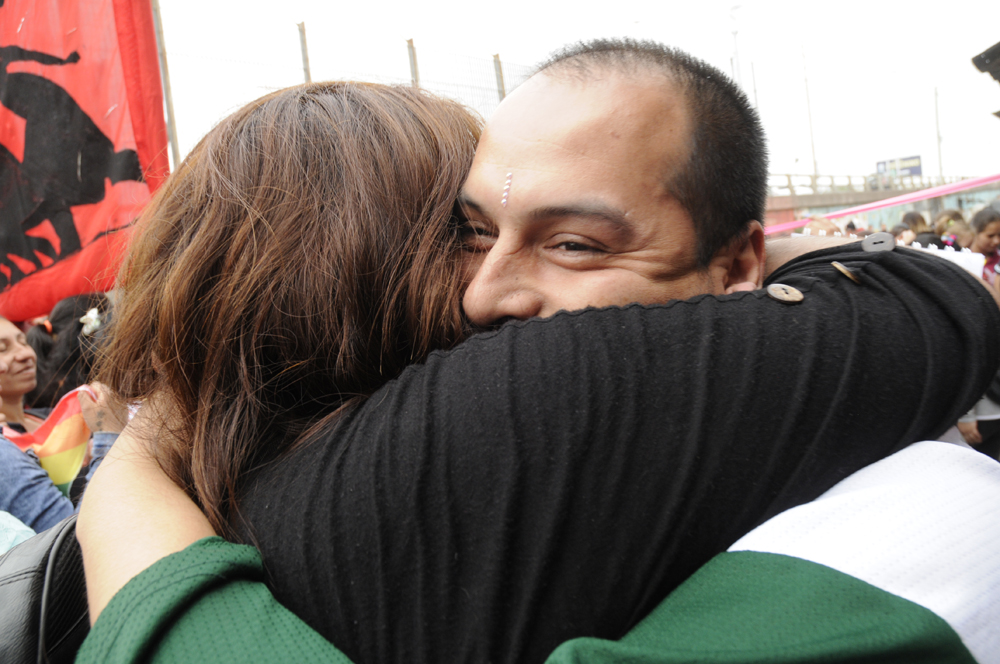
The march is coming to an end and Martina Pelinco expresses her gratitude: “Thank you so much for being here and supporting us, the girls from Villa 31. We hope to see you next year to continue fighting for trans identity in the slums.”
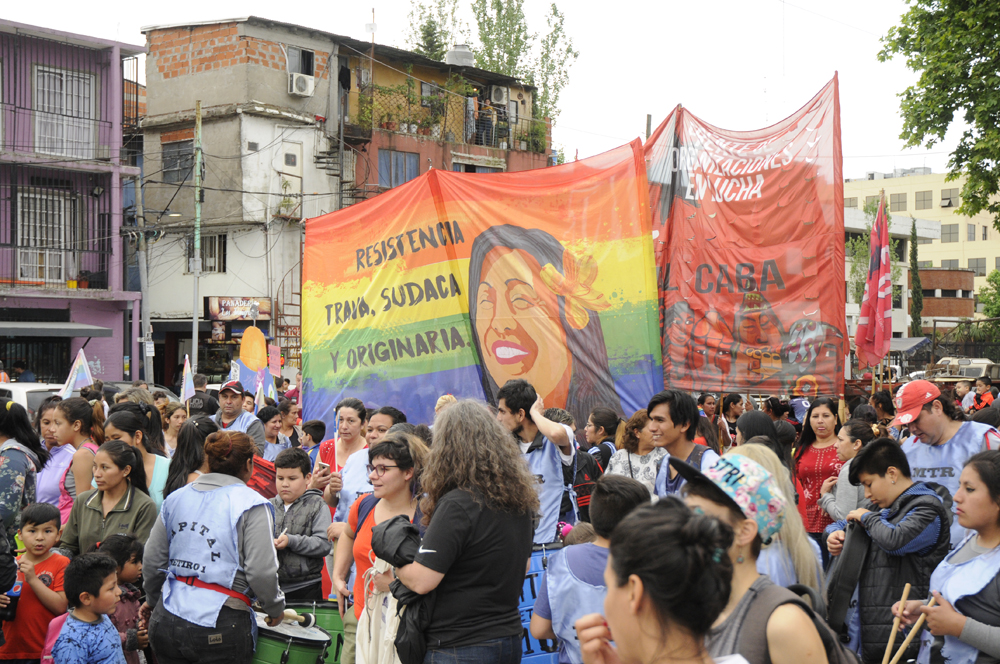
I left Villa 31 with my heart fixed on El Playón, searching for a space amidst the endless, ever-growing houses. I left happy to see how my sisters occupy and reclaim these spaces. And they do it with love, joy, and struggle, with a sky as our witness, a sky that also deserves to be ours. I left content to write my first journalistic piece. I left seeing the bewildered faces of the adults and passersby as we walked by, and I left realizing how much the heterosexual world still needs to change. I left proudly trans: Trans Fury!
We are present
We are committed to journalism that delves into the territories and conducts thorough investigations, combined with new technologies and narrative formats. We want the protagonists, their stories, and their struggles to be present.
SUPPORT US

FOLLOW US
Related notes


We are present
This and other stories are not usually on the media agenda. Together we can bring them to light.